REVIEW · KATHMANDU
Kathmandu 4-Heritage Sites Tour
Book on GetYourGuide →Operated by Cordial Trek Pvt. Ltd. · Bookable on GetYourGuide
Kathmandu can feel like a moving prayer. In one 6-hour day, you hit four UNESCO sites: Kathmandu Durbar Square (including the Kumari Ghar), Swayambhunath, Boudhanath, and Pashupatinath on the Bagmati River. I especially liked how the day gives you both big-sky views from Swayambhunath and close-up spiritual moments around Boudha and Pashupatinath. One thing to consider: the quality of your experience can hinge on how engaged your guide is with your questions and pace.
If you want a high-impact day without stressing about transport, this works well. You get hotel pickup and drop plus a private air-conditioned vehicle, an English live guide, and bottled water, which is a practical win in Kathmandu. Still, entrance fees for monuments are not included, so you should budget a little extra if you want to pay as you go.
I found the itinerary has a clear rhythm: history first, views next, then spiritual calm, and finally the intensity of Hindu rites along the river. That mix is a strong way to understand Kathmandu Valley, but it’s also a long walking day, so wear shoes you trust and expect some areas to be hard for anyone with mobility limits.
In This Review
- Key highlights to look for
- A Six-Hour UNESCO Circuit Through Old Kathmandu
- Price and Value: What Under $4 Gets You
- How Pickup Works in Thamel and Kathmandu
- Kathmandu Durbar Square and the Kumari Ghar
- Swayambhunath Monkey Temple: Views That Put the City in Context
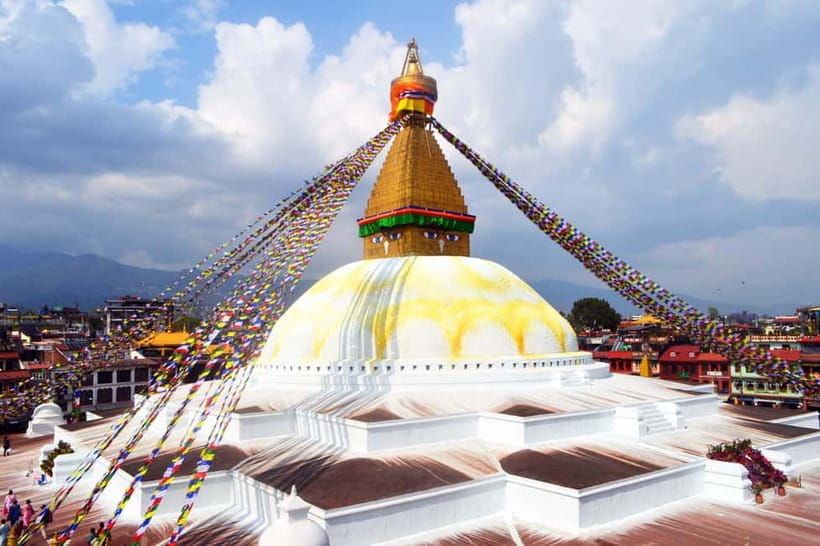
- Boudhanath Stupa: Prayer Flags, Quiet, and Sacred Focus
- Pashupatinath Temple and Bagmati River Rituals
- Express Security and the Flow of a Packed Day
- The Guide Factor: When the Stories Hit and When They Don’t
- What to Bring (and What to Wear) for Comfort
- Who This Tour Is Best For
- Should You Book This Kathmandu 4-Heritage Sites Tour?
- FAQ
- How long is the Kathmandu 4-Heritage Sites Tour?
- Where are the pickup and drop-off locations?
- Is this a private tour?
- Is a hotel pickup and drop-off included?
- Are meals included?
- Are entrance fees for the sites included?
- Is the tour suitable for wheelchair users or people with mobility impairments?
- What should I bring for the tour?
Key highlights to look for
- Kumari Ghar at Kathmandu Durbar Square gives you a rare look at the living goddess tradition
- Swayambhunath’s stupa hilltop is your best shot at panoramic capital views
- Boudhanath’s massive spherical stupa creates a calm pause with prayer flags and chanting
- Pashupatinath on the Bagmati River puts Hindu ritual and cremation traditions in the spotlight
- Skip the line via express security check helps you keep momentum on a short day
A Six-Hour UNESCO Circuit Through Old Kathmandu
This is designed as a focused Kathmandu Valley “greatest hits” day: four UNESCO World Heritage sites, tied together with a guided narrative and private transport. With only 6 hours, the biggest value is that you’re not piecing together buses, timing, and directions on your own. Your guide helps you move efficiently from one sacred zone to the next, while still giving each site enough time to register.
The day starts in the old heart of the city at Durbar Square, then shifts upward to the stupa complex at Swayambhunath. After that, you get a breath of quiet at Boudhanath, and you end at Pashupatinath where Hindu ritual life—plus cremation rites by the Bagmati River—frames the experience. If your goal is to understand Kathmandu through its built heritage and living religious practice, this sequence makes sense.
You can also read our reviews of more historical tours in Kathmandu
Price and Value: What Under $4 Gets You
The headline price is listed at about $3.94 per person, which is unusually low for a private guided tour of multiple UNESCO sites with hotel pickup and an air-conditioned vehicle. Even if you assume rates can vary by season and availability, the core value logic is still clear: you’re paying for transport, a live guide, and bottled water, not just a checklist of attractions.
Two practical notes keep it honest. First, monument entrance fees are not included, so your final spend may be higher depending on what you choose to pay. Second, meals are not included either, which matters because you’re out for most of the day. If you plan ahead—carry snacks and set aside some cash for entry fees—you can keep the total cost very reasonable compared to booking separate site visits.
Overall, I see this as good value if you want a guided route through major landmarks and you’re okay handling a long day on your feet.
How Pickup Works in Thamel and Kathmandu
Your morning starts with hotel pickup, with two common pickup areas listed: Thamel or Kathmandu. You’ll meet your guide and driver either in your hotel lobby or at your apartment entrance, and you should plan to be ready about five minutes before the scheduled pickup time.
This kind of pickup detail matters more than it sounds. In Kathmandu, your day can get messy fast if you’re waiting on uncertain street corners or trying to find a driver in heavy foot traffic. Here, the plan is straightforward: show up on time at the agreed spot, and you’re off.
The tour also includes an AC private vehicle, which is a major comfort factor. Not every heritage tour offers that, and on a day that includes walking at several sites, having cool transport between stops can make the whole experience feel less exhausting.
Kathmandu Durbar Square and the Kumari Ghar
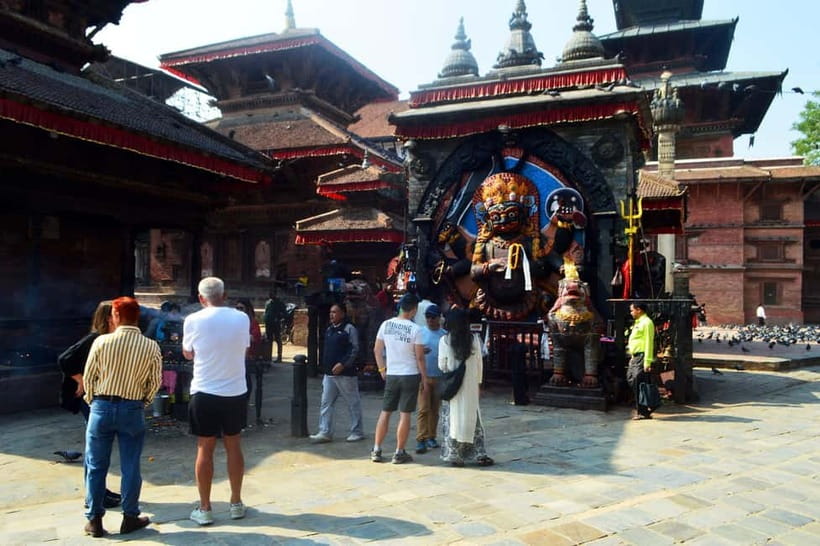
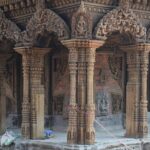
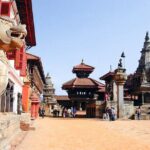
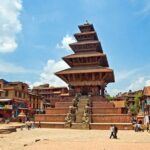
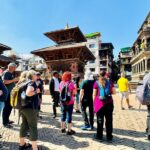
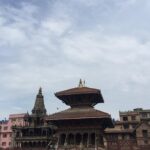
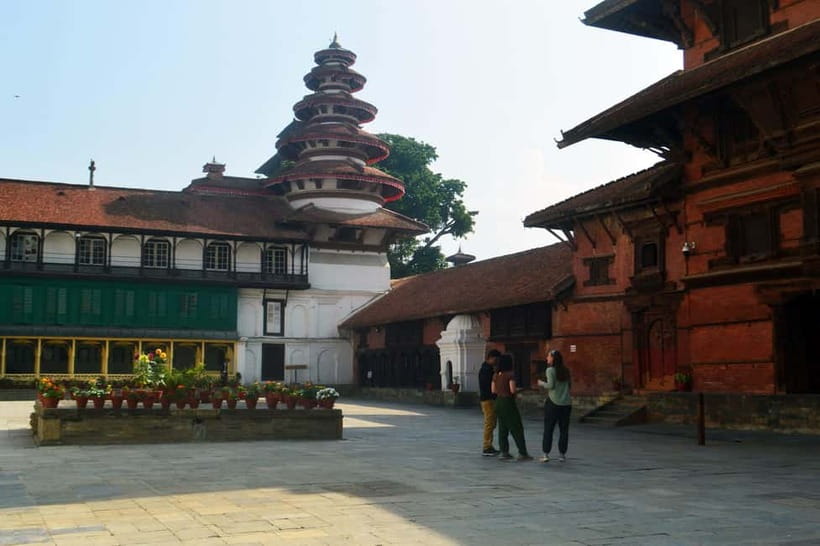
Durbar Square is where Kathmandu’s story feels physical. This stop is guided for about one hour, and it’s focused on the palace areas, courtyards, and the Kumari Ghar—the residence associated with the living goddess Kumari.
What I like about this start is that it gives you context for everything that follows. Before you climb hills and wander stupa courtyards, you’re anchored in the old Newar civic and royal architecture of Kathmandu’s historic center. Even if you only have a short time here, it’s the kind of place where shapes, levels, and temple details help you understand why Kathmandu feels built for ceremony.
The Kumari aspect adds an extra layer of meaning. The living goddess tradition is not just a photo-op; it’s a living religious idea tied to how people approach divinity and ritual time. If you enjoy cultural practices and local traditions, this is one of the moments that turns the day from sightseeing into something more personal.
Possible drawback: Durbar Square can be busy, and the time block is tight. If your guide is slow or you miss the rhythm, you may feel rushed. If you want maximum value, come with a few questions ready, like what the palace courtyards were for and why the Kumari tradition is so central here.
Swayambhunath Monkey Temple: Views That Put the City in Context
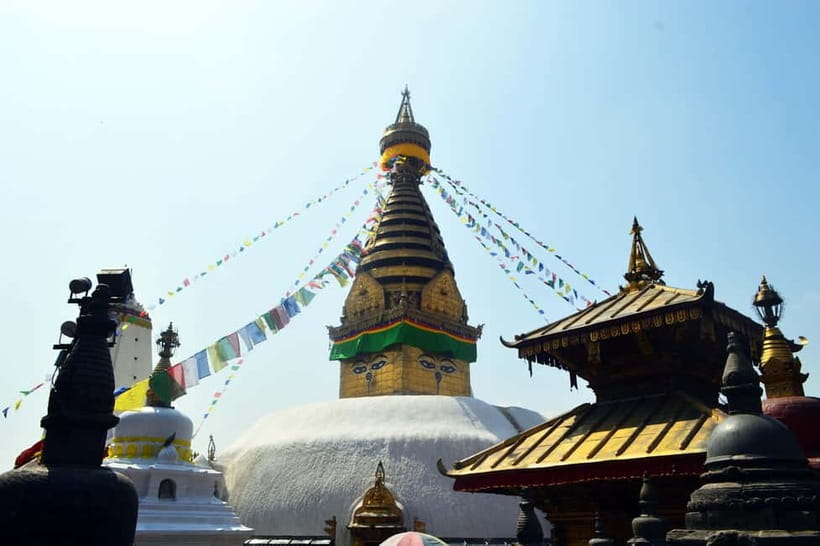
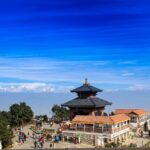
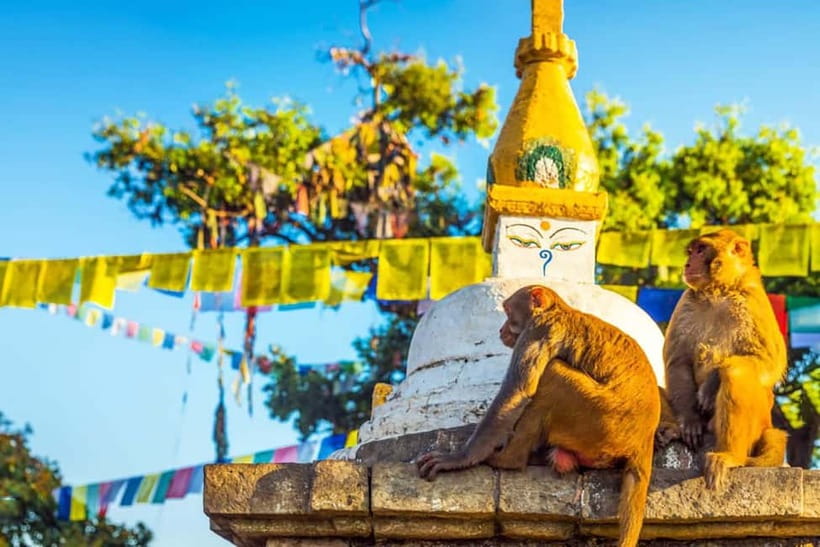
Next comes Swayambhunath Temple, also guided for about one hour. This is the stupa complex often called the Monkey Temple, and it’s set up so you experience spirituality and viewpoint in the same sweep.
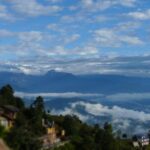
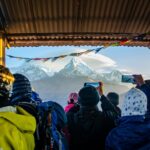
The big win is the panoramic vantage. From up here, you can see how sprawling Kathmandu is, and you start to connect the dots between what you’ve already walked through and where the city spreads beyond it. Views aren’t only scenic; they help you read the city like a map—temples clustered, districts expanding, and valleys pulling everything into a single frame.
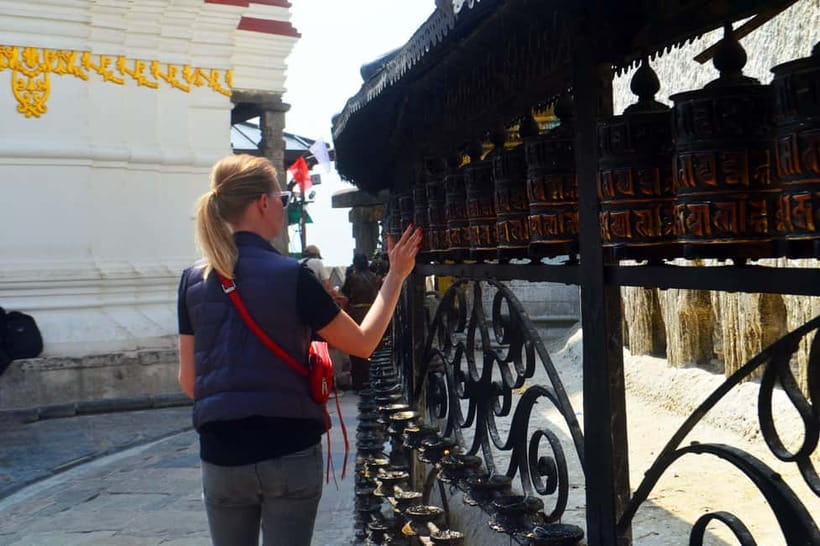
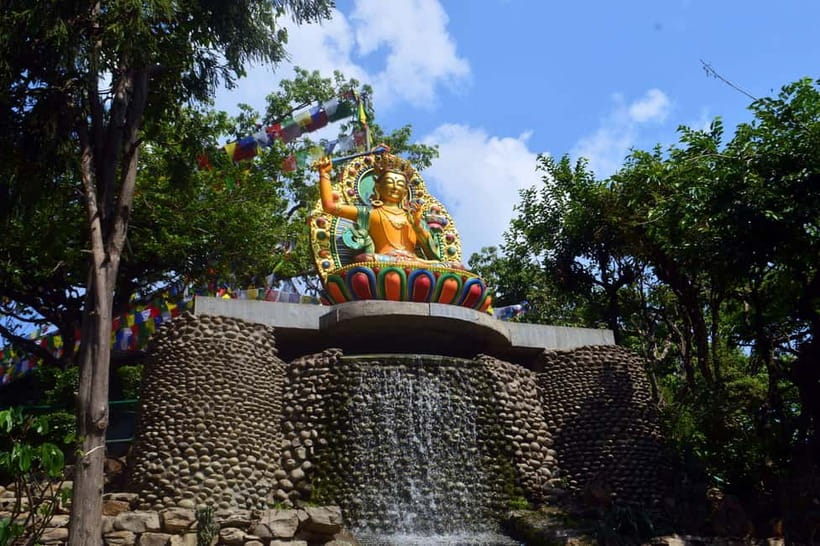
You’ll also get the stupa area and surrounding shrines as part of the guided walk. The atmosphere is devotional rather than museum-like. Prayer flags appear as you move through, and the place is designed to slow you down even if you’re on a schedule.
One practical consideration: stupa sites often involve steps and uneven areas. The tour isn’t listed as suitable for wheelchair users or people with mobility impairments, so if you’re in that category, it may be difficult. For everyone else, sturdy footwear is a must.
Boudhanath Stupa: Prayer Flags, Quiet, and Sacred Focus
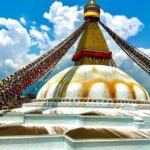
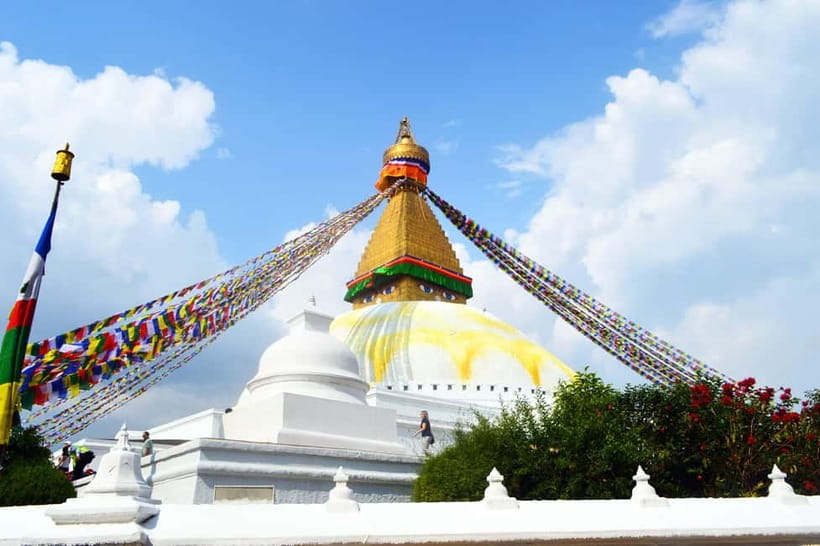
After the viewpoints, the day shifts into calmer mode at Boudhanath Stupa. This stop is guided for about one hour, and the focus is the grandeur of one of the world’s largest spherical stupas.
Boudha works because it’s not just about seeing the structure. It’s about the experience of being in a sacred space where people come to chant, pray, and spend time. You’ll notice prayer flags moving colorfully against the sky, and the overall mood tends to feel steady and focused rather than hurried.
I like Boudhanath as a “mental reset” in an otherwise packed day. You get a chance to step back from the intense ritual energy of Durbar Square and Pashupatinath and just sit in the repetition of devotion. If you’re the type who likes to absorb atmosphere, this is where the tour gives you breathing room.
Also, because the itinerary is short overall, Boudha is timed well: you’re not arriving here at the end when everyone’s worn out. Instead, it comes mid-day, when you can still appreciate the calm.
Pashupatinath Temple and Bagmati River Rituals
The final major stop is Pashupatinath Temple, guided for about one hour. This is the Hindu sanctuary on the Bagmati River where sacred rituals unfold, including cremation rites along the riverbank.
This is the part of the day that feels most serious. It’s not performed for visitors; it’s part of the religious and cultural fabric of the area. If you’re sensitive or uncomfortable around death rituals, this may be emotionally heavy. But if you’re traveling to understand faith and how communities honor life cycles, it’s also one of the most meaningful experiences in Kathmandu.
What I’d tell you directly: go with respect and a calm mindset. Keep your distance when needed, and follow your guide’s cues on where to stand or observe. Your guide is English-speaking, so you can ask what’s happening and why it matters, which can turn a difficult moment into an educational one instead of a confusing one.
The tour’s “one hour” here is enough to see the religious process and understand its context, but it won’t replace longer stays in the area. If your priority is Pashupatinath above everything else, you might plan an extra half-day another time to return at a slower pace.
Express Security and the Flow of a Packed Day
One small logistics win built into this tour is express security check, which can help you save time at stops that require screening. On a day that moves through multiple heritage sites, saving even ten or twenty minutes can keep your schedule from unraveling.
You also get bottled drinking water included, which is a quiet but real benefit. Kathmandu days can run hot or just feel draining depending on the season. Water keeps you from turning the day into a headache.
Still, the flow can feel tight. With four major sites and only six hours total, you’ll likely move at a guided pace rather than linger. If you’re the type who wants to spend extra time photographing details, plan to accept that you’ll have to choose your moments.
The Guide Factor: When the Stories Hit and When They Don’t
The tour includes an experienced English live guide, and that’s more important than it sounds. A guide doesn’t just translate names; they shape how you understand what you’re seeing—why certain buildings matter, what religious practices mean, and how to behave respectfully in active sacred areas.
One review note flagged that the experience can depend heavily on guide attitude and how fully the guide uses the day. I think that’s fair. If your guide is quiet or rushed, you might feel like you didn’t get the story behind the sites. If they’re talkative and willing to answer questions, the exact same itinerary can feel twice as valuable.
So here’s my practical advice: ask early. In the first hour, ask your guide what you should pay attention to at each site. Then check in again before Pashupatinath: ask how long the ritual process typically takes and what respectful viewing looks like. You’ll get more out of the day without needing more time.
What to Bring (and What to Wear) for Comfort
The tour lists a simple set of items to bring: passport, a camera, cash, and a daypack. I’d add one common-sense layer: pack cash for any monument entrance fees since they’re not included. You can also use cash for small water or snack purchases if you get hungry.
Wear comfortable shoes. Even without listing every step and slope, these are temple complexes and heritage areas, and they’re not designed like flat museum floors. Because the tour is not suitable for wheelchair users and people with mobility impairments, assume there will be some challenging surfaces.
If you’re bringing a camera, this is a day with plenty of angles. Durbar Square gives architecture shots, Swayambhunath gives skyline frames, Boudhanath provides a strong stupa perspective, and Pashupatinath gives you context that’s hard to replicate elsewhere.
Who This Tour Is Best For
This tour is a smart fit if you:
- Want four UNESCO World Heritage sites in one day without figuring out logistics
- Enjoy both architecture and living religious practice
- Prefer an English-speaking guide who can explain what you’re seeing
- Like a structured itinerary when time is limited
It’s less ideal if you:
- Need wheelchair-friendly routing or have mobility limitations
- Get overwhelmed by emotionally intense death-related rituals
- Want a slow, photo-heavy day at each site without time pressure
Should You Book This Kathmandu 4-Heritage Sites Tour?
I’d book it if you want a practical, guided route through Kathmandu’s most important spiritual and historic landmarks, especially for the price. The value is strongest when you plan for the two gaps: entrance fees and meals. If you go prepared, you can turn a short day into a real understanding of Kathmandu Valley.
I’d skip or at least rethink it if mobility is an issue, or if you know you’ll feel too uncomfortable with cremation rites. For many visitors, though, this is exactly the kind of day tour that gives context fast, so you know where to return later for slower exploring.
FAQ
How long is the Kathmandu 4-Heritage Sites Tour?
The tour duration is 6 hours.
Where are the pickup and drop-off locations?
Pickup is available from Thamel or Kathmandu, and drop-off is back in Kathmandu or Thamel.
Is this a private tour?
Yes, it’s listed as a private group tour.
Is a hotel pickup and drop-off included?
Yes. Hotel pick up and drop are included.
Are meals included?
No. Meals are not included.
Are entrance fees for the sites included?
No. Monuments entrance fees are not included, but an add-on may be available.
Is the tour suitable for wheelchair users or people with mobility impairments?
No. It’s listed as not suitable for people with mobility impairments and wheelchair users.
What should I bring for the tour?
The tour suggests bringing passport, camera, cash, and a daypack.