REVIEW · KATHMANDU
Kathmandu 2 Nights 3 Days Chitwan Jungle Safari Tour
Book on Viator →Operated by My Dream Adventure (MDA) · Bookable on Viator
Wildlife meets culture in 3 days. This Chitwan jungle safari tour pairs game-drive style jeep time with a canoe trip on the Rapti River, plus a Tharu village visit and dance. You’ll start early from Kathmandu (pickup included), spend 2 nights in Chitwan, and come back to Kathmandu by tourist bus.
I particularly like the practical mix of animal time and slower moments: a sharing jeep safari for big sightings, then a calmer river ride and a walking tour when the park feels quieter. The second big win is the cultural stop—your Tharu village visit and Tharu dance performance fit naturally into the day instead of feeling tacked on. One thing to consider: the overnight stay is 2-star level, so if you’re chasing luxury, you may feel underwhelmed by the comfort side.
In This Review
- Key highlights at a glance
- Day 1: Kathmandu to Chitwan, hotel check-in, and first river views
- Day 2: Jeep safari, a canoe on the Rapti River, and a forest walking tour
- Day 3: Morning nature time, chirping birds, and the return to Kathmandu
- What you’re likely to see: rhinos, crocodiles, birds, and tiger odds
- Tharu village tour and Tharu dance performance: culture with a purpose
- Hotels, meals, and the small-group vibe (max 15)
- Price reality check: is $190 worth it for what you get?
- Who should book this Chitwan safari tour?
- Should you book this Kathmandu to Chitwan tour?
- FAQ
- How long is the Chitwan tour from Kathmandu?
- What time does the tour start?
- Is pickup and drop-off included?
- How do you travel back to Kathmandu?
- What activities are included in Chitwan?
- Are national park entrance fees included?
- What kind of hotel is included for the overnight stay?
- How many people are in the group?
- What is the cancellation policy?
Key highlights at a glance
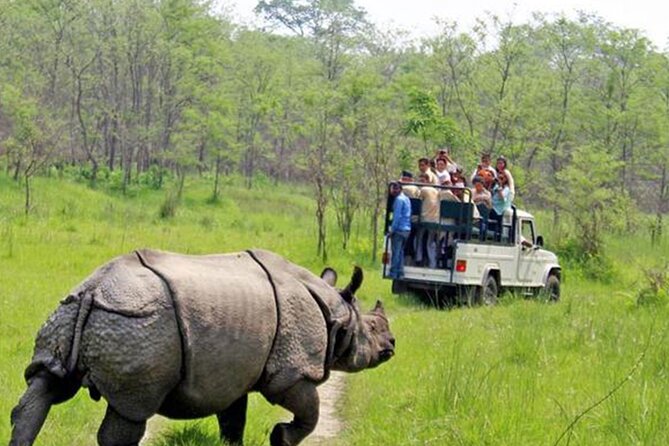
- Sharing jungle jeep safari in Chitwan National Park, with bird watching built into the day
- Rapti River canoe trip (about 40 minutes) for a different view of wildlife and scenery
- Forest walking tour that slows the pace and helps you spot birds and smaller animals
- Tharu village tour + Tharu dance performance for a direct look at local life and culture
- Max group size of 15 so you still get personal attention from your English guide
- Meals + park entrance fees included during your Chitwan stay, so you can budget cleanly
Day 1: Kathmandu to Chitwan, hotel check-in, and first river views
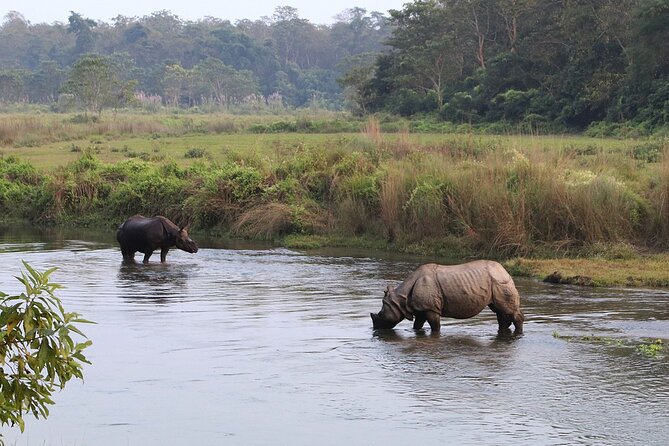
The tour starts at 6:30 am, with pickup and an included drive from Kathmandu to Chitwan. Right away, you’re trading city plans for a full-on nature schedule. That early start also helps you avoid losing the first day to slow timing—something you’ll feel when you compare this against shorter day-trips.
After you arrive, you check in to your 2-star level hotel and meet your guide for a quick overview. The schedule then moves toward the river area at the Narayani River, setting you up for that “arrived in Nepal’s jungle” mood before dark. Even if you don’t spot a mega-animal on day one, the river-and-jungle rhythm matters. It helps you get oriented fast.
Practical note: day 1 is listed at about 9 hours, so plan for a long travel day. Comfortable shoes and a daypack make the shift easier—especially if you’ll be stepping in and out for short viewing moments.
You can also read our reviews of more tours and experiences in Kathmandu
Day 2: Jeep safari, a canoe on the Rapti River, and a forest walking tour
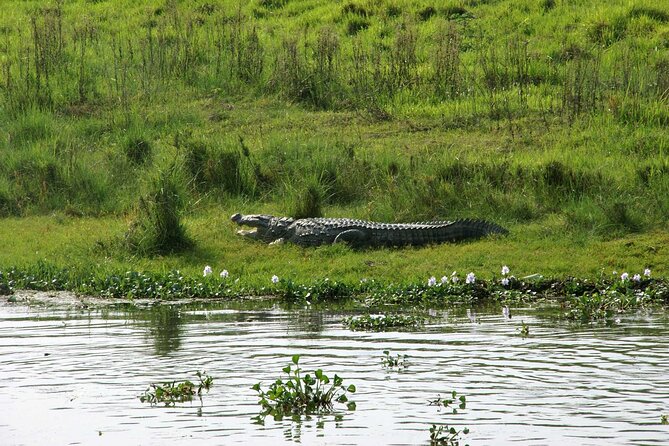
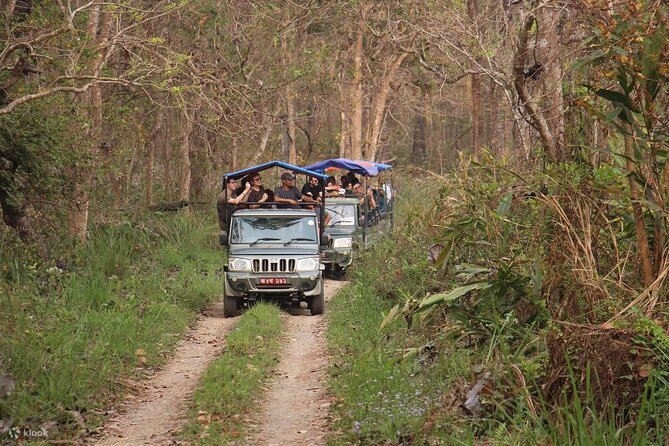
Day 2 is the main action day, roughly 7 hours. You’ll do a sharing jungle jeep safari in Chitwan National Park, guided in English, with bird watching included. Because it’s a shared safari, you’re not in a private vehicle with unlimited control over stops, but that trade-off usually keeps costs lower and still gives solid viewing time.
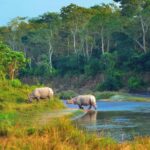
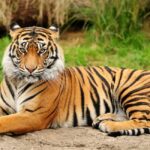
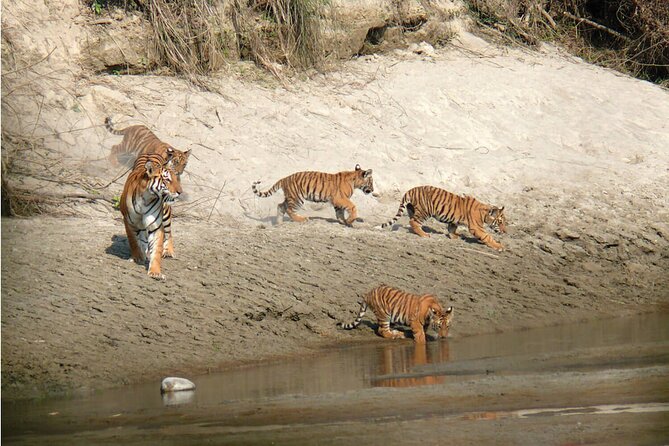
This is also where the big-wildlife story comes in. The park is known for species like the one-horned rhino and crocodiles, and you may hear about the elusive Bengal tiger as part of what the park protects. Real talk: wildlife spotting is never a guarantee, so the real value is that you’re putting yourself in the right habitat with experienced guidance, not just “hoping for the best.”
After the jeep time, you’ll take a 40-minute canoe trip in a canoe down the Rapti River. That’s a key rhythm change. Jeep safaris are about scanning quickly and moving with the action; a canoe ride slows your senses down. You’ll be watching from a different angle, and the pace is better for noticing birds and shoreline life.
Then the day wraps with a walking tour through lush forest areas. Walking time can be surprisingly useful because animals don’t only show up when a jeep stops. You’re more likely to spot birds, tracks, and small movement patterns when you slow down and look at what’s close by.
Day 3: Morning nature time, chirping birds, and the return to Kathmandu
Day 3 is shorter in the schedule sense—about 7 hours—but it still holds onto a nature focus. Your day starts with breakfast, and then the plan is to explore the nearby area to enjoy chirping birds and nature before heading back.
The return is by tourist bus to Kathmandu, and the tour ends after that. If you hate feeling rushed at the end of trips, this works well because you get a final morning outdoors rather than jumping straight back after a late night.
One small detail that helps set expectations: this final day includes less structured “big activity” time than day 2. It’s more of a gentle closeout—perfect if you want a calm landing after two days of safari effort.
What you’re likely to see: rhinos, crocodiles, birds, and tiger odds
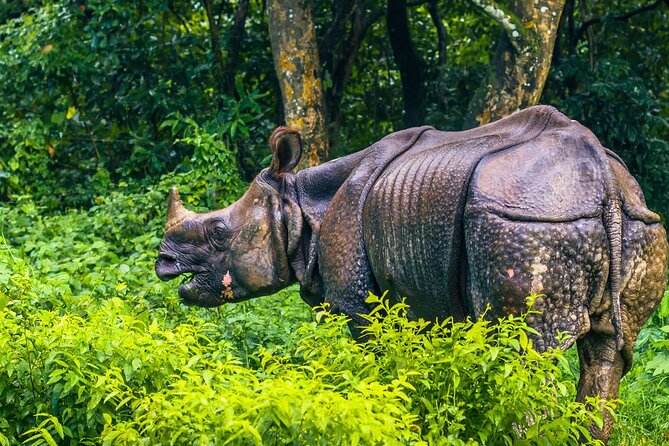
Chitwan National Park is the star here, and the tour is built around that fact. The experience is designed around wildlife viewing with a mix of viewing styles: jeep, river, and foot. That matters because wildlife doesn’t behave like a checklist.
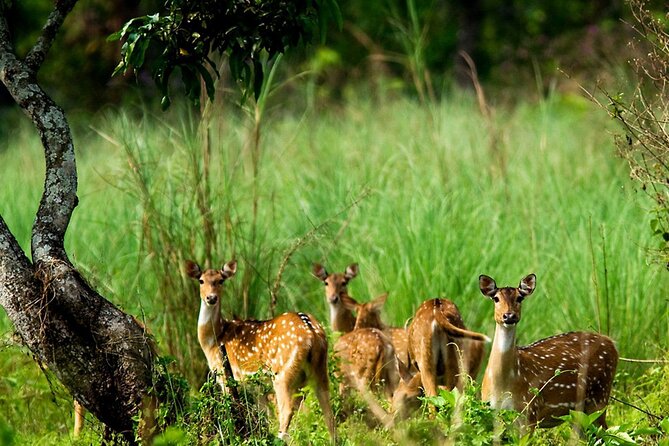
From the tour description, you can expect a chance to see iconic species such as one-horned rhinos, crocodiles, and a range of bird species, plus the hope of seeing a Bengal tiger. Some of the best moments come from the “in between” sightings—deer, smaller animals, and birds that show up while you’re waiting for the big stuff.
A smart way to enjoy this day is to treat the jeep safari and canoe trip as two separate wildlife tools. On the jeep, you’re scanning bigger movement and wider clearings. On the river, you’re watching the edges and the water-adapted life. On the walk, you’re looking for smaller signs and bird calls.
If seeing one specific animal is your top goal, keep expectations flexible. The tour’s real strength is that it gives you multiple chances across different habitats, with an English guide helping you read what you’re seeing.
Tharu village tour and Tharu dance performance: culture with a purpose
The Tharu village stop is what turns this from only a wildlife trip into something more rounded. You’ll visit a Tharu village as part of the cultural and historical village tour, and you’ll also catch a Tharu dance performance.
The value here is timing and context. You’re not watching dance as a standalone show. You’re seeing it as part of a community living in the broader Chitwan region—right after you’ve spent the day learning the park’s rhythms. It gives you a different angle on “how people and nature share space” in this part of Nepal.
This is also one of the stops that tends to feel memorable because it breaks up the physical intensity of safari days. When day 2 is all scanning and movement, the Tharu dance gives you a human-scale moment. It’s the kind of experience that helps you remember the trip as more than just animals in the distance.
You can also read our reviews of more tours and experiences in Kathmandu
Hotels, meals, and the small-group vibe (max 15)
This tour includes an overnight stay at a 2-star level hotel and includes all meals during your Chitwan stay. That’s a big practical benefit: you don’t have to keep figuring out where to eat between safari segments, and your day stays less chaotic.
Meals listed as included are: lunch (2), dinner (2), breakfast (2). In other words, you’re covered for the food windows that matter most on safari-heavy days.
Group size is capped at 15, which helps in two ways. First, it keeps coordination easier for the guide during jeep logistics and sightings. Second, it gives you a better chance to ask questions instead of getting swallowed by a crowd.
The main trade-off is that because it’s not a private tour, you may have to accept a standard pace and shared timing. That’s normal for Chitwan safari-style tours, and it often keeps the experience good value.
Price reality check: is $190 worth it for what you get?
At $190 per person, the price looks fair when you break it down against what’s included. You’re paying for a full 3-day package that covers:
- Hotel pickup and drop off
- Round-trip transfer by tourist bus
- 2 nights in a 2-star level hotel
- National park entrance fees
- Jeep safari + bird watching
- Canoe trip on the Rapti River
- Walking tour
- Tharu village tour + Tharu dance performance
- An English guide
- All meals during the Chitwan stay
On top of that, the tour notes group discounts and provides a mobile ticket, which can make last-minute organization easier.
Not included is normal stuff: personal expenses and gratitude (tips/gratuities). So you’ll still want to plan a bit of spending for drinks, snacks, or anything you want beyond the included meals.
One more budgeting point: park entrance fees and guiding are already in the bundle. That’s helpful because it reduces the “surprise costs” feeling that can hit with wildlife travel.
Who should book this Chitwan safari tour?
I think this tour fits best if you want a balanced Chitwan experience without doing the logistics yourself. It’s especially good for people who want:
- A wildlife-focused schedule with jeep + canoe + walking time
- A cultural stop that doesn’t feel rushed (Tharu village and dance)
- A small group with max 15 and an English guide
- Clear value: meals and park entrance fees included during Chitwan nights
If you want a super high-end hotel or a private safari with tailored pacing, this probably isn’t your match. Also, since the start time is 6:30 am and day 2 is active, you’ll do better if you’re okay with early mornings and a full itinerary.
Should you book this Kathmandu to Chitwan tour?
If your goal is a solid Chitwan jungle safari experience—jeep wildlife time, a canoe ride on the Rapti, a forest walk, and a real cultural stop—then this tour is an easy yes. The package is built around the parts that matter, and the inclusions (meals, park fees, guide, canoe, Tharu dance) help keep the trip feeling organized.
I’d only hesitate if you’re sensitive to basic lodging standards since the hotel is listed as 2-star level. If that’s fine with you, you’ll likely feel like your money goes where it should: time in the park, time on the water, and time with local culture.
If you want a safari-style itinerary that doesn’t require you to plan every turn, this one is a practical choice.
FAQ
How long is the Chitwan tour from Kathmandu?
The tour runs for about 3 days with 2 nights included.
What time does the tour start?
The tour start time is 6:30 am.
Is pickup and drop-off included?
Yes. Hotel pickup and drop off are included.
How do you travel back to Kathmandu?
After the Chitwan portion, you return to Kathmandu by tourist bus.
What activities are included in Chitwan?
The included activities are a jeep safari (with bird watching), a canoe trip, and a walking tour in the park, plus a cultural and historical village tour.
Are national park entrance fees included?
Yes. National park entrance fees are included.
What kind of hotel is included for the overnight stay?
The overnight stay is at a 2-star level hotel.
How many people are in the group?
The tour has a maximum of 15 travelers.
What is the cancellation policy?
You can cancel for a full refund up to 24 hours before the experience’s start time.