REVIEW · KATHMANDU
Annapurna Circuit Trek
Book on Viator →Operated by Glorious Himalaya Trekking Pvt. Ltd. · Bookable on Viator
Thorong La Pass is the headline. This private, customizable Annapurna Circuit trek stacks the big sights (Manang Valley and the Tibetan-influenced Mustang side toward Muktinath) with real logistics support, so you’re not wrestling planning on top of altitude. I particularly like the full-board trekking meals plus lodge-style accommodation, and I like that permits and area entrance fees are included. One consideration: this is built for moderate fitness, but the day crossing 5,416 m is still serious altitude—go slow, hydrate, and don’t treat it like a casual hike.
The 14 days also have a smart rhythm: a long approach drive, several walking days to build your legs, a Manang day that’s meant for acclimatization, and then the big pass day. If you want a guided trek where you can keep your own pace, the structure is there—just remember your body sets the timetable at altitude.
And about the price: at $1,150 per person, you’re paying for more than a route. You’re buying the guide, the permits, most meals, and multiple hotel transfers, which can add up fast if you plan it piece by piece yourself—especially in a place where details matter when weather turns.
In This Review
- Key things that matter on this Annapurna Circuit trek
- Annapurna Circuit: what 14 days really does to your schedule
- Price and value: $1,150 buys real support, not just a walking route
- Day 1 in Kathmandu: airport pickup and a real briefing
- The long Day 2 drive to Syange: the trek starts before the first step
- Days 3 to 5: walking days that mix effort and variety
- Day 3 to Dharapani (about 7 to 8 hours)
- Day 4 to Chame (about 6 hours)
- Day 5 into the trekking valley area near Paungda Danda (about 6 hours)
- Manang days (Days 6 to 8): the acclimatization hinge
- Day 6: reaching Manang via Upper Pisang (about 7 hours)
- Day 7: rest in Manang with short hike options (about 5 hours if you choose them)
- Day 8: continuing the climb (about 4 hours described)
- The pass day sequence: Thorong Phedi to Lhorang La Pass to Muktinath
- Day 9: to Thorang Phedi (about 4 hours, suspension bridge noted)
- Day 10: Lhorang La Pass at 5,416 m (long day, about 8 hours described)
- Day 11: bus/jeep ride from Muktinath to Pokhara (about 10 hours)
- Pokhara recovery (Days 11 to 12): use the time, don’t just pass through
- Kathmandu return: road option or a flight you pay extra for
- Lodges, meals, and what you’re paying for on the trail
- Guides and safety: what to watch for in communication
- Who should book this private Annapurna Circuit trek
- Should you book it?
- FAQ
- Where does this Annapurna Circuit trek start?
- How long is the trek?
- Is trekking food included?
- Are permits and area entrance fees included?
- What’s the highest point on this trek?
- Do I get a porter with the trek?
- Can I fly from Pokhara to Kathmandu instead of taking the bus?
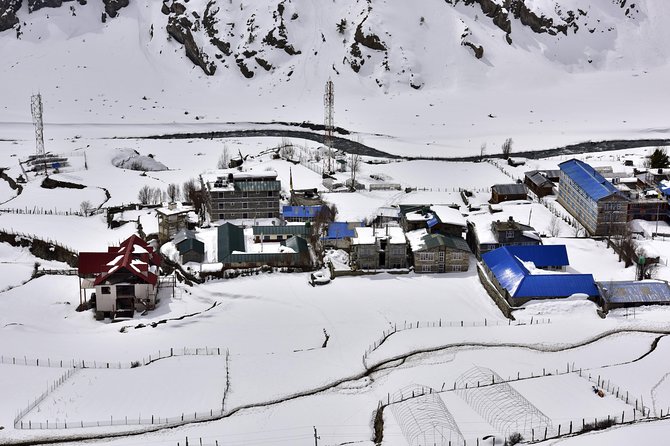
Key things that matter on this Annapurna Circuit trek
- Guide-led pacing with safety focus: one professional trekking guide is included, and the trek includes trekking permits plus entrance fees.
- Full board while trekking: breakfast, lunch, and dinner during trekking days (with tea/breakfast noted), so you’re not constantly searching for meals.
- Comfort stops that actually help: hotel stays in Pokhara and Kathmandu (4 nights total) make the hard days feel less punishing.
- Manang acclimatization built in: a rest day in Manang with optional hikes gives your body time to adjust before the pass.
- Thorong La altitude at 5,416 m: the itinerary plans the big crossing after a gradual climb, not on day one.
- No porter included: you’ll carry what you pack, since porter service is listed as not included.
Annapurna Circuit: what 14 days really does to your schedule
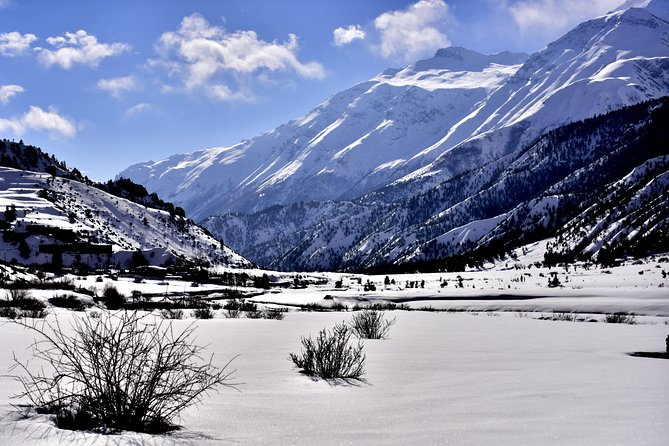
The Annapurna Circuit is popular for a reason: it’s one of those treks where every day adds a layer—bigger mountains, thinner air, and more “Nepal in the distance” than you expect. In a guided private setup like this, you get a route with defined travel legs and walking days, but you still control your pace. That matters on this trail, because the pass doesn’t care how confident you feel at breakfast.
A practical way to think about the days: you’re not just “hiking.” You’re also traveling between trailheads and larger towns with long drives. The trek includes big ground transfers early (Kathmandu to the route area) and later (Muktinath to Pokhara, then Pokhara to Kathmandu). So if your dream is to stay in motion from start to finish, you’ll like the flow—but don’t plan for a quiet, low-impact vacation.
Also, altitude is the main variable. You’ll climb in stages, and the itinerary includes a Manang day that functions as a buffer. That’s the right direction for comfort and safety, but it still means you should pack and behave like you’re on a high-altitude trek, not a scenic stroll.
You can also read our reviews of more hiking tours in Kathmandu
Price and value: $1,150 buys real support, not just a walking route
At $1,150 per person, the value here comes from what’s included:
- Guide (one professional trekking guide)
- Accommodation in lodges/tea houses while trekking (twin sharing)
- Full-board meals while trekking (breakfast, lunch, dinner)
- Permits and entrance fees
- Hotels in Pokhara and Kathmandu (2 nights each, breakfast included)
- Airport and hotel transfers by private vehicle
- Ground transport for longer legs (including tourist bus for Kathmandu to the route area and Pokhara back to Kathmandu, plus local bus/jeep from Muktinath to Pokhara)
If you were planning this yourself, you’d still spend money on permits, guide support, and the “always annoying” parts like figuring out who drives you where, how you manage luggage, and when to book beds. Here, that friction is removed. You’ll still need to make sensible choices—how much you carry, your pace, your hydration—but the baseline scaffolding is there.
What’s not included is also important for value:
- Tips to your guide/porter are not included (and porters are listed as not included).
- Mineral bottle water, charging, hot shower, and Wi‑Fi during the trek are not included.
- Lunch and dinner in Kathmandu and Pokhara hotel stay are not included.
So budget smart. You’ll likely spend some extra money on the “small stuff” once you’re off the trekking segment, and you’ll want a plan for water and charging where available.
Day 1 in Kathmandu: airport pickup and a real briefing
Your trek starts at Tribhuvan Airport in Kathmandu. An office representative meets you at the airport and transfers you to your hotel by private vehicle. After rest, your guide gives you a short briefing on Annapurna Circuit trekking.
Why this matters: trekking in Nepal is not only about the trail. It’s also about how you prepare your body and your gear for altitude and multi-day hiking. A pre-trek briefing helps you avoid common mistakes like moving too fast at the start, packing the wrong layers, or misunderstanding what’s included in meals.
You’ll have hotel time too. That’s not a luxury on a high trek; it’s how you arrive rested enough to handle the first long travel day.
The long Day 2 drive to Syange: the trek starts before the first step
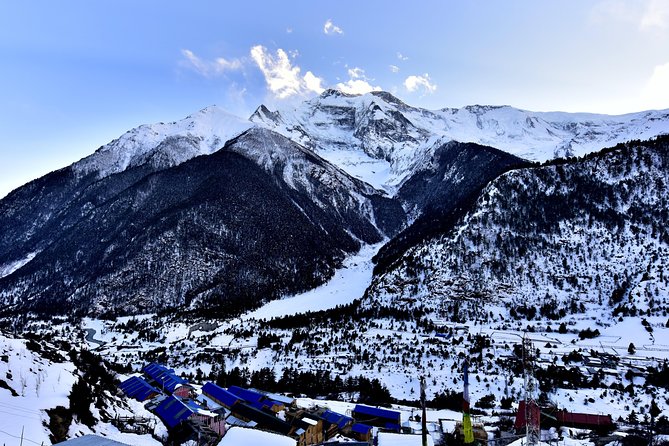
Day 2 is an 8 to 9 hour drive to Syange after breakfast. That sounds like a lot—because it is—but it sets up the walking portion without you needing to scramble logistics.
If you’re the type who gets restless in transit: expect this day to feel long. But it also means you’ll be “on route” early, and the trek becomes about walking steadily rather than constantly re-routing.
A tip for your mindset: treat this as Day 0 for your legs. Move a little during stops, and keep water intake steady.
Days 3 to 5: walking days that mix effort and variety
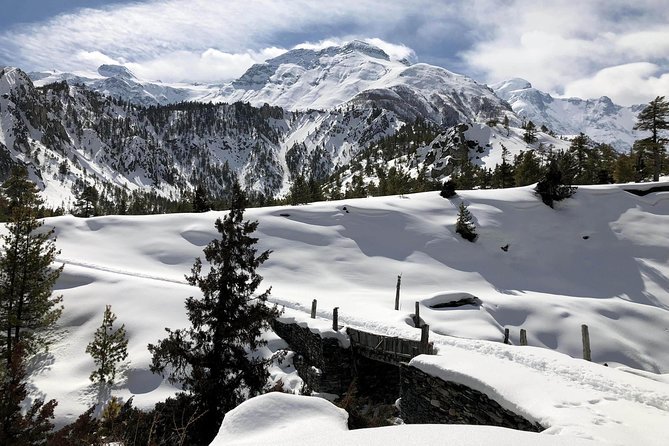
Day 3 to Dharapani (about 7 to 8 hours)
You head into the trail from Syange, and the hike is described as around 7 to 8 hours to Dharapani, including crossing a bridge. This is the kind of day that helps you set a rhythm: not just steep climbing, but sustained walking.
What to watch: bridge crossings and narrow trail segments can make footing feel more demanding. When you’re at the start of the trek, it’s tempting to “walk like normal.” Instead, keep it steady, keep breathing controlled, and let your legs get used to carrying forward weight for hours.
Day 4 to Chame (about 6 hours)
Today you walk through steep ridges, green woods, and some areas with landslides noted. That combination is typical of the Circuit: views get better, but you also hike through real terrain that changes with storms and seasons.
Practical takeaway: on a day like this, your best strategy is quiet focus. Keep your eyes on the trail, especially in landslide-prone sections. The view will wait.
Day 5 into the trekking valley area near Paungda Danda (about 6 hours)
The route is described as a valley that needs caution because it’s narrow and steep, and you’ll see a curved rock rising up to 1500 m at Paungda Danda. The scenery detail here is a gift: it gives you something to look at besides just your feet.
This is also where a guide earns their keep. On narrow, steep paths, knowing how to place your steps is part of staying safe—especially when tiredness starts to talk back.
Manang days (Days 6 to 8): the acclimatization hinge
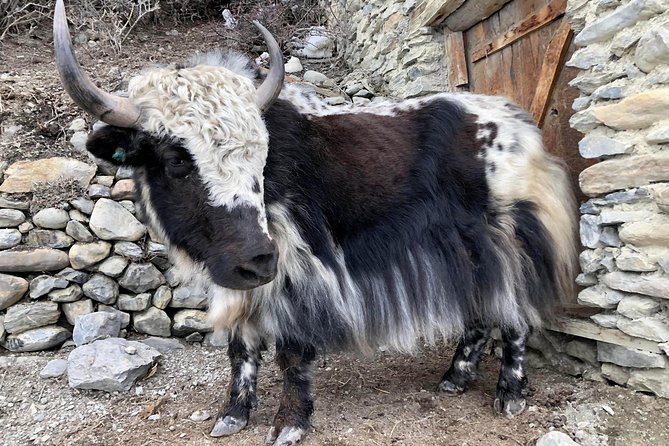
Day 6: reaching Manang via Upper Pisang (about 7 hours)
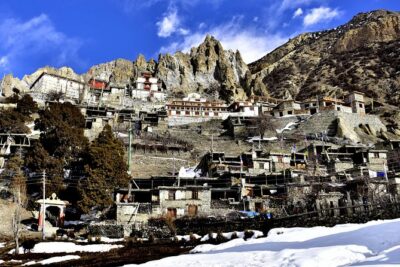
You reach Manang after about 7 hours walking, with mention of Upper Pisang and the Thorong La Pass area in the description. Even if you’re not at the pass yet, this day signals a shift: the trail climbs, the air feels different, and the trek starts moving toward the high point.
Day 7: rest in Manang with short hike options (about 5 hours if you choose them)
This is your built-in breathing space. You stay in Manang and can roam with short hikes, including options like Bonjo Gumba or Gangapurna Lake. There’s also mention of another higher option (text is cut off), but the point is clear: you’re given choices, not forced marches.
Why this day is gold: altitude treks work best when you build acclimatization into your schedule. A rest day lets you recover from the climb already done and reduces the urge to “push ahead” just because the route looks climbable.
Day 8: continuing the climb (about 4 hours described)
The plan continues ascending, with details like passing Tenki village and traveling through the Marshyangdi Valley northwestern of Jharsang Khola, plus stream and juniper-tree scenery. There’s also mention of passing or moving through Ghunsa Village area.
You’re still moving, but it’s not the type of day that forces a sprint. It’s a setup day for the staging area before the pass.
The pass day sequence: Thorong Phedi to Lhorang La Pass to Muktinath
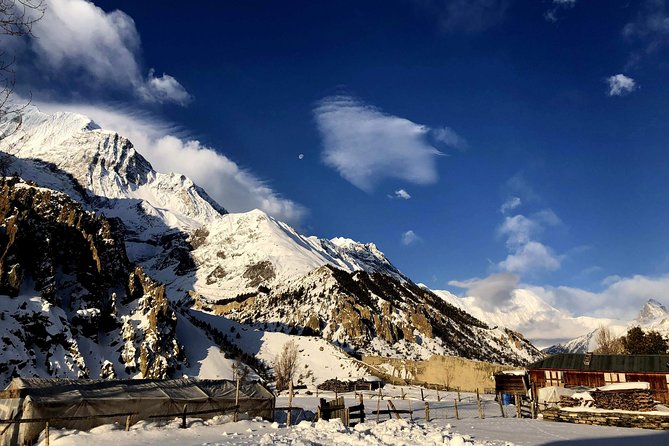
Day 9: to Thorang Phedi (about 4 hours, suspension bridge noted)
Wake up, breakfast, and then ascend to Thorang Phedi (about 4 hours in the plan). The route includes a suspension bridge to reach Lather Village, then continues through cliffs toward the Thorang area.
This matters because your pass day starts much earlier in your head than it starts on the trail. Getting to the right staging spot the night before helps you sleep better and plan your morning.
Day 10: Lhorang La Pass at 5,416 m (long day, about 8 hours described)
Today is your high-altitude challenge: crossing Lhorang La Pass at 5,416 m and heading to the Western side toward Muktinath Temple.
This is the day to take seriously. Even with a guide, you control how fast you go. Your goals should be:
- steady pace, no hero moments
- frequent small sips of water
- layers adjusted so you don’t overheat or freeze
Also, the day is described as about 8 hours, which can feel longer at altitude. After the pass, you’ll drop toward Muktinath, but your body still needs recovery.
Day 11: bus/jeep ride from Muktinath to Pokhara (about 10 hours)
Instead of more hiking, the itinerary switches to travel: about 10 hours by bus/jeep to Pokhara city. Your trek ends, and your legs finally get a break.
It’s also why those Pokhara hotel nights are included. Without them, you’d be stuck in “limbo travel fatigue.”
Pokhara recovery (Days 11 to 12): use the time, don’t just pass through
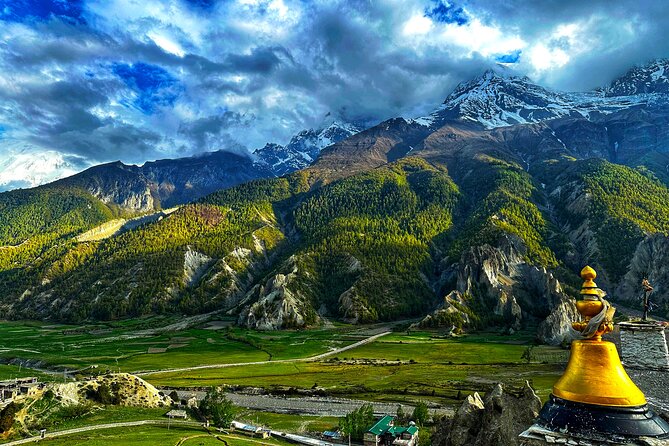
Day 12 is a rest day in Pokhara and you can explore the Pokhara Valley on your own. That’s the right use of downtime: eat something satisfying, hydrate, and enjoy being back in thicker air.
This is also where you can balance your photos with reality. The Circuit gives you mountains that can steal your focus for days. In Pokhara, you get the chance to enjoy lakeside calm and plain old normal-paced strolling.
Kathmandu return: road option or a flight you pay extra for
Day 13 brings the transfer to Kathmandu. You can take a tourist bus drive (about 7 hours) or choose a flight from Pokhara to Kathmandu for extra cost, then you transfer to the hotel with breakfast included.
This gives you control depending on your energy. If your legs are still feeling the pass day, the flight option can reduce the “one more travel grind” effect. If you’re feeling okay, the bus is a straightforward way to save money and watch the scenery change between valleys.
Day 14 is departure day. You’ll be dropped to the international airport for your flight home.
Lodges, meals, and what you’re paying for on the trail
This trek uses lodges/tea houses during the hiking segment, with twin sharing accommodation included. Meals are listed as full board while trekking: breakfast, lunch, and dinner (with tea/breakfast referenced in the plan).
That’s a big deal for value and comfort. On high treks, it’s not just that food costs time—it’s that you want consistent meals at consistent times. Being on full-board removes that daily decision-making stress when your mind should be focused on acclimatization and walking.
Also pay attention to what’s not included:
- Hot shower during the trek is not included.
- Charging and Wi‑Fi are not included.
- Alcohol is not included.
- Water is called out as not included through mineral bottles.
So pack like an independent trekker, even though you’re not planning the route yourself. Bring layers you can dry slowly, a system for water, and a plan for charging in towns.
One more gear note: if you need them, they may provide a company duffel bag and sleeping bag to use during the trek. That can be a helpful cost-saver if you’re coming from abroad.
Guides and safety: what to watch for in communication
You’ll have one professional trekking guide included, plus first aid medicine carried by the local guide.
In a trek like this, your guide isn’t just “someone who knows the trail.” They’re the person who can help you interpret conditions, manage pacing, and make sure you’re not rushing into the pass day too hard. This itinerary explicitly includes trekking permits and area entrance fees, which also reduces the risk of delays.
A small consideration: there’s feedback that staff and guides may need extra training. That doesn’t mean the trek is unsafe, but it does mean you should be proactive. On day one, ask how they handle pacing, altitude symptoms, and changes in weather. If you want a customized pace, say that early.
Who should book this private Annapurna Circuit trek
This plan fits best if you:
- want private guidance (your group only participates)
- prefer a guided route where you can still go at your own pace
- appreciate that permits, entrance fees, and full-board trekking meals are handled
- want real comfort breaks with hotel stays in Pokhara and Kathmandu
It may not be ideal if you:
- need a trek with porter support (porter service is listed as not included)
- hate long travel days (Day 2 drive and Day 11 travel are substantial)
- want guaranteed luxury creature comforts (hot showers and charging are not included during the trek)
You should also be comfortable with moderate physical fitness requirements—because while the itinerary is structured for a gradual climb, the pass at 5,416 m is not something to treat casually.
Should you book it?
If you want the Annapurna Circuit experience without the stress of piecing together permits, guides, meals, and transfers, this is a strong booking choice. The value is in the package: guide + permits + full-board meals while trekking + lodge stays + hotel nights in Pokhara and Kathmandu, all with transfers lined up.
I’d book it if your biggest priority is less planning friction and a clear path to the pass with acclimatization built in. I’d think twice if you’re relying on porter service or if long road segments will drain you.
If you decide to go, your best move is simple: come with realistic expectations for the pass day, pack for cold nights, and be vocal about your pace from the start.
FAQ
Where does this Annapurna Circuit trek start?
It starts at Tribhuvan Airport in Kathmandu, Nepal, where an office representative meets you and transfers you to your hotel.
How long is the trek?
The duration is about 14 days.
Is trekking food included?
Yes. The trek includes full board while trekking, with breakfast, lunch, and dinner during the trekking segment.
Are permits and area entrance fees included?
Yes. Essential trekking permits and area entrance fees are included.
What’s the highest point on this trek?
The itinerary lists Lhorang La Pass at 5,416 m.
Do I get a porter with the trek?
No. A porter is listed as not included.
Can I fly from Pokhara to Kathmandu instead of taking the bus?
Yes. You can take a tourist bus (about 7 hours) or choose a flight from Pokhara to Kathmandu for an extra charge.