Kathmandu can feel overwhelming, so this 5 UNESCO World Heritage Sites route gives you a tight, organized hit of what matters most. I like the mix of Hindu and Buddhist landmarks in one day, starting at Swyambhu (Monkey temple) and ending around the Durbar Square area. One catch to plan around: monument entrance fees are not included, and lunch isn’t either.
You’ll move between major pilgrimage and royal-site spaces—Swayambhunath’s hilltop stupa views, Patan’s Newari temple clusters, Bouddhanath’s massive stupa, Pashupatinath on the Bagmati River, and Kathmandu Durbar Square with the Kumari Temple. It’s structured enough to feel smooth, but short enough that you’ll want to treat each stop as a focused tour of key sights, not a slow day of wandering.
In This Review
- Key Highlights You’ll Actually Feel in Your Day
- What You Get for $40 (And What You Should Budget Too)
- The Route Logic: How Kathmandu Valley Sites Fit Together
- Swayambhunath Mahachaitya: Hilltop Views and the Hindu-Buddhism Mix
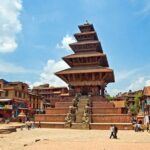
- Patan Durbar Square: Newari Temple Clusters in One Concentrated Block
- Bouddhanath Stupa: The Big Dome and the Buddhist Pyramid Top
- Pashupatinath Temple: Riverfront Pilgrimage Energy at Bagmati
- Kathmandu Durbar Square and the Kumari Temple: Royal-Site Atmosphere Close to the City
- Timing, Tickets, and Money: How to Avoid the End-of-Day Surprise
- Group Size and Pickup: Why This Feels Organized Instead of Chaotic
- Who Should Book This Tour (And Who Might Want to Go Slower)
- Should You Book Full Day Kathmandu Tour – 5 UNESCO World Heritage Sites?
- FAQ
- Which five UNESCO sites are included on this tour?
- How long is the Kathmandu Valley tour?
- What time does the tour start?
- Does the tour include pickup?
- What is included in the price?
- Are monument entrance fees included?
- Is lunch provided?
- Do I need to bring paper tickets?
- What if the weather is bad?
Key Highlights You’ll Actually Feel in Your Day
- Five UNESCO World Heritage Sites across Kathmandu Valley, stitched into a single itinerary you can finish in one go
- Guides with real city context (names that come up often include Ram, Shiva, Ramesh, Ajit, and Ganesh) and clear explanations at each stop
- Fast, timed sightseeing blocks (about 30 minutes at several key sites) so you see more without frying your schedule
- Big contrasts in sacred space: stupa hilltop spirituality, riverfront Hindu pilgrimage, and the tightly packed temple architecture of Durbar Squares
- Local snack energy around Durbar Square areas, including chances for momo and lassi when your guide builds in nearby stops
What You Get for $40 (And What You Should Budget Too)
At $40 for a full-day, you’re mainly paying for two things: private transportation and an experienced guide who keeps the day flowing. That’s the value. Seeing five UNESCO sites on your own would likely turn into a taxi-and-timing headache, especially if you want fewer detours and more “what am I looking at?” moments.
The other cost to respect is the one the tour doesn’t cover: monument entrance fees (worth around $30 USD). Also, lunch isn’t included, so your day needs a plan for food and drinks between stops. This is why the tour makes sense for people who want a guided sweep of Kathmandu’s must-sees, not a fully packaged food tour.
Duration is listed as about 4 to 6 hours, starting at 9:15 am. Several stops are allocated around 30 minutes each (notably Bouddhanath, Patan Durbar Square, Swayambhu, and Kathmandu Durbar Square). That timing matters: it keeps the day efficient, but it also means you should go in ready to skim the highlights rather than linger forever.
You can also read our reviews of more historical tours in Kathmandu

The Route Logic: How Kathmandu Valley Sites Fit Together
This kind of Kathmandu Valley day tour works because it follows a smart emotional sequence. You start at Swayambhunath (Swyambhu Mahachaitya), the famous hilltop stupa nicknamed Monkey temple. From there, you shift to Patan Durbar Square, where the city’s royal-temple architecture feels dense and intentional. Next, you visit Bouddhanath Stupa, one of the best-known big Buddhist monuments in the valley. Then you move into the Hindu pilgrimage atmosphere at Pashupatinath Temple on the Bagmati River. Finally, you end in the Durbar Square zone at Kathmandu Durbar Square, which includes the Kumari Temple.
Even if you don’t obsess over dates and dynasties, this order gives you a clear comparison of sacred styles: stupa worship, palace-temple blocks, giant-domed Buddhism, and riverfront Hindu devotion.
Swayambhunath Mahachaitya: Hilltop Views and the Hindu-Buddhism Mix
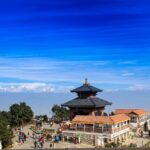
Swayambhunath is one of Nepal’s holiest Buddhist chaityas, and it’s also known for the way it blends traditions. The stupa area is famous as a spiritual meeting point for both Hinduism and Buddhism, so it’s not “one religion, one vibe.” It’s more like two layers of Kathmandu spirituality stacked on the same hill.
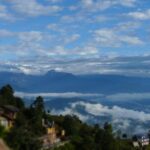
Expect a hilltop experience. That matters because you’ll feel the physical reality of the location as much as the spiritual one. Even with a short stop (about 30 minutes is scheduled for this portion), the elevation gives you a stronger sense of place—this is Kathmandu Valley seen from above, with the city rising around sacred structures.
If you like symbolism, the legends tied to the stupa are part of the story: it’s said to have evolved spontaneously when the valley was created out of a primordial lake more than 2,000 years ago. Whether you treat that as history or myth, it helps you read why Swayambhunath carries so much weight.
Practical tip: use your guide’s first minutes to understand what you’re seeing. In a time-boxed visit, that first orientation saves you from walking in circles.
Patan Durbar Square: Newari Temple Clusters in One Concentrated Block
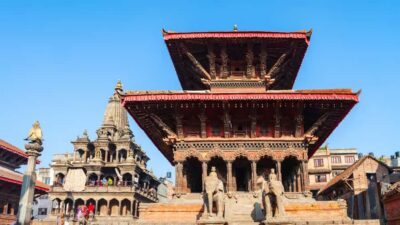
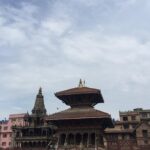
Patan Durbar Square is the royal palace area of Patan, and the big visual point is its concentrated mass of Newari temple architecture. This is where Kathmandu’s artistic identity gets legible fast. Instead of one monument you photograph and move on, Patan rewards you with a whole set of temples packed into a smaller space.
The stop is scheduled at about 30 minutes, which is enough to get your bearings and notice the architecture style, but not enough for an ultra-slow read. If you’re the kind of person who loves details, prioritize what you’ll look for: doorway shapes, temple layering, and the overall rhythm created by dense construction.
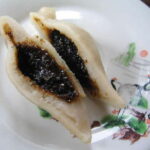
One of the best things about this part of the day is that it’s a natural place to grab local food. In past experiences connected with this tour, people have described enjoying authentic momo around the Patan Durbar Square area. If you want a lunch-adjacent break, this stop is the most logical moment to ask your guide about nearby options that are convenient for the next hop.
Bouddhanath Stupa: The Big Dome and the Buddhist Pyramid Top
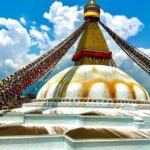
Bouddhanath Stupa is said to date back around the 14th century, and it’s famous for its huge dome shape. The story tied to it is that it was created just after the passing of Buddha. Again, you can treat that as tradition, but it explains why people travel to this site like it’s a spiritual anchor.
What you’ll actually notice on-site is the scale: the stupa’s massive dome feels like the main character in the space. The description also notes a Buddhist pyramid positioned on top of its dome, which helps you spot the structure’s key elements even when you’re only there for a short window.
This stop is allotted about 30 minutes, and admission is not included. That’s fine here. Bouddhanath is one of those places where your first look does most of the work. The longer you stay, the more you notice small variations in surrounding worship activity, but the essentials are visible quickly.
If you’re someone who gets tired from too much walking early in the day, Bouddhanath is a good mid-route reset. You can focus on the stupa itself rather than trying to squeeze in multiple sites at once.
You can also read our reviews of more tours and experiences in Kathmandu
Pashupatinath Temple: Riverfront Pilgrimage Energy at Bagmati
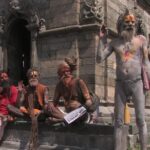
Pashupatinath is Nepal’s major Hindu pilgrimage site and is known as the seat of Nepal’s national deity. It’s located on the bank of the Bagmati River, and the temple complex is described as a sprawling collection.
This is the stop where the tone shifts. If the stupa sites feel like structured spirituality, Pashupatinath brings a different kind of intensity—more daily-life rhythm mixed with pilgrimage importance. Even if your time here is shorter than you’d like (the schedule details are less specific in what you’re given), it’s enough to understand what kind of sacred place it is.
Here’s what to keep in mind: Pashupatinath is not just a single building. It’s a complex. That means you’ll want to listen for your guide’s pointers so you don’t treat it like one photo stop. Ask what area matters most for a quick orientation, then follow that plan.
Also note the temple’s identity as Hindu and pilgrimage-focused. If you’re expecting “only Buddhism” in this part of Kathmandu, your guide will help you recalibrate quickly.
Kathmandu Durbar Square and the Kumari Temple: Royal-Site Atmosphere Close to the City
Kathmandu Durbar Square is a palace-area complex where you can feel the legacy of royal power fused with sacred space. This is one of the UNESCO sites that makes Kathmandu feel like a city built out of monuments rather than around them.
A key included highlight here is the Kumari Temple. That gives the stop a specific cultural target rather than only generic Durbar Square sightseeing. The visit time is listed at about 30 minutes and admission is not included, which means this is another “hit the highlight, then move” moment.
This part of the day also has a practical advantage: it’s one of the best places to connect sightseeing with real city life. In experiences tied to this route, people have talked about guides steering them toward local food streets and quick snack breaks when time allows. One example mentioned is being taken to Freak Street for local food, plus an evening-style stop for lassi at Indra Chowk around the Durbar Square area. You don’t have to treat this as guaranteed, but it’s a smart thing to ask your guide about since the tour concentrates you in the right neighborhood.
Timing, Tickets, and Money: How to Avoid the End-of-Day Surprise
A smooth day is mostly planning. Here’s what you should budget and plan for based on the provided tour details:
- Transport + guide are included (private transportation and an experienced tour guide)
- Lunch isn’t included, so plan a meal window or snack breaks
- Entrance fees for monuments are not included (worth around $30 USD)
- Several stops are about 30 minutes, so bring energy for a fast pace
There’s also a weather dependency. The experience notes that it requires good weather. If the tour is canceled because of poor weather, you’ll be offered a different date or a full refund. That matters because Kathmandu traffic and schedules get tricky when plans change.
Finally, tickets are handled with a mobile ticket, which reduces the hassle of carrying paper. You’ll still want to have your phone charged and ready.
Group Size and Pickup: Why This Feels Organized Instead of Chaotic
You’re traveling with a maximum group size of 15 travelers. That number is important because it usually means you can hear your guide without a megaphone and you won’t feel like you’re stuck behind a wall of people at each stop.
Pickup is also offered, which is usually a big deal in Kathmandu. Waiting around to find the meeting point and coordinate taxis is where a half-day trip can go sideways. With pickup and private transportation, the tour keeps the day moving between distant sites.
This is the kind of setup that works especially well when you’re short on time in Kathmandu Valley but still want the UNESCO stamps.
Who Should Book This Tour (And Who Might Want to Go Slower)
This tour is a strong fit if you:
- Want to see five UNESCO World Heritage Sites in one day without doing logistics yourself
- Enjoy guided context at sacred sites (Swayambhunath’s symbolism, Patan’s Newari architecture, Bouddhanath’s stupa structure, Pashupatinath’s riverfront pilgrimage role, and the Kumari Temple connection)
- Like a structured day plan with stops around 30 minutes for several key locations
It may not be the best fit if you:
- Plan to spend hours at a single site, because this itinerary is designed for breadth
- Want meals and entrance fees fully handled, since lunch and entrance fees aren’t included
- Are expecting a slow, photo-only pacing with no movement between neighborhoods
Should You Book Full Day Kathmandu Tour – 5 UNESCO World Heritage Sites?
If your goal is a smart first visit to Kathmandu Valley, this is a practical choice. For roughly $40, you get guided transport across the big hitters of the valley’s UNESCO list, with timed stops that keep your day from stretching into a tired blur. The two things that make it particularly worth it are the Hindu-Buddhist mix and the way the route moves you from stupa hilltop spirituality to palace-temple architecture and riverfront pilgrimage.
Just go in with the two budget realities: plan for monument entrance fees (around $30 USD) and arrange lunch. If you want a single-day overview that still feels guided and meaningful, this one delivers.
If you’d like, tell me your travel dates and whether you prefer slower photo time or tighter sightseeing, and I’ll suggest how to structure meals and breaks around these stops.
FAQ
Which five UNESCO sites are included on this tour?
You’ll visit Swyambhunath (Swayambhu Mahachaitya), Bouddhanath Stupa, Pashupatinath Temple, Patan Durbar Square, and Kathmandu Durbar Square (including the Kumari Temple).
How long is the Kathmandu Valley tour?
The duration is listed as about 4 to 6 hours.
What time does the tour start?
The start time is 9:15 am.
Does the tour include pickup?
Yes, pickup is offered.
What is included in the price?
The tour includes private transportation and an experienced tour guide.
Are monument entrance fees included?
No. Monuments entrance fees worth about $30 USD are not included.
Is lunch provided?
No. Lunch is not included.
Do I need to bring paper tickets?
The tour uses a mobile ticket, so you’ll receive tickets that can be used on your phone.
What if the weather is bad?
The experience requires good weather. If it’s canceled due to poor weather, you’ll be offered a different date or a full refund.