REVIEW · KATHMANDU
Kathmandu: Private Patan and Bhaktapur Sightseeing Tour
Book on GetYourGuide →Operated by Breakfree Adventures Pvt. Ltd. · Bookable on GetYourGuide
Two UNESCO squares in one smooth day. That’s the charm of this Patan + Bhaktapur sightseeing outing: you bounce between two former kingdoms and get a clear look at the Malla-era artistry and the city styles that still feel medieval. With a live guide in English and hotel pickup included, it’s the kind of plan that helps you see more without running on fumes.
I especially like the way Patan Durbar Square acts like an open-air museum, with palaces, Hindu temples, and courtyards where the details matter. I also love the contrast with Bhaktapur Durbar Square, where you hit the major landmarks by name, from Nyathapole Temple to the Golden Gate and the 55 Window Palace. Guides like Shankar Bhattarai and Dishee stand out in the reviews for giving clear context, and for adjusting the pacing to your interests.
One consideration: entrance fees and food are not included, so you’ll want cash on hand in Nepalese rupees. Also, this is a walking-and-stairs type of tour, so comfortable shoes aren’t optional.
In This Review
- Key Highlights You’ll Actually Feel
- Patan and Bhaktapur in 6 Hours: How This Day Plan Works
- Patan Durbar Square: Malla-Era Craft You Can See Up Close
- Inside the Courtyards: Why Patan Feels Like a Living Layout
- Bhaktapur Durbar Square: Nyathapole, Golden Gate, and the 55 Window Palace
- How Your Guide Changes the Whole Experience
- Price and Value for a Private UNESCO Day Trip
- What to Bring (and What to Plan For) on Old-Stone Walking Days
- Best Fit: Who Will Enjoy Patan and Bhaktapur the Most
- Should You Book This Tour?
- FAQ
- How long is the Kathmandu: Private Patan and Bhaktapur Sightseeing Tour?
- Where does the tour take place?
- What is the price?
- Is hotel pickup and drop-off included?
- Is the tour private?
- What’s included in the price?
- What is not included?
- What language is the guide?
- Do I need cash for anything?
- Does the tour help with ticket lines?
Key Highlights You’ll Actually Feel
- Two UNESCO World Heritage Sites in a single 6-hour circuit, with a guide to connect the dots
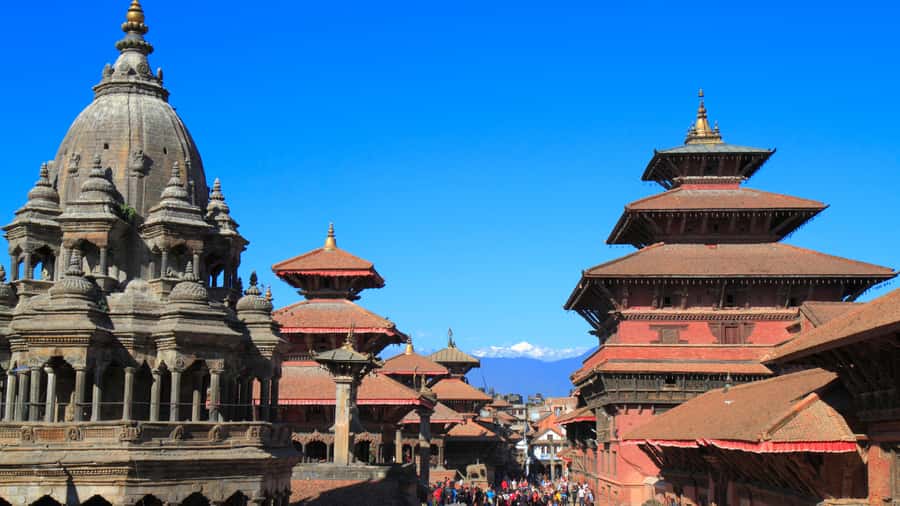
- Patan Durbar Square as the main draw: palaces, Hindu temples, courtyards, and a museum
- Bhaktapur Durbar Square landmarks like Nyathapole Temple, Golden Gate, and the 55 Window Palace
- A museum stop in Bhaktapur focused on art and artifacts, not just photos and signage
- Private vehicle + hotel pickup/drop-off, so you’re not losing time figuring out transit
- Skip-the-ticket-line convenience, plus a guide who keeps things moving
Patan and Bhaktapur in 6 Hours: How This Day Plan Works
This tour is built around two compact power centers: Patan and Bhaktapur. It runs about 6 hours, with hotel pickup and drop-off in Kathmandu and transport in a private vehicle. Bhaktapur is around 12 km from Kathmandu city, so you’re not stuck on a long commute that eats your sightseeing time.
The goal here is quality over scatter. You’re not sprinting through a checklist of random stops; you’re spending focused time in the historic squares where most of the architecture, temples, and courtly buildings are concentrated. And because there’s a live guide, you get context while you’re looking, not after you’ve already walked past the most interesting parts.
A small but meaningful convenience: you can skip the ticket line. Entrance fees aren’t included, but skipping the line saves energy for the parts you actually came for—stone carvings, building details, and the stories behind them.
You can also read our reviews of more private tours in Kathmandu
Patan Durbar Square: Malla-Era Craft You Can See Up Close
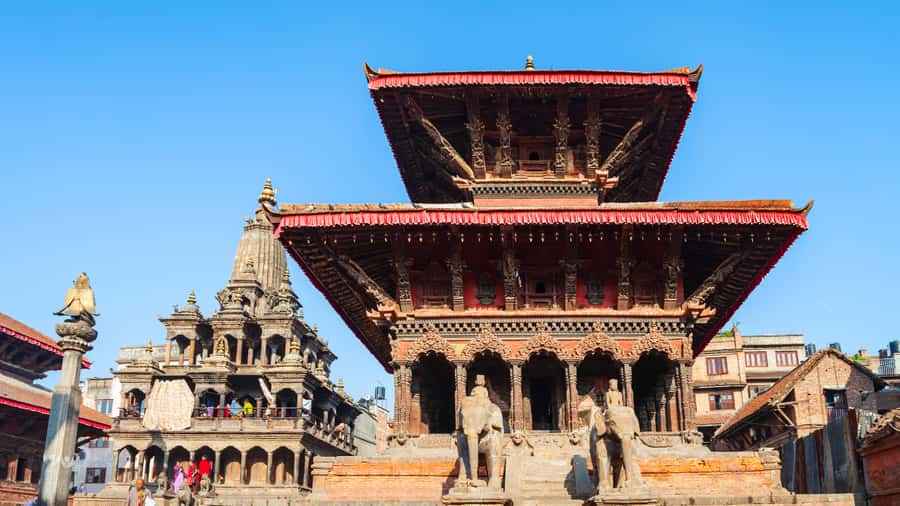
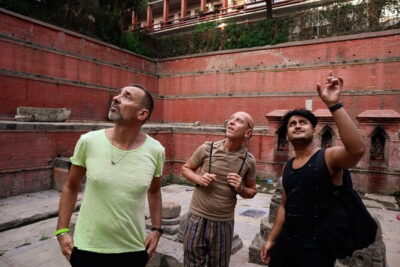
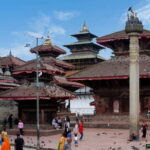
Patan Durbar Square is the big anchor in the morning (or first half) of the tour. It’s the main attraction, and it’s the kind of place where the “main sights” aren’t just one building. Instead, it’s a cluster: a museum, palaces, Hindu temples, and ancient courtyards all packed into the square.
Here’s what I’d watch for when you’re there: the intricately carved facades and the ornate decorations. In plain terms, this is where the Malla kings’ influence becomes visible in stone. You’ll often get more from slowing down for five minutes to look closely than you do from trying to cover everything at full speed.
The museum element matters too. Without it, you might treat the square like a pretty backdrop. With it, you can connect what you’re seeing—especially the religious and royal themes—to objects and historical framing that help the whole place click.
Also keep an eye out for rebuilding and restoration work. One of the recurring points in the reviews is that earthquake restoration efforts are inspiring to see, because you can spot craftsmanship and continuity rather than only damage and loss. You’ll get a better feel for how traditions continue when the guide explains what you’re looking at as you go.
Practical tip: since entrance fees are not included, plan to pay at the site where required. The tour asks you to bring cash in Nepalese rupees, and that’s not a suggestion—entrance payments are often the friction point if you show up without the right currency.
Inside the Courtyards: Why Patan Feels Like a Living Layout
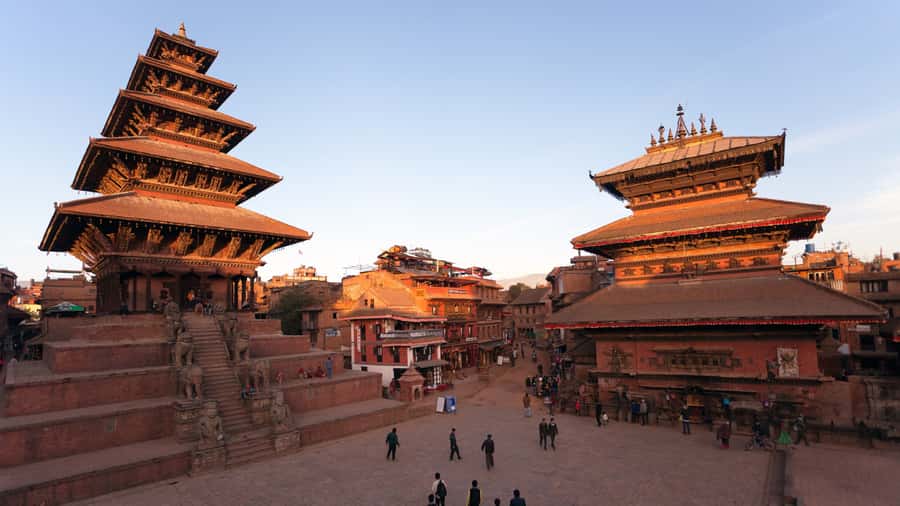
Patan isn’t only about big-ticket monuments. The medieval city approach shows up in the spaces between buildings—courtyards, shrines, and temple areas that make the square feel like a whole working environment, not a single photo spot.
This is where a private guide earns their keep. You’re not just listening to dates. You’re learning what each part was for and how the architecture supports the purpose—religious ceremony, royal display, or community gathering. With the right explanation, a courtyard stops being empty space and becomes a clue.
Even if your route is compact, you still get variety: palaces and temples sit side by side, and you’ll likely notice different styles and textures of stonework across structures. That’s one reason Patan works so well for first-time visitors: it teaches you how to read the city without needing a map the size of a poster.
One drawback to be aware of: this is an old-site setting. Expect uneven surfaces, steps, and tight spots where you’ll naturally slow down. If you’re the type who hates walking between viewpoints, you might need to lean into the guide’s pacing—tell them you want slightly less rushing.
Bhaktapur Durbar Square: Nyathapole, Golden Gate, and the 55 Window Palace
Then you head to Bhaktapur, a city known for holding onto a medieval feel. It’s often called the City of Devotees, and that vibe comes through in the way the Durbar Square area works: it feels structured around religious buildings and long-standing ceremonial space.
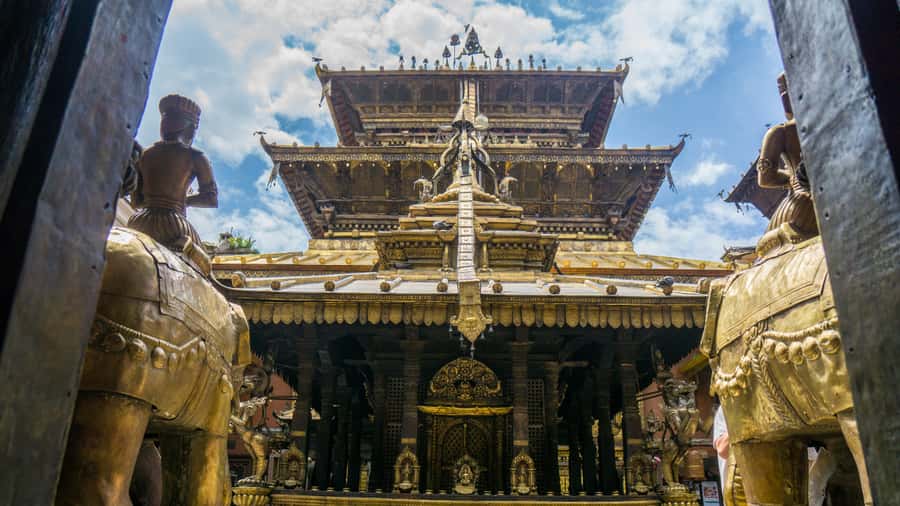
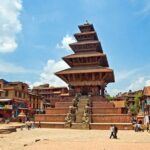
At Bhaktapur Durbar Square, the landmarks are memorable enough that they’re easy to follow even as you’re moving. The big name stops include Nyathapole Temple, the Golden Gate, and the 55 Window Palace.
Nyathapole Temple is a highlight because it’s visually distinctive, and it gives you a clear sense of how temple architecture communicates status, function, and devotion. The Golden Gate is the kind of structure people remember from postcards, but on-site it’s more interesting because you can see how it fits into the surrounding complex.
The 55 Window Palace is where you can spend time on details. The name alone tells you there’s a facade-focused design story. When you slow down and look at the rhythm of openings and the workmanship, you understand why this site is so often singled out.
One more reason Bhaktapur is worth your energy: the museum with art and artifacts. A square can be purely “look at it” tourism, but the museum turns it into “learn while you look.” It helps explain religious themes and artistic traditions in a way that the outdoor buildings alone can’t fully cover.
And yes, earthquake restoration work can be part of the visual experience here too. The restoration point shows up in the reviews, and you’ll likely notice that craftsmanship is being preserved and renewed rather than treated as a lost cause. That gives the day more meaning than sightseeing alone.
How Your Guide Changes the Whole Experience
A big factor in the high rating for this tour is the guide quality. Two names show up in the reviews: Shankar Bhattarai and Dishee. Both are praised for being friendly, punctual, and clear with historical context.
Here’s what that means for you in real-life terms. When a guide explains the history and religious purpose of what you’re standing in front of, you start to recognize patterns across buildings. You stop seeing random temples and start seeing a cultural system—how royalty, religion, and community space interact.
The tour also seems built to match your preferences. One review notes the guide adapted the route to the group’s interests. That’s important because Patan and Bhaktapur can go deep fast. If you love architecture, you’ll want more time on facades and courtyards. If you’re more into religious practice, you’ll want the explanation side turned up.
Language is English, and it’s a live guide, not a prerecorded audio track. That matters because you can ask quick questions when something confuses you. In places like these, “one good clarification” saves you from guessing for the next hour.



Price and Value for a Private UNESCO Day Trip
Let’s talk money. The price is $49 per person for a 6-hour private tour, including hotel pickup/drop-off, private transportation, and a professional guide. Entrance fees and food/drinks are not included.
So is it a good deal? For many people, yes—because you’re paying for three things that are hard to DIY well:
- A guide who can connect Patan and Bhaktapur beyond surface sightseeing
- A private vehicle that saves time and reduces hassle
- A setup that covers two UNESCO-listed historic centers in one focused day
Where you should adjust expectations: you’ll still pay entrance fees on-site, and you’ll need to handle meals separately. The guide won’t change that, but knowing it ahead keeps you from being surprised mid-tour. Since you’re asked to bring cash in Nepalese rupees, it’s smart to have a plan for that before you start your day.
If you’re traveling on a tight budget and you’re comfortable figuring out transit and tickets on your own, you might find cheaper options. But if you value clarity and time, the private format makes sense.
What to Bring (and What to Plan For) on Old-Stone Walking Days
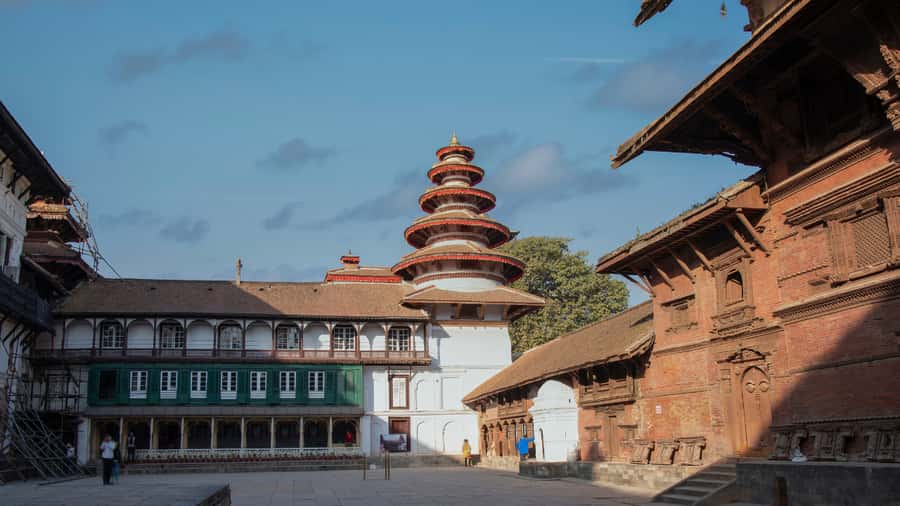
This is practical: bring comfortable shoes, sunglasses, and a sun hat. Squares and temple areas can mean uneven paving, steps, and a lot of standing time. You don’t need hiking boots, but you do need shoes you can trust.
Cash matters. The tour specifically recommends bringing cash in Nepalese rupees for entrance fees. Even if you’re using a card for other things in Kathmandu, don’t assume that every site accepts it smoothly.
For comfort, also consider how long you’ll be in the sun. You’re covering outdoor architecture and courtyards, so shade is hit-or-miss depending on where you’re standing. Sunglasses and a hat help you stay focused on the details instead of squinting or overheating.
One more small point: since food isn’t included, think about whether you’ll want a snack stop or a packed meal approach. You don’t want your day to turn into “hangry archaeology,” and a quick plan can keep your energy steady.
Best Fit: Who Will Enjoy Patan and Bhaktapur the Most
This tour fits best when you want two things at once:
1) a guided way to understand the architecture and religious context
2) a compact itinerary that doesn’t waste the day on logistics
It’s especially well-suited for first-timers in Kathmandu who don’t want to choose between Patan and Bhaktapur. It also works well for people who like history when it’s explained clearly at the exact spot where it matters, not as a lecture from across a room.
If you’re the kind of visitor who loves museum artifacts and carved facades, you’ll enjoy that both cities include museum components and courtyard-heavy layouts. If you prefer very relaxed pacing, tell the guide early—one of the perks of a private tour is you can adjust the pace to avoid feeling rushed.
And if you care about earthquake restoration craft—because the restored architecture is specifically called out as inspiring in reviews—this is the kind of day where you’ll likely notice that continuity.
Should You Book This Tour?
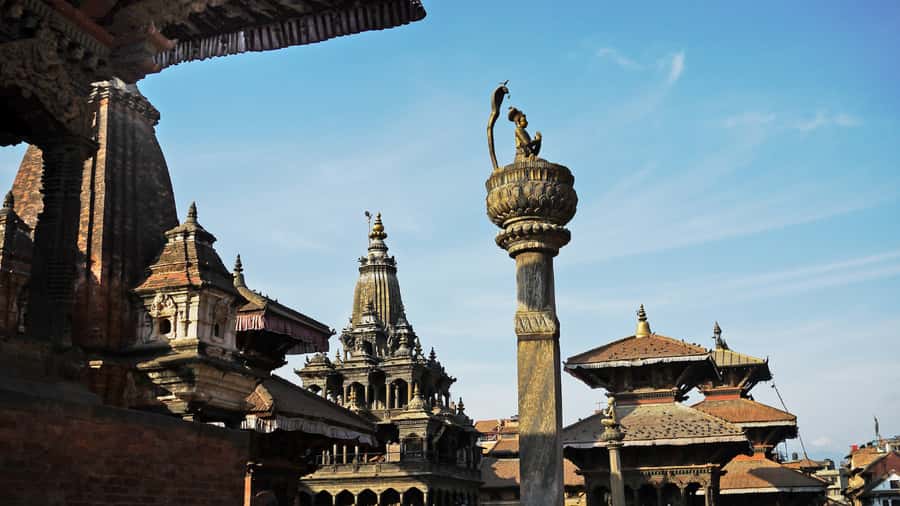
I’d book it if you want a straightforward, well-guided way to see two UNESCO World Heritage Sites with hotel pickup, private transport, and a guide who explains what you’re seeing. The value comes from the structure: you get Patan’s palaces, temples, courtyards, and museum time, then you get Bhaktapur’s signature landmarks and museum focus, all within a 6-hour window.
Skip booking if you already have your own plan for Patan and Bhaktapur, you hate paying entrance fees, or you want an experience that’s mostly food and shopping with minimal walking. In that case, you can build a cheaper day on your own.
If your goal is a clear, memorable day of architecture and sacred space—without wrestling transport—this private Patan and Bhaktapur tour is a solid choice.
FAQ
How long is the Kathmandu: Private Patan and Bhaktapur Sightseeing Tour?
The duration is 6 hours. Starting times vary, so you’ll need to check availability.
Where does the tour take place?
The tour is in the Bagmati Zone of Nepal and focuses on Patan and Bhaktapur from Kathmandu.
What is the price?
The price is $49 per person.
Is hotel pickup and drop-off included?
Yes. Pickup is included from your hotel in Kathmandu, and there is also a drop-off after the tour.
Is the tour private?
The tour includes transportation in a private vehicle.
What’s included in the price?
Hotel pickup and drop-off, transportation in a private vehicle, and a professional live tour guide.
What is not included?
Entrance fees and food and drinks are not included.
What language is the guide?
The live tour guide is available in English.
Do I need cash for anything?
Yes. You should bring cash in Nepalese rupees for entrance fees.
Does the tour help with ticket lines?
Yes, you can skip the ticket line.