REVIEW · KATHMANDU
3 Days Jungle Safari in Chitwan National Park
Book on Viator →Operated by Rainbow Safari Tours · Bookable on Viator
Jungle safari logistics can sound tough, but this one is very doable. This 3-day Chitwan National Park trip pairs wildlife time with Tharu village culture, plus canoeing on the Rapti River.
I especially like the mix of guided formats: a canoe trip with a local guide, then a jeep safari in the park, and a nature walk led by an experienced naturalist. I also like that meals are built in (lunch, plus breakfast and dinner on two days), so you can focus on sightings instead of meal-hunting.
One thing to watch: the Kathmandu start details can feel a bit confusing. If pickup instructions seem unclear at the Rainbow Safari Tour & Travel office area, confirm your exact vehicle and pickup spot the day before so you don’t lose time.
In This Review
- Key highlights to zero in on
- Chitwan National Park: where big wildlife and real local culture share the same days
- From Kathmandu to Sauraha: the ride is long, but it sets the tone
- Day 1 culture stops: Tharu village time and the Chitwan Museum
- The Rapti River sunset: a calm payoff after a busy first day
- Day 2 starts early: canoeing on the Rapti River
- The jeep safari: the classic wildlife search, guided properly
- Evening culture on Day 2: traditional Nepali cuisine and Tharu stick dance
- Day 3 bird walk: why the naturalist time matters
- Getting back to Kathmandu: a 9:30 am departure that keeps the trip tight
- Price and value: what $172.47 buys you in the real world
- Hotel details that actually matter: river views and clean comfort
- Logistics that can trip you up: pickup clarity and what to confirm
- Who should book this 3-day Chitwan safari
- Should you book 3 Days Jungle Safari in Chitwan?
- FAQ
- How long is the Chitwan Jungle Safari?
- What is the price per person?
- Where does the tour start in Kathmandu?
- What time does the tour start?
- How do you get tickets for this tour?
- What activities are included across the 3 days?
- Are meals included?
- What about accommodation?
- What is not included in the price?
- Do I need to bring passport details to book?
Key highlights to zero in on
- Rapti River canoeing: Small wooden boat experience with an experienced local guide.
- Jeep safari in Chitwan National Park: Guided wildlife time designed for the park’s terrain.
- Tharu village + Tharu dance: Culture is not an afterthought here.
- Chitwan Museum stop: A quick, practical context-builder for what you’ll see outdoors.
- Bird walk with a naturalist: A chance to look for rare and migratory birds near the river.
- Small group size: A maximum group of 20 helps keep the pace manageable.
Chitwan National Park: where big wildlife and real local culture share the same days
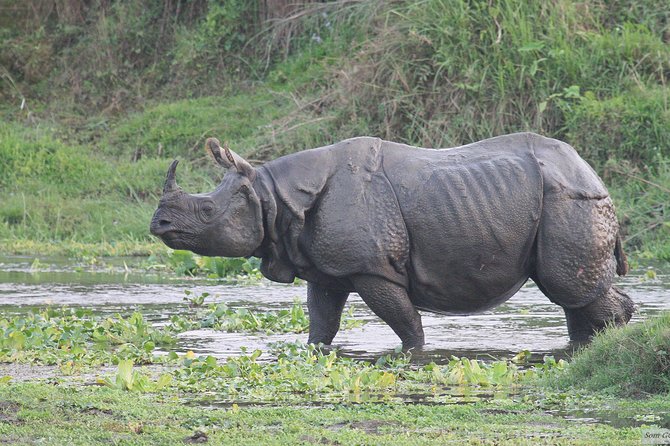
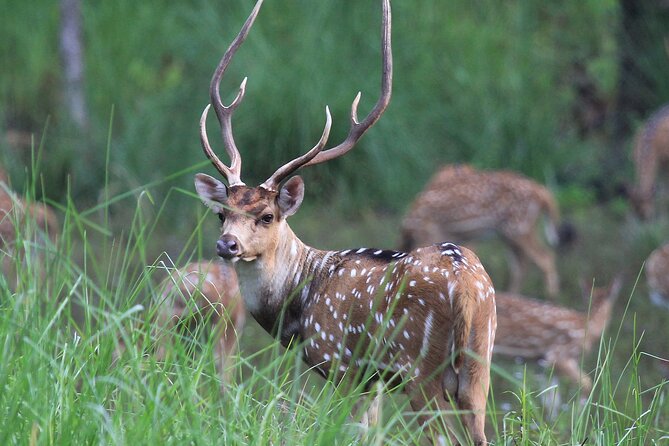
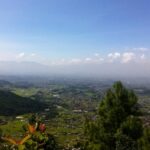
Chitwan National Park is one of Asia’s best-known protected wilderness areas, and the reason is simple: you can still see a real mix of wildlife and habitats in a way that feels both wild and understandable. Think rhinoceros, tigers, and thick river-and-jungle biodiversity, plus forest edges where Tharu communities live.
What makes this tour feel like more than a standard safari circuit is the balance. You don’t just drive into the park and hope for the best. You also get a guided nature walk, a canoe trip on the Rapti River, and a couple of culture stops that help you read the region with fewer blank spots. When you understand why the river matters and why the Tharu communities are there, the day becomes easier to enjoy.
If you want a trip that moves at a steady pace—enough structure to feel safe, without stuffing every minute—you’ll likely like this format. The group limit of up to 20 people also matters here, because it usually means less chaos on transfers and more time for your guide to handle questions.
You can also read our reviews of more tours and experiences in Kathmandu

From Kathmandu to Sauraha: the ride is long, but it sets the tone
Your day starts with an early pickup around 6:45 am near the Rainbow Safari Tour & Travel P.LtdP office in Kathmandu. The plan then takes you out of Kathmandu by luxury air-conditioned coach. Expect a long travel block—about 6 hours—from Kathmandu to Sauraha, with the bus arriving around 1:00 pm.
This timing is useful. Even though it’s a long ride, it gets you into the Chitwan area early enough to start doing things the same day. Once you reach Sauraha, you transfer to your hotel, then you have time for lunch.
Practical note: if you’re sensitive to long road trips, plan to keep your expectations realistic. The ride itself isn’t the highlight. The payoff is that you start “doing Chitwan” on Day 1, not just traveling.
Day 1 culture stops: Tharu village time and the Chitwan Museum
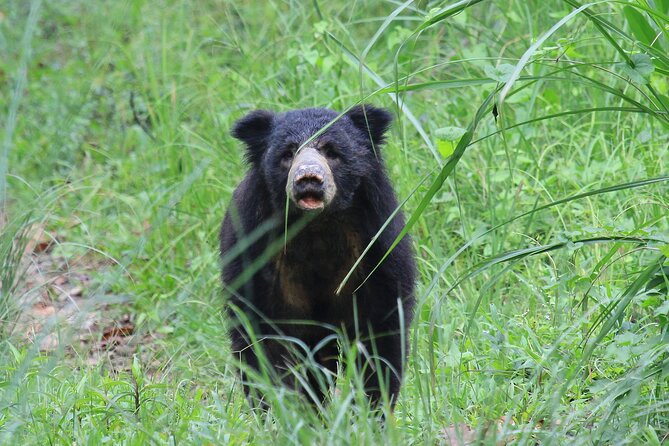
After lunch and a rest at your hotel, you head to the Tharu Village in Sauraha at about 2:30 pm. This is a chance to see daily life and traditions at the park’s fringes—where people and protected land overlap. The village visit lasts about 2 hours, which is long enough to get a feel for the place without rushing.
Then you move to the Chitwan Museum for about 1 hour. This stop is a smart “warm-up.” Safari days can feel random if you don’t know what you’re looking at. The museum time helps you connect wildlife and local culture to a broader picture, so when you’re later on the river or in the jungle, your brain has a reference point.
On Day 1, you’re basically building the context that makes the wildlife days feel better. If you hate museum-style experiences, keep in mind this one is designed as a quick, practical bridge, not a deep academic detour.
The Rapti River sunset: a calm payoff after a busy first day
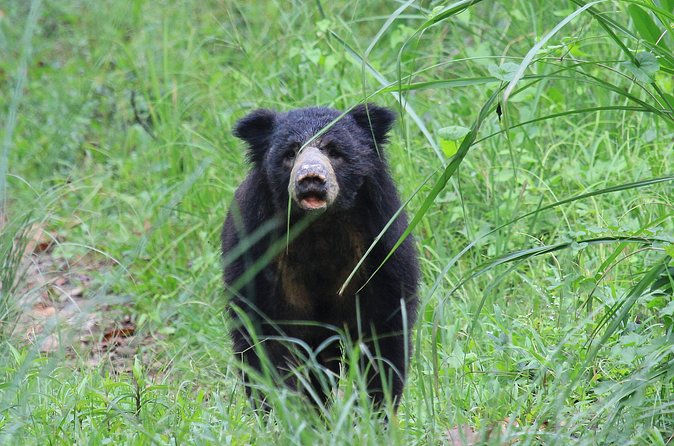
Day 1 ends with a sunset viewpoint on the Rapti River, scheduled for a couple hours after the village and museum stops. This is listed as a free time block, but it’s not “nothing.” River sunsets are one of those easy moments that make Chitwan feel special even when wildlife sightings are slower than you hoped.
You’ll see the sky shift through warm colors—orange, pink, purple, and red as the sun drops. It’s also a good time to slow down mentally after the long drive and the cultural stops. If you’re a photo person, this is where you get steady light and a calm scene to frame, without waiting for a rare animal to appear.
Day 2 starts early: canoeing on the Rapti River
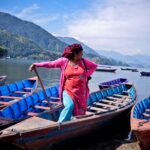
Day 2 is where the trip turns into pure nature time. After breakfast, you’re picked up around 7:00 am for a canoeing trip on the Rapti River. The canoeing is about 3 hours and is done in a small wooden boat run with an experienced local guide.
Canoeing is valuable here because it puts you in the river system, not just around it. The tour’s format makes it a guided experience, which matters: a guide can spot likely bird areas and explain what to watch for while you’re moving slowly through the river environment. The goal isn’t just to float. It’s to read the river like a habitat.
A quiet realism check: canoe trips can be a little bumpy depending on river conditions and boat handling, but they’re still one of the best ways to feel connected to the park’s water life and bird activity.
You can also read our reviews of more tours and experiences in Kathmandu
The jeep safari: the classic wildlife search, guided properly
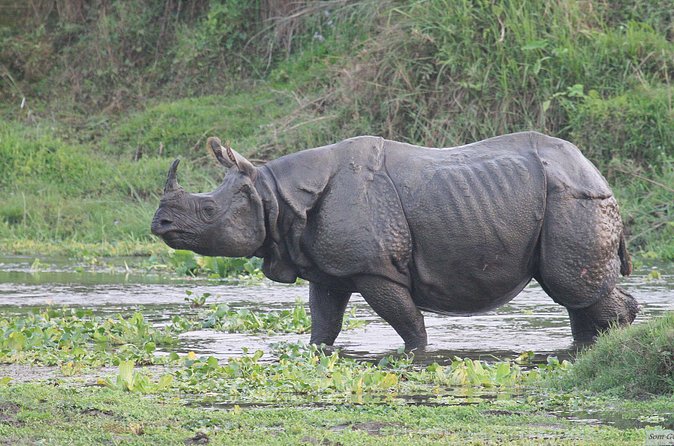
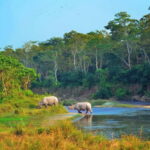
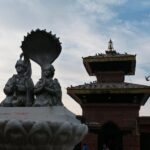
Right after the canoe morning, you head to Chitwan National Park for a jungle jeep safari ride. This is scheduled for about 3 hours with an experienced local guide.
A jeep safari is the tool you want when the park’s terrain is thick or when you need to cover more ground efficiently. In Chitwan, that efficiency matters because wildlife sightings can be unpredictable. The guide’s job is to increase your odds by understanding where animals are likely to appear and how to move through the area without wasting time.
What I like about pairing canoeing plus jeep safari on the same day is variety. If you only do one method, you can end up disappointed if the day’s activity favors the opposite kind of habitat. With both, you’re working multiple angles: river edges one moment, jungle search the next.
Evening culture on Day 2: traditional Nepali cuisine and Tharu stick dance
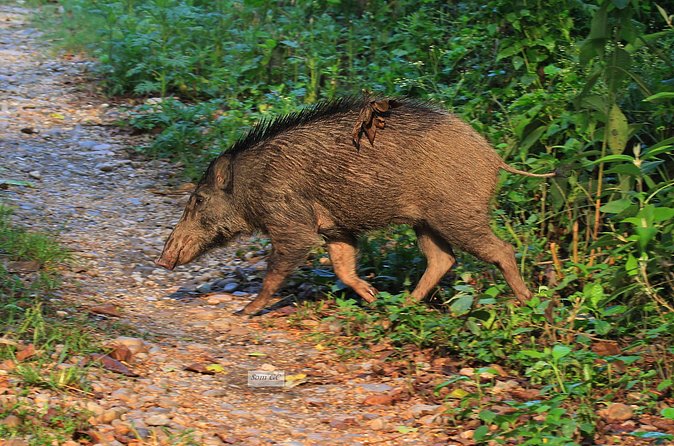
Your Day 2 wildlife time is followed by traditional Nepali cuisine and a traditional Tharu stick dance, plus time for a full evening with local culture elements. This part is about 2 hours.
I like having the cultural evening after a long wildlife day. It’s not just for entertainment. It helps you connect the way people live on the park’s edges to the world you’ve been seeing in the daytime. The Tharu stick dance also adds an active, embodied element rather than making the culture stop feel like just a talk.
If you dislike structured group evenings, this might feel like a bit of a schedule after a safari day. But it’s also exactly the kind of pairing that makes this trip feel more “Chitwan,” less “just driving.”
Day 3 bird walk: why the naturalist time matters
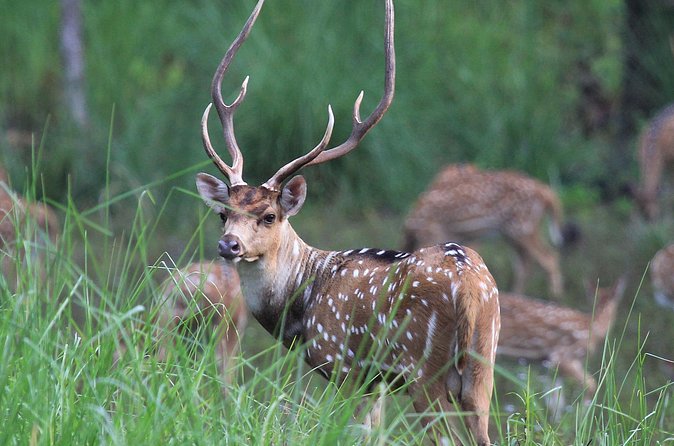
On Day 3, you start with a walk along the banks of the Rapti River with an experienced naturalist. The schedule lists about 2 hours of walking focused on rare and migratory birds. The tour notes that Chitwan is home to more than 500 bird species, so this isn’t a random stroll.
A bird walk with a naturalist changes the experience because you’re not just looking around. You’re guided toward likely areas and taught what signals to watch for—movement, sound, and habitat cues. If you enjoy quieter wildlife than a big chase moment, this is often where the trip feels most satisfying.
Again, expect that bird sightings depend on conditions and timing. Still, the structure and guide-led approach are what you’re paying for here.
Getting back to Kathmandu: a 9:30 am departure that keeps the trip tight
You leave Chitwan for Kathmandu at about 9:30 am on a luxury tourist bus, with the ride taking roughly 6 hours. That means your Day 3 isn’t stretched into a long, tiring travel day plus last-minute safari. Instead, you finish your nature time and then head back.
This is a practical choice for people who don’t want Chitwan to swallow the entire week. It’s also good if you’re planning onward travel, because you’ll still have your evening in Kathmandu.
Price and value: what $172.47 buys you in the real world
At $172.47 per person for an approximately 3-day itinerary, the real question is value: what’s included that would be expensive if you arranged it yourself?
Here’s what you’re covering inside the tour:
- Accommodation described as best available at Chitwan National Park
- Meals: lunch, plus breakfast on two mornings and dinner on two nights
- An experienced nature guide (including naturalist for the bird walk)
- A luxury air-conditioned coach from Kathmandu and back
- Core wildlife components: canoeing, jeep safari, and a nature walk
- Culture inclusions: Tharu village visit and Tharu stick dance
- Local taxes
Things not included:
- Alcoholic drinks
- Personal expenses
- Tips to driver, guides, and hotel staff
Value-wise, the mix of transport + accommodation + guided wildlife is the key. If you tried to book jeep safari and canoeing and the hotel separately, the total would likely climb quickly once you add guide costs and transfers. This tour tries to package those costs into one price.
A small budget tip: set aside extra for tips and any drinks. It keeps the trip stress-free and avoids that end-of-safari scramble.
Hotel details that actually matter: river views and clean comfort
One of the clearest themes from the experience feedback is how much people liked the hotel setup in Chitwan. A standout detail: the hotel was by the river, with amazing views, and it was described as super clean with a proper glass shower.
That’s not fluff. After two days of early mornings, sun time, and walking, a clean room and a comfortable shower make the whole trip feel worth it. Friendly hotel staff also helps when you’re coordinating early pickups and timing.
Just don’t assume every room will match that exact experience. Still, since the accommodation is described as “best” in the itinerary, you should expect comfort to be a real part of the package, not a last-minute add-on.
Logistics that can trip you up: pickup clarity and what to confirm
The tour starts at the Rainbow Safari Tour & Travel office area, with a stated pickup time around 6:45 am. One possible snag is that the meeting point info can feel a little misleading if you’re relying on directions alone.
My advice: don’t wait for perfect clarity on travel day. When you confirm your booking, ask for:
- the exact pickup vehicle name/description
- how to identify your driver/representative
- the time window for arrival at the pickup spot
That small effort saves energy and keeps Day 1 smooth.
Also note that the tour uses mobile ticket and asks for passport details (name, number, expiry, country) at booking time. That’s typical for organized transport and park processes, and it’s good to have ready.
Who should book this 3-day Chitwan safari
This is a good fit if you want:
- guided wildlife time without planning every step
- variety: canoe + jeep + bird walk
- culture woven into the schedule via Tharu village and stick dance
- a compact trip length that fits into a short Nepal itinerary
You’ll likely enjoy it even more if you like nature guides and want to understand what you’re seeing, not just count on chance.
If your only goal is maximizing tiger or rhino sightings, recognize that wildlife is never guaranteed. The trip’s strength is that it gives you multiple ways to engage with the habitat.
Should you book 3 Days Jungle Safari in Chitwan?
I’d book this if you want a structured, value-focused Chitwan experience: transport handled, hotel included, two guided wildlife formats, and culture stops that add meaning. The Rapti River canoeing and the bird walk with a naturalist are especially strong because they offer a different side of the park than a jeep safari alone.
I’d think twice if you dislike early mornings and long travel days. Day 2 starts early, and Day 3 ends with a scheduled return to Kathmandu. If your ideal trip is slow and unstructured, you might feel the timetable.
But if you’re the type who likes clear plans, real guides, and a balanced mix of wildlife plus local life at the park’s edge, this one is a smart choice.
FAQ
How long is the Chitwan Jungle Safari?
It runs for about 3 days.
What is the price per person?
The price is listed as $172.47 per person.
Where does the tour start in Kathmandu?
The start point is Rainbow Safari Tour & Travel P.LtdP, Tridevi Sadak, Kathmandu 44600, Nepal.
What time does the tour start?
The start time is listed as 6:45 am.
How do you get tickets for this tour?
You receive a mobile ticket.
What activities are included across the 3 days?
You’ll have a Tharu village visit, a Chitwan Museum visit, sunset time on the Rapti River, a Rapti River canoe trip, a jeep safari in Chitwan National Park, a nature walk with an experienced naturalist, and a traditional Tharu stick dance.
Are meals included?
Yes. Lunch is included, and breakfast and dinner are included on two days each, based on the listed inclusions.
What about accommodation?
Accommodation is included and is described as the best option at Chitwan National Park.
What is not included in the price?
Alcoholic drinks (available to purchase), personal expenses, and tips to the driver, local guides, and hotel staff are not included.
Do I need to bring passport details to book?
Yes. The booking requires passport name, number, expiry, and country for all participants.