REVIEW · KATHMANDU
Everest Base Camp with Gokyo Lake 17 Days
Book on Viator →Operated by Sunrise Adventure Trek P. Ltd · Bookable on Viator
Gokyo and Everest, stitched into one hard trek. I like how this route blends Gokyo Lake scenery with classic Everest-area villages, all inside Sagarmatha National Park. You fly in and out through Lukla, then spend days earning altitude slowly instead of rushing.
My second favorite part is the human support. On the team, guides such as Pemba and Pasang are known for keeping things organized and friendly, with porters who help make the long walk days feel manageable.
The only real drawback is the altitude workload. You’ll move through high points like Cho La Pass (5,420m) and can reach Kala Patthar (5,550m), so you need solid stamina and patience with slow breathing.
In This Review
- Key points worth knowing before you go
- Why this Everest Base Camp + Gokyo Lake trek feels different
- Entering the journey: Kathmandu, Lukla flights, and that first trail
- Namche Bazaar rest day: the smart altitude pause
- Dole to Machhermo to Gokyo: building toward the lakes
- Cho La Pass to Dzonglha: the hard pivot day
- Gorak Shep and the Everest morning choice: EBC or Kala Patthar
- Tengboche, Monjo, and the long goodbye to high altitude
- What’s included, and why it’s decent value for the money
- Price and logistics: where extra costs often sneak in
- Accommodation and meals: what “three-star + lodges” really means on this trek
- Gear and body care: the stuff that keeps you moving
- Who this trek fits best (and who should think twice)
- Should you book Everest Base Camp with Gokyo Lake?
- FAQ
- How long is the Everest Base Camp with Gokyo Lake trek?
- Do I fly to Lukla during the trek?
- What are the highest points on this itinerary?
- What meals are included?
- Are permits included?
- Who provides the guiding and portering?
- What kind of accommodation do I get?
- Is a sleeping bag or down-jacket included?
- Can I cancel for a full refund?
Key points worth knowing before you go
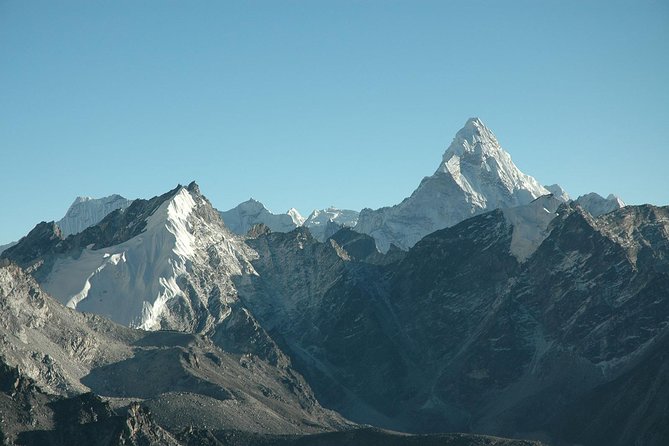
- Gokyo Lake plus Everest views: you get both worlds on one trek, not just one highlight
- A real acclimatization block: Namche Bazaar gives you time before the higher sections
- Cho La Pass is a big day: plan for a long effort crossing at 5,420m
- Two Everest mornings to choose from: Everest Base Camp or Kala Patthar early in the trek
- Small-ish group size: up to 18 travelers, so the trek feels less like a conveyor belt
- Support that matters: guides and porters, plus meals and lodge stays handled for you
Why this Everest Base Camp + Gokyo Lake trek feels different
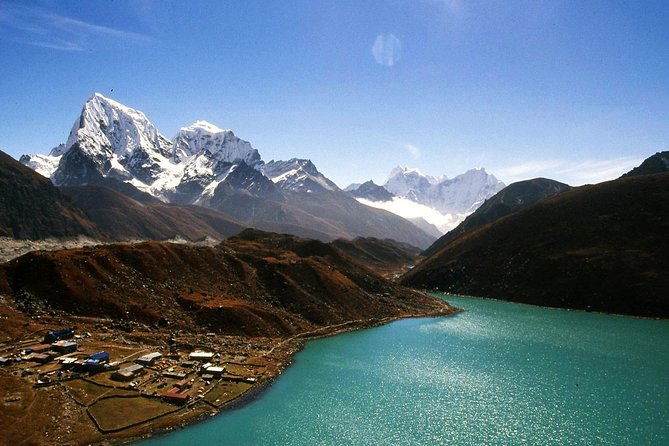
Most Everest trips chase one prize. This one strings together two: the Everest region and the Gokyo lakes area. That matters because it changes your rhythm. Instead of the same “climb, sleep, repeat” vibe everywhere, you get variety—different valleys, different viewpoints, and a mix of village life and big pass days.
You also don’t just walk past scenery. The route is built around the idea of earning altitude in steps. You start with Lukla and Phakding, settle into Namche, then move higher toward Dole, Machhermo, and Gokyo. After that, the itinerary keeps pushing you upward with the high pass to Dzonglha and then the Everest-side approach to Lobuche and Gorak Shep.
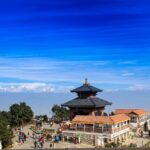
And the cultural stop is not an afterthought. You’ll pass through Tengboche, home to one of Khumbu’s most important monasteries. It’s a meaningful reset before the final stretches.
You can also read our reviews of more tours and experiences in Kathmandu.
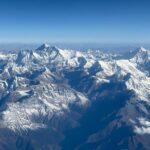
Entering the journey: Kathmandu, Lukla flights, and that first trail
Your trip begins in Kathmandu with hotel transfer and a three-star stay on a twin-sharing basis with breakfast. It’s a practical start: you get a real bed the night before you need to move fast the next day.
The next day is the iconic flight to Lukla, then you trek to Phakding (2,620m). This day is mostly about getting your legs used to trail walking and your lungs used to altitude. You’re not far from the start, but you’ll feel the change once you leave the busier, lower elevations.
From there, you push to Namche Bazaar (3,420m) on day three. This is where many people notice altitude more clearly. The payoff is that Namche is a proper hub—full of trekkers, tea houses, and everyday village life in the Everest orbit.
Namche Bazaar rest day: the smart altitude pause
Day four is an acclimatization and exploration day in Namche Bazaar. This matters more than people think. If you’re trying to enjoy the trek instead of only surviving it, a rest day at the right time is gold.
Namche is also a good place to manage your gear and energy. You can slow down, hydrate, and get your body used to sleeping higher. It’s also where your trek routine starts to solidify: wake up, check how you feel, eat well, and keep moving at a pace that doesn’t spike your breathing.
Then you move to Dole (4,110m). This section is longer and more demanding than the first trail legs. The walk time is listed at about six hours, so it’s a good “work day” that prepares you for what comes next.
Dole to Machhermo to Gokyo: building toward the lakes
Day five takes you to Dole (4,110m), then day six climbs to Machhermo (4,410m) in roughly three to five hours. Those numbers aren’t extreme on paper, but the air gets thinner fast at these elevations. The key is steady effort, not speed.
Day seven is when the Gokyo area clicks into place: you trek to Gokyo (4,760m). This is where the trek starts to feel like it has a personality of its own. You’re moving through the kind of high-altitude Sherpa country where the sky seems closer and every climb feels like it has a price tag.
On day eight, you hike up to Gokyo Ri and then continue to Thagnak (4,678m). Gokyo Ri is famous for viewpoint energy, and it also works as a motivation builder: it’s hard, but it gives you a reason to push. Then you finish the day lower than you started evening-wise at Thagnak, which helps your recovery.
Cho La Pass to Dzonglha: the hard pivot day
Day nine brings the big pivot: trek to Dzonglha via Cho La Pass (5,420m), then descend to Dzonglha (listed at 4,940m for that day’s end? The itinerary shows Dzonglha after the pass; your key point is Cho La at 5,420m). This is the part of the trip where most people feel the effort the most.
A high pass day changes your pacing. You can’t just keep your normal stride; you’ll likely move slower, stop more often, and focus on breathing. The reward is that you’re crossing into the Everest-side approach, which sets up the later days toward Lobuche, Gorak Shep, and the morning trek toward Everest Base Camp or Kala Patthar.
By day ten, you reach Lobuche (4,940m). This is a classic “high camp” style village. Even if you’re not at Everest Base Camp yet, the vibe shifts. Your body starts expecting cold nights and early mornings.
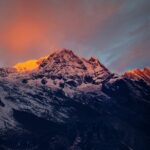
Gorak Shep and the Everest morning choice: EBC or Kala Patthar
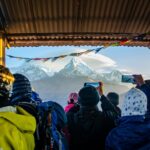
Day eleven takes you to Gorak Shep (5,147m). From here, day twelve is the big decision: morning hike to either Everest Base Camp (5,365m) or Kala Patthar (5,550m), then trek down to Pheriche (3,950m).
This choice is the heart of the itinerary. If you want the direct Everest Base Camp experience, pick that. If you prefer a higher viewpoint feel, Kala Patthar is the higher option. Either way, you’re doing an early push, because the whole point is to use the morning for the best chance of clear views.
After the hike, you drop to Pheriche. That descent is not just scenic—it’s functional. It gives your body time to reset before you head toward Tengboche and the lower trails again.
Tengboche, Monjo, and the long goodbye to high altitude
Day thirteen brings you to Tengboche (3,860m). This is where the monastery stop becomes more than a checkbox. You get a culturally rich pause at one of Khumbu’s most important religious sites, and it’s a nice contrast after days of big passes and heavy mornings.
Day fourteen continues to Monjo (2,635m). You’ll feel the altitude ease up more noticeably. The lower you go, the more you can focus on enjoying the walk instead of just managing your effort.
Then day fifteen brings you back toward Lukla (2,840m). It’s a final trekking day that feels like both relief and reflection. You’ve done the hard work; now it’s about finishing strong and staying present.
Day sixteen is the return flight to Kathmandu, and day seventeen is trip conclusion and departure.
What’s included, and why it’s decent value for the money
The price listed is $1,480 per person, and it’s not just for a map and a guide. It includes airport pick-up and drop-off, all transportation, and lodging in Kathmandu plus trekking lodge stays. You also get guide support and a porter system, with one Sherpa porter carrying baggage for every two guests.
Meals are handled during trekking with breakfast, lunch, and dinner (plus tea/coffee). That matters on a high trek because it removes the daily decision fatigue. When you’re tired, you want food that’s reliable and available.
Permits are included too: TIMS card and a trekking permit. Guides come with their salary, accommodation, meals, and insurance. On top of that, you get a cultural show and a farewell dinner, plus a first aid medicine item, a T-shirt, and a trip achievement certificate.
If you need it, you can request a sleeping bag and down-jacket during the trek. That kind of support can be the difference between borrowing and buying, especially if you’re traveling light from another country.
Price and logistics: where extra costs often sneak in
Even with a solid inclusions list, you’ll want to budget for what’s not included. Extra meals in Kathmandu, personal expenses, and bar bills are on you. Entrance fees are also listed as excluded.
You’ll also need to plan for international flights, travel insurance, and tips for the trekking crew. Those aren’t small items, and they can change your overall trip cost more than you expect.
One more practical point: the group maximum is 18 travelers. That’s not tiny, but it usually keeps things calm. In crowded areas, smaller groups also tend to move more smoothly through tea houses and common rest stops.
Accommodation and meals: what “three-star + lodges” really means on this trek
In Kathmandu, you get a three-star category hotel with breakfast on a twin-sharing setup. That night matters because it’s your reset before the Lukla flight and early trail walking.
On the trek, you stay in trekking lodges. Lodges in the Everest region usually mean simple rooms, shared spaces, and basic comforts. You’ll likely trade luxury for warmth, close proximity to fellow trekkers, and the big advantage of being able to eat and rest at scheduled stops.
The itinerary also builds in enough time each day to eat properly. You’re not just sprinting between points. That’s part of why the route works for a wider range of trekking styles.
Gear and body care: the stuff that keeps you moving
You’ll be high for days, so your gear needs to handle cold and wind. The good news is that the trek can provide a sleeping bag and down-jacket if you need them. Still, you should plan on bringing your own essentials like layers, gloves, and footwear you trust on rocky trails (even if you’ve done trails at home).
It’s also smart to think about your daily water routine and snacks. The trip includes meals during trekking, but having a little extra buffer in your daypack can help if you’re slower on the climbs.
Most of all, treat your pace like a tool. Days with longer effort, like the approach days and the Cho La Pass day, reward patience. If you chase other people’s speed, you’ll pay for it later.
Who this trek fits best (and who should think twice)
This experience is listed as suitable for travelers with moderate physical fitness. That’s believable because the trek is paced with acclimatization time and scheduled lodge stops. It also gives you a clear structure so you can focus on breathing, walking, and recovering.
That said, it’s still a serious mountain trek. If you know you struggle with altitude, if you hate early mornings, or if long days on steep trails drain you, you’ll want to think carefully. The itinerary includes high passes and optional summit-style viewpoint time, so your mindset matters.
This is a great fit if you want an authentic mix: Everest Base Camp energy plus the Gokyo lake area, with cultural time at Tengboche and the kind of team support that keeps the logistics stress low.
Should you book Everest Base Camp with Gokyo Lake?
I’d book it if you’re craving a full Nepal Himalaya trek experience without having to coordinate permits, guides, meals, or lodging on your own. The value is strongest when you count the real stuff: TIMS and trekking permit, guide and porter coverage, full trekking meals, and trekking lodges handled from day to day.
I’d hesitate if you’re not comfortable committing to high altitude work. This itinerary reaches serious elevations like Cho La Pass and Kala Patthar, and it asks you to manage an early, strenuous morning for Everest Base Camp or a viewpoint hike.
If you want to see Everest and also fall in love with the Gokyo side of the Khumbu region, this is one of the better ways to do it with support built in.
FAQ
How long is the Everest Base Camp with Gokyo Lake trek?
The experience runs about 14 to 19 days, and the sample plan is laid out as a 17-day itinerary from Kathmandu to Lukla flights and back.
Do I fly to Lukla during the trek?
Yes. You fly from Kathmandu to Lukla at the start of the trekking portion and fly back to Kathmandu near the end.
What are the highest points on this itinerary?
Cho La Pass is listed at 5,420m. Kala Patthar is listed at 5,550m, and Everest Base Camp is listed at 5,365m for the morning hike option.
What meals are included?
During the trek, breakfast, lunch, and dinner are included as listed in the itinerary. Tea and/or coffee are also included.
Are permits included?
Yes. The trekking permit and the TIMS card (Trekking Information Management System) are included.
Who provides the guiding and portering?
A guide is included. Porter support is included too, with one Sherpa porter to carry baggage for two guests.
What kind of accommodation do I get?
You stay in a three-star hotel in Kathmandu on a twin-sharing basis with breakfast. During the trek, you stay in trekking lodges, with accommodations provided throughout.
Is a sleeping bag or down-jacket included?
You can get sleeping bag and down-jacket support during the trek if you need it.
Can I cancel for a full refund?
Yes. You can cancel up to 24 hours in advance for a full refund. If you cancel less than 24 hours before the experience starts, the amount paid is not refunded.