REVIEW · KATHMANDU
From Kathmandu: Private 14-Day Everest Base Camp Trek
Book on Viator →Operated by Cordial Trek Pvt. Ltd. · Bookable on Viator
Everest Base Camp gets real fast on this route. You fly into Lukla, trek through the Khumbu Valley, and build altitude step by step toward EBC inside Sagarmatha National Park. It’s the classic plan, but organized in a way that keeps you moving without pretending altitude is optional.
My favorite parts are the practical support and the “show-up-ready” inclusions. You get down jacket, sleeping bag, and a duffdu bag, plus an experienced guide and Sherpa porter (people like Raj Tamang, Pratip, and manager Ramesh have earned serious praise for staying on top of conditions). The big payoff is reaching Everest Base Camp (5,364 m) and then going for Kala Patthar’s high-view early push (up to 5,545 m) on Day 10.
One drawback to plan around: Lukla flights depend on weather. Even with a good operator, air schedules can get tricky, and the trek can feel more intense if you’re already tired from travel.
In This Review
- Key Highlights That Make This EBC Trek Work
- Getting From Kathmandu To Lukla: Where the Trek Begins
- Namche Bazaar: Your Altitude Insurance Policy
- Deboche And Dingboche: Sherpa Country, Shorter Days, Big Lessons
- Lobuche To Gorakshep: The Final Approach Feels Different
- Kala Patthar Morning: The Best Views Come With Cold Knees
- Tengboche And The Return To Namche: Relief With Real Effort
- Back To Kathmandu And The Certificate Finish
- What You Get For $1,650: The Value Check That Matters
- How the Route Handles Acclimatization (And Why You Should Care)
- Weather, Flights, And The One Thing You Can Control
- Who This Trek Is Best For
- Should You Book This Private Everest Base Camp Trek?
- FAQ
- Where does the Everest Base Camp trek start?
- How long is the trek?
- Are flights to Lukla included?
- What’s the highest altitude on this itinerary?
- What meals are included?
- What trekking gear is included?
- Are permits and park fees included?
- Is this a private tour?
- Is pickup included in Kathmandu?
- What fitness level do I need?
- Is there a cancellation policy?
- What about solo travelers?
Key Highlights That Make This EBC Trek Work
- Lukla airport flight to Tenzing Hillary airstrip early on (one of the biggest thrills and biggest variables)
- Acclimatization days in Namche Bazaar and Dingboche, built into the itinerary
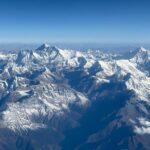
- Kala Patthar early-morning hike for panoramic Everest-region views
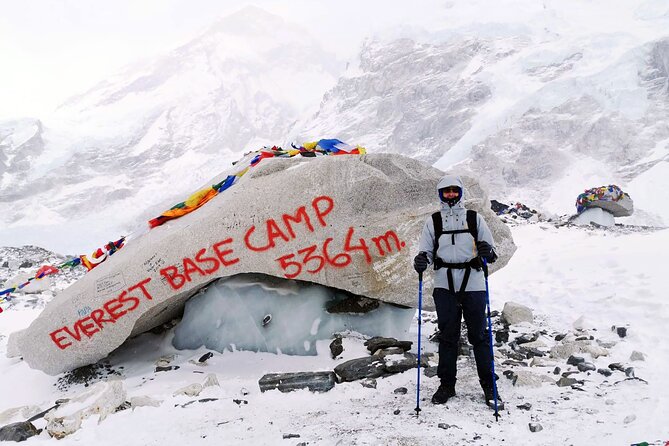
- Everest Base Camp inside Sagarmatha National Park at 5,364 m
- Tengboche Monastery stop during the return day route (culture plus big mountain scenery)
- Support that checks your well-being, with guide and porter teams praised for keeping trekkers steady (examples: Raj Tamang, Pratip, and porter Surendra)
Getting From Kathmandu To Lukla: Where the Trek Begins
Your journey starts in Kathmandu, with pickup from Tribhuvan International Airport and a hotel stay on Day 1. The goal is simple: get you settled, rested, and fed, because Day 2 is when the Everest story turns from planning into altitude.
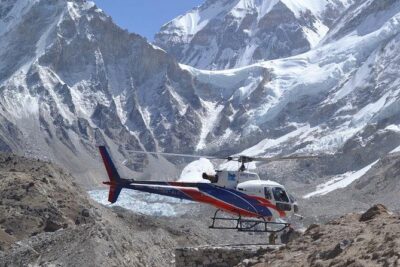
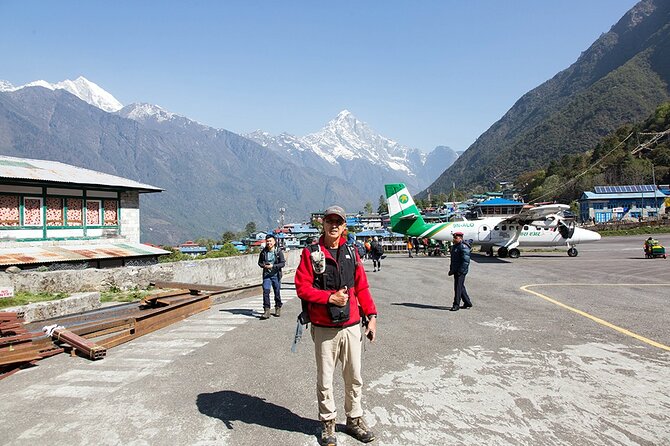
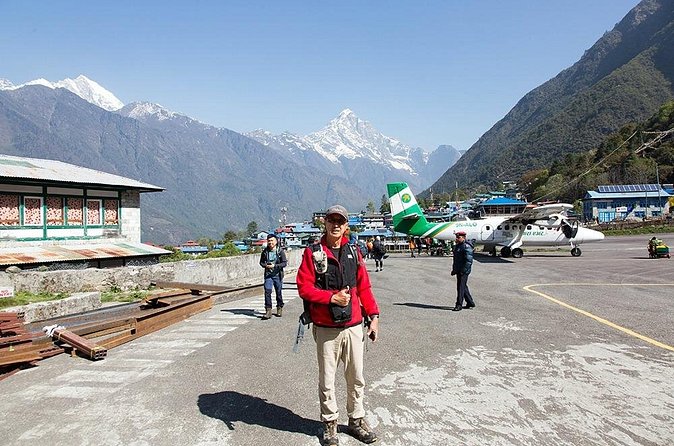
Day 2 is the big hinge: a short but intense flight (about 30 minutes) from Kathmandu to Lukla’s Tenzing Hillary airstrip. Lukla is famous for challenging conditions, and that means the most important advice is also the least glamorous: protect your energy, because the day’s momentum can be influenced by flight schedules.
Once you land, you meet your support staff. That matters more than it sounds. You’re not just getting someone to carry gear; you’re getting a team that helps you pace, dress right, and decide when to push versus when to slow down.
You can also read our reviews of more private tours in Kathmandu
Namche Bazaar: Your Altitude Insurance Policy
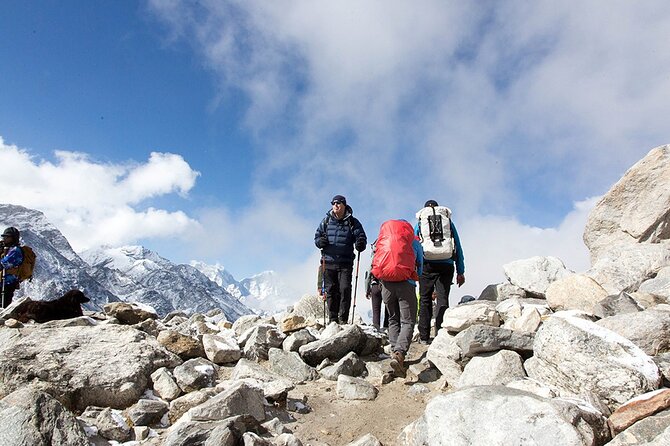
Namche Bazaar is where most Everest trekkers either learn altitude works—or they relearn it. On Day 3, you trek from Phakding to Namche Bazaar for about 6 hours, reaching a maximum altitude around 3,438 m. This is the kind of day that introduces the rhythm: walk steady, take breaks before you’re wiped, and keep your breathing calm.
Day 4 is a full acclimatization day in Namche at 3,438 m. You explore the area and take the time your body actually needs, not the time your enthusiasm demands. There’s also a stop at Hotel Everest View, which is known for a broad 360-degree view of the surrounding peaks and sits within Sagarmatha (Everest) National Park, a UNESCO World Heritage Site.
If you’re wondering why this matters, here’s the straight answer: the Everest region punishes fast climbs. Your best tool is the plan that slows you down on purpose, so when you go higher later, it doesn’t feel like your lungs are filing a complaint.
Deboche And Dingboche: Sherpa Country, Shorter Days, Big Lessons
Day 5 treks from Namche Bazaar to Deboche (about 6 hours), topping out around 3,820 m. This day is often where you start seeing more monastery-and-village life in the trek bubble, not just the main road of hikers. You also get time to absorb local culture without turning it into a museum tour.
Day 6 goes from Deboche to Dingboche for about 5 hours, reaching around 4,360 m. You’ll pass areas near the Khumbu glacier region and the trekking route gradually shifts from “valley walk” to “high-altitude reality,” even on days that feel manageable.
Day 7 is another acclimatization day in Dingboche at 4,360 m. The itinerary keeps it as an intentional rest-and-adjust plan, with guided time meant to help your body adapt. In practice, this is where you learn to hydrate carefully, manage headaches early, and avoid the classic mistake of feeling better and then doing too much.
Lobuche To Gorakshep: The Final Approach Feels Different
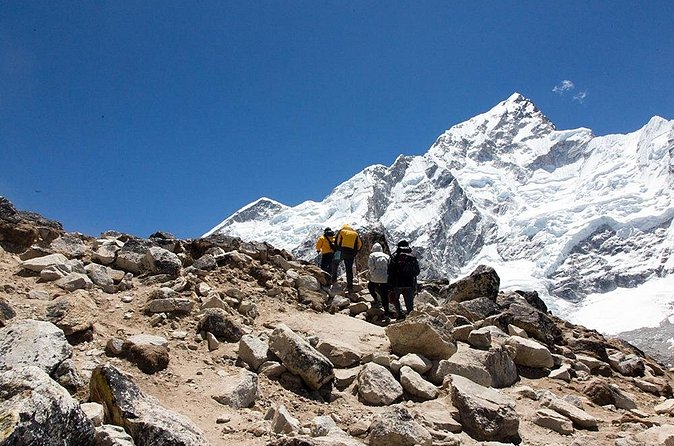
On Day 8, you trek Dingboche to Lobuche for about 4–5 hours, with a max altitude close to 4,940 m. This is a big jump day, but it’s also the kind of day where the terrain and air make you move with more control. You’ll notice the route tightening around glacier country, and it starts to feel like you’re heading for something permanent.
Day 9 is the runway to Everest Base Camp. You go from Lobuche to Gorakshep (around 5,164 m), and then you head on to Everest Base Camp at 5,364 m. The EBC stop itself is time-focused (about 1 hour in the plan), which is usually enough to take photos, soak in the scale, and get your body back before the altitude clamps down again.
One thing I’d watch for: excitement at this point can make you forget that you still have a summit-style day later. If you want Kala Patthar to feel worth it, you don’t want to burn your legs on Day 9 like it’s a victory lap.
Kala Patthar Morning: The Best Views Come With Cold Knees
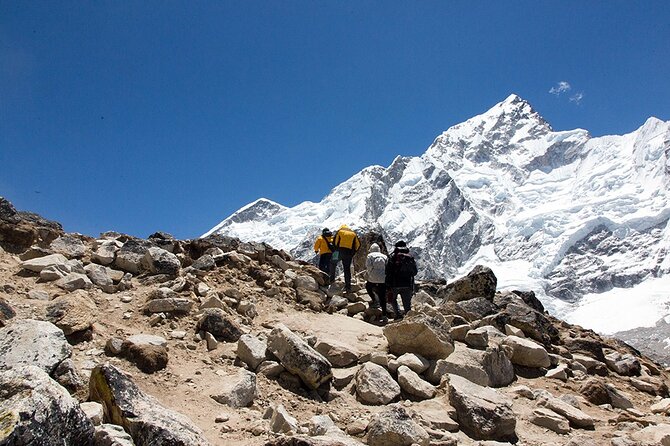
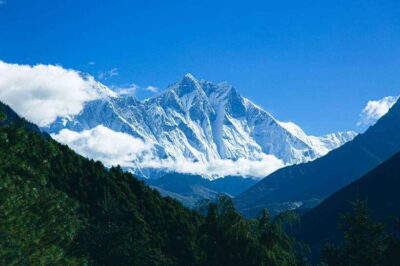
Day 10 is your early-morning push to Kala Patthar. It’s a 3-hour round trip from Gorakshep, reaching a max altitude around 5,545 m. This is the day most people remember, not because it’s easy, but because it’s timed for the kind of light that makes Everest-region views snap into focus.
Plan for the fact that Kala Patthar is often colder and windier than you expect, even if the trek has felt fine so far. Your best insurance is dressing correctly (and yes, the included down jacket helps here), moving steadily, and not rushing your breathing.
When you get back, you’re not “done” mentally. You’ve hit the moment, but now you have to manage energy for the long return days.
You can also read our reviews of more hiking tours in Kathmandu
Tengboche And The Return To Namche: Relief With Real Effort
Day 11 takes you back toward Namche Bazaar via Pheriche and Tengboche, for about 6–7 hours. Tengboche is where the culture and monastery presence show up again, and the day gives you a blend of spiritual context and mountain scenery without adding extra altitude pressure.
In the evening, the plan includes time to relax in Namche, including local pubs and cafes, then an overnight stay. That simple “sit down and breathe” time is more valuable than it looks after days where you’re constantly adjusting layers and pace.
Day 12 continues downhill to Lukla via Phakding, with about 7–8 hours of trekking. Even though it’s lower altitude, this is where legs can complain from days of hard walking. The bazaar time at Lukla and your overnight stay help you reset before your flight.
Back To Kathmandu And The Certificate Finish
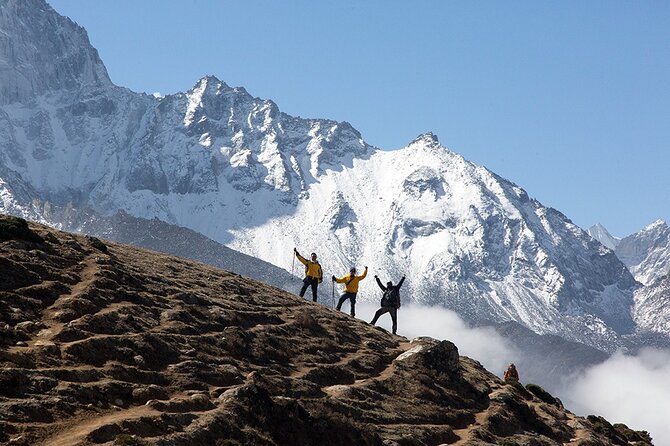
Day 13 brings your flight from Lukla to Kathmandu and a hotel stay with free time in the evening. It’s a good day to do calm sightseeing, eat something you really love, and let your body catch up.
Day 14 is the final wrap-up: you receive a Trip Certificate and get dropped back to the airport about three hours before your final departure. It’s a small touch, but it does mark the transition from trail life back into normal time.
What You Get For $1,650: The Value Check That Matters
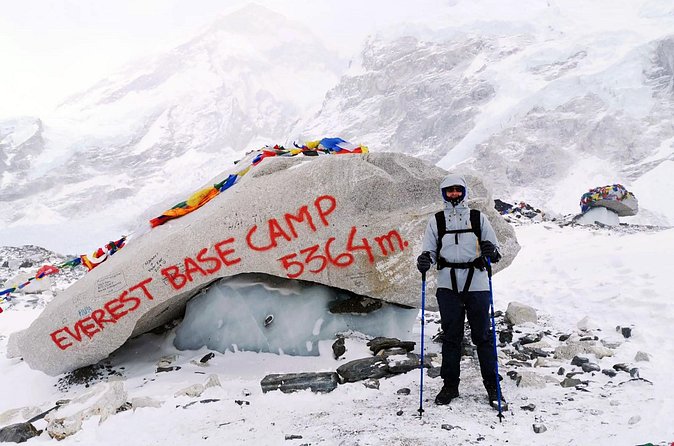
At $1,650 per person, this is not a budget trek, but it also isn’t just paying for “a guide and vibes.” The included package covers the heavy logistics that usually cost time, nerves, and extra money when you try to stitch everything together yourself.
Here’s what’s included that genuinely reduces risk:
- Domestic flights (KTM–LUA–KTM), which are a big part of EBC trips
- Experienced trekking guide and Sherpa porter, with support that has been praised for checking trekkers’ well-being
- Accommodations throughout the trek
- Permits and National Park fees (you don’t want to be sorting this at the last minute)
- Airport transfers in Kathmandu
- Gear: down jacket, sleeping bag, duffdu bag
- Meals: 11 lunches, 12 dinners, and 13 breakfasts in the plan
What’s not included (and you should budget for):
- Nepal visa
- Travel insurance (listed as compulsory)
- Personal expenses
- Gratitude for guide and porter
- Solo traveler surcharge (if applicable)
- Any meals not listed in the package
My honest take: if you don’t want to wrestle with flights, permits, gear rentals, and meal planning, the price starts to look like paying for fewer moving parts. If you already own proper cold-weather gear and you’re comfortable handling all logistics solo, you might find cheaper ways—but you’ll trade convenience for control.
How the Route Handles Acclimatization (And Why You Should Care)
This itinerary repeats a smart pattern: you climb, then you pause. Namche has a full acclimatization day, Dingboche has another, and then the route steps you toward higher altitudes in stages.
That’s not just “nice planning.” It’s the difference between finishing the trek feeling proud versus finishing it thinking you got lucky. If you’re prone to headaches, slow to recover, or you’re arriving from a non-ideal travel day, you’ll benefit from the structured pacing.
Also, note the fitness guidance: the trek expects moderate physical fitness. It’s not a technical climb, but it is real high-altitude walking, day after day.
Weather, Flights, And The One Thing You Can Control
Even with excellent organization, Everest is still Everest. The itinerary also depends on good weather, and Lukla flight timing can shift. If you’re the type of traveler who hates uncertainty, this can test your patience.
Your control points are simple:
- Start the trek rested, not rushed.
- Tell your guide early if you feel off, even slightly.
- Follow pacing even when you feel okay, not after you feel terrible.
The guides you’ve read about for this operator tend to focus on systematic check-ins and decision-making based on how trekkers are doing, including advice-style support from guide Raj Tamang and the team around manager Ramesh.
Who This Trek Is Best For
This private package is best if you want:
- A structured classic Everest Base Camp route with acclimatization built in
- Included gear (especially helpful if you don’t travel with serious cold-weather systems)
- A support team that helps you handle altitude days, not just move you between stops
- Convenience: pickup in Kathmandu and KTM–LUA–KTM flights included
It may not be the best choice if:
- You’re ultra-sensitive to schedule changes and can’t tolerate any flight variability
- You want total freedom to change routes day-by-day (this plan is deliberate)
Should You Book This Private Everest Base Camp Trek?
Yes, if you want a classic, high-value package that reduces the number of things you have to manage yourself. The included gear, permits, and flights are the big wins, and the itinerary’s acclimatization days are exactly what you want for a safer-feeling climb.
Before you book, do two quick checks:
- Are you okay with cold mornings at Kala Patthar and the fact that EBC is at 5,364 m?
- Have you budgeted for the non-included items like visa, insurance, and gratuities?
If those answers are yes, this trek has a strong mix of adventure and practical support—especially for travelers who want the Everest experience without turning the planning into a second job.
FAQ
Where does the Everest Base Camp trek start?
The trip starts in Kathmandu, with an airport pickup from Tribhuvan International Airport on Day 1.
How long is the trek?
The duration is 14 days (approx.).
Are flights to Lukla included?
Yes. Domestic flights are included for KTM–LUA–KTM, including the flight from Kathmandu to Lukla and the return flight to Kathmandu.
What’s the highest altitude on this itinerary?
The itinerary includes Kala Patthar with a max altitude of about 5,545 m, and Everest Base Camp at about 5,364 m.
What meals are included?
The package includes 11 lunches, 12 dinners, and 13 breakfasts, based on the itinerary.
What trekking gear is included?
You get a down jacket, a sleeping bag, and a duffdu bag (returnable necessary equipment).
Are permits and park fees included?
Yes. Necessary trekking permits and national park fees are listed as included.
Is this a private tour?
Yes. It’s described as private, meaning only your group participates.
Is pickup included in Kathmandu?
Yes. The tour includes airport transfers.
What fitness level do I need?
The info states you should have moderate physical fitness.
Is there a cancellation policy?
Yes. Free cancellation is available up to 24 hours in advance for a full refund. The experience also depends on good weather, and poor-weather cancellations can lead to a different date or a full refund.
What about solo travelers?
A surcharge for solo traveler is listed under not included. The amount isn’t specified in the provided details.