REVIEW · KATHMANDU
Unforgettable Everest Base Camp Trek with Third Rock Adventures! 🌄 I recently completed an incredible journey to Everest Base Camp with Third Rock Adventures, and I can’t recommend them enough! From starRead more
Book on Viator →Operated by Third Rock Adventures · Bookable on Viator
One wrong step is gravity; one right step is Everest. This 14-day trek is a clean route through Sherpa towns, high passes, and the big finale at Everest Base Camp, capped by a Kala Patthar sunrise. I like how the pacing builds in acclimatization (especially Namche and Dingboche) while still keeping the days mostly moving toward bigger views. You’ll also get real cultural texture along the way, from tea-house life to stops at monasteries and memorial stupas.
Two standout reasons I think this trip works: the trek is wrapped with practical support, and the included food-and-bed plan is simple. With porter help (2 trekkers : 1 porter) and a licensed guide with first-aid support like a pulse oximeter and essential altitude medicines carried by the guide, you’re not left to guess your way through the high stuff. The group size is limited to 12 travelers max, which keeps logistics from turning into chaos.
One drawback to weigh: the route is graded moderate to difficult, and altitude is the real boss here. If your schedule or fitness level is tight, those steeper segments (like the climb toward Namche and the push to Kala Patthar) can feel unforgiving.
In This Review
- Key highlights that matter
- Kathmandu Setup That Actually Helps Your Trek
- The Lukla Flight: Scenic, Real, and Weather-Dependent
- Phakding to Namche: Why the First Real Climb Counts
- Tengboche Monastery Day: Culture + Mountain Views Together
- Dingboche Acclimatization: Nagarjun Hill and a Glacier View
- Lobuche, Thukla Pass Memorials, and the Push Toward Base Camp
- Kala Patthar Sunrise: The View That Justifies the Sore Legs
- Kathmandu After the Trek: Souvenirs, Markets, and a Real Reset
- Price and Value: What $1,799 Includes (and What Can Add Up)
- Gear, Health, and Pace: Staying Smart at Altitude
- Who Should Book This Everest Base Camp Trek?
- Should You Book It?
- FAQ
- What is included in the trek meals?
- How many days is the Everest Base Camp trek?
- What is the group size limit?
- Do I get porter help?
- Is accommodation included during the trek?
- Which high point does the itinerary include?
- Are domestic flights included?
- What costs are not included that I should budget for?
Key highlights that matter
- Lukla flight + early trek rhythm: you start with a classic Himalayan logistics hit, then quickly settle into tea-house trekking days.
- Namche acclimatization day: you get time for local markets plus a sunrise hike option that helps your body adjust.
- Dingboche and Nagarjun Hill: a second altitude buffer with panoramic views and glacier scenery.
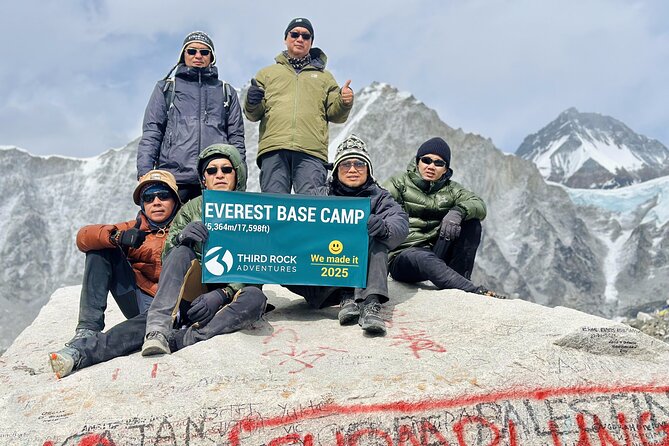
- Everest Base Camp + Khumbu Glacier walking: the approach is slow and scenic, then you get the big payoff at Base Camp.
- Kala Patthar 5,550 m at sunrise: this is the day most people remember, with 360-degree views.
- Small-group feel (up to 12): easier pace control and fewer bottlenecks than on big tour boats—same idea, just on trail.
Kathmandu Setup That Actually Helps Your Trek
Most people come to Kathmandu with jet lag and a checklist. What I like about this itinerary is how it uses Day 1 for the stuff that makes Day 2 easier: meet your leader and team, get a detailed briefing, and sort your gear before you’re suddenly climbing in the Himalayas. You also get time to poke around Thamel, which is handy if you need last-minute essentials.
You’re staying two nights in Kathmandu at 3-star deluxe with breakfast. That’s not just comfort for its own sake. A solid sleep and a real breakfast matter when you’re about to fly to Lukla and then start trekking days that can run steep and long.
If you’re the type who likes to show up prepared, this day is where you do it. Check straps, test your boots, refill basic supplies, and confirm how your team is planning around weather delays. In the reviews tied to this operator, guides and crews like Naba are mentioned as fast and clear with communication, and that’s reassuring in a place where flights can shift.
One more practical point: airport pickup and drop-off is included in a private vehicle. That removes a layer of stress right at the start and end—especially if your arrival time is awkward.
You can also read our reviews of more hiking tours in Kathmandu
The Lukla Flight: Scenic, Real, and Weather-Dependent
Day 2 launches with the flight from Kathmandu to Lukla, then you begin trekking via Chauri Kharka village, follow the Dudh Koshi River, and continue to Phakding. That first day doesn’t try to crush you; it sets your routine: walk, stop, eat, repeat, with the trail gently tilting from familiar valley life toward the Khumbu style.
Here’s the reality check: Lukla flights are famous for being weather-sensitive. This isn’t something you can control, but you can plan around it. The operator’s track record includes handling situations where poor weather prevented leaving Kathmandu on schedule, with the team helping get trekkers started safely. That kind of plan-B attitude is worth its weight when the mountains decide to be moody.
You also have a route detail worth noting: ground transport is included by shared vehicle from Kathmandu to Manthali and back, because the domestic flights run through Ramechhap/Kathmandu to Lukla and then return the same way. This matters for timing. It’s not just “arrive and fly,” it’s a full-day logistics puzzle that the itinerary covers.
Phakding to Namche: Why the First Real Climb Counts
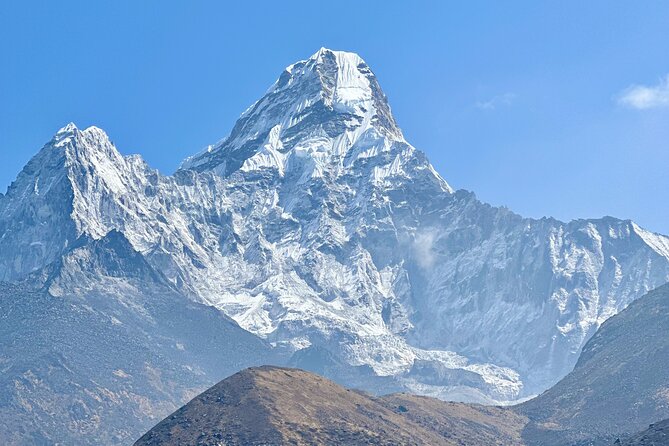
The early trek days are where you start learning the rhythm of altitude trekking. Day 3 crosses the Dudh Koshi via suspension bridges (including the famous Hillary Bridge) and enters Sagarmatha National Park. Lunch at Jorsale fits the pattern: short gains, breaks, and then a climb to Namche Bazaar, the Sherpa trading hub.
Then you get Day 4 for acclimatization in Namche. This is one of the best design choices in an Everest Base Camp trek because Namche is more than a town with views. It’s where your body gets a chance to adapt while you keep moving in a controlled way.
What you can do on the Namche day:
- Explore bakeries and shops, and wander the Saturday Market (when it’s running).
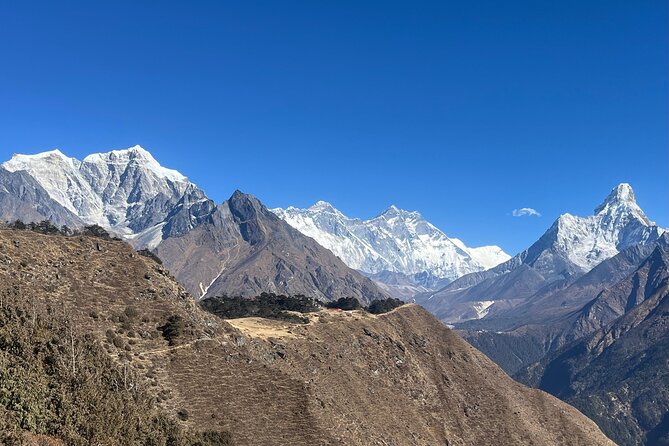
- Take a sunrise hike option for views of Everest, Ama Dablam, and Lhotse.
The value isn’t only the scenery. It’s the practice. Sunrise hikes teach you pacing and gear habits (warm layer management, hydration reminders, how your breathing changes). On Day 5, you’ll be back in forested climbs, so using Day 4 well pays dividends.
Possible drawback: Namche is busy. Even if your trek group is small, you’ll feel the population of hikers, porters, and trekkers changing floors every season. If you want solitude all the time, it can feel crowded for a day or two.
Tengboche Monastery Day: Culture + Mountain Views Together
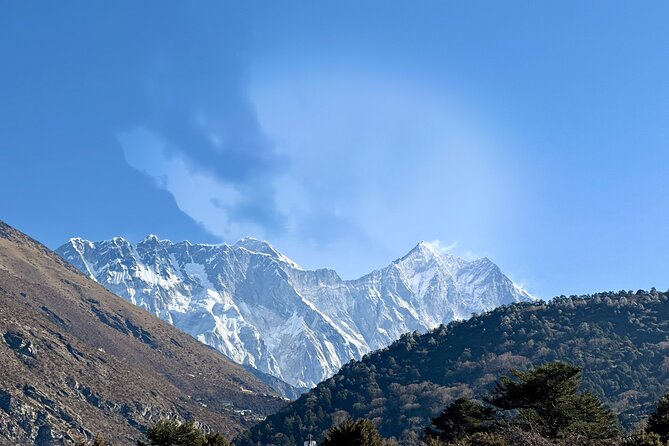
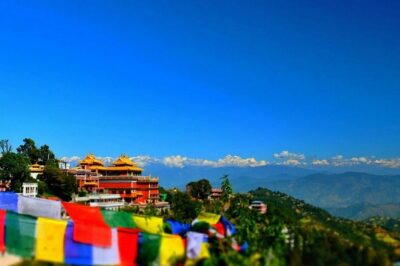
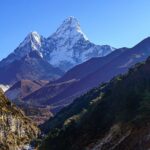
Day 5 takes you through rhododendron and juniper forests with Everest views in the background, then lands you at Tengboche. This stop is famous for a reason: it’s tied to the region’s largest monastery, and you’ll get close-up views of Ama Dablam while you’re there.
This matters because the Everest Base Camp trek can become “just walking to an endpoint” for first-timers. Tengboche helps keep it human. You’re not only climbing; you’re also connecting the trail to the Sherpa spiritual and community life that shapes how people live with the mountains.
Then you hit Day 6, crossing the Imja Khola, passing through Pangboche (highest permanent Sherpa settlement), and continuing to Dingboche. Day 6 also brings Island Peak and Ama Dablam views into the mix. That’s the transition: Sherpa villages become higher-altitude checkpoints, and your body is now firmly in the “pay attention” mode.
Dingboche Acclimatization: Nagarjun Hill and a Glacier View
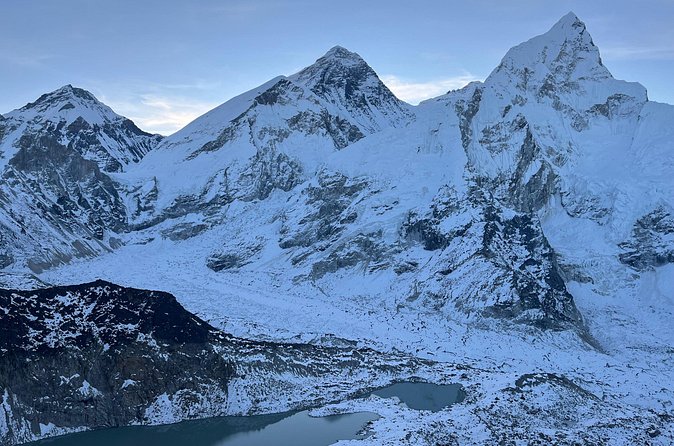
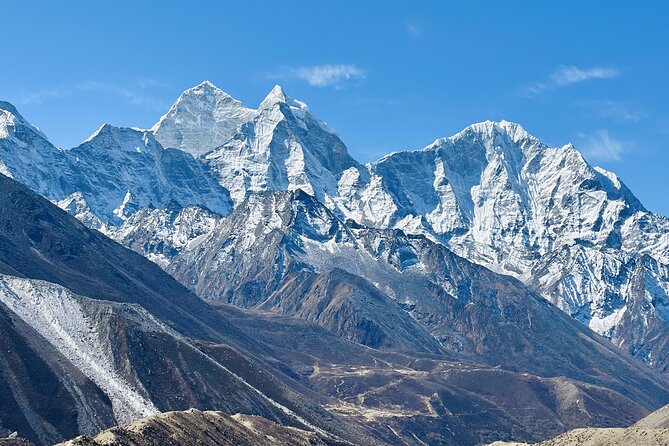
Dingboche is where your altitude plan starts to feel real. Day 7 hikes to Nagarjun Hill (5,100 m) for wide panoramas that include Makalu, Lhotse, Ama Dablam, and Island Peak, plus close views of the Imja Glacier.
You get an afternoon for rest or easy exploring. This is key. People sometimes underestimate the “rest” part of an acclimatization day. Rest here isn’t couch time; it’s recovery time—walking a little, eating steadily, and watching for the early warning signs of altitude issues.
Practical note: the included support includes a first-aid kit and essential medicines carried by your guide (the list explicitly includes Paracetamol and Diamox). You still should act like you’re responsible for your body, but having tools on hand reduces the panic factor if you start to feel off.
A good sign in the reviews is that guides like Dawa are described as supportive when plans needed to change due to altitude sickness. That’s what you want: a leader who treats symptoms seriously and doesn’t push the group just to hit a calendar.
Lobuche, Thukla Pass Memorials, and the Push Toward Base Camp
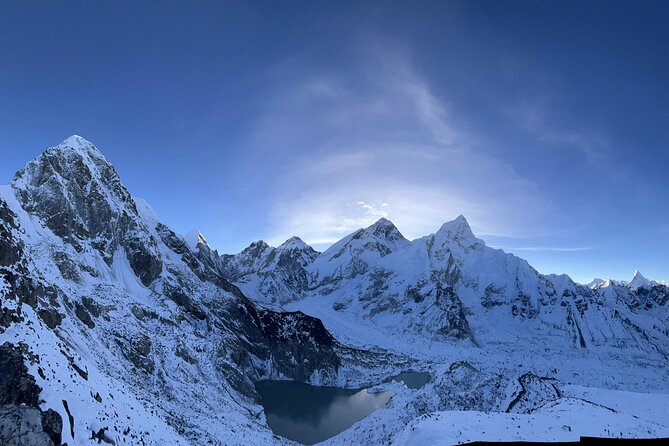
Day 8 moves from Dingboche toward Lobuche over about 8 km across rugged high-altitude terrain. You’ll pass Thukla Pass and stop at memorial stupas honoring Everest climbers before continuing toward the Nepal–Tibet border area.
This day is meaningful because it’s a transition from “settlements and trail life” into “the Everest zone.” The air feels different, the walking feels more concentrated, and every view comes with a stronger sense of stakes.
Day 9 is the big one: trek from Lobuche to Gorak Shep, then hike along the Khumbu Glacier to Everest Base Camp. The route gives you epic views of the Khumbu Icefall and surrounding peaks before you return to Gorak Shep for the night.
A reality tip: Base Camp isn’t a quick visit and then back to normal life. It’s usually a long day. You’ll want to go slow at altitude, drink water, and manage your effort. If you’re tempted to rush just to take photos, fight that urge. The trail is short on oxygen, not on consequences.
Kala Patthar Sunrise: The View That Justifies the Sore Legs
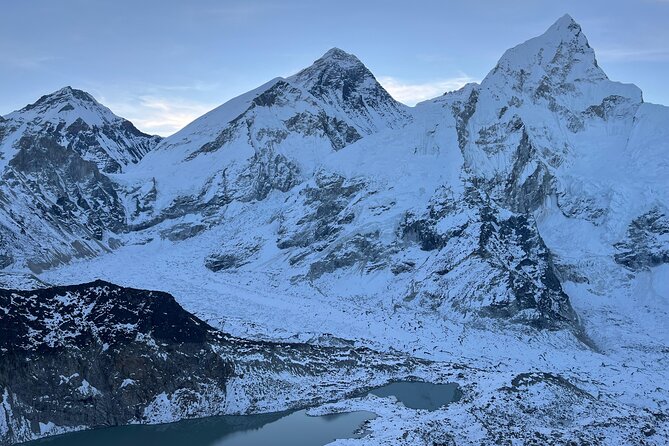
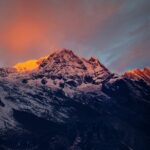
Day 10 is a sunrise-focused day. After breakfast, you hike to Kala Patthar (5,550 m), which is the highest point on the trek. The payoff is described as 360-degree views and sunrise lighting up Everest’s peak.
Even if you’ve seen Everest photos before, this is the part that tends to rewrite how you think about scale. This is the day you’ll likely remember when you’re back home, because the views are not just “big.” They’re layered: multiple peaks, glaciers, and ridgelines stacked like someone built a giant model out of stone.
After that, you descend to Gorak Shep and continue on the trail. Day 11 drops from Pheriche through scenic trails, passes Tengboche on the way, and brings you back to Namche Bazaar. Day 12 continues the descent to Lukla, including the Hillary Suspension Bridge on the way. Then you fly back to Kathmandu on Day 13.
Why the return plan is smart: you’re not just escaping altitude; you’re also retracing key trail segments, so navigation is easier and the emotional high of Base Camp doesn’t turn into confusion on your way out.
Kathmandu After the Trek: Souvenirs, Markets, and a Real Reset
Day 13 is basically “you’re back,” plus a gentle cultural wrap-up. You take a scenic flight from Lukla to Kathmandu and get transferred to your hotel. From there, you can rest or explore shops for handicrafts and souvenirs, then visit Ason Market for spices, tea, and decorative items.
This is a good final day because it lets your body come down from the mountains. You also get a farewell meal on the itinerary.
One note that matters: lunch and dinner in Kathmandu aren’t included. So if you’re counting costs, keep that in mind. It’s not a deal-breaker, just a budget line.
Price and Value: What $1,799 Includes (and What Can Add Up)
At $1,799 per person for 14 days, this trek is priced like a fully supported expedition through Nepal’s most famous high trail. That’s not cheap, but it’s also not just marketing fluff. The value comes from how much is bundled:
Included highlights that protect your wallet and reduce decision fatigue:
- Kathmandu airport transfers in a private vehicle
- Two nights in Kathmandu at 3-star deluxe with breakfast
- Tea-house accommodation on trek days (clean, comfortable)
- All meals during the trek (breakfast, lunch, dinner) with tea/coffee
- Porter service: main luggage carried (with a 2 trekkers : 1 porter ratio)
- Sagarmatha National Park entry and community fees
- Guide support with first-aid kit, pulse oximeter, and essential medicines like Diamox
- Domestic flights included via Ramechhap/Kathmandu to Lukla and back
- Trek-support kit: t-shirt, trekking map, and a kit bag
- Down jacket and sleeping bag provided (returned after the trek)
- Staff costs (food, accommodation, salary, insurance, equipment)
What’s not included and can surprise people:
- Nepal visa fee
- Travel and medical insurance (you’ll want these no matter what)
- Personal expenses like bottled/boiled water, hot showers, snacks, battery recharges, phone calls/internet
- Tips for guide, porter, and driver
- Excess baggage fees if you go over allowance
- Kathmandu lunch/dinner
- Upgrades to 4-star/5-star hotels in Kathmandu
- Extra nights for early/late flights
Helicopter option exists, but it’s pricey: $1,200 per person for sharing helicopter flights (Kathmandu to Lukla and back). That’s an important emergency/back-up concept, but it’s not a “normal” choice.
My take on value: if you’d otherwise pay separately for a guide, porters, park fees, meals, and the domestic flight segments, this package becomes easier to justify. You still need to budget for visa, insurance, tips, and personal trail costs. The good part is that the big items are already covered.
Gear, Health, and Pace: Staying Smart at Altitude
This trek is labeled moderate to difficult, and you should treat that as a real warning, not a suggestion. Altitude changes effort fast. Even if the trail is manageable on paper, your breathing can get heavier and your sleep can shift.
The itinerary design helps:
- Acclimatization in Namche on Day 4
- A second acclimatization day in Dingboche on Day 7 (Nagarjun Hill)
The support helps too:
- First-aid kit and pulse oximeter
- Essential altitude medicine options carried by the guide, including Diamox
- First-aid trained, government-licensed guide
Gear-wise, you’re not fully on your own. The operator provides a down jacket and sleeping bag to use during the trek (returned when done). You may still need personal trekking basics, and the tour notes a line for personal trekking gear/equipment cost, so plan a small budget for what you don’t already own.
A practical pacing strategy for you:
- Start slower than you think you need. Save energy for climbing segments.
- Keep snacks and hydration steady; your appetite often changes with altitude.
- Treat rest stops as oxygen management, not just breaks.
If you’re prone to altitude issues, pay attention to how your body feels early. The reviews include examples of guides like Dawa supporting plan changes when altitude sickness showed up. That’s the goal: adapt fast, not late.
Who Should Book This Everest Base Camp Trek?
This plan fits best if you:
- Want a classic Everest Base Camp route with real acclimatization days
- Like small-group trekking (up to 12 travelers)
- Appreciate having meals, tea-house lodging, domestic flights, and park fees handled
- Prefer a setup with porter support and medical tools carried by the guide
You should think twice if you:
- Are not comfortable with moderate to difficult hiking in thin air
- Have limited flexibility if flights get delayed due to weather
- Hate crowds when Namche and popular trail segments get busy
The best season guidance given is spring and autumn, when skies are typically clearer. If you’re choosing dates, these seasons usually give you a better chance at the kind of panoramic views Kala Patthar is famous for.
Should You Book It?
I’d book this trek if you want a well-structured Everest Base Camp experience where the hard parts are still yours (altitude, effort, patience), but the logistics are handled. The biggest value signals for me are the included meals, the porter ratio, and the altitude support tools carried by a licensed guide. Add in the small max group size, and you get a trek that feels controlled instead of chaotic.
I’d hold off or pick dates carefully if your fitness is borderline or if you’re sensitive to altitude and can’t adapt your pace. On Everest, the mountain doesn’t care about your calendar.
FAQ
What is included in the trek meals?
All meals during the trek are included: breakfast, lunch, and dinner, plus a cup of tea or coffee.
How many days is the Everest Base Camp trek?
The itinerary is for about 14 days.
What is the group size limit?
The tour has a maximum of 12 travelers.
Do I get porter help?
Yes. Porter service is included for carrying your main luggage, with a ratio of 2 trekkers to 1 porter.
Is accommodation included during the trek?
Yes. You stay in tea-house accommodation during the trek.
Which high point does the itinerary include?
Kala Patthar is included on Day 10, reaching 5,550 meters, and Everest Base Camp is reached on Day 9.
Are domestic flights included?
Yes. Domestic flights are included for the Lukla route (Ramechhap/Kathmandu to Lukla and back).
What costs are not included that I should budget for?
The tour does not include Nepal visa fee, travel and medical insurance, international flights, tips for guide/porter/driver, personal expenses (like water and hot showers), and any excess baggage fees.