REVIEW · KATHMANDU
From Kathmandu: Guided Everest Base Camp Trek
Book on GetYourGuide →Operated by Info Nepal Tours and Treks · Bookable on GetYourGuide
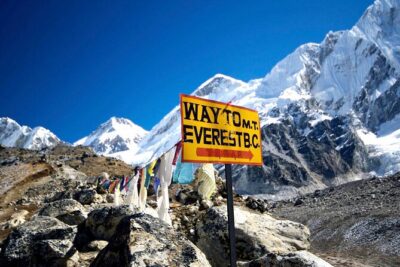
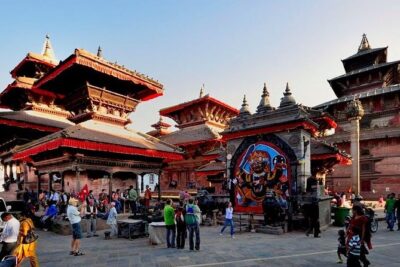
Lukla to Everest is the real deal. This 12-day Everest Base Camp trek pairs legendary high-altitude scenery with Sherpa culture stops like Namche Bazaar and Tengboche Monastery. I like the English-speaking, hands-on guiding (including support from guides such as Saran or Prayas) and the way the schedule respects altitude with acclimatization in Namche and rest in Dingboche. The main drawback: it is physically demanding, so you’ll want to take the pacing and altitude days seriously, not treat them as optional.
What also makes this trek feel well run is the people side. The organizer Rajesh is highlighted for quick communication ahead of the trip, and the guides get praised for practical care like checking in on how you’re doing and helping with heavier effort when you need it. Even solo, you’re not left to figure things out alone, and that matters when the days get long.
One more practical note: $408 is a solid value for a trip that includes the basics (guide, accommodations, Sagarmatha National Park permit, trekking map, and a first-aid kit), but you still need to budget for your Nepal visa fee and travel insurance, which aren’t included.
In This Review
- Quick hits worth caring about
- Why Everest Base Camp still feels special on day one
- Your full route from Kathmandu: Lukla, Phakding, Namche, and beyond
- Day 1: Kathmandu to Lukla, then trek to Phakding (2,610m)
- Day 2: Phakding to Namche (3,440m)
- Day 3: Acclimatization day in Namche Bazaar (3,440m)
- Day 4: Namche to Tyangboche (around 3,800m)
- Day 5: Tyangboche to Dingboche (4,400m)
- Day 6: Rest day in Dingboche (4,400m)
- Day 7: Dingboche to Lobuche (4,900m)
- Day 8: Lobuche to Gorak Shep, then onward to Everest Base Camp (about 5,365m)
- Day 9: Kala Patthar (5,545m) and then trek to Pheriche (4,200m)
- Day 10: Pheriche back to Namche (3,440m)
- Day 11: Namche to Lukla (around 2,800m)
- Day 12: Fly back to Kathmandu
- Namche Bazaar and Dingboche: the altitude strategy you feel in your legs
- Tengboche Monastery: when the view comes with rituals
- Gorak Shep and Everest Base Camp: the moment scale stops being a word
- Kala Patthar and the descent to Pheriche: the payoff day, then recovery
- Sagarmatha National Park: UNESCO access that matters more than a stamp
- Guides, group size, and real support on hard days
- Price and logistics: what $408 covers, and what you still must handle
- What your price includes
- What you need to budget separately
- Who should book this trek, and who should slow down first
- Should you book Everest Base Camp with Info Nepal Tours and Treks?
- FAQ
- How long is the Everest Base Camp trek?
- Does the tour include flights from Kathmandu to Lukla?
- Is a guide provided, and is the guide English-speaking?
- Are permits included for Sagarmatha National Park?
- What food and drinks are included?
- Is the Nepal visa fee included in the price?
Quick hits worth caring about
- Acclimatization built in: Namche Bazaar day and a rest day in Dingboche help you handle altitude more safely
- Tengboche Monastery stop: daily rituals and panoramic Everest-range views from around 3,800m
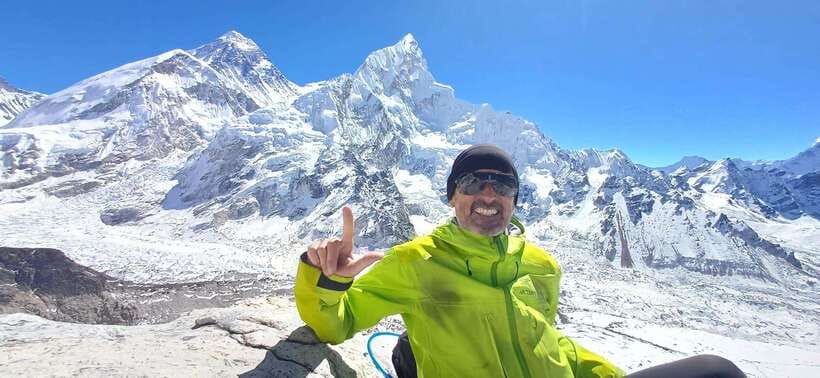
- Kala Patthar is part of the plan: a high viewpoint at 5,545m for close Everest-range drama
- Gorak Shep to Everest Base Camp: the last settlement before reaching the base camp area (about 5,365m)
- Sagarmatha National Park permit included: UNESCO World Heritage access is covered
- Support that feels human: English guidance plus extra help when someone falls ill late in the trek
Why Everest Base Camp still feels special on day one
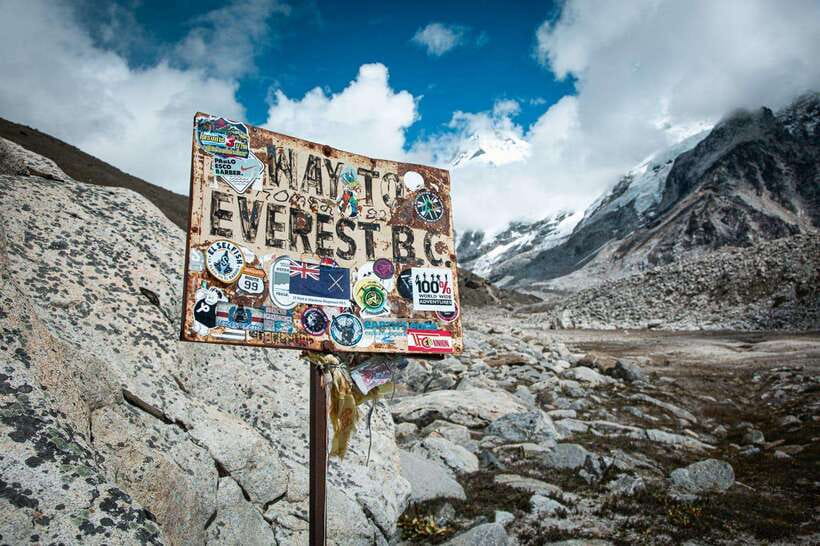
Everest Base Camp is famous for a reason. You don’t just get photos of towering peaks. You walk through the Khumbu region in stages where altitude, weather, and culture shift day by day. That structure makes the trek satisfying because it feels like progress, not a single long grind.
I also like the way the itinerary balances the two big reasons people come here: views and people. The route threads through Namche Bazaar (the gateway town), then moves into monastery and village life before you start the high-country push toward Gorak Shep and base camp. It’s a thoughtful arc: you build breath, you build rhythm, then you go for the big payoff.
You can also read our reviews of more guided tours in Kathmandu
Your full route from Kathmandu: Lukla, Phakding, Namche, and beyond
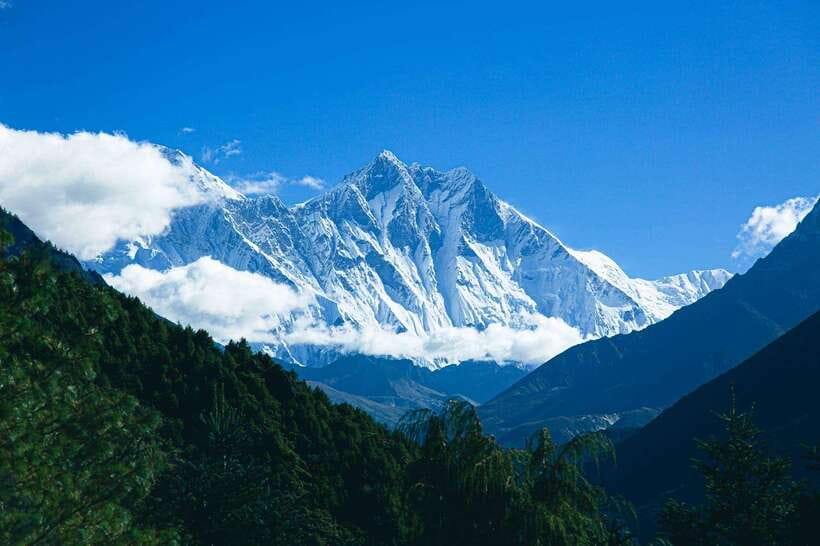
This trip is set up as a guided 12-day trek. You start in Kathmandu, then (if you select it) fly to Lukla and begin walking. From there, the days step up in altitude gradually, with two key “pause” moments that are worth more than they look like on paper.
Day 1: Kathmandu to Lukla, then trek to Phakding (2,610m)
You fly to Lukla and begin with an easier trekking day to get your legs moving. Phakding sits at a lower altitude than what comes next, so it’s a practical first move: adjust, settle in, and start learning your pace before the bigger climbs.
Day 2: Phakding to Namche (3,440m)
Day two brings your first real altitude jump. Namche Bazaar is where the Everest region starts to feel real. It’s the place for acclimatizing, picking up small supplies, and soaking up Sherpa culture in a town setting rather than a quiet village.
Day 3: Acclimatization day in Namche Bazaar (3,440m)
This is one of the smartest parts of the trek. A scheduled acclimatization day means you don’t just “arrive and hope.” You get time to rest, adjust, and keep the altitude game fair. On a route like this, that extra day can be the difference between feeling rushed and feeling in control.
You can also read our reviews of more hiking tours in Kathmandu
Day 4: Namche to Tyangboche (around 3,800m)
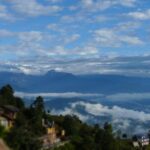
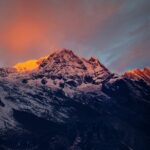
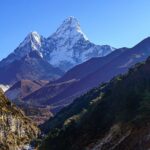
You move toward Tengboche/Tyangboche, and this is where the trek leans into spirituality and scenery together. The Tengboche Monastery area is known for Buddhist rituals and prayer moments you can watch during the day. You also get the kind of panoramic Everest-range views that make the breathy pauses feel worth it.
Day 5: Tyangboche to Dingboche (4,400m)
Dingboche sits higher, with a colder, thinner-air feel than Namche. It’s a transition day: the scenery gets more dramatic, and your body starts demanding slower steps.
Day 6: Rest day in Dingboche (4,400m)
Another stop that matters. This rest day is there so you don’t turn a “high-country” trek into a “high-country sprint.” It’s also when it becomes easier to spot how you personally handle altitude, before you go higher.
Day 7: Dingboche to Lobuche (4,900m)
Now the route starts leaning fully into the high-altitude feel. You’re heading toward the last big stretch where footing, wind, and cold can start taking more focus than the view itself.
Day 8: Lobuche to Gorak Shep, then onward to Everest Base Camp (about 5,365m)
Day eight is a hinge day. Gorak Shep is the last settlement before base camp, so it has that “we’re nearly there” energy, even before you reach the Everest Base Camp area.
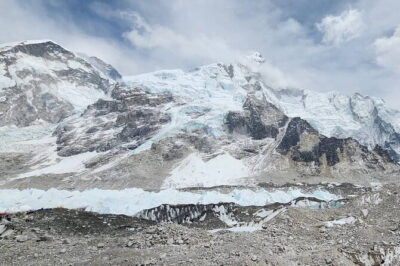
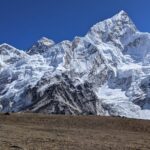
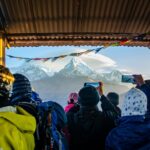
When you finally stand near base camp, the experience is about scale. You’re looking at glaciers and the Khumbu Icefall zone, and it hits different because you’re not admiring Everest from a distance. You’re at the foot of it, at real altitude.
Day 9: Kala Patthar (5,545m) and then trek to Pheriche (4,200m)
This day is built for the big viewpoint moment. Kala Patthar sits high and is famous for giving close-up views of the Everest area, especially during sunrise conditions. After that, you descend to Pheriche, and that down-move matters. Descent is tiring in a different way, but it’s also your chance to recover while still moving forward.
Day 10: Pheriche back to Namche (3,440m)
This is where you see the trek again with different eyes. You’re moving through familiar places, which makes it easier mentally. It’s also a good recovery day if you pace carefully.
Day 11: Namche to Lukla (around 2,800m)
You’re dropping in altitude toward Lukla. You still walk hard, but it feels more doable because your body is working with you again instead of against you.
Day 12: Fly back to Kathmandu
You finish with the domestic flight back to Kathmandu, closing the loop. After days in mountain air, it’s the kind of ride that feels like changing worlds quickly.
Namche Bazaar and Dingboche: the altitude strategy you feel in your legs
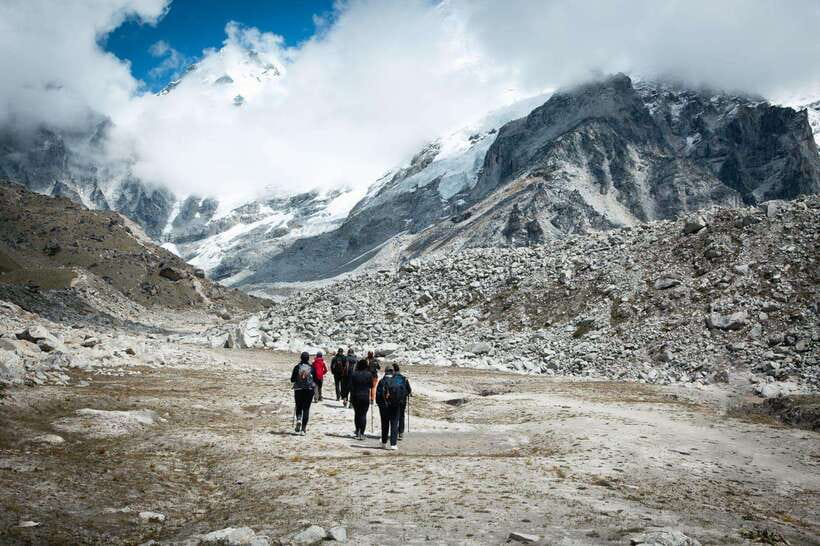
This trek doesn’t treat altitude like a theory. It schedules you to adjust twice: once at Namche Bazaar and again with a rest day in Dingboche.
Here’s what that means for your real experience. Instead of pushing upward every single day and hoping for the best, you get two built-in moments to slow down, keep hydration steady, and notice how your body is handling the climb. Even if you feel great on arrival, that planned pause makes you more likely to feel great later, when the high days stack up.
It also shapes how the trek feels socially. In Namche, you’re in a town environment where you can chat with others, ask questions, and get your bearings. In Dingboche, the vibe is quieter and more “high-country,” which helps you focus on rhythm and recovery.
Tengboche Monastery: when the view comes with rituals
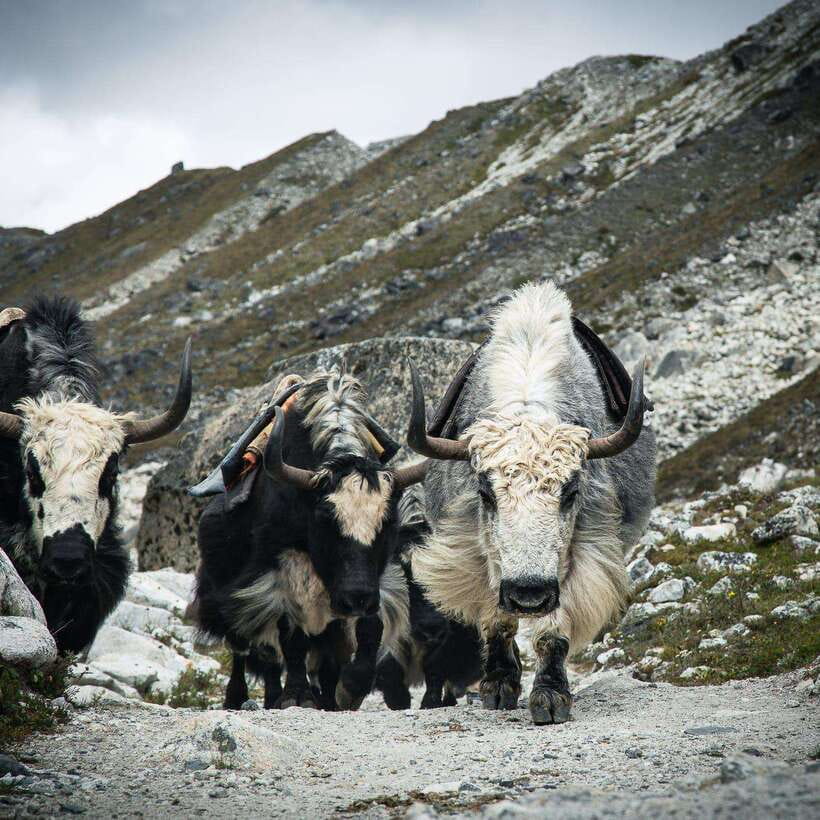
Tengboche/Tyangboche is one of the stops that people remember long after the summit plans fade. The monastery area sits around 3,867m in the Everest region, and it’s known for daily Buddhist ceremonies and prayer moments.
You’ll get a mix of experiences here:
- A spiritual-cultural stop, not just a photo stop
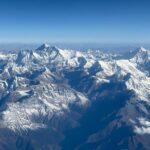
- Panoramic views of the Everest range in that crisp mountain light
- A chance to observe how community and mountains fit together
I like this kind of day because it adds meaning when effort is high. When you’re breathing hard, having a moment that’s more than scenery makes the day feel complete.
Gorak Shep and Everest Base Camp: the moment scale stops being a word
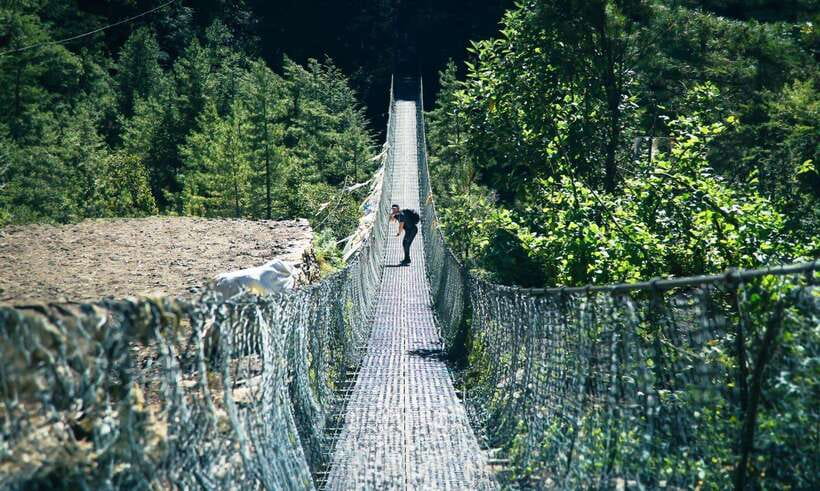
Reaching Gorak Shep is about transition. It’s the last settlement before the base camp area, so it feels like the final staging point. From there, the trek moves to Everest Base Camp at about 5,365m.
At base camp, your focus shifts:
- You’re close enough to see the glacier world up close
- The Khumbu Icefall and surrounding glaciers become the visual story
- You feel that mix of awe and fatigue that makes the moment stick
This is also where a good guide earns their keep. You’re far from help, and you’ll want clear pacing, steady communication, and practical decisions about effort. The trip’s small-group format helps here, because your guide can actually keep track of how everyone is doing.
Kala Patthar and the descent to Pheriche: the payoff day, then recovery
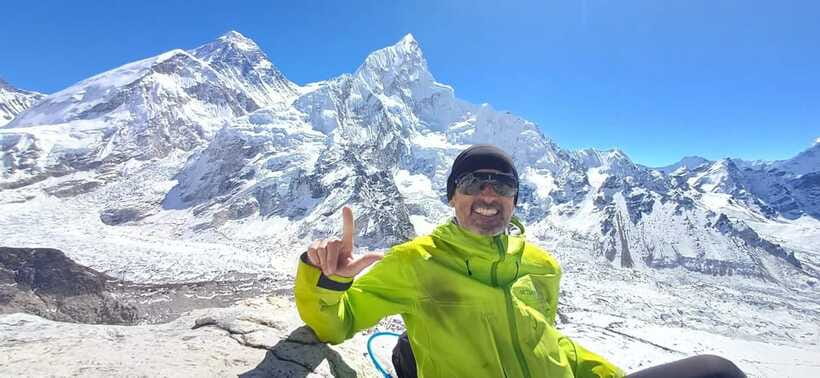
Kala Patthar is the “if you can only pick one big viewpoint” option, and it’s included. At 5,545m, it pushes you higher than base camp itself and gives a close-up look at Everest and the surrounding peaks, especially during sunrise-style conditions.
After that, you go down to Pheriche (about 4,200m). This descent is not a victory lap. It’s work. But it’s also the right move because it helps your body reset before you start the long return toward Namche.
The best part of this day is how it changes your view of the whole trek. Before Kala Patthar, base camp can feel like the goal. After Kala Patthar, you understand why people keep saying the route feels different depending on the light, the air, and the day.
Sagarmatha National Park: UNESCO access that matters more than a stamp
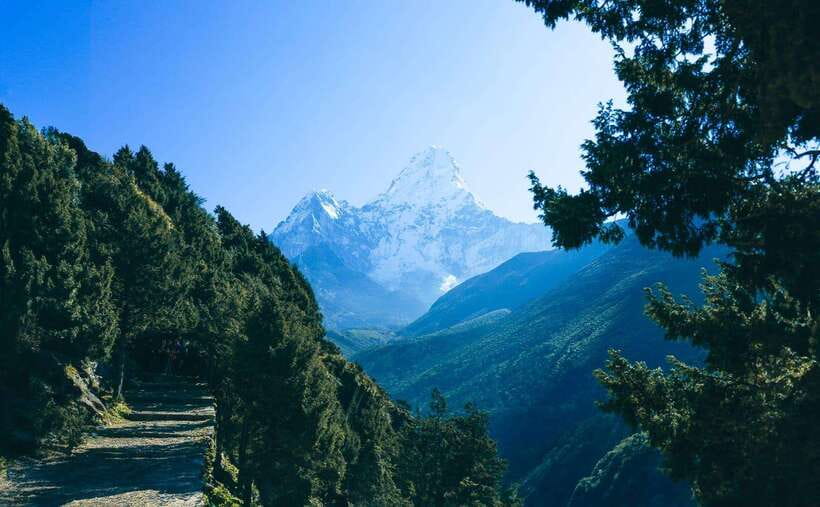
This trek goes through Sagarmatha National Park, a UNESCO World Heritage site, and the park permit is included.
Why that matters in your trip: it’s not just paperwork. The park boundary is part of what keeps this region protected and managed, and it’s tied to the route you walk. It also frames what you might notice along the way beyond the big peaks.
Even though you’ll mainly think about trail and altitude, the park supports diverse Himalayan wildlife. The trek information points to possibilities like snow leopards, musk deer, and Himalayan tahrs. You’re not guaranteed sightings, but it’s useful context: you’re moving through a protected high-mountain ecosystem, not a generic hiking circuit.
Guides, group size, and real support on hard days
This trek runs as a small group with a live English guide. In high-altitude treks, that combination is practical value, not comfort fluff.
You may be with guides such as:
- Saran, praised for being attentive to health, helping with heavy loads when someone needs it, and communicating clearly even with travelers who find English difficult
- Prayas, praised for helpful guidance and good English
The bigger pattern across feedback is consistent: guides focus on day-to-day management. That includes pacing, check-ins, and help if someone gets ill near the end. One important detail for solo travelers: there’s mention of providing medical assistance and adding a porter for the last day if needed. That’s the kind of safety net that makes a remote trek feel less risky.
Also, the organizer Rajesh is highlighted for staying responsive before the trek. Quick answers ahead of time reduce the kind of last-minute stress that can mess with your sleep and expectations.
Price and logistics: what $408 covers, and what you still must handle
At $408 per person for a 12-day guided trek, this can be strong value—especially because several core costs are folded in.
What your price includes
- Hotel pickup and drop-off
- Roundtrip domestic flights from Kathmandu to Lukla (if you choose the option)
- Accommodation during the trek
- Sagarmatha National Park permit
- Guide, plus accommodation and food for the guide
- Trekking map and a first-aid kit
- Welcome and farewell coffee
- Food and drinks if you select the full-board option
What you need to budget separately
- Nepal visa fee
- Travel insurance
So yes, you pay less than you might expect for a trek with a guide and park access. But don’t miss the insurance part. In a trek where altitude and timing matter, travel insurance isn’t a nice-to-have.
One more value angle: included park permitting and a mapped route reduce uncertainty. You’re not trying to stitch together parts on your own at altitude.
Who should book this trek, and who should slow down first
This Everest Base Camp trek is a great fit if you want:
- A well-paced route with acclimatization days
- Famous highlights like Namche Bazaar, Tengboche Monastery, Gorak Shep, Everest Base Camp, and Kala Patthar
- English guidance and a small-group feel so you can ask questions and get help
It may be less ideal if:
- You want an easy hike. This isn’t that. The altitude and the day-to-day effort are the point.
- You rely on a rigid schedule. The trek has its own rhythm, and the Lukla flight timing matters if you select that option.
If you’re a first-time trekker in Nepal, the structure here helps a lot. If you’re an experienced hiker, you’ll still appreciate the built-in recovery stops, because they’re the difference between “I survived” and “I enjoyed it.”
Should you book Everest Base Camp with Info Nepal Tours and Treks?
I’d book this trek if you want a classic Everest Base Camp route that’s guided, structured, and realistic about altitude. The combination of acclimatization days, a live English guide, and included essentials like the Sagarmatha permit makes it a practical choice.
I’d think twice only if you’re looking for a low-effort itinerary or you don’t want to plan for physical strain and altitude management. If that part doesn’t scare you off, this trek is built to deliver the moments people come for: Namche, Tengboche’s monastery atmosphere, the reach toward base camp, and the high viewpoint push at Kala Patthar.
FAQ
How long is the Everest Base Camp trek?
The trek duration is 12 days.
Does the tour include flights from Kathmandu to Lukla?
Roundtrip domestic flights from Kathmandu to Lukla are included if you select that flight option.
Is a guide provided, and is the guide English-speaking?
Yes. The tour includes a live tour guide, and the tour language is English.
Are permits included for Sagarmatha National Park?
Yes. The Sagarmatha National Park permit is included.
What food and drinks are included?
Accommodation and meals are included during the trek, and food and drinks are included if you choose the full-board option.
Is the Nepal visa fee included in the price?
No. The Nepal visa fee is not included. Travel insurance is also not included.