REVIEW · KATHMANDU
4 Days Poon Hill Trek
Book on Viator →Operated by The Great Adventure Treks & Expedition - Private Day Tours · Bookable on Viator
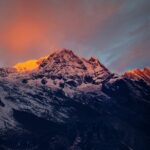
Sunrise at 3,210 meters hits hard. This 4-day Poon Hill trek is built around that moment, with big Annapurna views from a lower-altitude hike (just 3,210 m). You’ll also walk through terraced farmland, remote villages, and dense old forests while your guide brings the place to life, from mountain names to everyday Nepali life—especially if you end up with guides like Binod Silwal or Bikram, who were praised for excellent English.
I really like that this is private and customizable, so the trek can be shaped to your pace and comfort. The logistics tend to run smoothly because your guide handles key decisions like accommodation, so you’re not worrying about getting lost. The one drawback to plan for: lunch and dinner aren’t included, so you’ll budget for meals along the way.
In This Review
- Key takeaways before you go
- Poon Hill: the sunrise viewpoint that actually fits a 4-day plan
- A realistic 4-day flow through villages, forests, and the classic route
- Day 1: Start hiking through farmland and village life
- Day 2: The forest-to-viewpoint day
- Day 3: Continue on toward Tadapani and Ghandruk
- Day 4: Finishing the loop and heading back
- Guides make or break Poon Hill, and the good ones are very good
- What’s actually included (and what you’ll pay for yourself)
- Price and value: $405 for a private 4-day trek where logistics matter
- Fitness level: moderately fit usually means you should walk regularly
- Weather: the one variable you can’t control (so plan smart)
- Who should book this Poon Hill trek (and who might not)
- Should you book?
- FAQ
- Where is the 4 Days Poon Hill Trek located?
- How long is the trek?
- What time does the trek start?
- How high do you go at Poon Hill?
- What views will I see from Poon Hill?
- Is this tour private?
- Can the itinerary be customized?
- What is included in the price?
- Are lunch and dinner included?
- What happens if the weather is poor?
Key takeaways before you go
- Lower-altitude summit moment: Poon Hill tops out at 3,210 m, making this a gentler trek than higher Himalayan routes.
- Private, adjustable route: Your plan can be tailored to your needs, not forced into a one-size itinerary.
- Guide-led culture and nature: You’re not only hiking; you’re learning from your guide about places and daily life.
- Sunrise views with serious mountain lineup: You can see Annapurna, Manaslu, Dhaulagiri, and more from Poon Hill.
- Meals need planning: The tour covers key services, but lunch and dinner are on you.
Poon Hill: the sunrise viewpoint that actually fits a 4-day plan
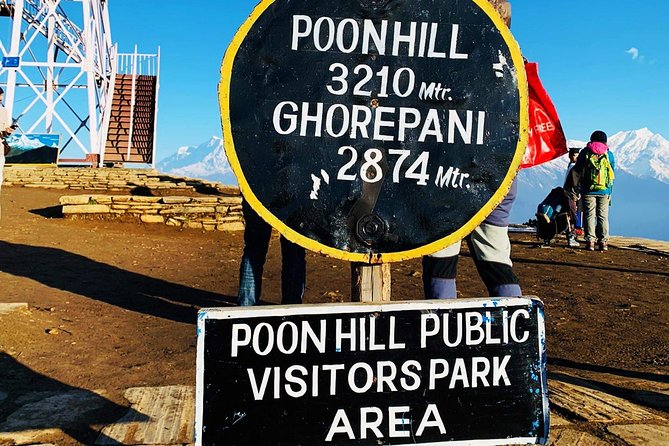
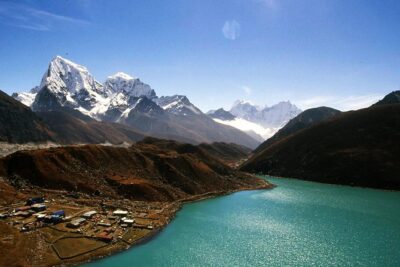
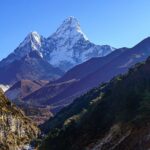
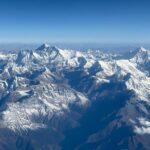
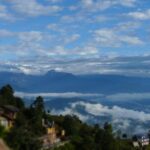
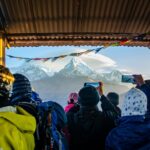
Poon Hill is famous for one reason: it’s the spot where sunrise comes into focus. From 3,210 m, the view is the main event, and the mountain lineup is not shy. Expect sights of Annapurna, Manaslu, Dhaulagiri, and other peaks when weather cooperates.
What I like about choosing Poon Hill first is the practicality. You get Himalayan drama without committing to a long, high-altitude trek. This is why you’ll see it marketed as a “moderately fit” experience that many people can handle. The altitude number sounds high on paper—because it is—but the route is designed as a lower climb compared to the big peaks.
Also, sunrise isn’t just a scenic add-on here. It’s the reason the walk has meaning. You’re hiking with an actual goal in mind, not just “go up and hope for views.” That focus helps with pacing and motivation.
You can also read our reviews of more hiking tours in Kathmandu
A realistic 4-day flow through villages, forests, and the classic route
This is a 4-day trek, and you can think of it as a “classic” Poon Hill route that often connects the areas people talk about together: Ghorepani – Poon Hill – Tadapani – Ghandruk. Even if your exact stops vary a bit based on your customization, the structure stays similar: you gradually climb through inhabited terrain, then reach the viewpoint for sunrise, and continue through the region on day hikes between villages.
Here’s what you can expect, in plain terms:
Day 1: Start hiking through farmland and village life
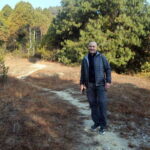
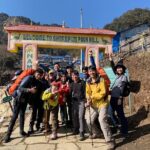
Your trek begins from the Kathmandu side (you’re meeting at 9:15 am), and then you move into the walking sections. Early on, you’ll pass terraced farmland and remote villages. These aren’t just “scenery between peaks.” They show you what people are doing here day to day—how the land is shaped, where trails cut through fields, and what daily life looks like before you reach the viewpoint.
The advantage of this start: you ease into the trek with constant things to look at. You’re not staring at empty slopes for hours waiting for something to happen.
Day 2: The forest-to-viewpoint day
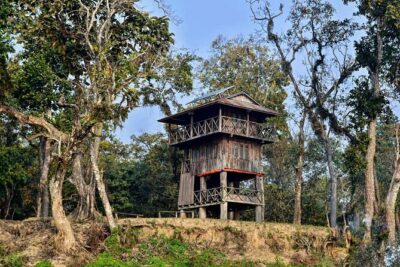
As you get closer to Poon Hill, the walk moves through dense old forests. This matters more than it sounds. Forest hiking changes your rhythm: it can be cooler, the air feels different, and the route is often shaded. It’s a good break from harsher open-sun sections that can drain you on a long day.
This is also where the trek starts to feel like a journey toward a single payoff. You’ll be building up to the sunrise viewpoint.
Day 3: Continue on toward Tadapani and Ghandruk
Around mid-trek, you transition deeper into the classic route, including the Tadapani and Ghandruk area stops that show up again and again. These are places where the trek becomes more about settlement and scenery—village perspectives on the mountains, plus that sense of being in a real community, not a “tour bubble.”
If you enjoy meeting people and watching how small places work—shopfronts, guesthouses, trails linking homes—this part tends to land well.
You can also read our reviews of more tours and experiences in Kathmandu
Day 4: Finishing the loop and heading back
The trek wraps after the hiking days, and you’ll be done with the big walking effort within the stated 4-day window. Because your guide helps with planning, the return side is usually straightforward compared to DIY treks where you have to hunt down confirmations and bookings yourself.
Guides make or break Poon Hill, and the good ones are very good
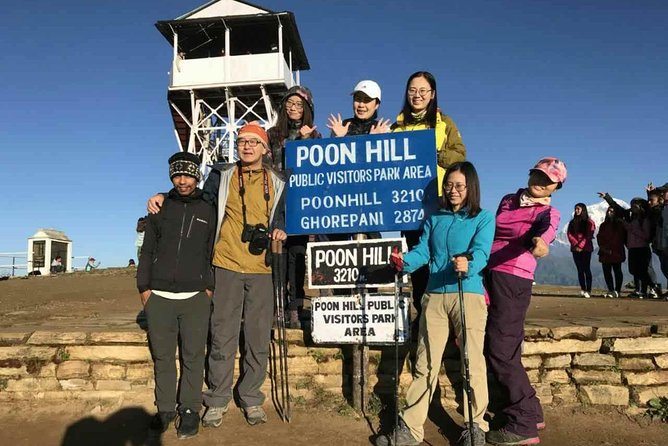
For this trek, the guide is not a “nice extra.” It’s the difference between a straightforward walk and a trek that feels like it has a story.
The most praised guides in the material include Binod Silwal, Bikram, and Jayaram KC, plus additional guide names like Binot, Chandra, and Tobonath mentioned for excellent service and smooth planning. Common themes show up again and again: clear communication, good preparation, and English that helps you understand what you’re seeing.
I especially value guides who do more than point at peaks. One guide was praised for knowing where to find delicious, organic local food, which is the kind of detail that turns a route into a lived experience. Another key benefit: your guide helps line up accommodations (so you’re not making last-minute decisions in a place where timing matters).
One more practical upside: since this is private, your guide can adjust to your pace. That means fewer “hold up, wait, rush” moments that can sap the fun on a short trek.
What’s actually included (and what you’ll pay for yourself)
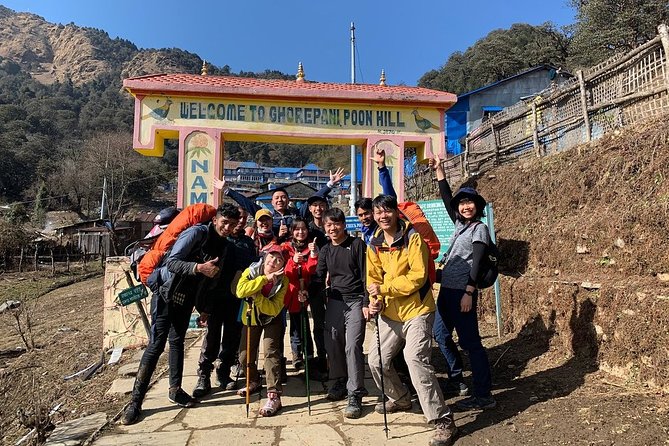
This trip lists private transportation as included, and you’re also told pickup is offered and you’ll receive a mobile ticket. The trek itself is guided, and the overview indicates your guide takes care of essentials like accommodation planning and avoiding the stress of getting lost.
Here’s the part you should budget for: lunch and dinner are not included. That’s not a deal-breaker, but it changes how you plan your daily spending. On treks like this, meals can vary in price and quality depending on the village and the choices you make.
My advice: treat meals as part of the trek budget, not a surprise add-on. If you’re the type who hates decision fatigue, you’ll still want to ask your guide what’s typical and where you’ll eat each day.
Price and value: $405 for a private 4-day trek where logistics matter
At $405.13 per person, this is positioned as a value-focused private trek. Whether it’s a good deal depends on what you’d spend to do the same trek on your own.
You’re paying for:
- Private guiding and the ability to tailor the route
- Private transportation
- Your guide handling accommodation planning so you don’t have to chase confirmations
- A trek built around a specific payoff (sunrise at Poon Hill) instead of random hikes
That “less stress, more walking” trade can be worth a lot, especially on a short 4-day schedule. When you have only a few days, downtime planning can eat your time fast. A well-run guide plan helps protect your energy for hiking and viewing.
Also, this is widely booked (on average, about 158 days in advance), which usually signals that people find this workable in the seasonal rhythm. If you’re traveling in a popular window, booking early gives you more choices.
Fitness level: moderately fit usually means you should walk regularly
This trek is described as best suited for moderately fit travelers, and it also says most travelers can participate. Translation: you don’t need to be training for a mountaineering summit, but you should be comfortable hiking on uneven paths for multiple days.
Because the highlight is sunrise from 3,210 m, you should expect early-morning planning around viewpoint time. That doesn’t automatically mean suffering all day, but it does mean you’ll want enough stamina to keep walking when your body is still waking up.
If you’re coming from a sedentary lifestyle, the best move is simple: start walking on a schedule now. Even short walks with hills (or stairs) can make the trek feel manageable instead of punishing.
Weather: the one variable you can’t control (so plan smart)
This experience requires good weather. If it’s canceled due to poor weather, you’ll be offered a different date or a full refund. That’s important, because sunrise views depend on visibility and cloud cover.
Practical take: treat your trip as weather-flexible. If you’re in Nepal with tight timing and only one possible date range, you’re taking on a little risk. If you can shift your schedule by a day or two, your odds improve.
Who should book this Poon Hill trek (and who might not)
I think this trek is a strong fit if you:
- Want a first Himalayan-style trek without going higher than 3,210 m
- Like the idea of a guided walk through farms, villages, and forests
- Prefer private service and a route that can be adjusted
- Want the main payoff—sunrise views of major peaks—within a short 4-day timeframe
You might reconsider if:
- Lunch and dinner being on you affects your budget
- You can’t be flexible with dates if weather blocks the sunrise-view plan
- You’re looking for a very independent, DIY experience (because this is built around having your guide handle the moving parts)
Should you book?
If you want a mountain-view trek that’s short, guided, and built around a clear sunrise target, I’d book this. The value comes from private planning and the way your guide supports the experience—especially with accommodations and pacing—so you spend less time worrying and more time walking.
My deciding tip: if you like structure (a plan, support, and local guidance), this will feel like a win. If you hate paying extra for meals and you’re trying to squeeze every dollar, you might compare a less-guided or group option. For most people aiming for an efficient first trek, a private Poon Hill plan at this price point is a solid match.
FAQ
Where is the 4 Days Poon Hill Trek located?
The trek is based in Kathmandu, Nepal.
How long is the trek?
The duration is 4 days (approximately).
What time does the trek start?
The meeting/start time is 9:15 am.
How high do you go at Poon Hill?
Poon Hill is at 10,531 feet (3,210 meters).
What views will I see from Poon Hill?
From Poon Hill you can view sunrise and see mountains including Annapurna, Manaslu, Dhaulagiri, and others.
Is this tour private?
Yes. It’s a private tour/activity, so only your group participates.
Can the itinerary be customized?
Yes. This private trek can be customized to suit your needs.
What is included in the price?
Private transportation is included.
Are lunch and dinner included?
No. Lunch and dinner are not included.
What happens if the weather is poor?
This experience requires good weather. If it’s canceled due to poor weather, you’ll be offered a different date or a full refund.