REVIEW · KATHMANDU
Everest Base Camp Helicopter Tour
Book on Viator →Operated by Trekking Planner Nepal · Bookable on Viator
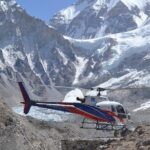
Everest Base Camp by helicopter turns distance into minutes. You fly out of Kathmandu for about 3.5 hours of flight time and get long looks at Everest’s backyard, with views over glaciers, lakes, rivers, and traditional villages. For people who don’t want to spend a week trekking just to see the high country, this is the quickest way to go big.
I also like how the day is built around real-world timing: there’s pickup from your hotel area, time in Lukla for refueling, and then a ground stop at Everest View Hotel. One thing to watch is the Kalapatthar landing is not guaranteed on shared flights, and it depends on how many passengers are in the helicopter.
In This Review
- The Big Idea: See Everest’s High Country Without the Trek
- Timing and the 4-Hour Day: What Your Schedule Looks Like
- Flying Over Everest: Why the Route Feels Like More Than a Photo Stop
- Lukla Refuel Break: The Unplanned Part That Still Belongs
- Kalapatthar Landing Rules: Shared vs Private (And Why It Changes Your Chances)
- Everest View Hotel Breakfast Stop: A Ground Moment in the Clouds
- Value and Price: Is $1,699 Worth It?
- Weight, Weather, and Packing Smart for Helicopter Time
- Group Size and How Crowds Affect Your Flight Experience
- Who This Helicopter Tour Suits Best
- The Booking Experience: Smooth Coordination Matters
- Should You Book the Everest Base Camp Helicopter Tour?
- FAQ
- How long is the Everest Base Camp helicopter tour?
- Do you get pickup from your hotel?
- Is Kalapatthar landing included for everyone?
- What is the weight limit for passengers?
- What’s not included in the price?
- When does the tour operate?
The Big Idea: See Everest’s High Country Without the Trek
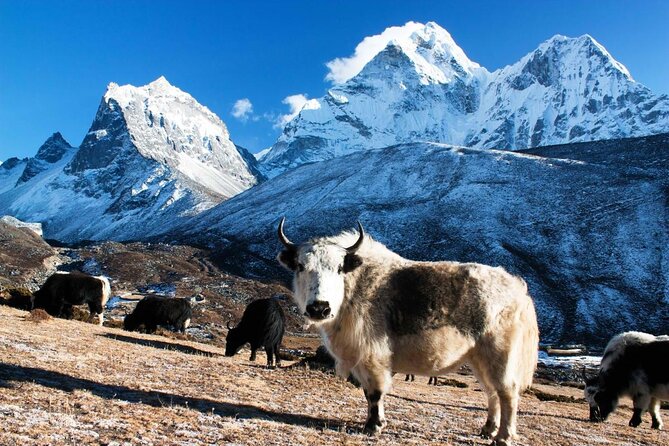
If Everest Base Camp is on your bucket list but your calendar says no, this tour is designed for you. Instead of days of walking at altitude, you get the key “Everest moment” by air: long visual access to the region that trekkers spend hard-earned time reaching.
What makes this experience especially interesting is the way the flight segments are laid out. You’re not just taking a quick scenic loop. The schedule includes extended viewing time over the high terrain, plus operational time at Lukla for a 10–15-minute refuel break. That refuel stop matters because it explains why the experience feels full, not rushed.
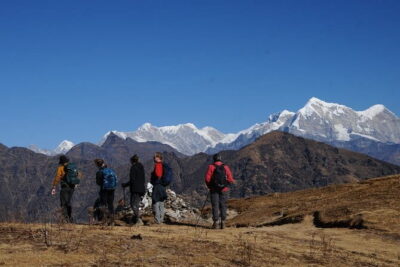
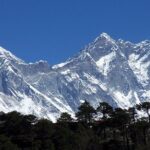
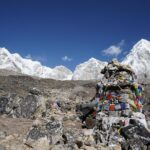
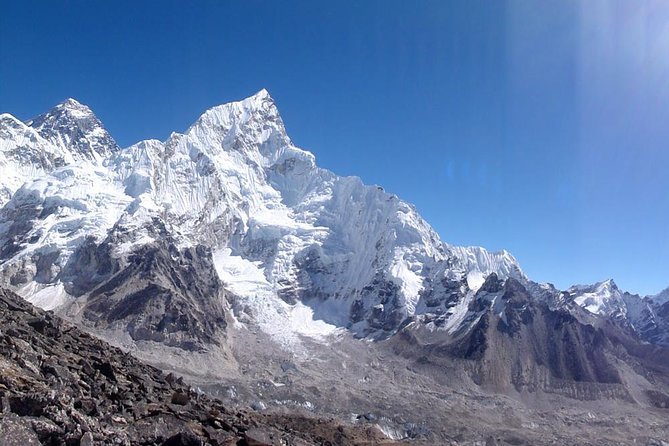
For the sights, you can expect a mix of what the Everest region is famous for: steep ridges, glacial terrain, and river systems carving through valleys, with forests showing up between the rocks. This is one of those tours where the plane window is your main attraction, so your best “souvenir” is time spent staring out.
Timing and the 4-Hour Day: What Your Schedule Looks Like
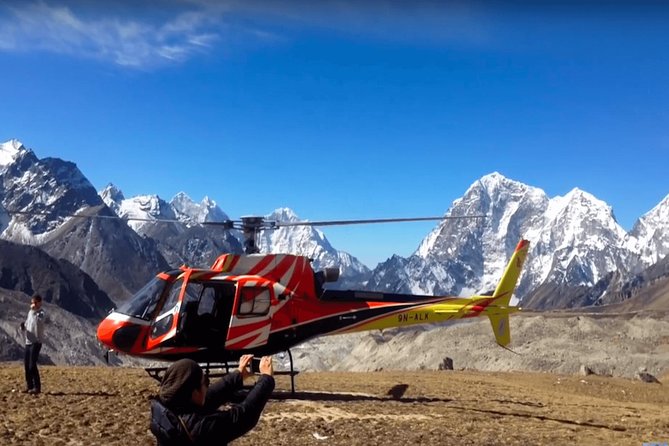
The overall experience runs about 4 hours (approx.), which is helpful if you want something you can fit between other Kathmandu plans. The flight time itself is listed as about 3 hours 30 minutes, with the ground moments doing the heavy lifting for atmosphere.
Your day typically follows this logic:
- Pickup and transport to the domestic airport in Kathmandu and back (included)
- A flight segment that includes about 45 minutes of flying focused on the Everest/Basem Camp area views
- A Lukla refueling stop (about 10–15 minutes)
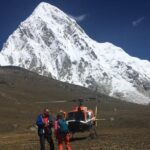
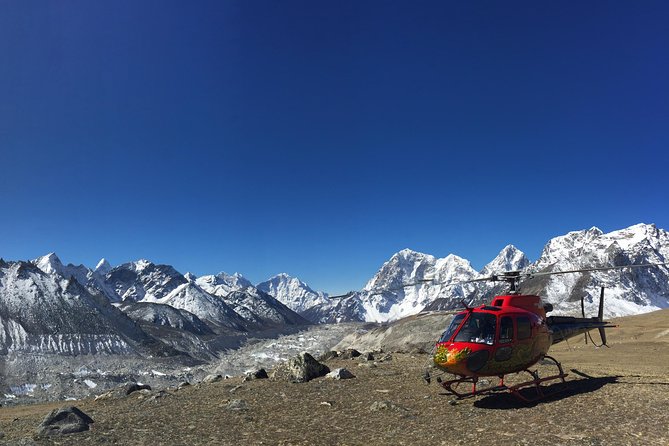
- After the flight over, a landing at Everest View Hotel for a short break (about 45 minutes to 1 hour)
The hotel stop is short, but it changes the feeling of the tour. You’re not stuck only in the helicopter. You land, stretch a bit, and get time to reset before heading back.
One practical note: the tour is listed as operating within 6:15 AM to 6:15 PM, every day of the week. Exact departure times aren’t provided here, so plan to be flexible and keep your morning or afternoon open depending on your selected slot.
You can also read our reviews of more tours and experiences in Kathmandu
Flying Over Everest: Why the Route Feels Like More Than a Photo Stop
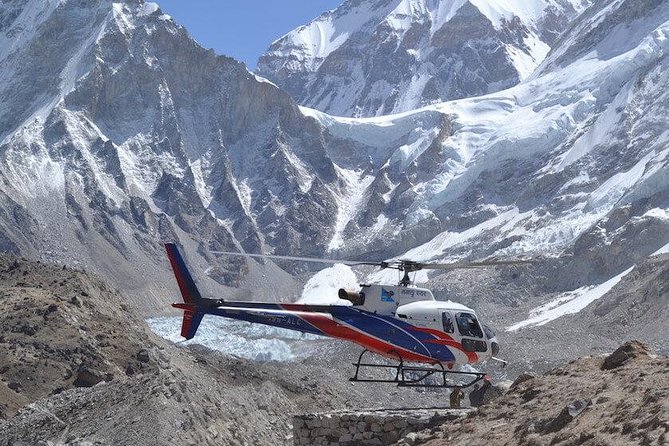
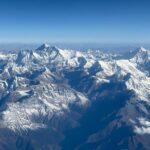
The flight is where you’ll spend most of your attention, and the itinerary is pretty specific about what you’re looking for. You get views of:
- Mountain peaks
- Dense forests
- Glaciers
- Lakes and rivers
- Traditional villages
That mix is important. The Everest region isn’t just snow and rock. It’s also human-scale settlements tucked into valleys, plus thick green patches lower down that help you understand how dramatic the elevation change really is.
I also appreciate that the tour schedule acknowledges how helicopters work in high terrain. The Lukla refueling break isn’t a random pause. It’s part of the reality of flying in Nepal, and it’s one reason the experience doesn’t feel like a 20-minute drive-by.
Lukla Refuel Break: The Unplanned Part That Still Belongs
You’ll see a short break in Lukla for refueling, about 10–15 minutes. From a rider’s-eye view, this is likely where the tour feels most “real,” because it reminds you that you’re moving through an active aviation route, not a closed sightseeing bubble.
What to do with that time:
- Take the moment to look for a good angle if you’re outdoors briefly
- Use it as your chance to get comfortable before the next flight leg
- Keep your layers ready, even if it seems warm in Kathmandu
Also, because this portion is time-limited, you shouldn’t count on long wandering. Think of it as a quick operational stop that keeps the rest of the tour on track.
Kalapatthar Landing Rules: Shared vs Private (And Why It Changes Your Chances)
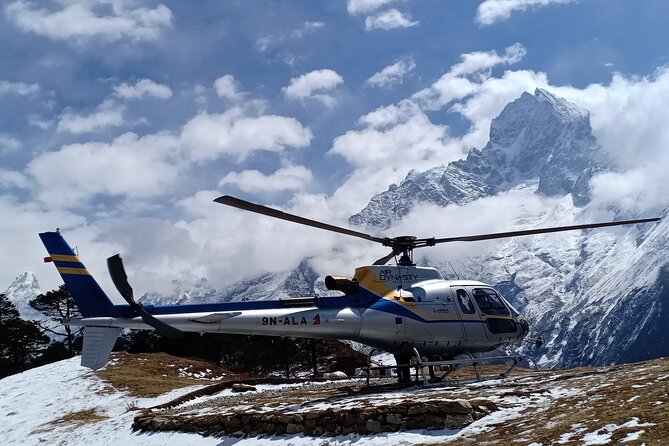
This is the part you should treat like a checklist item when you book: Kalapatthar landing availability varies based on whether you’re on a shared helicopter and how many passengers are in it.
Here’s what the provided details say:
- Landing at Kalapatthar is limited.
- On sharing, Kalapatthar landing is tied to having 2 passengers in the helicopter.
- In a shared helicopter with 5 passengers, the helicopter doesn’t land at Kalapatthar.
- On a private helicopter, when there are 2 passengers, the helicopter lands. If there are 5 passengers, it doesn’t land.
So what does that mean for you? It means the most “headline” landing may not happen unless your group size lines up with the landing rules. If Kalapatthar is a must-have for your dream photo or viewpoint, you’ll want to ask direct questions before you pay:
- How many people are in your planned helicopter?
- Will your package include a Kalapatthar landing, or is it conditional?
If you’re flexible and you mainly want Everest views from the air, missing a Kalapatthar touchdown may be disappointing but still leaves you with major scenery from the flight itself. If you’re fixated on the landing point, you’ll need to manage expectations early.
Everest View Hotel Breakfast Stop: A Ground Moment in the Clouds
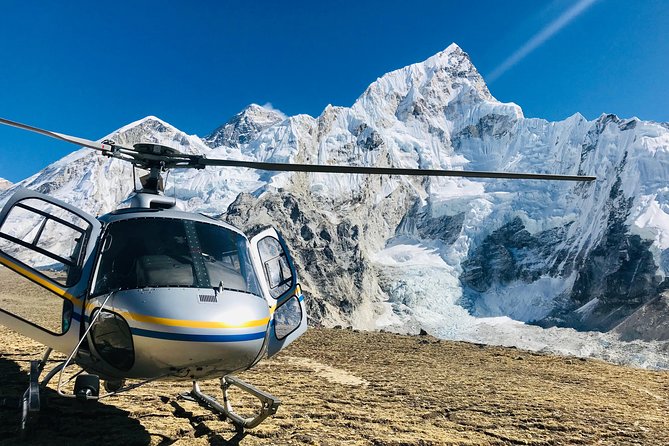
After the flight over, the helicopter lands at Everest View Hotel for a break. You get about 45 minutes to 1 hour, and the schedule notes a breakfast stop.
One detail to double-check: the “not included” list says meals are excluded, but the itinerary clearly describes a breakfast moment at Everest View Hotel. Because those two sections conflict, the safest move is to confirm what’s covered in your exact package when you book.
Even with that caveat, the hotel stop is valuable for two reasons:
- It gives you a chance to step out of the helicopter and reset
- It adds a sense of arrival, not just flying overhead
If you’re the type who likes a quick ritual during trips—tea, a bite to eat, a moment to plan your next view—that ground time can make the whole tour feel more complete.



Value and Price: Is $1,699 Worth It?
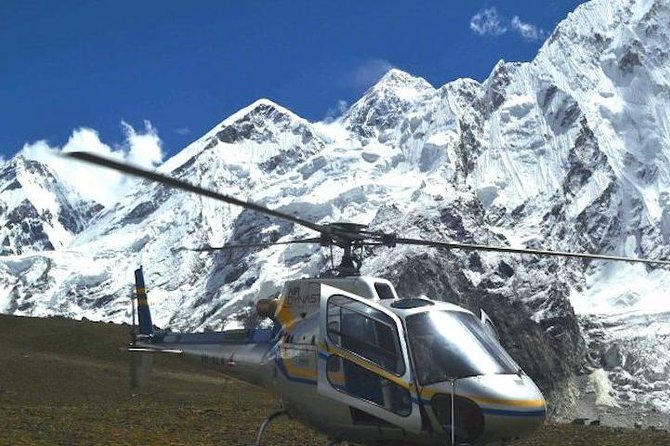
At $1,699 per person, this isn’t a bargain. It’s expensive because you’re paying for something rare: direct flight time into one of the world’s most remote mountain regions with major aerial time built in.
What you get for the money includes:
- Hotel-to-airport transport in Kathmandu and back
- Guides and on-the-ground support on the heli tour
- Daily wages and medical insurance coverage (listed as included)
- A comprehensive medical kit and first aid kit
- Meals and other allowance are listed as included, even though the “not included” section says meals are excluded—so confirm the exact meal coverage for your booking
What you don’t get includes:
- Nepal visa and international airfare
- Personal travel/medical insurance
- Personal expenses, tips/gratuities, and major drinks
- A personal clothing/gear plan (down jackets and personal belongings are on you)
- Some fees/taxes are listed as not included
- Emergency evacuation coverage is not included, and if the flight can’t be completed within the proposed duration, refunds are not entertained (though they may provide a letter for insurance claims)
So is it worth it? For the right traveler, yes. This tour is a value play if you:
- Want the Everest Base Camp experience but can’t commit to trekking time
- Want the most “wow per day” option from Kathmandu
- Prefer comfort and speed over altitude training and long hikes
It’s not a value play if you’re hoping for the cheapest possible Everest experience or if you’re likely to be unhappy if Kalapatthar landing doesn’t happen on your schedule.
Weight, Weather, and Packing Smart for Helicopter Time
The tour lists a total weight limit of 265 lbs per passenger. That’s a hard constraint, so keep it in mind when you pack and when you think about who should ride.
Weather is also handled differently than some tours. It operates in all weather conditions, and you’re told to dress appropriately. That doesn’t mean you’ll get perfect visibility every time, but it does mean you should prepare for cold air and fast changes.
What I’d pack (based on the reality of Everest-area air temps and short time windows):
- A warm layer system you can adjust quickly
- Wind protection
- Gloves and a hat (for the helicopter wind chill)
- Sunglasses (high altitude glare can be intense even when you don’t feel it)
- Your personal medical items if you have any specific needs
Also, the tour is listed as allowing service animals, and children must be accompanied by an adult. If you’re traveling with kids, plan for shorter attention spans since the itinerary is compressed into a few key moments.
Group Size and How Crowds Affect Your Flight Experience
This tour caps at maximum 10 travelers. That’s relatively small for Kathmandu, and it usually helps keep logistics simpler.
But your most important “crowd factor” is your helicopter passenger count, because it affects Kalapatthar landing odds. A shared helicopter may or may not land at Kalapatthar depending on whether there are 2 or 5 passengers.
If you’re sensitive to crowded conditions or you care about landing at Kalapatthar, private arrangements (or a smaller group setup) will likely feel more controlled. If you don’t mind simply seeing the region from the air, shared can still deliver a lot.
Who This Helicopter Tour Suits Best
This is an ideal fit if you want a short, high-impact Everest experience and you’re okay with paying for speed.
You’ll likely love it if you:
- Have limited time in Nepal
- Want to avoid the physical demands of trekking
- Are planning other Kathmandu activities and need a half-day style plan
- Value aerial sightseeing and don’t require long on-the-ground hiking
You might reconsider if:
- Kalapatthar landing is non-negotiable for you
- You’re traveling with someone who needs very flexible schedule changes (the tour has a proposed flight duration, and refunds aren’t entertained if the flight doesn’t match that plan)
- You’re hoping meals and taxes are fully covered without checking details
The Booking Experience: Smooth Coordination Matters
One of the best things about this kind of tour is that it lives and dies on coordination. The operator behind these experiences is known for making the process easier, with Dipak highlighted as responsive during planning.
You’ll also want a sharp reminder for yourself: Nepal aviation can bring surprises. A rider praised the pilot and the way the team handled unexpected travel complications, including getting views that exceeded expectations. That kind of competence matters more than fancy promises.
Should You Book the Everest Base Camp Helicopter Tour?
Book it if you want the Everest Base Camp area in a few hours, not a week, and you’re excited by the idea of long views from the air. The flight time, the mix of scenery (forests to glaciers to villages), and the short stop at Everest View Hotel make this feel like a complete Everest taste-test, even if it’s not a trek.
Hold off or book with extra questions if Kalapatthar landing is your top priority. The rules are clear that landing chances depend on passenger counts in shared helicopters. If you’re not prepared for that, you’ll want to confirm details before you commit.
If you’re willing to plan smart, dress for cold and wind, and accept that helicopter landings have limits, this is one of the most efficient ways to see Everest’s high country from Kathmandu.
FAQ
How long is the Everest Base Camp helicopter tour?
The total experience is listed at about 4 hours (approx.). The flight time is about 3 hours 30 minutes, with a short refueling stop in Lukla and a ground break afterward.
Do you get pickup from your hotel?
Yes. Transportation to the Kathmandu domestic airport from your hotel and back is included.
Is Kalapatthar landing included for everyone?
Not always. Kalapatthar landing is described as limited based on whether you’re sharing and how many passengers are in the helicopter. In a shared setup with 5 passengers it does not land at Kalapatthar, while a setup with 2 passengers is described as landing there.
What is the weight limit for passengers?
The tour lists a total weight per passenger limit of 265 lbs.
What’s not included in the price?
Not included: Nepal visa, international airfare, personal travel and medical insurance, personal expenses and tips, down jackets/personal gear, emergency evacuation coverage, and some fees and taxes. The details also note that breakfast/all meals may be excluded, so confirm what’s covered in your package.
When does the tour operate?
The listed opening hours are Monday to Sunday, from 6:15 AM to 6:15 PM. The exact start time depends on your booking slot.