REVIEW · KATHMANDU
Annapurna Poon Hill Trek Package in Nepal Himalayas
Book on Viator →Operated by Himalayan Recreation Treks & Expedition Pvt.Ltd · Bookable on Viator
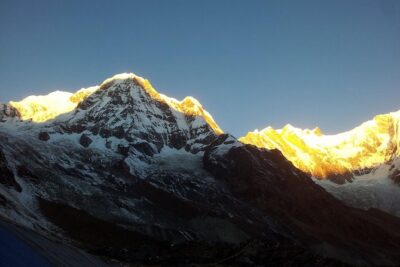
Sunrise over the Annapurnas is a brain reset. I like that this package pairs you with a government-licensed private trekking guide and includes trekking poles and safety gear, so you can focus on the walk and not the shopping list. One real consideration: the trek reaches about 3,210 m, and weather can shift quickly, so it’s worth talking with your doctor about altitude and your health limits.
What also makes this feel like good value is the way it handles the heavy logistics. You get round-trip transport between Kathmandu and Pokhara, then pre-booked places to sleep (a 3-star hotel in Pokhara and tea houses on the trail), plus breakfast, lunch, and dinner while trekking. You’ll be moving as a group (up to 12 people per booking), so if you like total solitude, this package might feel a little social.
In This Review
- Key things I think you’ll care about on this Annapurna Poon Hill Trek
- Why the Annapurna Poon Hill trek is such a smart “starter” Himalayan hike
- Getting from Kathmandu to Pokhara: where the trip finds its rhythm
- Day 1 in practice: Pokhara views, lake time, and an early return to normal sleep
- Day 2: Ulleri, Nayapul, and the first taste of the Annapurna foothills
- Day 3: Ghorepani climb, Nangethanti in the middle, and Annapurna + Machapuchare views
- Day 4: Poon Hill sunrise is the main event, then Ghandruk for your overnight
- Day 5: Trek down to Nayapul, then Pokhara again
- Day 6: Back to Kathmandu plus a cultural show dinner
- What’s included (and what that means for your day-to-day comfort)
- Lodging: hotel in Pokhara, tea houses on the trail
- Meals: breakfast, lunch, dinner while trekking
- Guide + gear + safety support
- Permits: TIMS card and Annapurna trekking permit included
- One thing a good guide changes: confidence on a route like this
- Price and value: $599 for a packaged Annapurna Poon Hill trek
- Packing lightly and respecting altitude reality
- Who should book this trek (and who should be cautious)
- Should you book this Annapurna Poon Hill trek package?
- FAQ
- How long is the Annapurna Poon Hill trek package?
- What does the trek cost?
- What transportation is included from Kathmandu to Pokhara and back?
- What kind of lodging is included?
- Are meals included during the trek?
- How high do you trek in this package?
- Are permits included?
- Do I need travel insurance?
- Can I cancel and get a full refund?
Key things I think you’ll care about on this Annapurna Poon Hill Trek
- Private trekking guide with first aid awareness: you’re not figuring out trails alone.
- Trekking poles and safety gear included: fewer items to pack, fewer last-minute purchases.
- Two hotel nights in Pokhara, then tea houses on the trek: comfort where it matters.
- Meals are covered while trekking: less decision-fatigue after a long day of hiking.
- TIMS and Annapurna trekking permit included: paperwork is handled for you.
- Poon Hill sunrise timing: early morning starts are part of the deal for clear views.
Why the Annapurna Poon Hill trek is such a smart “starter” Himalayan hike
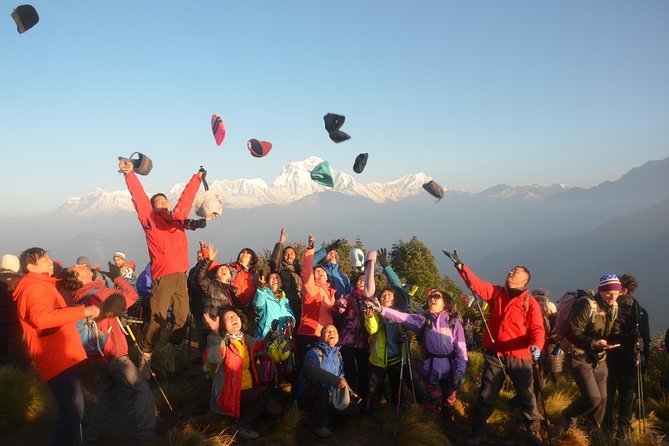
Poon Hill is famous for a reason. The viewpoint is set up for sunrise views across the Annapurna range, and that early start changes the whole mood of the day. When you’re working on a shorter trek, having a payoff like that at the end of your climb is a big deal.
This package is built around making the trek approachable without turning it into a walk in the park. You’re still trekking at altitude, you’ll gain elevation on the way to viewpoints, and you’ll be outside most of the day. But you’re supported with a guide, gear support, and included meals—so the hardest parts stay on the trail, not in your inbox or in your bag.
You can also read our reviews of more hiking tours in Kathmandu
Getting from Kathmandu to Pokhara: where the trip finds its rhythm
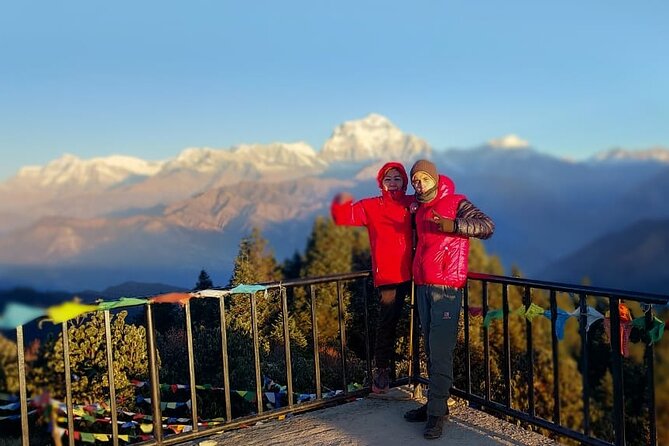
Your itinerary starts with pickup in Kathmandu and an overland transfer to Pokhara on the Prithvi Highway (about 6–7 hours). The goal here is simple: you get repositioned close to the trailhead with less stress than doing it on your own.
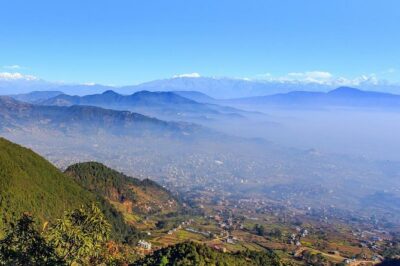
Along the way, you’ll have stops that help you shake off jet lag and get oriented—like Phewa Tal (with admission listed as free in the plan) and time around Pokhara Lakeside and Begnas Lake. Even if these aren’t the main event, they’re useful. You arrive in Pokhara with your footing and your expectations set.
Then you sleep in a 3-star hotel for two nights in Pokhara. That matters more than it sounds. After travel, the first “real” trek day can feel long. A real bed and a proper reset night makes sunrise hiking day easier.
Day 1 in practice: Pokhara views, lake time, and an early return to normal sleep
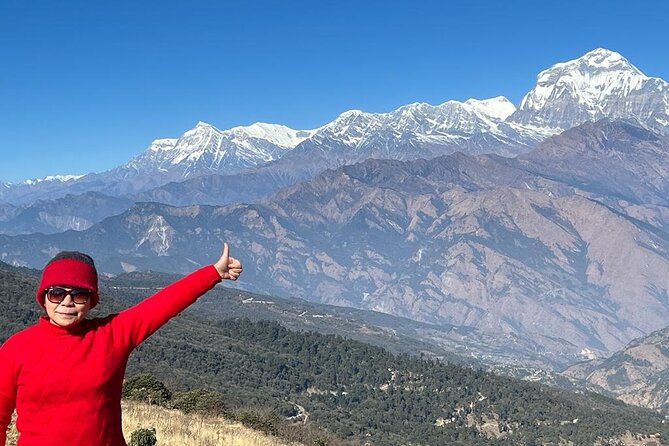
On Day 1, you’re picked up from your Kathmandu accommodation in the early morning and driven to Pokhara. You’ll explore local spots in the Pokhara area, including lake scenery and time near the lakeside.
The trade-off is time. Day 1 is a transport day, not a trek day. But the payoff is you avoid scrambling around Pokhara trying to lock in schedules the night before your first hiking segment.
Day 2: Ulleri, Nayapul, and the first taste of the Annapurna foothills
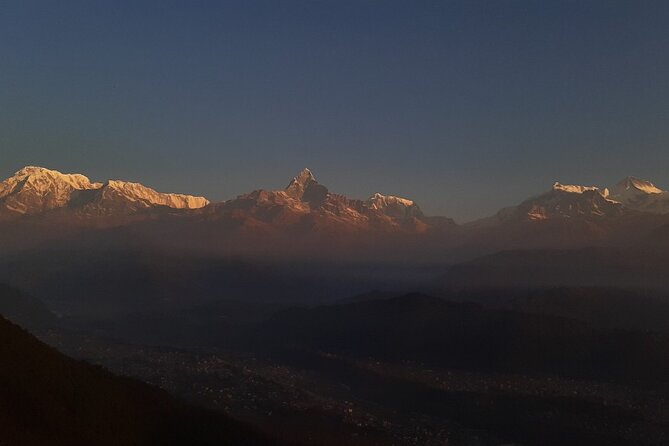
Day 2 is your “start moving” day. You begin with an hour-long drive to Nayapul, with mountain views in the background as you get going. From there, you start hiking at Nayapul and follow the route toward Birethanti, then onward toward Ulleri.
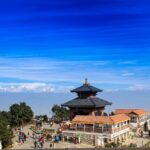
This is where the trek begins to feel like a journey instead of a checklist. Trails in this region often switch between downhill and uphill grades, and the village-to-village pacing is part of the experience. You’ll also see the Peace Temple along the way in this route plan, which gives you a calmer moment away from the constant walking.
A practical tip: this is a good day to not rush. Even if you feel strong, treat Day 2 like your warm-up for the viewpoint pushes ahead.
Day 3: Ghorepani climb, Nangethanti in the middle, and Annapurna + Machapuchare views
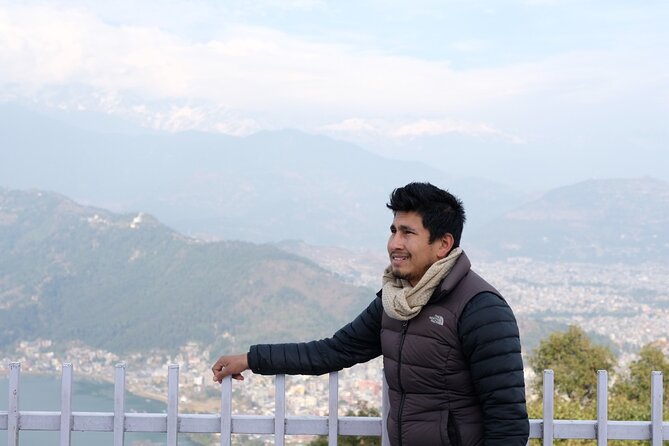
Day 3 starts after breakfast, then you head toward Ghorepani with a steady elevation gain (the plan notes around 1,000 meters of ascent early in the day). The hike takes you toward Nangethanti, which is a key waypoint before you continue toward Ghorepani.
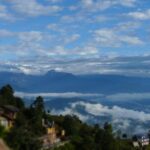
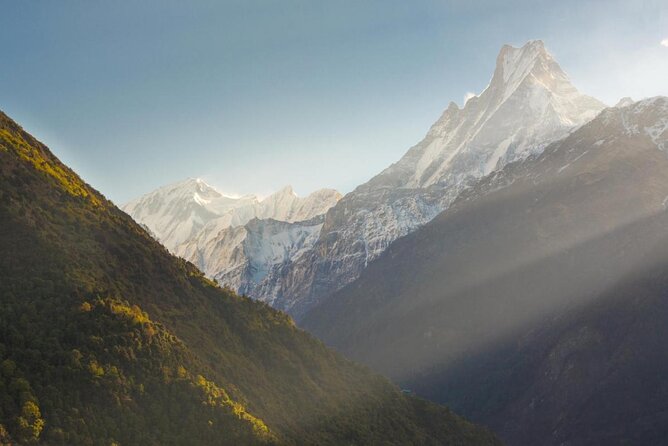
The reason this day is worth paying attention to is the view timing. You get listed viewpoints of the Annapurna Mountain Range and also Machapuchare (the Fish Tail). You don’t have to be a mountaineer to appreciate the difference between “walking in the hills” and “oh, that’s the Annapurna chain.”
Expect this to be a legs-and-breath day. The altitude is starting to matter more, and the pace you choose will pay off tomorrow. If you’re the type who likes to take frequent short breaks, this is the day to do it.
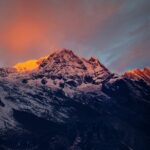
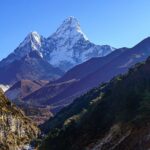
Day 4: Poon Hill sunrise is the main event, then Ghandruk for your overnight
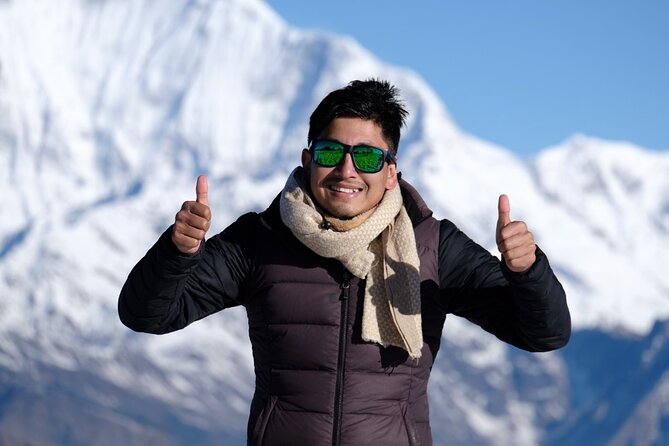
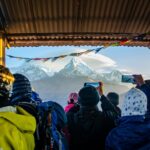
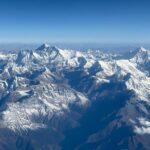
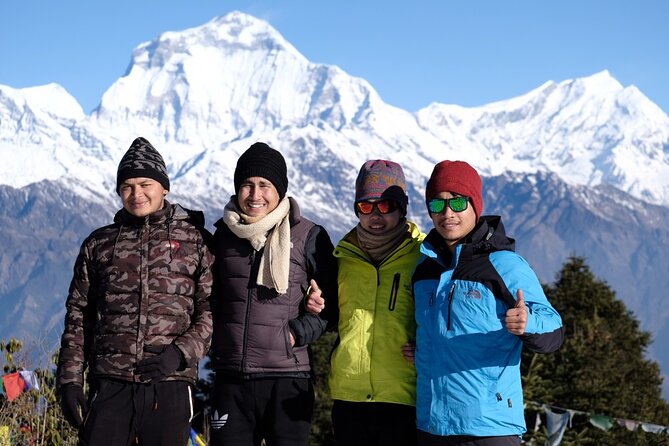
Day 4 is the whole reason most people choose this trek. You wake up early to reach Poon Hill before sunrise, when the plan calls out for clear views and the famous sunrise panorama over the Annapurna chain. If you’ve never done a Himalayan sunrise before, understand this: you’re walking in colder air, and you’ll likely feel the altitude before you feel the satisfaction.
Once you get the views, you then head toward Ghandruk for your overnight stay. The route plan highlights Ghandruk as a beautiful village on trek, and this is where the trekking rhythm changes again. The walk becomes about transitions—morning cold fading into village warmth, then your day ending in a more communal setting.
One more reality check: sunrise days depend on visibility. If clouds roll in, you might not get the full show. That said, being there early is the only way this trek works.
Day 5: Trek down to Nayapul, then Pokhara again
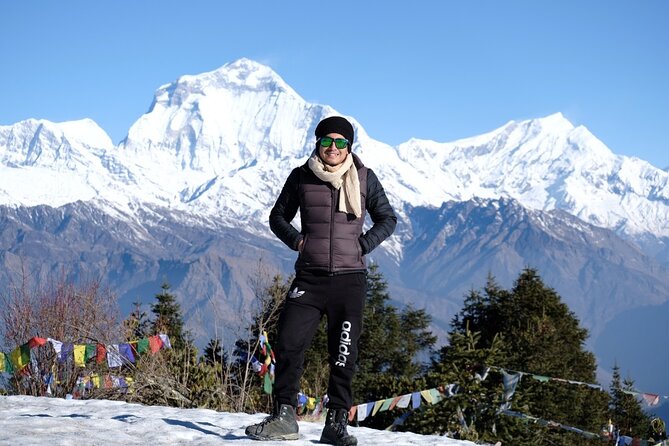
After breakfast, Day 5 shifts from climbing to descending. The plan notes a trek down to Nayapul (about 2 hours), followed by a car ride back to Pokhara.
This is a good day to think about your knees and your foot care. Descents can be more tiring than ascents, even when they feel “easier” on paper. Trekking poles help here, and you’ll be glad they’re included.
Day 6: Back to Kathmandu plus a cultural show dinner
Your trip ends in Kathmandu, with a transfer to your accommodation. The plan also includes an evening dinner that ties in a cultural show, plus visits listed as a Buddhist site, an old royal place, and a peace and quiet place.
This last day is more about letting your body decompress than collecting more hiking miles. If you want to re-focus your senses after trekking, this kind of softer day is a smart way to land the trip.
What’s included (and what that means for your day-to-day comfort)
This package does a lot for you on the “invisible” parts of trekking.
Lodging: hotel in Pokhara, tea houses on the trail
You get two nights in Pokhara in a 3-star hotel and three nights in tea houses during the trek. Tea houses can vary in comfort, but the big value is consistency: you’re not scrambling for rooms each night.
Meals: breakfast, lunch, dinner while trekking
While you’re on the trail, you get breakfast, lunch, and dinner. The plan lists lunch (4), breakfast (5), and dinner (4). It also notes that lunch and dinner in Kathmandu and Pokhara aren’t included—so you’ll still have meal freedom at the start and end of the journey.
In real terms: fewer meal decisions on steep days. You can focus on walking, resting, and taking in the views.
Guide + gear + safety support
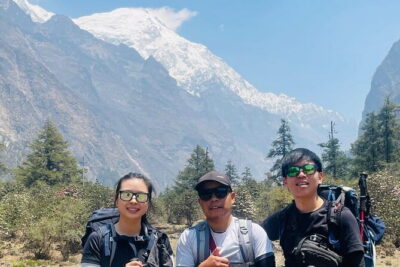
You travel with a private trekking guide who is described as a government license holder. The plan also includes a first aid kit and notes basic first aid training, plus equipment and transportation support for the trekking team.
From a practical standpoint, it reduces risk. You’re less likely to get turned around, and you’re more likely to respond quickly if the body throws curveballs.
Permits: TIMS card and Annapurna trekking permit included
The plan includes an Annapurna trekking permit and a TIMS card (Trekker’s Information Management System). If you’ve ever tried to handle trekking paperwork last minute, you know how much mental load this saves.
One thing a good guide changes: confidence on a route like this
A strong guide isn’t just about knowing the trail. They help you set a pace that makes sunrise possible, help you find the right rhythms for altitude, and they keep you calm if conditions change.
One named guide that stood out in the available feedback is Santosh. That matters because Poon Hill treks often feel simple on paper—until weather, fatigue, or timing turns tricky. Having a guide who can manage real-world conditions makes the experience smoother.
Price and value: $599 for a packaged Annapurna Poon Hill trek
At $599 per person, this package isn’t the cheapest way to do Poon Hill, but it’s also not priced like a luxury boutique expedition. The value comes from what’s bundled:
- Round-trip Kathmandu–Pokhara transport (with luxury tourist bus noted)
- Private guide (including the guide’s food, drinks, accommodation, insurance, salary, equipment, transportation, and local tax)
- Trek poles and safety gear included
- Permits (Annapurna trekking permit and TIMS)
- Lodging (Pokhara hotel + tea houses)
- Meals while trekking
So you’re paying for fewer decisions and fewer gaps. If you’re the type who values having the plan handled, the price makes sense. If you already like organizing your own routes, buying gear, booking tea-house nights, and doing paperwork yourself, then you might feel more value by going DIY. But for most first-time hikers, packaged support is the win.
Packing lightly and respecting altitude reality
The plan asks you to pack light. You’re expected to carry your own luggage, with a recommendation to keep weight under 22 lbs (10 kg). It also says you can leave extra luggage in Kathmandu or Pokhara hotel, and they’ll handle it for you.
Health-wise, this matters: the trek operates at demanding altitudes around 3,210 m. The plan also warns that travellers can experience adverse health effects due to altitude regardless of age or gender, and it recommends discussing the trip with your doctor before departure. If you tend to get headaches, nausea, or fatigue at altitude, don’t assume you’ll adapt by willpower alone. Talk to a professional and plan your pace.
Who should book this trek (and who should be cautious)
This Annapurna Poon Hill trek package is a great fit if you:
- want an iconic sunrise viewpoint without planning every detail
- like having meals and lodging handled in advance
- prefer walking with a private trekking guide rather than relying on guesswork
- are okay with a group structure (max 12 people per booking)
It may be less ideal if you:
- want total solitude or you’re highly sensitive to group pacing
- aren’t comfortable with altitude considerations, even if the trek is shorter
Also note: the plan flags that some sites may have damage from the April/May 2015 earthquakes. That doesn’t cancel the trek, but it can affect which portions you’ll actually see in good condition.
Should you book this Annapurna Poon Hill trek package?
If you want Poon Hill sunrise and the Annapurna views with strong support, I’d book it. The mix of private guide, included trek poles/safety gear, permits, and tea house lodging removes a lot of common “stress points” that can sour a first Himalayan trek.
Before you commit, do two quick checks:
- Are you medically ready for altitude around 3,210 m? If not, talk to your doctor first.
- Can you hike steadily at a group pace and wake up early for sunrise?
If those are yes, this is a practical, well-structured way to experience the Himalayas without turning the trip into a second job.
FAQ
How long is the Annapurna Poon Hill trek package?
The tour is listed as approximately 6 days, including transport between Kathmandu and Pokhara.
What does the trek cost?
The price is $599.00 per person.
What transportation is included from Kathmandu to Pokhara and back?
The plan includes transfers by private car and Kathmandu to Pokhara to Kathmandu by luxury tourist bus.
What kind of lodging is included?
You get 2 nights in Pokhara in a 3-star hotel, plus 3 nights during the trek in tea houses (mountain lodges/guesthouses).
Are meals included during the trek?
Yes. Breakfast, lunch, and dinner are provided while trekking. Lunch and dinner in Kathmandu and Pokhara are not included.
How high do you trek in this package?
The trip involves walking at demanding altitudes of approximately 3,210 m (10,530 ft).
Are permits included?
Yes. The package includes the Annapurna trekking permit and a TIMS card.
Do I need travel insurance?
Yes. Travel insurance that covers medical expenses, including emergency repatriation, is required, and proof must be shown to the tour leader on the first day.
Can I cancel and get a full refund?
Yes. Free cancellation is offered up to 24 hours in advance of the experience start time for a full refund.