REVIEW · KATHMANDU
Everest Base Camp Helicopter Tour With Sharing Flight
Book on Viator →Operated by Nepal Horizon Treks and Expedition Pvt. Ltd. · Bookable on Viator
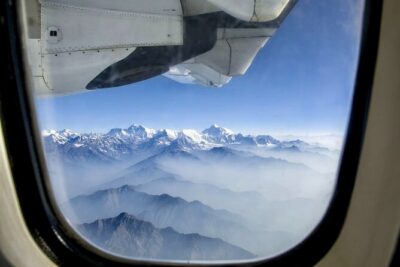
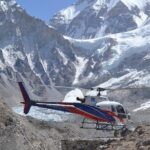
Everest from above is the fastest wow. This Everest Base Camp helicopter tour is built for sky-high views in a tight 4-hour window, including dramatic looks over Mt. Everest plus the Khumbu Glacier and Gokyo Lake. It’s one of the most efficient ways to see the Khumbu region without days of trekking.
Two things I really like: pickup and drop in Kathmandu Valley make the morning easy, and the tour runs as a sharing heli service capped at a small group (up to 5) with insurance coverage. You get the big-adventure feel, without turning it into a complicated day.
One consideration: this is a weather-driven experience. If conditions are poor, the flight may be changed or canceled, and you’ll also want to budget for Everest National Park fees (not included) and bring your passport.
In This Review
- Key highlights before you go
- Everest Base Camp by helicopter: what 4 hours looks like
- Route highlights: Everest, Khumbu Glacier, and Gokyo Lake from the air
- Sharing flight setup: why max 5 matters
- Price and value: what you’re paying for (and what’s extra)
- Morning logistics in Kathmandu: pickup, mobile ticket, passport
- Weather is the boss: how cancellations and reschedules work
- Who should book this helicopter tour—and who should pass
- Should you book Everest Base Camp by helicopter with Nepal Horizon Treks?
- FAQ
- What time does the tour start?
- How long is the Everest Base Camp helicopter tour?
- Where is the tour located?
- Is pickup available?
- Is this a private helicopter or a sharing flight?
- What’s included in the price?
- What is not included?
- Do I need a passport?
- What happens if the weather is poor?
- Can I cancel for a refund?
Key highlights before you go
- Early 5:45 am start to get the best chance of clear views
- Small group sharing with a maximum of 5 travelers
- Insurance coverage included with the shared helicopter service
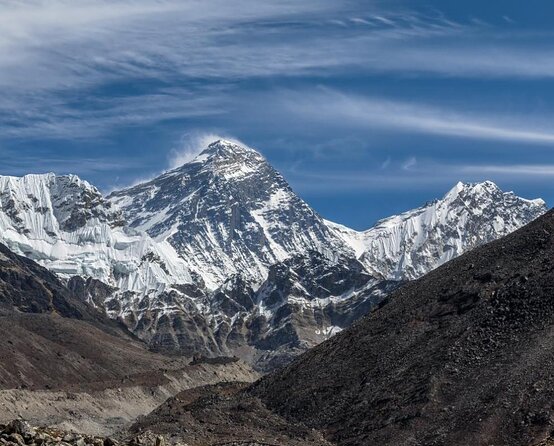
- Signature aerial sights over Mt. Everest, Khumbu Glacier, and Gokyo Lake
- Hotel pickup/drop in Kathmandu Valley plus mobile ticket convenience
Everest Base Camp by helicopter: what 4 hours looks like
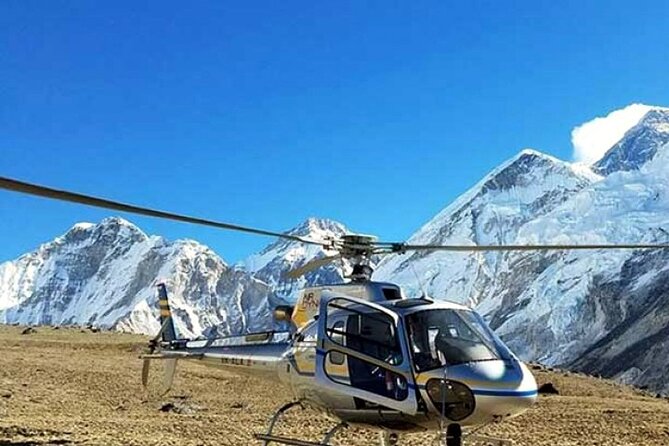
Think of this as a morning “see-the-goods-from-the-air” mission. You start at 5:45 am, and the whole experience is about 4 hours including pickup and drop. For many people, that’s the sweet spot: long enough to make the flight time worth it, short enough that you can still enjoy Kathmandu afterward.
The reason helicopter tours work so well in this part of Nepal is simple. A lot of what makes the Khumbu region special is spread out and hard to access on foot in a short timeframe. From the air, you trade hikes for perspective. In a single flight window, you can see how valleys, ridgelines, glaciers, and lakes relate to each other—without having to guess from a distant viewpoint.
Another practical win: you’re not responsible for figuring out the route, permits, or local timing. The operator (Nepal Horizon Treks and Expedition Pvt. Ltd.) bundles the flight service along with the government and local taxes, plus a fuel surcharge. That matters because helicopters are expensive to run, and hidden add-ons can turn the day sour. Here, you’ll still have a couple items to pay separately (more on that below), but the core plan is packaged.
Finally, the “sharing” model affects your day in a good way. Instead of treating this like a private charter (which is usually far pricier), you share the helicopter and still keep the group small. That tends to make the whole thing feel focused, not chaotic.
You can also read our reviews of more tours and experiences in Kathmandu
Route highlights: Everest, Khumbu Glacier, and Gokyo Lake from the air
This tour is sold on aerial highlights for a reason. You’re explicitly going for unforgettable views of:
- Mt. Everest (from the air)
- Khumbu Glacier
- Gokyo Lake
From the Kathmandu area, those landmarks aren’t just “pretty scenery.” Each one tells a different story about the region.
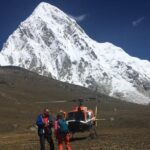
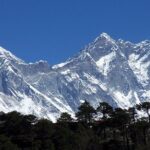
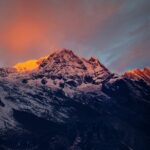
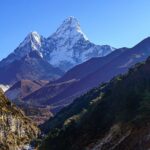
Seeing Everest from above gives you that scale-shock feeling—how huge it is, how the terrain funnels toward it, and how the surrounding peaks form a wall rather than an isolated mountain. Ground views can be limited by distance and weather. From a helicopter, you’re closer to the action visually, and you get angles that are hard to replicate any other way.
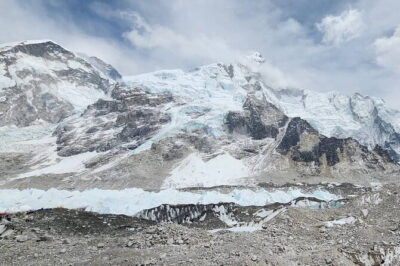
The Khumbu Glacier is a different kind of wow. Glaciers don’t look real until you see their textures and structure from above. In flight, you can spot the way ice flows through valleys and meets the rough edges of the mountains. It’s the kind of view that makes you understand why the Khumbu region is so dramatic and so unforgiving.
Then there’s Gokyo Lake. Lakes at altitude can look unreal even in normal photos. From the sky, you get the layout—how the lake sits among ridges, how it relates to nearby glacial terrain, and how the color changes under changing light and cloud cover. It’s one of those “this doesn’t belong in the same world as my morning commute” moments.
Tip: plan for a photo burst approach, not a slow photo session. Helmet/headset time and seat positioning matter, so it’s smart to be ready when the aircraft gives you the best angles.
Sharing flight setup: why max 5 matters
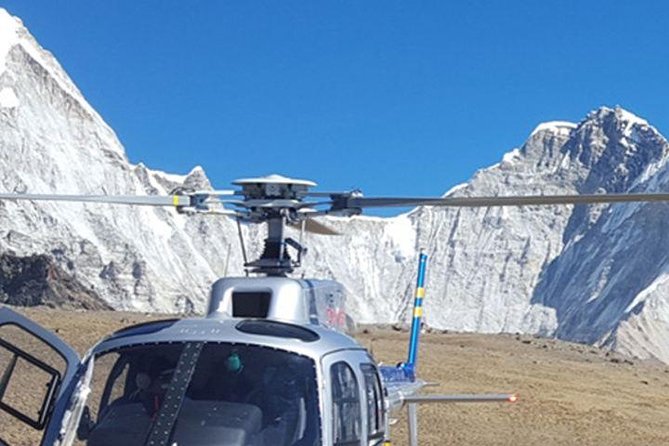
A helicopter tour can feel either roomy and calm, or like a rushed cattle-car situation. This one aims for the calm side by limiting the group size—maximum 5 in the sharing model.
What that means for you:
- You spend less time waiting around for transfers and seat shuffling.
- It’s easier to keep things coordinated when the group is small.
- Your overall experience tends to feel more personal, even though it’s not private.
Also, the tour includes insurance coverage with the shared heli service. That doesn’t remove the reality that weather and flying are serious. But it does add comfort. Helicopters have a strong safety culture, and having insurance included is one less thing for you to worry about while you’re trying to enjoy the flight.
One extra note from the vibe you can glean from how the company is described: the owner/operator is mentioned for careful planning and client care. Dip (the owner) comes up specifically for making the trip work smoothly and on time. Even if you never meet the owner in person, that kind of reputation usually reflects how the operation is run day-to-day: tight schedules, clear communication, and less randomness.
Price and value: what you’re paying for (and what’s extra)
The listed price is $1,550 per person. For Nepal helicopter flights, that number can feel big—because it is big. But it’s also the reality of paying for aircraft time, pilots, fuel, and the logistics of operating in a mountainous environment.
Here’s what your price includes:
- Hotel pickup and drop (or pickup/drop within Kathmandu Valley)
- Sharing helicopter flight service
- All governmental and local taxes
- Fuel surcharge
- Insurance coverage
- Mobile ticket (so you’re not hunting for paper in a rush)
So what’s not included:
- Breakfast: $30 each (optional)
- Everest National Park fees: $30 each
- Personal expenses
- Passport required
The value angle is about clarity and certainty. Your biggest cost components are already covered in the base price, which reduces the chance of unpleasant surprises mid-day. Then you only need to add a couple predictable items: the park fee and whatever you want for breakfast.
If you’re trying to compare value against other ways to reach the Everest region, remember this: you’re paying to see it fast. Trekking is cheaper per day but costs time and stamina. A helicopter tour is the opposite—high cost, high speed, high payoff for people who want the view without days on the trail.
One more practical point: because the tour is weather-dependent, you should be mentally ready for the day to shift. Booking when you have flexibility (not one tight deadline) improves the odds that this stays fun instead of stressful.
Morning logistics in Kathmandu: pickup, mobile ticket, passport
This experience is built around an early start. You’ll begin at 5:45 am, and pickup is available from your hotel or anywhere in Kathmandu Valley. That’s not a small detail. Early morning helicopter days are where people lose time to wrong addresses, late drivers, and basic confusion. Having pickup organized helps you avoid turning anticipation into irritation.
You’ll also use a mobile ticket. That’s convenient, especially if you’re already juggling phone storage limits, SIM cards, or last-minute messages. Still, I’d treat it like an important document—keep it accessible offline if possible.
Then comes the one non-negotiable: carry your passport. The tour data explicitly says that. For any Everest-region aviation plan, ID requirements are part of the machine. If you forget it, the trip can’t run the way it should.
What to do the night before:
- Confirm your pickup location details.
- Charge your phone (you’ll want easy access to your ticket).
- Pack a simple layer system. Even if Kathmandu starts cool, morning can turn chilly fast when you’re waiting outside.
If you’re prone to motion sickness, consider taking basic precautions before the flight. The data doesn’t mention remedies or seat assignments, so I can’t promise what’s available. But it’s smart to be prepared when you’re going from street-level Kathmandu to helicopter air quickly.
Weather is the boss: how cancellations and reschedules work
This tour requires good weather. That’s not a vague warning—it’s the core risk factor. In the Himalaya, clouds and visibility can change quickly, and helicopters need conditions that let pilots fly safely and keep the sights meaningful.
If the experience is canceled due to poor weather, you’ll be offered a different date or a full refund. That’s a fair setup. You’re not stuck paying for a day you couldn’t fly.
There’s also a minimum traveler requirement. If the minimum isn’t met, you’ll be offered a different date/experience or a full refund. Translation: if numbers are low, the operator may not run the shared flight as planned.
And cancellation timing is straightforward: you can cancel up to 24 hours in advance for a full refund. If you cancel later than that, you won’t receive a refund. As a practical matter, this matters because weather can be unpredictable, so give yourself that buffer if your itinerary is flexible.
Who should book this helicopter tour—and who should pass
This is a strong fit if you:
- Want Everest views without trekking for days.
- Have limited time in Nepal but still want a memorable, high-impact experience.
- Like the idea of a small group rather than a large tour bus vibe.
- Value convenience: hotel pickup in Kathmandu Valley and a mobile ticket.
It might be less suitable if you:
- Absolutely hate early mornings. 5:45 am is not a suggestion.
- Need a guaranteed flight no matter what the sky does. Weather can shift plans.
- Don’t want to budget extras like park fees and optional breakfast.
Also, if you’re the kind of person who wants to spend hours hiking and exploring on foot, this won’t give you that. This tour is about aerial sightlines and fast views, not walking.
One more thought: this experience is best when you treat it like a morning appointment, not a casual plan. Bring your passport, be on time for pickup, and plan for the weather to influence the outcome.
Should you book Everest Base Camp by helicopter with Nepal Horizon Treks?
If you’re choosing between “see it from afar” and “see it from above,” this tour makes a convincing case. At $1,550 per person, it’s not cheap, but you’re paying for a tight schedule, organized pickup/drop, included taxes and fuel surcharge, and insurance coverage—plus the chance to view Everest, Khumbu Glacier, and Gokyo Lake without spending days on the trail.
My honest recommendation: book it if you have at least a little flexibility in your Nepal days and you’re okay with weather-driven changes. The biggest thing that can make or break the experience is the sky. If the day works out, you’ll get views that are hard to replicate any other way.
FAQ
What time does the tour start?
The experience start time is 5:45 am.
How long is the Everest Base Camp helicopter tour?
It lasts about 4 hours.
Where is the tour located?
The tour is based in Kathmandu, Nepal.
Is pickup available?
Yes. Hotel pickup and drop is offered, or pickup/drop within the Kathmandu Valley.
Is this a private helicopter or a sharing flight?
It’s a sharing heli service with a maximum of 5 travelers.
What’s included in the price?
Included are the sharing helicopter flight service, insurance coverage, pickup/drop in Kathmandu Valley, government and local taxes, and fuel surcharge.
What is not included?
Not included: breakfast ($30 each, optional), Everest National Park fees ($30 each), and personal expenses.
Do I need a passport?
Yes. You should carry your passport.
What happens if the weather is poor?
The experience requires good weather. If it’s canceled due to poor weather, you’ll be offered a different date or a full refund.
Can I cancel for a refund?
Yes. You can cancel up to 24 hours in advance for a full refund. After that, the amount paid won’t be refunded.