REVIEW · KATHMANDU
Experiential Career Break trip to Nepal for Gap year and Sabbatical travelers
Book on Viator →Operated by Sabbatical Explore Nepal (Social Tourism Nepal) · Bookable on Viator
Stupas, monks, and hill hikes in one tight plan. This 9-day, career-break-focused Nepal trip strings together Kathmandu’s sacred sights, uncommon temples, and quiet mornings with monks—then adds real walking through villages and viewpoints. I especially like the private setup (your group only) and how the days mix big landmarks with local-feeling streets and neighborhoods.
What you’ll get that’s genuinely different is the blend: spiritual sites like Boudha, Bajrayogini, and Namo Buddha paired with community time in places like Ghimire Village and Panauti. One possible drawback: some days include several hours of hiking, and you’ll also run into a few entrance tickets that are not included (notably Kathmandu Durbar Square), so you’ll want a little cash buffer just in case.
If you want Nepal that feels paced for reflection—without losing the fun parts—this is a strong match. I’d just plan for varied walking and double-check you’re comfortable with a program that can feel more experiential than checklist-fast.
In This Review
- Key highlights worth your attention
- What a career-break-focused Nepal trip changes
- Price and logistics: private rides, meals, and one ticket caveat
- Day 1 Kathmandu heritage circuit: Monkey Temple to Durbar Square
- Day 2 Boudha and Bajrayogini, then a hill-station hike
- Day 3 Nagarkot panorama plus a village-day in Ghimire Gaun
- Day 4 Tukucha Nala temples and the Dhulikhel hike
- Day 5 and Day 6: Namo Buddha monastery mornings with monks
- Day 7 Panauti’s 40 temples and the Indreshwor Temple museum
- Day 8 Bhaktapur Durbar Square and Nyatapola temple
- Day 9 Kathmandu as your choose-your-own day
- Who this tour fits best
- Should you book this Nepal break?
- FAQ
- Is this a private tour?
- Does the tour include pickup and private transportation?
- What meals are included in the price?
- Are entrance fees included?
- How much hiking is involved?
- Is travel insurance included?
Key highlights worth your attention
- Private tour with pickup and private transportation, so days move without the usual scramble
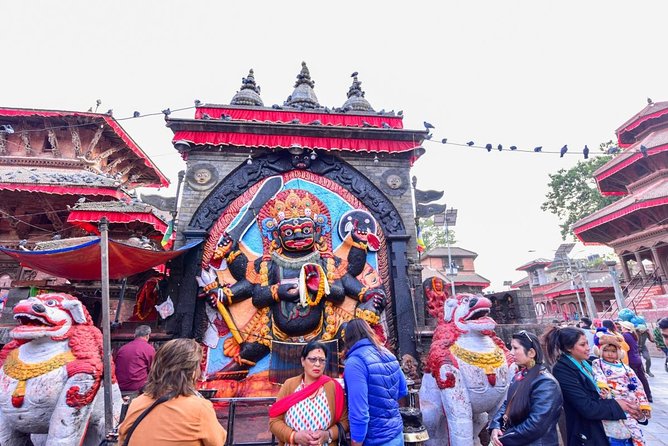
- Kathmandu heritage day that moves from Swayambhunath to Durbar Square, with local-market stops along the way
- Boudha Stupa plus Bajrayogini, including a guided story around what Bajrayogini means in local context
- Nagarkot and Dhulikhel hiking legs, with viewpoint time and village interactions built in
- Two days around Namo Buddha, focused on monks’ daily life and meditation
- Panauti and Bhaktapur, both offering a slower look at temple-rich historic towns
What a career-break-focused Nepal trip changes
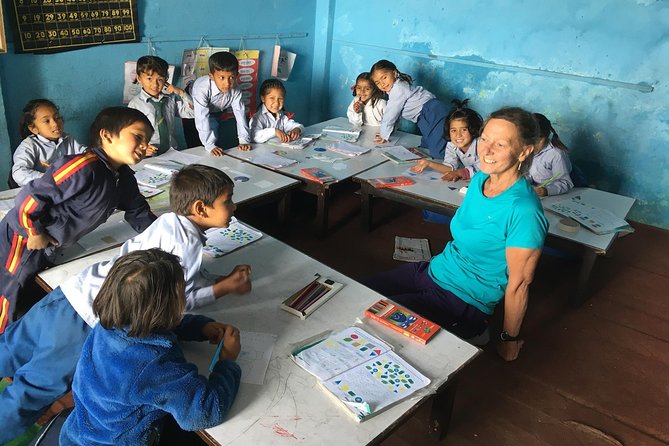
A gap year or sabbatical trip isn’t about stacking as many sights as possible. It’s about letting a place sink in. This itinerary is designed like that: your days alternate between major spiritual stops and smaller local moments, so your mind can switch gears without whiplash.
I like the “professional break” angle because it shows up in how the program is structured. You get the big-name spiritual anchors in Kathmandu Valley—Swayambhunath, Boudha, and later Namo Buddha—then you spend time where the culture lives day to day: temple alleys, market lanes, and village paths where you’re guided by locals.
The other practical win is pacing. Even with hikes, the plan spreads exertion across multiple days. You’re not asked to do everything in one brutal stretch. If you can handle moderate walking, this style fits well with a sabbatical mindset: learn, rest, walk, talk, repeat.
You can also read our reviews of more tours and experiences in Kathmandu.
Price and logistics: private rides, meals, and one ticket caveat
The price is $980 for roughly 9 days, and the package includes private transportation, all fees and taxes, plus breakfasts (7), lunches (6), and dinners (6). For many people, that combo is the real value: less decision fatigue, fewer payments mid-trip, and more time with your guide.
That said, it’s not a “everything is free” package for every single site. The plan notes at least one important example: Kathmandu Durbar Square has an admission ticket not included. Some other stops are marked free, and a few are included. So I recommend you plan like this: assume most core costs are covered, but keep a little flexibility for any site where the ticket is listed as not included.
Also, because it’s a private tour and your group is the only group participating, you avoid the common headache of being stuck on someone else’s schedule. Your guide can slow down if you’re curious, or speed up if you’d rather move.
Day 1 Kathmandu heritage circuit: Monkey Temple to Durbar Square
Day 1 is a classic Kathmandu introduction, but not the generic one. You start at Swayambhunath (Monkey Temple), a religious stupa on a hill in the Kathmandu Valley. It’s historically rooted (consecrated around 464–505 CE, with renovations over time), and that long timeline is part of the point here: you’re not just viewing a structure, you’re stepping into a living pilgrimage place.
From there, you move to Shobha Bhagawati Bridge, a Hindu shrine dedicated to the goddess Bhagawati, with a Nepalese pagoda-style temple. The plan also notes nine statues around the area and that Dashian is an important celebration time. Even if you’re not there during Dashian, this is a good stop for understanding how festivals tie into temple spaces.
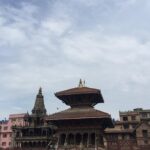
Next comes Bijayashwari, described as a more less-explored place before heading to a UNESCO site: Kathmandu Durbar Square. This square is the old palace area of the Kathmandu kingdom, and it’s packed with multiple temples and shrines. One practical note: your plan lists Durbar Square admission as not included, so decide whether you’ll pay on-site or adjust your pace.
The day also includes Kumari Chowk, where Kumari is a living goddess. If you hit the right time, you may be able to meet her, and the plan notes that she won’t speak with you—so keep expectations realistic and respectful. Then you visit Hanuman Dhoka, described as a historical museum linked to the Katntipur kingdom, with admission ticket marked included.
Finally, you wind down with a local market stop and Asan, a walking market where you’ll see fruits, vegetables, dry goods, pickles, meats, fish, and everyday trading life. This isn’t just shopping. It’s where you learn how locals actually move through the city—buying, tasting, comparing, chatting.
What to watch for on day 1: the walking is real, even if it doesn’t feel like a hike. Wear shoes you can trust on uneven steps, and don’t underestimate the hill time around the stupa areas.
Day 2 Boudha and Bajrayogini, then a hill-station hike
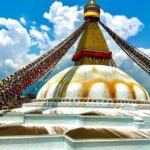
Day 2 starts at Boudha, described as the world’s largest Tibetan stupa and surrounded by monasteries and a silk thangka painting school. You’re meant to circle the stupa, and the experience includes seeing colorful prayer flags up top while you remember the mantra phrase Om Mane Padme Hum. The key here is the rhythm: this is a place where repetition and ritual are the point, not just the view.
Then you go to Bajrayogini, a temple site tied to the meanings of Bajra (strong) and Yogini (female yogi). The plan highlights that the story is local and includes “proof” of the narrative with your local guide. That matters because these sites can feel abstract if you only read signs. With a good guide, you get the why behind what you’re seeing.
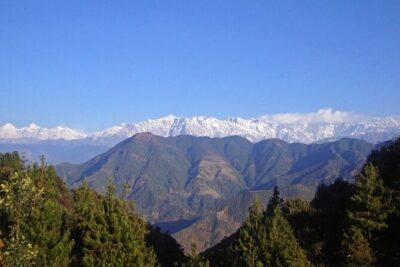
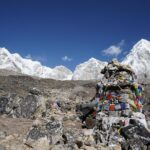
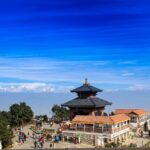
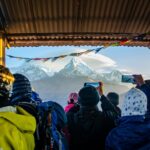
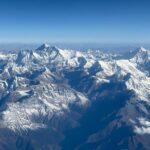
After that, the trip shifts into nature and views with a hike to Jarsing Pauwa View Point (about an hour, with admission ticket marked included). You climb through a hill-station area near Kathmandu, and the reward is Himalayan and valley views. This stop is a nice counterweight to temples: after spiritual heaviness, you get open air and distant sightlines.
Practical tip for this day: bring layers. Day 2 mixes stupa time and outdoor hiking. Even in a short timeframe, Nepal weather can change.
Day 3 Nagarkot panorama plus a village-day in Ghimire Gaun
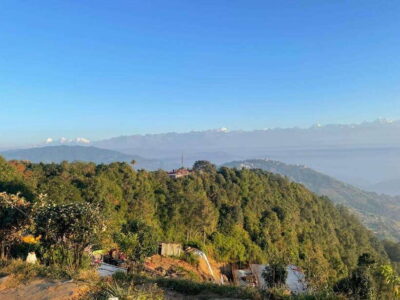
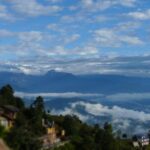
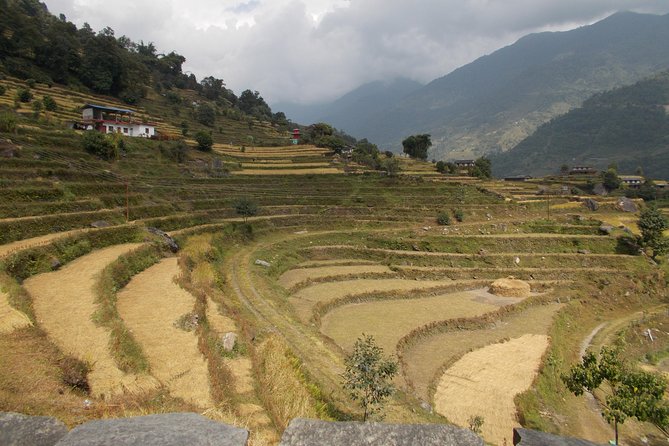
Day 3 starts with Nagarkot Panoramic Hiking Trail, a morning hike on the way to Nagarkot, a popular hill station near Kathmandu. The plan describes your route through villages, hills, terraced fields, and woods. You arrive with mountain displays in mind, then transition into evening hiking energy.
After enjoying sunset from Nagarkot, you hike to Ghimire Gaun (a local village in the foothills). The program includes time living local village life among residents, with a friendly welcome. This is one of the most meaningful swaps in the entire itinerary: you’re not just observing a countryside scene. You’re scheduled to spend time inside the rhythms of a community.
A big value of this kind of stop is conversation. Temples teach beliefs. Village time teaches daily decisions—how people spend the day, what they cook, how they use the land. It makes Nepal feel personal instead of staged.
Potential drawback: village days can be humbling. You might walk more than you expect, and you’ll likely be off the easy path for phones and familiar comforts. If you go in with a flexible attitude, it becomes one of your favorite memories.
Day 4 Tukucha Nala temples and the Dhulikhel hike
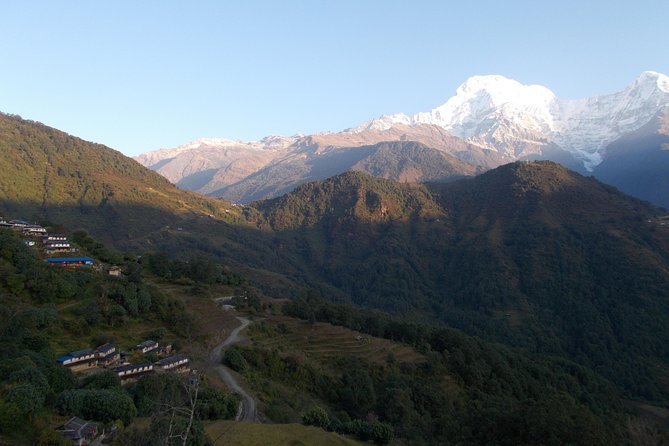
Day 4 begins with Tukucha Nala, starting with a monastery visit and several historical local temples. The plan is clear that locals guide you and explain interesting facts. After that, you wander near the village into what’s described as virgin and hidden places.
Then you transition into a hike from Nagarkot to Dhulikhel via villages and greenery, with potential mountain backdrops on clear days. This leg is about 3 hours and gives you another “walking with views” day, but with that added element of village movement.
Why this matters: Nepal can turn into a nonstop museum tour if you’re not careful. Tukucha Nala adds texture. You’re not just checking off names—you’re hearing explanations from people who live there, which makes the temples feel like part of a working world.
On a practical level, Day 4 can feel long. If you have knee or ankle issues, it’s worth going slow and using a trekking stance that feels stable. The plan is built for walking, not for sitting in a car all day.
Day 5 and Day 6: Namo Buddha monastery mornings with monks
Days 5 and 6 are where the trip becomes truly devotional. You go to Namo Buddha, described as a nestling place of the Thrangu Tashi Yangtse Monastery. On Day 5, you hike from Dhulikhel to Namo Buddha (about 4 hours) and spend tranquil time at the monastery with monks.
The program doesn’t frame this as a quick photo stop. It’s about learning the life of monks and slowing down your own pace to match theirs. If you’ve never watched meditation practiced as daily discipline, this is the kind of itinerary that makes it tangible.
On Day 6, you start with mountain panorama time, then descend to a nearby village for a morning hike with the monks. After that, you return to the monastery to learn daily lifestyle routines, including meditation. Day 6 is about 6 hours total.
This is also where I’d read the trip as a sabbatical-friendly experience. You’re not just “seeing spirituality.” You’re living the schedule: walking, silence moments, then structured learning about meditation.
One caution: monastery days often come with rules around behavior and dress, but your package details don’t list those specifics. So arrive prepared to be respectful and follow your guide’s instructions closely.
Day 7 Panauti’s 40 temples and the Indreshwor Temple museum
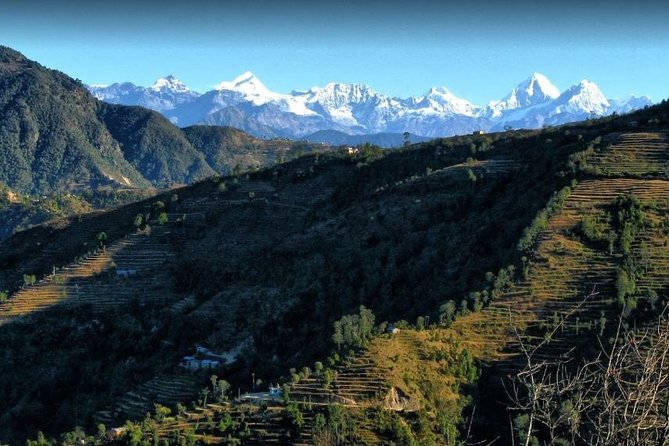
Day 7 heads to Panauti, a historical town with temples dating back to the 15th century. The plan says there are 40 iconic temples dedicated to different deities, which helps explain why Panauti feels like a living map of belief. You get about 3 hours to explore streets, houses, and temple spaces.
Then you visit Panauti Museum, located inside the Indreshwor Temple. The museum focuses on stone and wooden arts, shaped by local craftsmanship traditions. This is a smart addition. Temples are the spectacle. The museum explains the making.
This day’s value is pacing and perspective. Kathmandu can hit you like a sensory wave. Panauti gives you a slower, more compact historic setting where you can notice details—materials, workmanship, the way smaller temples are tucked into everyday streets.
Day 8 Bhaktapur Durbar Square and Nyatapola temple
On Day 8, you drive to Bhaktapur, described as the city of devotees. The plan says you’ll experience Bhaktapur’s heritage with Newari town life, including food, tradition, and history (about 3 hours).
Then you visit Bhaktapur Durbar Square, a UNESCO World Heritage Site. This square includes impressive temples and architecture, with Nyatapola highlighted as the major five-storied temple. You get about 2 hours here, which is enough for a guided “learn the architecture” walk.
What makes Bhaktapur particularly satisfying after Namo Buddha and Panauti is the shift from quiet ritual to craftsmanship and urban design. Durbar squares are where you see how beliefs get expressed in stone scale and geometry.
Practical note: Bhaktapur can mean lots of stair and uneven-paving walking. You’ll want comfortable shoes again.
Day 9 Kathmandu as your choose-your-own day
Day 9 is intentionally lighter: you spend your day in Kathmandu as you wish, with some suggested flexibility for places you might want to revisit or shop for souvenirs. The plan lists about 2 hours with admission marked free, but the message is clear: this is your buffer day.
This kind of ending matters because it gives you a chance to rebalance. If you loved the spiritual side, you can return to stupa areas. If you loved markets, you can circle back for final purchases and street snacks (within reason and whatever food you feel comfortable eating).
If you’re someone who likes a clean end to the itinerary—no last-minute scramble—this free day is a relief.
Who this tour fits best
This works best for you if:
- You’re on a gap year or sabbatical and want time to connect with Nepal’s culture and spirituality, not just tick boxes.
- You can handle several hours of walking across multiple days, including hikes on hills.
- You enjoy guided explanations from locals, especially at temple sites and monastery settings.
You might want a different format if:
- You strongly need an English-speaking guide every single hour. One past feedback note raised a concern about the guide’s English communication. If language clarity is a deal-breaker, it’s smart to ask the provider about guide English level before you commit.
- You prefer minimal hiking. Even without extreme trekking, the itinerary includes multiple hiking legs (including 4 to 6 hours on some days).
Should you book this Nepal break?
If you want Nepal with a calm spine—temples in the morning, walks in the afternoon, and monastery time that slows your brain—this tour is a good bet. I’m drawn to the balance: Kathmandu’s big heritage sites, then the lesser-known spiritual stop at Bajrayogini, then the quiet focus of Namo Buddha, and finally temple-heavy historic towns like Panauti and Bhaktapur.
The value case is also solid for a private trip: private transport, meals, and fees/taxes are handled, and the schedule gives you enough structure without removing freedom. Just go in expecting some hiking, and remember that Kathmandu Durbar Square admission is listed as not included, so budget a little for that.
If you’re booking for a career break, that’s the heart of it: you’re not racing through Nepal. You’re learning it at a human pace.
FAQ
Is this a private tour?
Yes. It’s listed as a private tour/activity, meaning only your group participates.
Does the tour include pickup and private transportation?
Pickup is offered, and private transportation is included in the package.
What meals are included in the price?
Breakfast is included 7 times, lunch 6 times, and dinner 6 times.
Are entrance fees included?
All fees and taxes are included, but the plan also shows at least one site where admission is not included, including Kathmandu Durbar Square.
How much hiking is involved?
The itinerary includes multiple hiking segments: a viewpoint hike near Kathmandu, Nagarkot panoramic hiking, hikes to villages, and longer walks to and around Namo Buddha, including a 4-hour hike on Day 5 and a 6-hour monastery day on Day 6.
Is travel insurance included?
No. Travel insurance is not included, and personal expenses are not included.