REVIEW · KATHMANDU
Rainbow Mo:Mo
Book on Viator →Operated by Queermandu | Gay Tours Nepal · Bookable on Viator
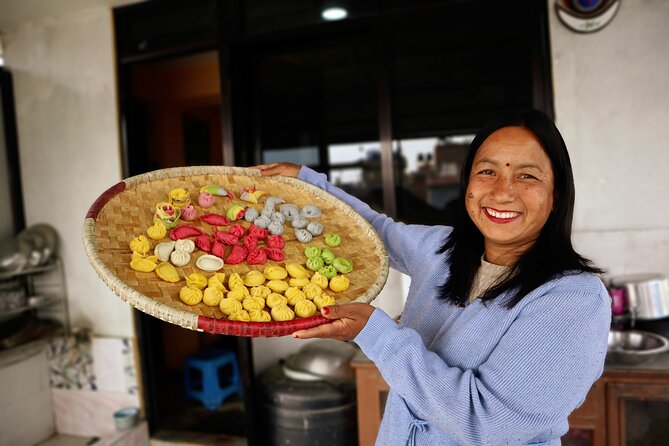
Colorful momos meet queer joy in Kathmandu. This 2-hour, hands-on class turns Nepal’s favorite dumpling into a bright, inclusive craft using natural colors. You’ll roll, pinch, and shape momos while learning a playful technique and tasting what you make. Price is $44 per person, and the small group size (up to 15) keeps things personal.
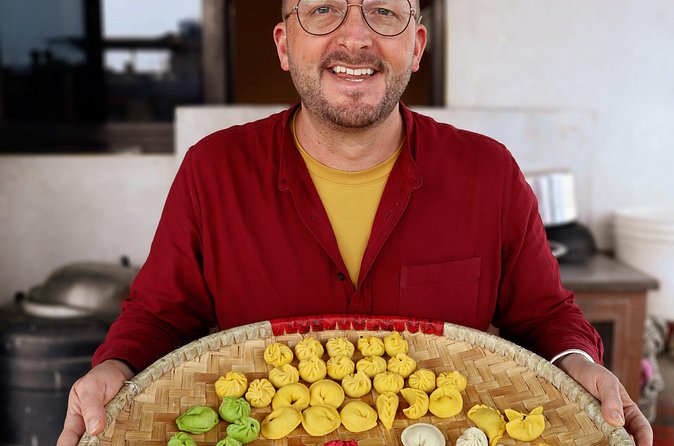
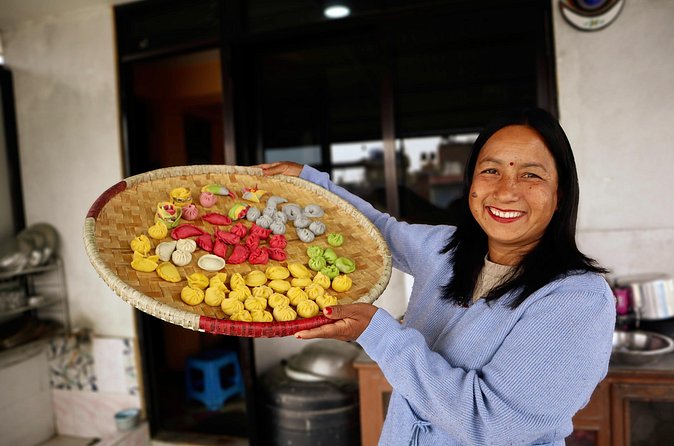
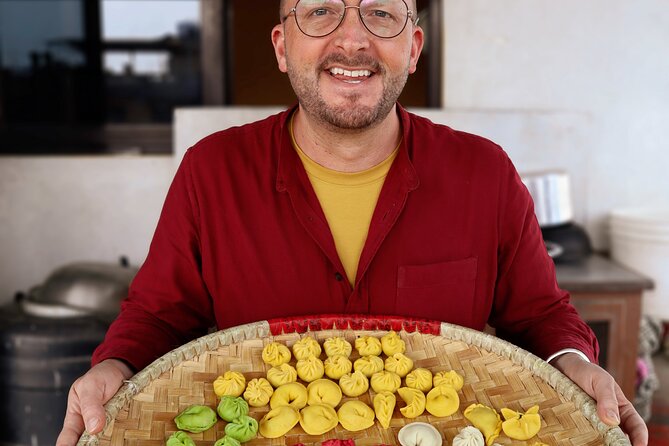
I especially like the naturally colored fillings—beetroot, spinach, carrot, and butterfly pea—because the colors look intentional, not like food dye gone wrong. One consideration: this is a focused cooking session, so if you’re hunting for a big sightseeing loop, it’s not that kind of experience.
My other big win is the people factor. Even with a small group, the class feels welcoming and guided with care, with Prajeet handling pickup on time and Aayam teaching the momo craft.
In This Review
- Key highlights you’ll care about
- Rainbow Mo:Mo in Kathmandu: a short class with real personality
- Getting there from Garden of Dreams with pickup and a simple routine
- The real magic: beetroot, spinach, carrot, and butterfly pea
- Pinch, pleat, and playful precision (the technique part)
- Steamed and fried momos: compare textures without extra planning
- The inclusivity part isn’t a side note—it shapes the whole class
- Price and logistics: why $44 can feel like a good deal
- Who should book Rainbow Mo:Mo (and who might want something else)
- Practical details to know before you go
- Should you book Rainbow Mo:Mo?
- FAQ
- How long is Rainbow Mo:Mo?
- How much does Rainbow Mo:Mo cost?
- Where does the class start, and do I return there?
- Is pickup offered?
- What natural ingredients are used for the colorful momos?
- Are the momos steamed, fried, or both?
- What’s the group size limit?
- What’s the cancellation policy?
Key highlights you’ll care about
- Queer-forward vibe that makes the class feel like more than just cooking
- Natural color ingredients: beetroot, spinach, carrot, and butterfly pea
- Small group size with a max of 15 travelers, so you’re not lost in a crowd
- Hands-on shaping with a funny, very practical pinch-and-pleat approach
- Steamed and fried momos so you can compare textures without extra effort
Rainbow Mo:Mo in Kathmandu: a short class with real personality
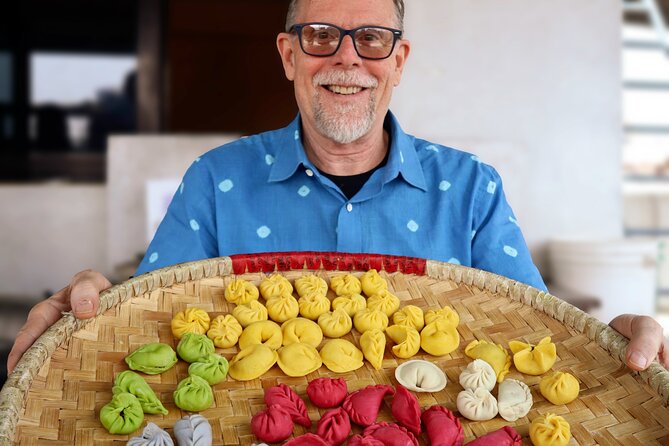
Rainbow Mo:Mo is the kind of activity you do when you want something local-feeling, interactive, and a little different. Kathmandu is full of food scenes, but this one is built around a workshop: you get to make momos yourself and watch how color changes the whole mood of the dish.
The theme is queer-forward and intentionally inclusive. That matters because it changes how the class feels: more like a friendly lesson where you can laugh while you work, not a stiff cooking demonstration. You also learn with humor. The shaping process is compared to cosmetic artistry, with a joke about Botox on the face followed by the idea of pinch, pinch, pinch—basically a reminder that the details are what make the dumplings hold together.
The other reason this works is that it’s still very much about momo skills. You’re not just decorating; you’re learning how to assemble dumplings you can actually eat. And when you’re in a short two-hour window, that focus keeps the experience satisfying.
You can also read our reviews of more tours and experiences in Kathmandu.



Getting there from Garden of Dreams with pickup and a simple routine
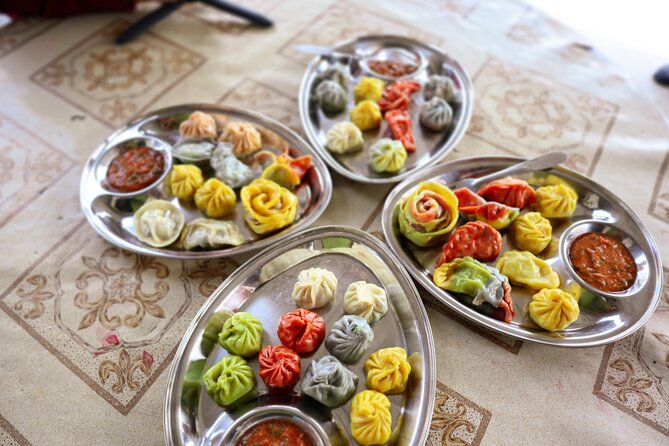
Your start point is the Garden of Dreams area on Tridevi Sadak, Kathmandu 44600. The activity ends back at the meeting point, which makes your afternoon easier to plan—you don’t need to figure out transport back to where you started.
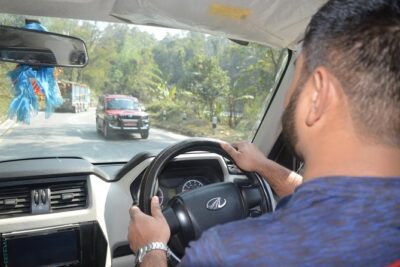
Pickup is offered, and one review specifically called out Prajeet picking someone up at their hotel lobby on time. If you’ve been in Kathmandu traffic before, you already know why this is valuable. It removes one more stressor from a day that’s already busy.
Two practical notes that help you plan:
- The class runs Monday through Sunday during 9:15 AM to 4:15 PM, with service available across a long date window.
- It’s near public transportation, so even if you don’t use pickup, you’re not trapped.
With mobile ticketing and confirmation at booking, this is set up to be straightforward. You’ll want to keep your phone charged and ready—especially if you’re arriving before you’ve had caffeine.
The real magic: beetroot, spinach, carrot, and butterfly pea
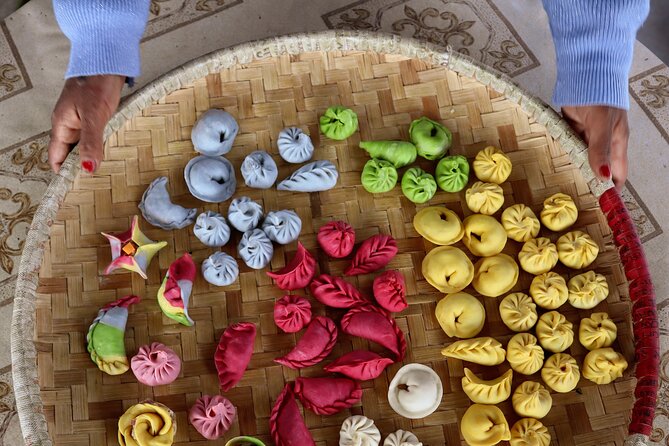
The heart of Rainbow Mo:Mo is the coloring. You’ll make momo fillings using beetroot, spinach, carrot, and butterfly pea, with each ingredient bringing its own color story to the dumplings. In other words, you get the fun visual part of the workshop without leaving the momo theme behind.
Here’s what makes this practical for you as a cook (and not just a spectator). Natural color ingredients behave differently than store-bought dye. That means you learn how to think in food terms: ingredient choices change color, but also flavor and texture. Even if you don’t cook at home often, understanding that link helps you repeat the results later.
You also get a kind of built-in creativity. If you’re the type who enjoys arranging or labeling what you made, the color theme gives you a clear framework. If you’re not, it still helps you stay engaged because you can see progress as the dumplings take shape.
One more value point: butterfly pea is a known color ingredient across Asia, and using it here gives you a chance to see how it fits into a Himalayan dumpling context. Beetroot, spinach, and carrot bring the familiar “kitchen veggie” logic, while butterfly pea feels more special. Together, they make the class more memorable than a standard momo session.
Pinch, pleat, and playful precision (the technique part)
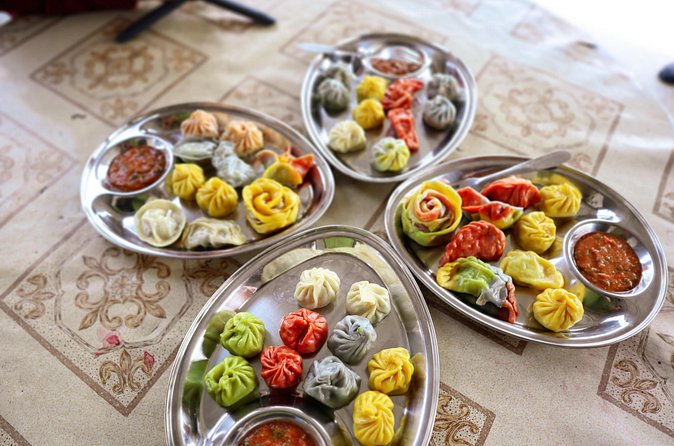
Momo-making becomes easy—or frustrating—depending on technique. Rainbow Mo:Mo teaches shaping with a light, humorous approach that still reinforces precision.
That pinch, pinch, pinch idea isn’t just a joke. It’s telling you that the dumpling has to be sealed in small, repeated steps. When the edges don’t connect well, you end up with dumplings that leak or break during cooking. When your edges hold, you get a nicer bite and a better result.
Because the group is capped at 15 travelers, you’re more likely to get corrections or encouragement during the shaping stage. That matters for your confidence. If you’ve ever tried dumplings at home and had them fall apart, you’ll appreciate a class where attention is still possible.
There’s also a comfort angle. A queer-forward space can lower social pressure. You can make mistakes without feeling like you’re being judged, and cooking classes are full of tiny mistakes at the start. You’re allowed to laugh, adjust, and try again.
Steamed and fried momos: compare textures without extra planning
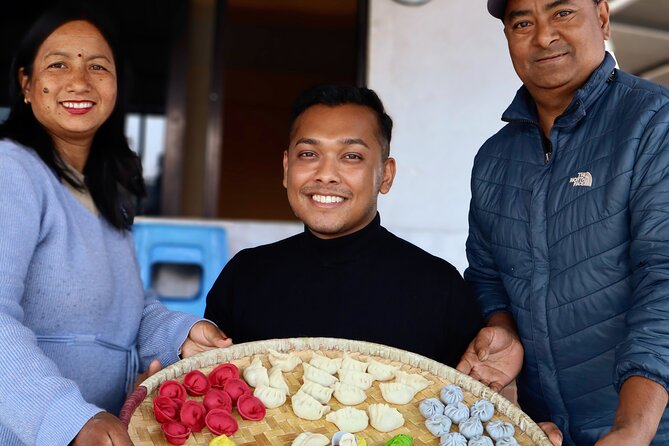
Not all momo experiences let you experience more than one cooking style. Here, you’ll be served momos that are both steamed and fried. That’s a smart setup for your own learning because steamed momos and fried momos feel different in your hands and in your mouth.
Steamed dumplings tend to be lighter and softer, with a more delicate wrapper. Fried dumplings bring a different texture—more crunch and stronger fried aroma—while still keeping the filling inside. When you eat both, you get a quick understanding of what different cooking choices do to the same base dumpling.
For your trip, it also means better value for money. You’re paying for a class plus a meal experience, and having two styles covered avoids the classic situation where you learn a little, then only eat one small portion.



The inclusivity part isn’t a side note—it shapes the whole class
The marketing for Rainbow Mo:Mo is bold on purpose: a queer-forward momo-making class where diversity is part of the event, not just the backstory. You should expect the tone to be playful and accepting, with the goal of making everyone feel comfortable while making dumplings.
I think this matters in Kathmandu specifically because so much travel is about navigating discomfort—crowds, stairs, confusing schedules, and language barriers. A class that chooses a welcoming vibe can become a breath of fresh air. You’re still doing a hands-on activity, but the emotional temperature is intentionally warmer.
Also, it’s not only about who’s welcome. It’s about how the experience is taught. The class uses humor to explain technique, and it celebrates difference through the rainbow color concept. That makes it easier to remember the steps because your brain sticks to stories, not only instructions.
A review also highlighted that even when someone joined and was the only participant in that session, the experience still felt fun and personal. That tells me the format works even when the group doesn’t fill up. You’re not stuck with awkward downtime.
Price and logistics: why $44 can feel like a good deal
At $44 per person for about 2 hours, this is priced like a real activity, not a casual snack stop. The value comes from a few specifics that stack up:
- You’re learning a tactile skill: shaping and assembling dumplings.
- You use multiple ingredients for different colors, not just a single filling.
- You get to eat what you made, including both steamed and fried momos.
- Pickup is offered, and the group stays small (max 15).
If you’ve paid for cooking classes elsewhere, you know the hidden cost is often the time you lose traveling and figuring out logistics. Pickup helps here, and the start/end at Garden of Dreams keeps your day clean.
And because the class is only two hours, it fits into a Kathmandu itinerary without swallowing your whole afternoon. That’s a big deal when Kathmandu days can expand faster than you plan.
Who should book Rainbow Mo:Mo (and who might want something else)
I’d tell friends to book Rainbow Mo:Mo if they want:
- A hands-on Kathmandu food experience that’s not just watching
- A welcoming environment that takes inclusivity seriously
- A cooking session that includes natural colors and a bit of playful coaching
- A small-group activity around the Garden of Dreams area
You might hesitate if:
- You’re only interested in major landmark sightseeing in one go
- You prefer big food experiences that don’t involve any shaping work
- You’re not in the mood for a hands-on, slightly messy activity (dumpling-making has flour and sticky moments)
If you’re traveling as a solo person, the class still seems to work well. If you’re traveling with friends, it’s a good shared challenge: you can compare your dumpling shapes and swap color ideas.
Practical details to know before you go
Here’s the stuff that helps you arrive ready, not rushed.
Where to go: Garden of Dreams (Tridevi Sadak), Kathmandu 44600.
When it runs: 9:15 AM to 4:15 PM, Monday through Sunday, available across a long date window.
Group size: Maximum 15 travelers.
Ticketing: Mobile ticket, with confirmation received at booking.
Transport: Pickup offered; near public transportation.
Animals: Service animals allowed.
One more helpful mindset: treat the first 15–20 minutes as learning time. Your hands may not nail the pleats immediately. That’s normal. The class is designed so you can get better as you go, and the pinch-by-pinch approach keeps you moving forward.
Should you book Rainbow Mo:Mo?
Yes, if you want a short Kathmandu activity that combines skill, food, and a warm, inclusive tone. The 4.9 average rating and 100% recommendation from the 19 reviews you can see backing this up are strong signals that the experience lands well.
Book it especially if:
- You like trying local foods but want them taught in an engaging, human way
- You’re curious about natural coloring ingredients like butterfly pea
- You value a small group and a guide-led class where you’re not just a spectator
I’d skip it only if you want a full day of sightseeing or you strongly dislike hands-on cooking. Otherwise, Rainbow Mo:Mo is a smart use of a couple hours—and you’ll leave with both dumpling know-how and a more memorable Kathmandu story than the standard checklist.
FAQ
How long is Rainbow Mo:Mo?
It’s about 2 hours.
How much does Rainbow Mo:Mo cost?
The price is $44.00 per person.
Where does the class start, and do I return there?
You start at the Garden of Dreams on Tridevi Sadak, Kathmandu 44600, Nepal. The activity ends back at the meeting point.
Is pickup offered?
Yes, pickup is offered.
What natural ingredients are used for the colorful momos?
The class uses beetroot, spinach, carrot, and butterfly pea.
Are the momos steamed, fried, or both?
They’re served both steamed and fried.
What’s the group size limit?
The maximum group size is 15 travelers.
What’s the cancellation policy?
Cancellation is free up to 24 hours in advance for a full refund, based on local time.