REVIEW · KATHMANDU
Private 8 – Day Langtang Trekking
Book on Viator →Operated by Nepal Alternative Treks & Expeditions Pvt. Ltd. · Bookable on Viator
A trek in Langtang feels both wild and human. You start from Kathmandu, ride out toward Syabrubensi, then walk into Langtang National Park and the Valley of Glaciers with Tamang and Tibetan-influenced villages along the way. The payoff is finishing at Kyanjin Gompa, described as the oldest monastery in the valley.
Two things I like a lot: you get government-authorized guide and porters (with their expenses covered), and you’re not stuck trying to decode permits or park fees because they’re included. I also like the day-by-day planning that leaves time for a real visit at Kyanjin, not just a quick pass-through.
One consideration: this experience needs good weather, and one big optional goal is getting to Kyanjin Ri (4884m), which is harder when conditions are poor.
In This Review
- Key Highlights Worth Your Attention
- From Kathmandu to Syabrubensi: The Trek’s First Real Step
- Day 2 Into the Park: Subtropical Forests and a Gentle Rhythm
- Day 3: Into Langtang Valley and Toward Langtang Village
- Day 4: Kyanjin Gompa Area—Stone Walls, Prayer Flags, and Old Faith
- Day 5: Kyanjin Village, Kyanjin Gompa, and the Optional Climb to 4884m
- Day 6 Back Down: Easier Trek Days Through Rhododendron Forest
- Day 7: The Final Descent to Syabrubensi
- Day 8: Back to Kathmandu Via Terraces and Highway Driving
- Guides, Porters, and the Safety Stuff You’ll Actually Feel
- Permits and Park Fees: Less Paper, More Walking
- Value Check: Does $584.22 Make Sense Here?
- What to Pack and How to Think About Altitude
- Who This Langtang Trek Suits Best
- Should You Book This Private 8-Day Langtang Trek?
- FAQ
- What time does the trek start?
- Where do we meet for the trek in Kathmandu?
- Is pickup offered?
- What meals are included during the trek?
- Are Langtang National Park fees and permits included?
- Is the trek private?
Key Highlights Worth Your Attention
- Daily oxygen saturation check during the trek, which helps you monitor how your body is coping at altitude
- Kyanjin Gompa at the end of the line, including time in the Kyanjin area
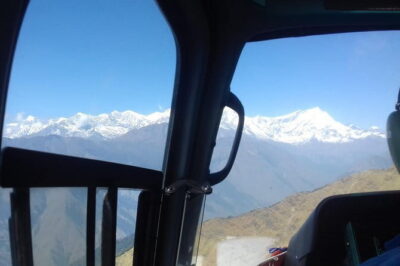
- Kyanjin Ri option to 4884m, a classic viewpoint for Langtang Valley
- Lodge accommodation plus most meals included, so your budget stays predictable
- Licensed guide and porters assigned for your group, with extra safety support including evacuation assistance
From Kathmandu to Syabrubensi: The Trek’s First Real Step
If you’re used to starting adventures with a checklist, this one starts early and keeps things simple. You meet at Nepal Alternative Treks & Expeditions near Raniban Marg, and your start time is 7:15am. Pickup is offered, and you’re close to public transportation—useful if your hotel setup doesn’t make “meeting at 7:15” feel fun.
The first day is mainly the long drive out to Syabrubensi, roughly 6 hours. Expect changing scenery from Kathmandu’s outskirts into hills and green forests. This matters more than it sounds: you’re saving your legs for the real walking, while still getting that gradual “we’re leaving the city” feeling.
Day 1 also sets your mental rhythm for a trek in Nepal: mornings matter, and early departures are the norm. If you’re the type who likes to sleep in and “see how it goes,” this itinerary will gently push you to be on time.
You can also read our reviews of more private tours in Kathmandu
Day 2 Into the Park: Subtropical Forests and a Gentle Rhythm
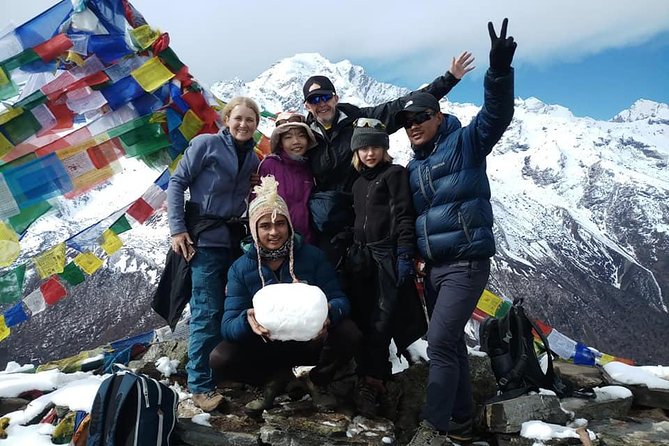
After breakfast, you start trekking toward Lama Hotel through dense subtropical forest. The day is about building endurance without blasting your heart rate too early. It’s a lot of forest, which can be soothing if you like shade and steady footing, and it can feel repetitive if you’re chasing wide open views.
After a few hours you reach Bamboo, a familiar stop for trekkers. You’re not just walking point-to-point—you’re moving through a network of resting hubs that shape the flow of the trail. Eventually you land at Lama Hotel for lodge accommodation.
A small but important planning detail: the trek schedule stays realistic for an 8-day overall pace, even with a steeper day coming later. If you tend to underestimate how tiring forest trekking can be, this structure helps you adjust.
Day 3: Into Langtang Valley and Toward Langtang Village
This is where the trek starts to feel more like a trek and less like a warm-up. After breakfast at Lama Hotel, you hike to Langtang Village. The trail starts slightly steep, then gradually becomes steeper and tougher. It still runs through dense forests for a chunk of the day, so expect a steady uphill grind rather than dramatic “wow” views on every switchback.
Why I like this day: it’s paced to make altitude and fatigue feel manageable. You’re not jumping from easy trail to mountain-wall in one go.
The route leads you into the cultural heart of the trip: the valley is known for the mixture of Tamang communities and older Tibetan influence. By the time you reach Langtang Village, you’re no longer just walking through nature—you’re arriving in a place with people, daily life, and the rhythm of mountain settlements.
Day 4: Kyanjin Gompa Area—Stone Walls, Prayer Flags, and Old Faith
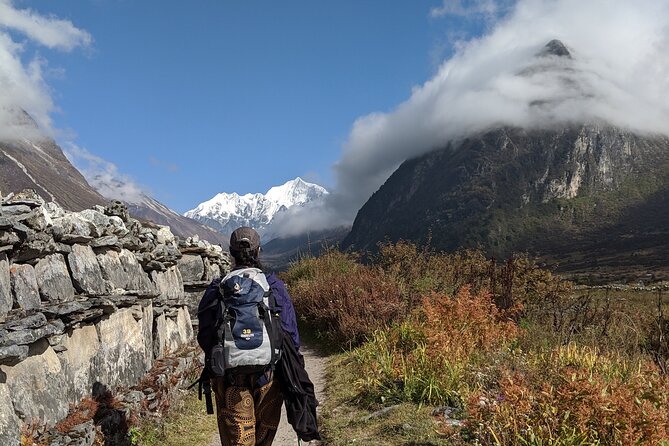
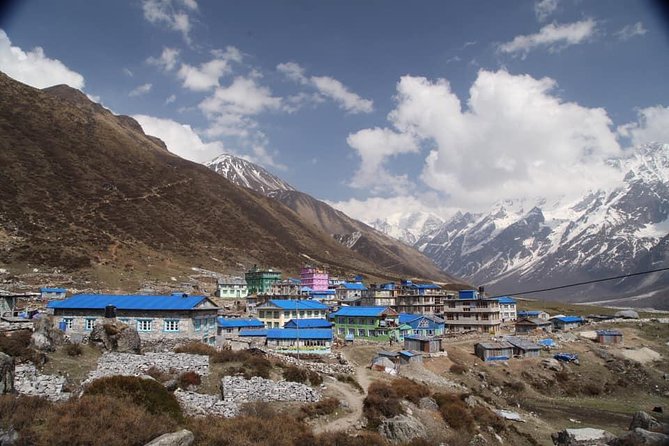
Today you head toward Kyanjin, one of the main anchors of the Langtang experience. From Langtang Village, you trek to Kyanjin after breakfast, passing through a small village scene described with stone walls and prayer flags as you climb.
The time on the trail is shorter than some days—about 3 hours—which gives you something valuable in trekking: breathing room. When your day has fewer hiking hours, you can linger, soak in the setting, and not feel like you’re rushing to survive the afternoon.
Kyanjin Gompa is the end point theme of the whole trek: it’s described as the oldest monastery in the valley. Even if you’re not a dedicated monastery person, the location matters. You’ll feel how the community’s spiritual life connects to this valley’s history and how the landscape shapes religious sites.
Day 5: Kyanjin Village, Kyanjin Gompa, and the Optional Climb to 4884m
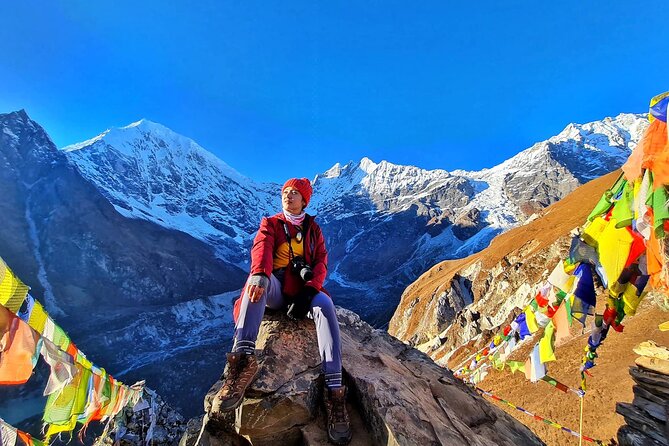
Day 5 is a full block of time for the Kyanjin area, and that’s a huge part of why this trek works. You explore the Kyanjin village and surrounding Langtang area, with time to visit the nearby Kyanjin Gompa as well.
Then there’s the optional hike to Kyanjin Ri (4884m). It’s not “guaranteed success by schedule.” It’s an option, which is the right call. Some people will love the higher viewpoint; others will know it’s better to save energy and enjoy the town and monastery area at a steadier altitude.
Here’s how I’d think about the choice: if you’re carrying lots of nervous energy about height, take the option to hike seriously. The trek includes oxygen saturation checks every day, which is practical and calming. You’re not flying blind.
If you do go for Kyanjin Ri, remember that this is the most “high altitude feeling” part of the trip. The prize is the valley view, but the cost is effort and patience.
You can also read our reviews of more hiking tours in Kathmandu
Day 6 Back Down: Easier Trek Days Through Rhododendron Forest
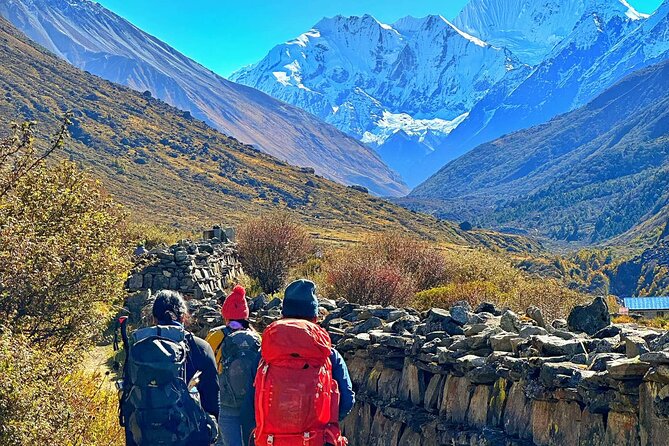
You reverse course today, heading back toward Lama Hotel along the earlier route. The day is described as relatively easier than the earlier days, and the trekking goes down through rhododendron forest.
I like this day because it gives your legs partial recovery without turning the day into a rest day. You still feel like you’re trekking, but the workload is more forgiving.
Also, retracing can be underrated. On the way out, everything is new. On the way back, you can compare how your perception changes: the same trail feels slower, more familiar, and easier to navigate—especially with a guide handling route choices.
Day 7: The Final Descent to Syabrubensi
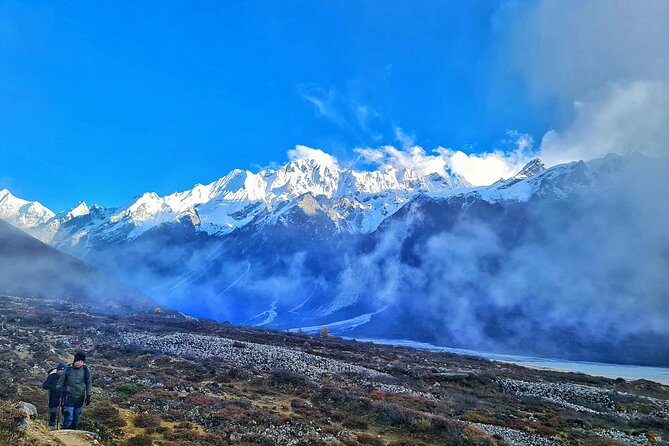
On your last trekking day, you leave the Langtang region and head down to Syabrubensi. The trail involves descent and continues through dense forests. It’s described as about 5 hours of trekking after breakfast.
This is another “leg management” day. Downhills can be rough on knees, and forest footing can be slippery if conditions are wet. With good guiding, this kind of descent becomes a controlled glide instead of a knee-punishing slog.
By the end of the day, you’re back at the base area where the trek started to feel real. It’s a strange mix: relief that the hardest work is behind you, plus a quiet sadness that the valley’s daily rhythm is ending.
Day 8: Back to Kathmandu Via Terraces and Highway Driving
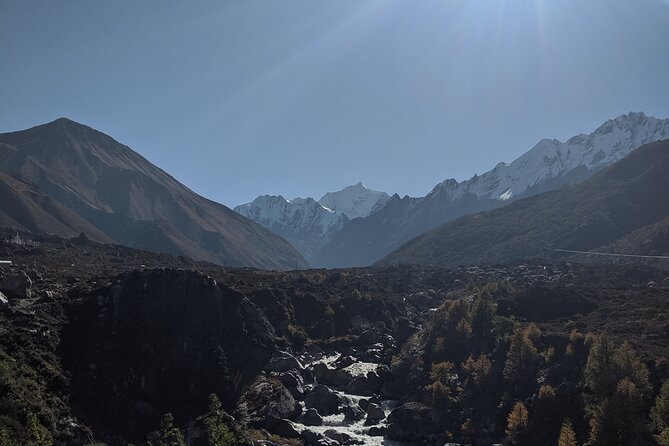
After breakfast, you head to the bus stop and ride back toward Kathmandu. The drive is about 6 hours, and the route includes terraced fields and small settlements, then continues along major highways.
This part is not about scenery-lovers only. It’s about timing. You’re finishing while there’s still daylight and energy. If you’re going to shower, eat a real meal, and sleep like a human again, this pacing helps.
The trek ends back at the meeting point, so you’re not left playing transport games at the last minute.
Guides, Porters, and the Safety Stuff You’ll Actually Feel
A trekking company can say safety words all day. What matters is what’s built into your days. Here, you get a government authorized trekking guide and porters, and their expenses are handled. That reduces the awkward budgeting stress that sometimes hits solo or family groups.
I also like the operational details that show up in your daily routine:
- Oxygen saturation check every day during the trek
- Duffle bag included (helpful when you’re managing what to carry yourself)
- Trekking completion certificate
- Assistance for emergency rescue evacuation
In the reviews tied to this trek, guides get praised for being caring, experienced, and attentive. Names that come up include Dhan and Amar, with porters like Ajay, Sanjay, and Ram also recognized for strong support. Other guides mentioned include Tek, Kumar, Jangbu, Saroj, and Laxman, and there’s even a nod to a female guide, Ritika, in one experience. The point isn’t celebrity trekking. The point is that people consistently describe the human side—guides watching your pace, handling logistics, and communicating clearly.
If you’re trekking with family, or with someone who hates feeling lost, this matters. You’re not just buying a route—you’re buying reassurance.
Permits and Park Fees: Less Paper, More Walking
This is one of the quiet wins of the package. Langtang National Park fee and necessary permits (TIMS) are included, along with government tax and service charge.
Why I consider this valuable: permits in trekking countries can turn into a time sink. Even when everything is easy, paperwork can slow you down right when you want to start walking. When park access and documentation are bundled, your day feels simpler.
Value Check: Does $584.22 Make Sense Here?
Price matters, but only if you compare it to what you’re actually getting. At $584.22 per person, you’re not just paying for a “local leader.” You’re also getting:
- Overland transportation as listed
- Lodge accommodation during the trek
- A trekking map
- Daily oxygen saturation checks
- Most meals included: breakfast (7), lunch (8), dinner (7)
- Trekkers’ support gear like the duffle bag
- Permits and park fees (TIMS + park fee)
- Emergency evacuation assistance
What’s not included is also clear: Kathmandu hotel and meals, plus tea/coffee, boiled water, alcoholic drinks, laundry, phone bills, and tips. Travel insurance is not included too.
So here’s the value logic: if you’d otherwise pay separately for guides, permits, and meals, the per-person price starts to look like a package designed to keep you walking instead of bargaining. It also makes budgeting easier because the biggest daily costs are already handled.
This trek fits best if you want a structured experience without hidden add-ons. If you love DIY trekking and you’re already experienced with Nepal permits, you might compare options. For most people, the included structure is the point.
What to Pack and How to Think About Altitude
Altitude isn’t mentioned as a long climb day-by-day, but you do reach 4884m on the optional Kyanjin Ri route. That’s high enough that you should take it seriously.
I’d plan for:
- A pace you can control (don’t sprint your acclimatization)
- Warm layers, even if daytime feels mild
- Good traction shoes (forest trails can be slick)
- Hydration discipline, plus extra care when conditions are cold
The trek’s daily oxygen saturation checks are a big reassurance, but they’re not a replacement for common sense. If you feel worse rather than better, speak up early.
Also, note the trip requires good weather. If conditions are rough, plans can shift. That’s normal in the mountains; the important part is that the operator builds this into the experience setup.
Who This Langtang Trek Suits Best
This private trek is a good fit for you if:
- You want a guided, private group experience (only your group participates)
- You prefer staying in lodges instead of camping
- You want a mix of culture and trekking: Tamang and older Tibetan settlements, prayer flags, and monastery time
- You like the structure of daily meals included
It’s also a solid choice if you’re traveling with someone who benefits from extra oversight. The combination of a licensed guide, porters, and daily oxygen checks reduces the “winging it” feeling.
It may not suit you if you want zero organization. This trek gives you routes, timing, lodge routines, and included meals. You’ll still have freedom, but it’s not a blank-slate backpacking route.
Should You Book This Private 8-Day Langtang Trek?
I’d book it if you want the Langtang Valley experience without juggling permits, park fees, daily meal planning, and emergency logistics. The strongest reasons are practical: meals and lodge accommodation included, TIMS/park fees handled, and daily oxygen saturation checks that help you stay alert at altitude.
Choose it especially if you value a caring guide and steady pace. The repeated praise for guides and porters—names like Dhan, Amar, Tek, and Ritika, plus porters such as Ajay, Sanjay, and Ram—points to a service style that focuses on communication and support.
One last thought: don’t treat Kyanjin Ri as a checkbox. If you’re unsure, you can still enjoy Kyanjin village and Kyanjin Gompa without forcing the climb.
FAQ
What time does the trek start?
The start time is 7:15am.
Where do we meet for the trek in Kathmandu?
You meet at Nepal Alternative Treks & Expeditions Pvt. Ltd., Post Box No: 8169, House, Raniban Marg 136/205, Nagarjun, 01, Kathmandu, Nepal.
Is pickup offered?
Yes, pickup is offered.
What meals are included during the trek?
The package includes breakfast for 7 days, lunch for 8 days, and dinner for 7 days.
Are Langtang National Park fees and permits included?
Yes. Langtang National Park fees and necessary permits (TIMS) are included.
Is the trek private?
Yes. It’s listed as a private tour/activity, and only your group participates.