REVIEW · KATHMANDU
Pick 2-Wonders of Kathmandu: A 3-Hour Heritage Hop
Book on GetYourGuide →Operated by Cordial Trek Pvt. Ltd. · Bookable on GetYourGuide
Two UNESCO sites in three hours. I love how this short hop pairs Kathmandu Valley’s rituals with big cultural payoff, like a rare Kumari sighting or sweeping 360-degree views from Swayambhunath. The guide-led format keeps things clear and respectful, so you’re not just walking through monuments.
The main trade-off is time: in 3 hours you’ll hit highlights, not deep, slow wandering. Also, while the tour skips some ticket lines, monument entrance fees aren’t included, so you may want cash ready for add-ons.
In This Review
- Key Highlights That Make This Worth Your Time
- Picking Your Two Wonders: How to Choose Like a Pro
- Option 1: Kathmandu Durbar Square + The Monkey Temple (Swayambhunath)
- Option 2: Pashupatinath Temple + Boudhanath Stupa
- Option 3: Patan Durbar Square + Kathmandu Durbar Square
- Option 4: Bhaktapur Durbar Square
- The 3-Hour Format: What You Really Get
- Kathmandu Durbar Square and the Kumari Temple: The Rituals You’ll Actually Remember
- Swayambhunath Monkey Temple: Views, Mahachaitya, and the Best Photo Angles
- Pashupatinath Temple and Boudhanath Stupa: Two Faiths, Two Moods
- Pashupatinath: Shiva, Riverbanks, and Ceremony
- Boudhanath: The Colossal Stupa Experience
- Patan Durbar Square and Bhaktapur: When Newari Craft Becomes the Main Event
- Patan Durbar Square: Red Brick and Newari Detail
- Bhaktapur Durbar Square: Nyatapola and Multiple Squares
- Transport, Pace, and Guide Style (What You’ll Feel Day-Of)
- Price and Value: Why This Can Be a Bargain (Even With Extras)
- Who This Tour Suits Best (And Who Should Rethink It)
- Should You Book This Kathmandu Heritage Hop?
- FAQ
- How long is the Pick 2-Wonders of Kathmandu tour?
- Where does pickup happen?
- Is it a private group?
- What’s included in the price?
- Are monument entrance fees included?
- What are the available tour options?
- What languages are the guides?
- What should I bring?
- Is there skip-the-ticket-line service?
- Is it wheelchair accessible?
- Is there free cancellation?
Key Highlights That Make This Worth Your Time
- Choose any two of 6 UNESCO sites, so you can match your interests and energy level
- Kumari sightings at Kathmandu Durbar Square, including the living goddess tradition
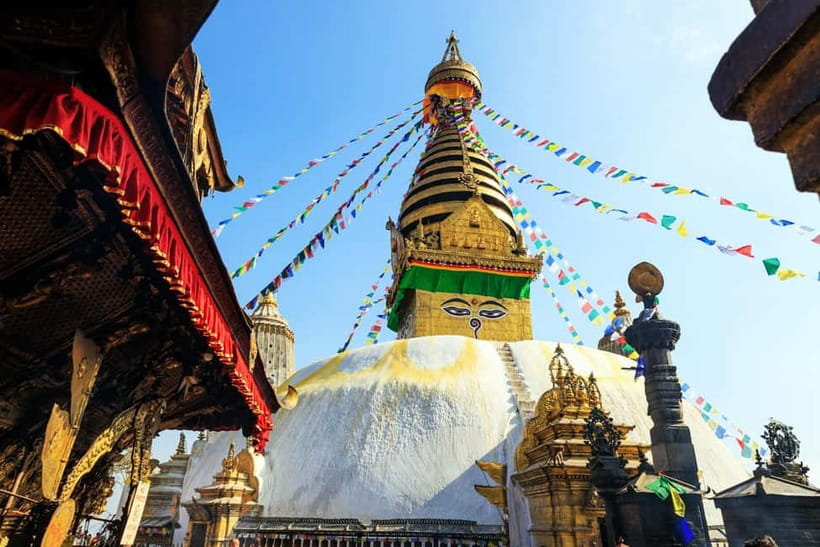
- Swayambhunath’s panoramic views plus Mahachaitya and lots of monkeys
- Pashupatinath ceremonies by the Bagmati River, with traditional cremation rituals sometimes visible
- Boudhanath’s massive stupa and Buddhist atmosphere, tied to the old Tibet trade route
- Guides who set the pace, with Nilakantha Acharya praised for adjusting to your questions and timing
Picking Your Two Wonders: How to Choose Like a Pro
This tour works because it’s flexible. You don’t cram everything in. You choose two sites from the Kathmandu Valley UNESCO set, and you get a tight guided route around them.
Here are the most satisfying pairings, depending on what you’re trying to feel:
You can also read our reviews of more historical tours in Kathmandu

Option 1: Kathmandu Durbar Square + The Monkey Temple (Swayambhunath)
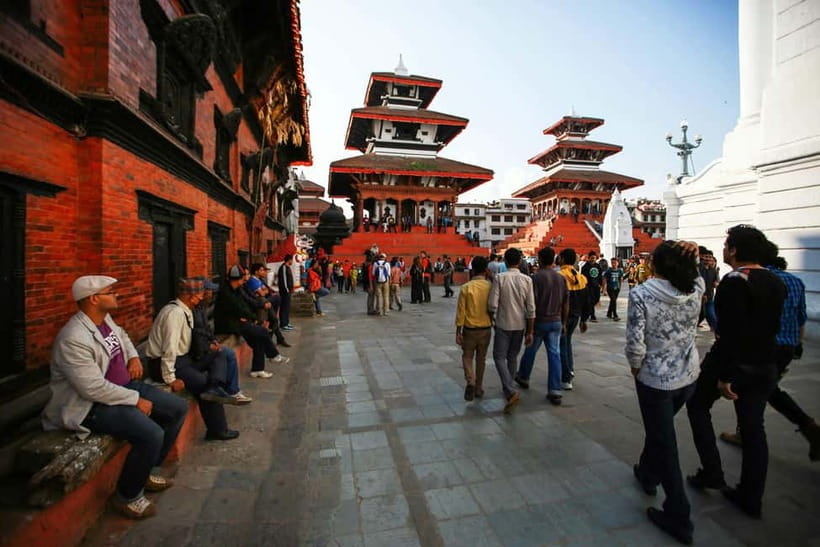
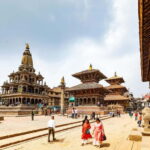
If you want a mix of palace history and spiritual city views, this is the crowd-pleaser. Kathmandu Durbar Square gives you the Durbar Square world: royal palaces, temples, and the nine-storied Nautale Durbar. You’ll also see the Kumari tradition, where the living goddess resides in her temple.
Then you head up to Swayambhunath, a hilltop stupa with monkeys and the Mahachaitya. The big payoff is the top-of-the-hill viewpoint—360-degree city views—so you get both meaning and a sense of where Kathmandu sits.
Option 2: Pashupatinath Temple + Boudhanath Stupa
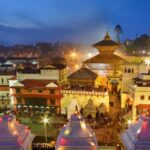
If you want spiritual intensity from both Hinduism and Buddhism, this pairing makes sense. Pashupatinath is dedicated to Lord Shiva and sits along the sacred Bagmati River. You may witness traditional cremation rituals along the banks, depending on what’s happening at the time of your visit.
Boudhanath is quieter and huge: a colossal Buddhist stupa, noted as the largest mandala in Nepal. It also connects to history through the ancient trade route to Tibet, which adds context to why this place mattered.
Option 3: Patan Durbar Square + Kathmandu Durbar Square
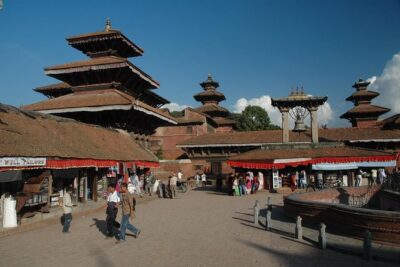
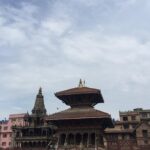
If you’re into craftsmanship—stone, wood, temples, statues—this is a strong double dose. Patan Durbar Square is known for Newari architecture and its red brick setting, with lots of temples and details packed into the square. Then you compare it with Kathmandu Durbar Square, another UNESCO royal center full of palaces and temples.
Option 4: Bhaktapur Durbar Square
If you want to slow down a bit while still staying efficient, Bhaktapur is a great pick. The square is described as Nepal’s largest durbar square, even though Bhaktapur is the smallest district. Expect four smaller squares inside the UNESCO area, plus the five-storied Nyatapola Temple, described as Nepal’s tallest.
My practical advice: if you’re only doing one heritage day, choose the pairing that matches your curiosity. If you’re most curious about sacred rituals, go Option 2 or Option 1. If you want architecture and squares, go Option 3 or 4.
You can also read our reviews of more tours and experiences in Kathmandu
The 3-Hour Format: What You Really Get
This is a 3-hour heritage hop, so the goal is momentum. You start with private hotel pickup (Thamel is the listed meeting area), then use an air-conditioned private vehicle to move between sites quickly.
The biggest value isn’t just “seeing two places.” It’s getting a guide to translate what you’re looking at:
- what key buildings represent
- why specific rituals happen in those spaces
- how the different traditions sit side by side in Kathmandu Valley
In multiple experiences, guides have been praised for being patient and letting you choose the pace. One common theme: Nilakantha Acharya (and other guides like Prakash) are described as adjusting based on your questions and timing, rather than forcing a rigid script.
That matters, because these sites are dense. A tight time window can turn into frustration if nobody explains what to notice. Here, the format is short but guided, which helps you get bearings fast.
Kathmandu Durbar Square and the Kumari Temple: The Rituals You’ll Actually Remember
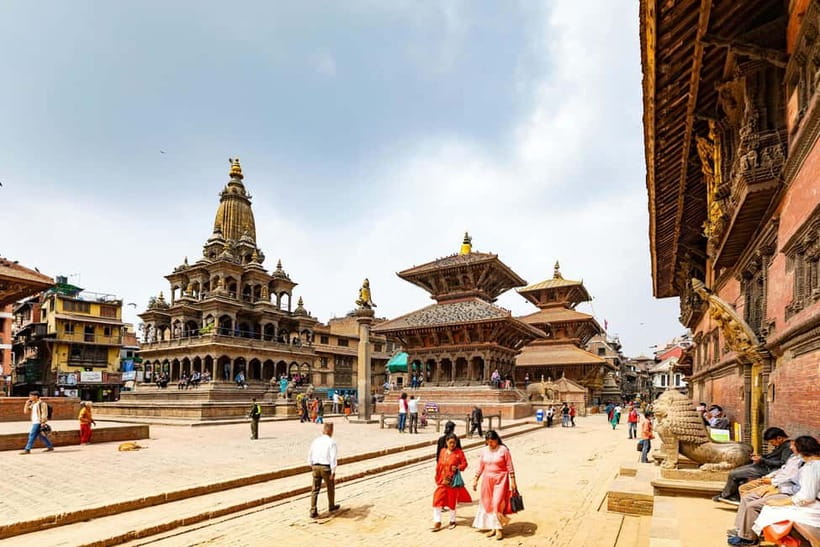
Kathmandu Durbar Square is the kind of place where “wow” comes from details. You’re looking at a UNESCO site that reflects royal palaces from the Malla and Shah dynasties, including the nine-storied Nautale Durbar. Even if you’ve seen temple squares elsewhere, the density of symbolism here makes it feel different.
What makes this stop special for most first-timers is the Kumari. You get the rare opportunity to sight Kumari, the living goddess, in her temple setting. That’s not just a photo moment. The guide context helps you understand what you’re witnessing: a living tradition with religious meaning tied to the temple and its community.
One practical consideration: Durbar Square areas can involve uneven surfaces and crowded viewpoints. Wear shoes that can handle it, and keep your time flexible so you don’t miss what your guide points out.
Swayambhunath Monkey Temple: Views, Mahachaitya, and the Best Photo Angles
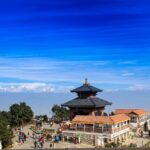
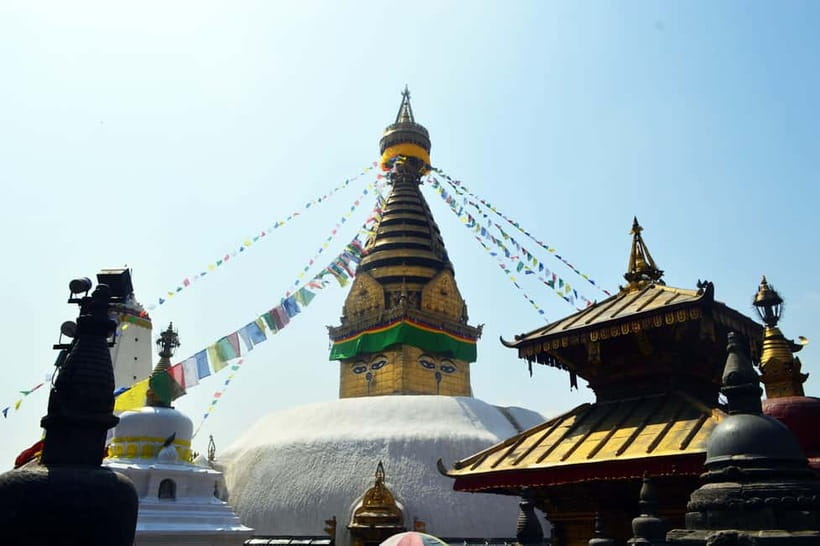
Swayambhunath (the Monkey Temple) is the classic Kathmandu skyline moment for a reason. It’s a UNESCO site perched on a hill, and you ascend to reach it. Expect monkeys around the area, plus the Mahachaitya to look for while you’re there.
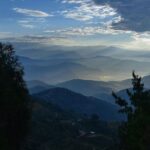
Then comes the big finish: breathtaking 360-degree vistas of Kathmandu Valley. This viewpoint is where your brain finally maps the city. You can see the hills, the built-up areas, and the way the valley works like a bowl.
How to get more out of it: don’t rush straight to the best angle. Spend a few minutes letting the guide explain what you’re seeing, then circle back for photos once you understand which structures matter.
If Option 1 is your pick, you’ll feel a satisfying contrast: palace-and-deity focus at Durbar Square, then airy viewpoint and iconic stupa energy at Swayambhunath.
Pashupatinath Temple and Boudhanath Stupa: Two Faiths, Two Moods
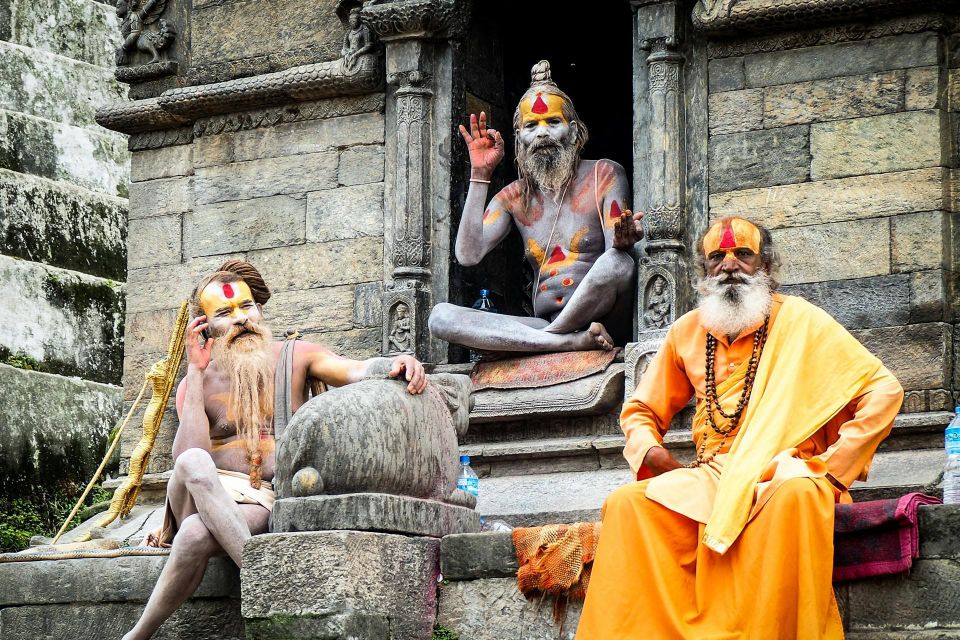
This option can feel like two different worlds in the same afternoon.
Pashupatinath: Shiva, Riverbanks, and Ceremony
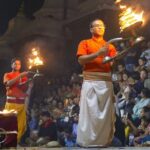
Pashupatinath Temple is dedicated to Lord Shiva and sits on the sacred Bagmati River. The setting is part of the experience. You may witness traditional cremation rituals along the banks, depending on the day and time.
That possibility changes how you should approach the visit. You’re not just looking at architecture. You’re witnessing (or nearby to) solemn practices. Your guide’s explanation helps you understand what symbols mean and why the area functions this way.
Boudhanath: The Colossal Stupa Experience
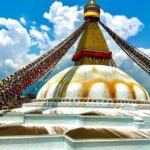
Then you switch to Boudhanath Stupa, described as the largest mandala in Nepal and noted as a UNESCO World Heritage site. It has a strong Buddhist atmosphere—serene, historic, and heavy with symbolism.
The old trade route to Tibet is an important context here. It’s the kind of detail that makes the place feel bigger than your afternoon. You’re seeing a node in a much longer story of movement, devotion, and exchange.
Practical note: if you’re sensitive to long lines of sight or are hoping for perfectly quiet moments, this pairing is worth it—but plan to work with the real-life flow of people and ceremony.
Patan Durbar Square and Bhaktapur: When Newari Craft Becomes the Main Event
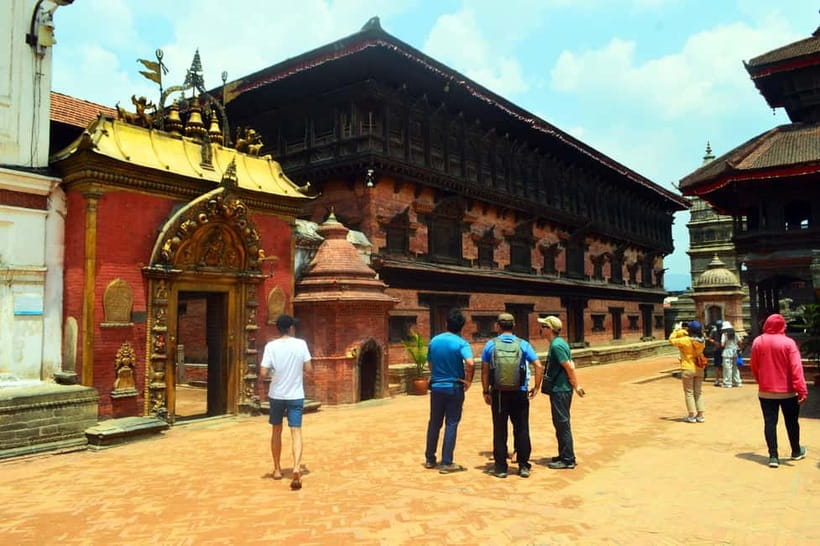
If you choose the double Durbar Squares route (Option 3) or the Bhaktapur option (Option 4), you’ll spend more time with architecture and urban layout rather than ritual theater.
Patan Durbar Square: Red Brick and Newari Detail
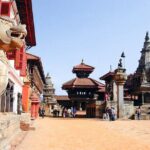
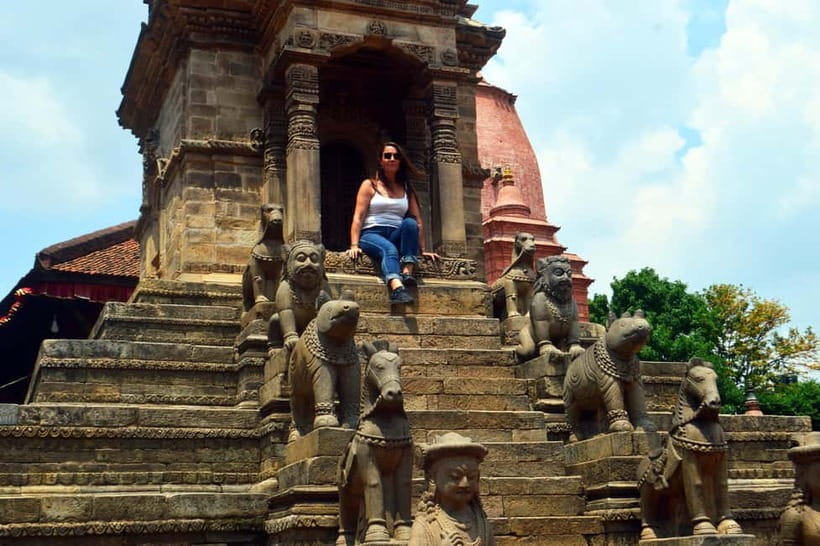
Patan Durbar Square is known for exquisite Newari architecture. You’ll also notice the red brick pavement that helps define the space. This UNESCO-listed square is packed with temples and statues, so your guide’s role is crucial: they help you sort what’s important, what the details represent, and what to look at first.
Bhaktapur Durbar Square: Nyatapola and Multiple Squares
Bhaktapur’s experience is described as time-travel energy, but with a smart structure: the UNESCO area includes four smaller squares. You also get to see the five-storied Nyatapola Temple, noted as Nepal’s tallest.
Even if you don’t consider yourself an architecture person, the payoff here is visual clarity. The buildings are built to be looked at from slightly different angles as you move through the square.
Transport, Pace, and Guide Style (What You’ll Feel Day-Of)
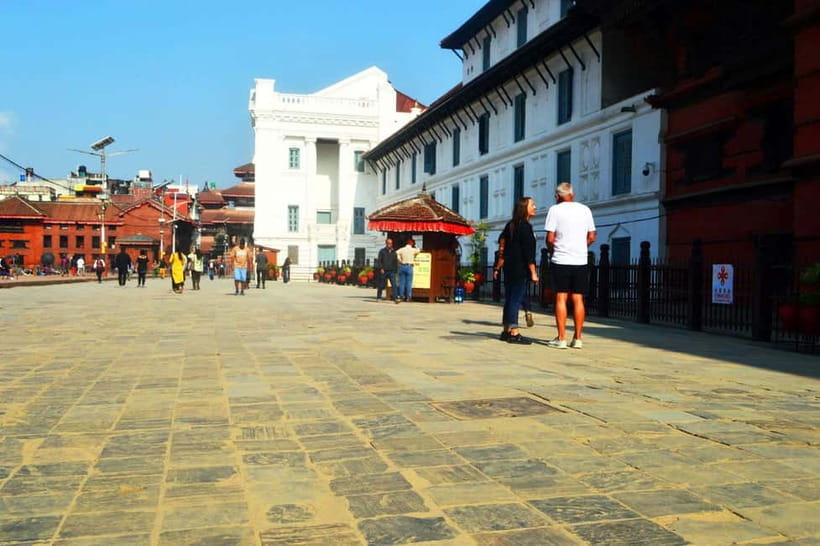
This tour is private and uses an air-conditioned private vehicle. You’ll also have bottled drinking water. That sounds basic, but it matters in Kathmandu, especially when you’re crisscrossing between hilltop and central squares.
The guides you’ll run into are praised for being:
- patient with questions
- flexible with your pace
- focused on explaining what you’re seeing
Nilakantha Acharya is specifically called out for clear explanations around Durbar Square and the Monkey Temple, and for tailoring the pace to interests. There’s also mention of guides taking photos and sharing them afterward. One memorable detail from an account: after stops, the guide took a coffee break on a rooftop when jet lag hit. That’s the kind of humane flexibility that turns a “tour” into a real afternoon.
And driver support shows up too. Names like Hari and Ram appear in positive notes, which hints at smooth transport and timing.
Price and Value: Why This Can Be a Bargain (Even With Extras)
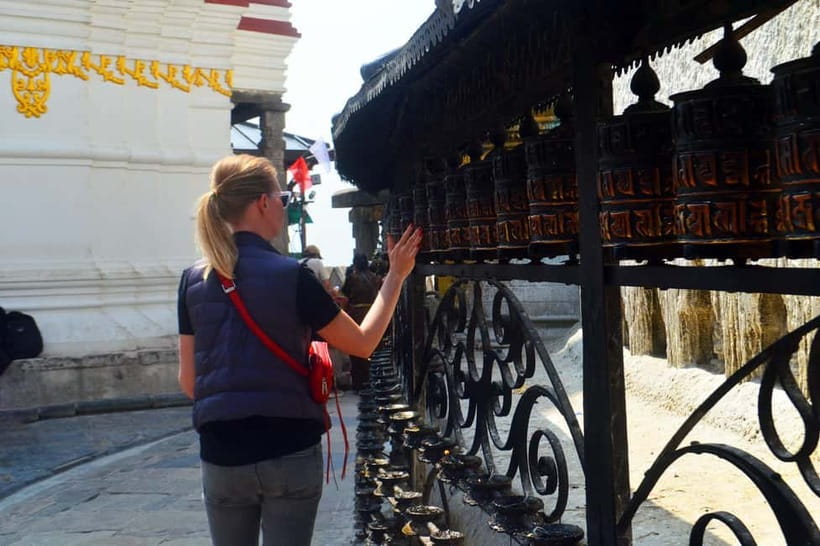
The listed price is $3.94 per person for a 3-hour guided heritage hop. That’s low enough that it should make you ask a question: what’s the catch?
Here’s what looks like the value engine based on what’s included:
- hotel pickup and drop (Thamel area is the baseline)
- an experienced English/Hindi guide
- air-conditioned private vehicle
- bottled water
- tour to two UNESCO heritage sites
- skip the ticket line
The likely cost reality is that monument entrance fees are not included, though an add-on option exists. So, the true “all-in” cost can be higher once you decide which site pair you choose.
My practical take: if you’re time-limited and want the UNESCO shortlist without committing to a full day, this format offers strong value. If you hate any “extra fees” surprises, ask ahead which entrance fees apply to your exact two-site choice and budget for cash.
Who This Tour Suits Best (And Who Should Rethink It)
This experience is a strong match if you:
- want a guided overview fast
- like heritage sites with clear context
- care about UNESCO places but don’t want a day-long commitment
- prefer a private group setup
It’s less ideal if you:
- rely on a wheelchair (it’s listed as not suitable for wheelchair users)
- travel with very young babies (not suitable for babies under 1 year)
- are over 95 (not suitable for people over 95)
- need to bring large luggage or bulky bags (not allowed)
Also, Swayambhunath involves an ascent to a hilltop stupa, so if stairs or uneven footing are a problem for you, consider the option you choose.
Should You Book This Kathmandu Heritage Hop?
Yes—if you want a smart, guided UNESCO hit that fits into a short schedule.
Book it if:
- you’re staying near Thamel and can use hotel pickup
- you want one guide to connect rituals, palaces, and sacred spaces into a coherent story
- you like getting your photos with explanation, not just standing in line
Skip it (or choose a different plan) if:
- you’re looking for a slow, all-day museum-style experience
- you don’t want to handle possible extra monument entrance fees
- you have mobility needs that don’t match a short hop between heritage sites
If you’re choosing between options, I’d pick based on your mood: rituals and religion (Option 1 or 2) or architecture and square-hopping (Option 3 or 4).
FAQ
How long is the Pick 2-Wonders of Kathmandu tour?
It lasts 3 hours.
Where does pickup happen?
Pickup is from Thamel, and the driver/guidance is arranged for your hotel lobby or the entrance of your residential apartment.
Is it a private group?
Yes, it’s a private group.
What’s included in the price?
Pickup and drop from your hotel, an experienced tour guide, a tour to any two of the 6 World Heritage sites, an air-conditioned private vehicle, and bottled drinking water.
Are monument entrance fees included?
No. Monuments entrance fees are not included, though there is an add-on option available.
What are the available tour options?
You choose two sites from these options: Kathmandu Durbar Square and the Monkey Temple, Pashupatinath Temple and Boudhanath Stupa, Patan Durbar Square and Kathmandu Durbar Square, or Bhaktapur Durbar Square.
What languages are the guides?
The live tour guide is available in English and Hindi.
What should I bring?
You should bring your passport and cash.
Is there skip-the-ticket-line service?
Yes, it includes skip the ticket line.
Is it wheelchair accessible?
No, it is listed as not suitable for wheelchair users.
Is there free cancellation?
Yes, you can cancel up to 24 hours in advance for a full refund.