REVIEW · KATHMANDU
3-Day Chitwan Jungle Safari Tour from Kathmandu
Book on Viator →Operated by Liberty Holidays · Bookable on Viator
Chitwan wildlife can surprise you early. This 3-day safari from Kathmandu is interesting because it mixes park game drives with quieter river time and Tharu culture, all wrapped in all-inclusive transport and meals. I like the fact that pickup and drop-off are handled, and I also like that the day-to-day plan gives you more than one way to spot animals. One drawback to plan around is the long travel day on Day 1, which can eat up your energy.
If you want an organized nature break without constant logistics, this kind of tour setup makes sense. I’d also expect the pace to feel full—especially with early starts and multiple activities—so bring a flexible mindset. For better sightings, you’ll want to dress for wildlife viewing and keep your eyes open when the guide calls it out, because that’s when the real moments happen.
In This Review
- Key things you’ll notice on this Chitwan tour
- 3 Days in Chitwan: what this tour actually delivers
- Price and value: is $392 a fair deal for Chitwan?
- Getting from Kathmandu to Chitwan: buses, timing, and real-world comfort
- Day 1: Tharu Village cultural visit plus the long travel day
- Day 2: Rapti River birding and canoe time, then park spotting
- Day 2 and the wildlife rules that actually help
- Day 3: return to Kathmandu by tourist bus (and what you don’t get)
- Where you’ll sleep: 3-star comfort with practical tradeoffs
- Small details that can make or break the experience
- Who this Chitwan safari suits best
- Should you book this 3-Day Chitwan tour from Kathmandu?
- FAQ
- What is the duration of the 3-day Chitwan safari from Kathmandu?
- How much does the tour cost?
- What’s included in the price?
- Are meals included?
- Is hotel pickup included in Kathmandu?
- How do you travel between Kathmandu and Chitwan?
- What should I wear for wildlife viewing in the Terai?
- What is the minimum age for this tour?
- What is the cancellation refund policy?
Key things you’ll notice on this Chitwan tour
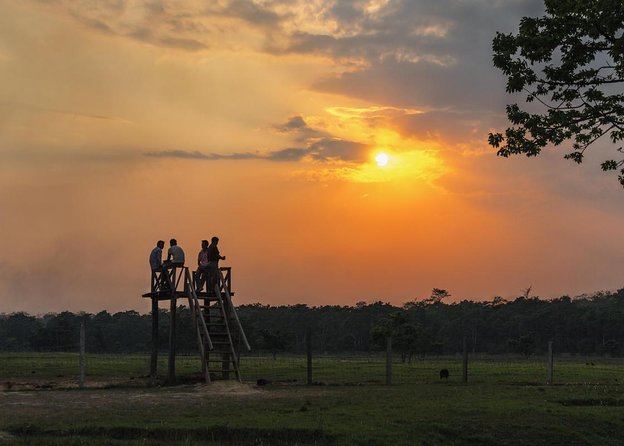
- Canoe time on the Rapti River before the heavier wildlife-spotting blocks
- Two nights in a 3-star style lodge or resort near Chitwan, with twin/double sharing
- Tharu Village cultural visit plus a local museum stop
- Multiple safari styles across the program, not just one drive
- Wildlife-friendly clothing guidance to avoid spooking animals
- A full schedule with early wake-ups and a Day 3 return by tourist bus
3 Days in Chitwan: what this tour actually delivers
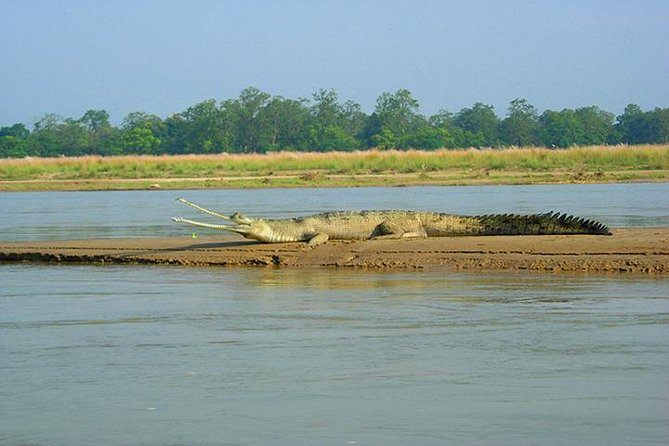
This is a pack-it-in, organized trip to Chitwan National Park and the surrounding Terai region. You’re not just doing one safari vehicle and calling it a day. Instead, you’ll combine river-based wildlife viewing with park-based time, plus a cultural day built around Tharu community life.
What makes it work for many people is the “handrails” factor: hotel-to-transport coordination, food included for most of the journey, and a guide to keep the day moving. In a place where schedules can be loose, it’s a relief when someone has already mapped the flow for you.
The tour price is $392 per person, which sounds steep until you count what’s included. Here, your money covers more than entry fees—it covers the guiding, park/conservation fees, two breakfasts, two lunches, two dinners, and the Kathmandu–Chitwan–Kathmandu coach ride.
You can also read our reviews of more tours and experiences in Kathmandu

Price and value: is $392 a fair deal for Chitwan?
I treat safari pricing like a math problem with a human side. The math part is easy: this trip includes the guide, national park and conservation-area fees, two nights of accommodation, and meals for two days (plus breakfast on two mornings). The human side is whether you’ll feel rushed or supported while spotting wildlife.
At $392, you’re paying for convenience plus access. Chitwan isn’t a place you want to “wing it” on your own if you’re short on time. A 3-day format can still feel like you’re living in a schedule, but it’s a good match if you want a meaningful wildlife hit without losing a full week to travel.
Also, the operator lists hotel pickup/drop-off in Kathmandu within the ring road, plus a note that outside that area may cost extra. That’s one of those details that can change your real cost, so confirm it early if your hotel sits beyond the ring road.
Getting from Kathmandu to Chitwan: buses, timing, and real-world comfort
Your tour begins with a meeting point at the Liberty Holidays Corporate Office on Trishakti Marg in Kathmandu, with a listed start time of 7:00 am. The program’s Day 1 also describes an early transfer to the tourist bus park via private vehicle, leaving around 6 am.
Plan for a long first day. One experience shared that you spend a lot of time on the bus, and the tradeoff is you’ll arrive ready for activities but also a bit tired. If you’re the type who hates being stuck in transit, you might prefer a longer itinerary that spreads the travel out.
The good news is that the tour does not make you hunt for connections. The Kathmandu–Chitwan–Kathmandu return is by tourist coach, and the experience provider notes you can request private vehicle or flight on request. That’s handy if you want a more comfortable return or if you’re sensitive to long rides.
Day 1: Tharu Village cultural visit plus the long travel day
Day 1 starts with the early move from Kathmandu toward Chitwan, then shifts into cultural time at the Chitwan Tharu Village. Admission is included, and the schedule runs for about 12 hours, so expect it to be a full day rather than an easy warm-up.
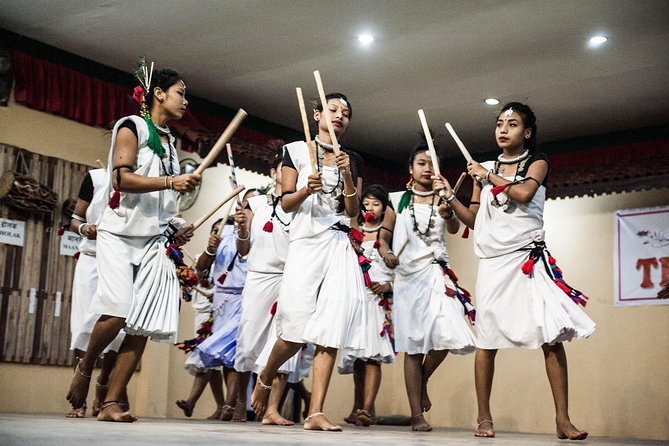
This is more than a stop for photos. The tour includes Tharu cultural performance and a local museum visit as part of the overall experience, so you should come away with context for the people who have lived and worked in this region for generations. I like this approach because it prevents the safari from feeling like a disconnected wildlife theme park.
Practical note: dress smart for heat. The Terai region can run above 37°C in summer, and you’ll be walking and sitting during transfers. Light layers help, and breathable clothes beat cotton that clings.
Day 2: Rapti River birding and canoe time, then park spotting
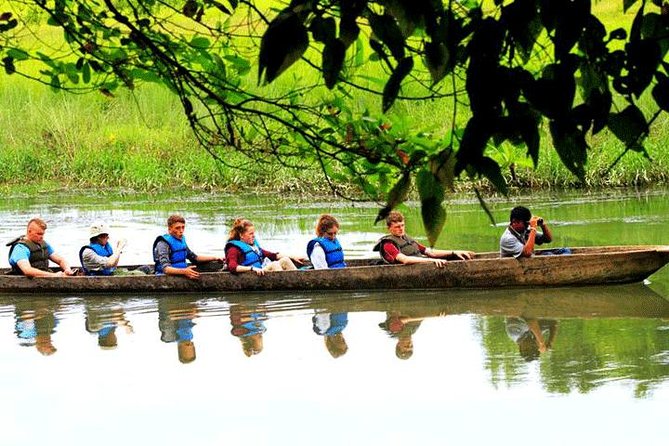
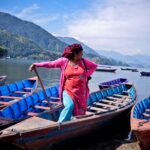
Day 2 is the morning of wildlife viewing intensity. You’ll get a wake-up call around 6:00 am, morning tea, then breakfast at about 6:30 am. At 7:00 am, you head out for bird watching and canoe riding along the Rapti River.
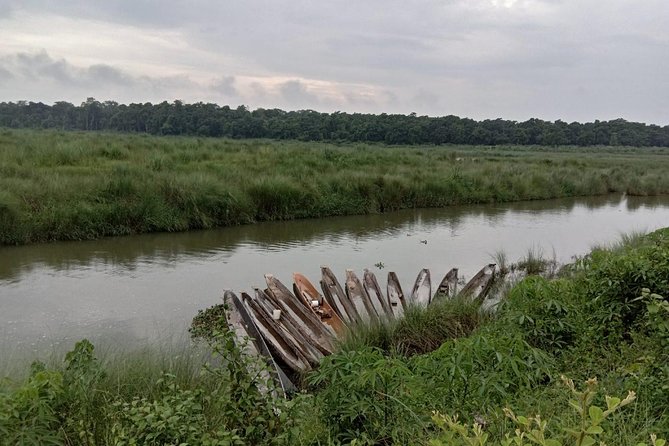
Canoe time matters because it’s a different viewpoint. A river trip often changes what you can see and how you see it—less noise than a vehicle, more stillness, and more chance to notice movement along the banks. It also sets the tone for the day: you’re learning to scan quietly before switching to more active safari routes.
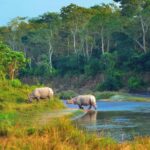
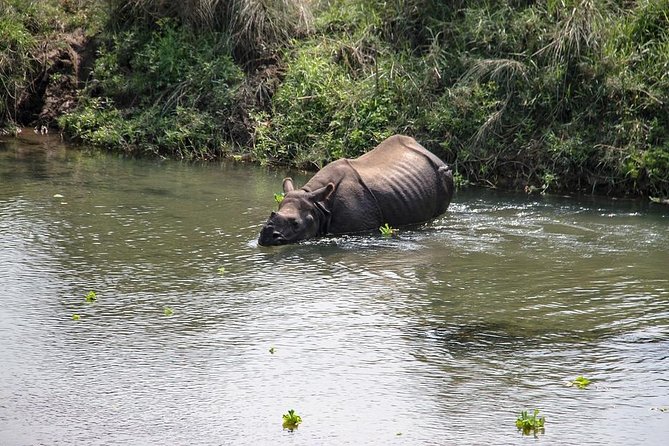
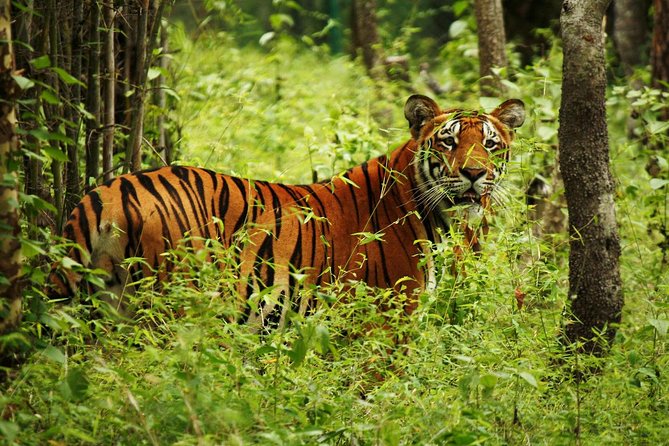
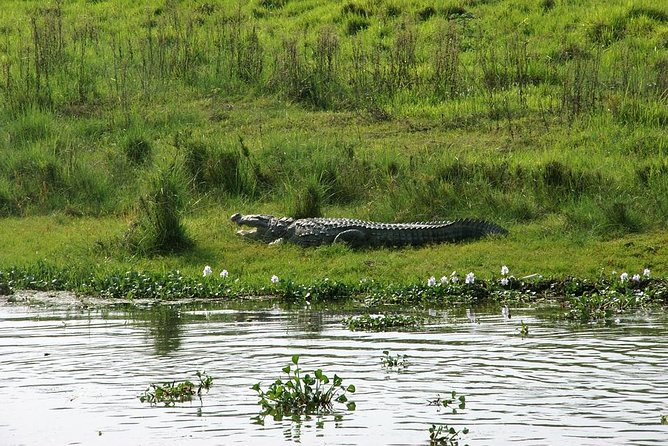
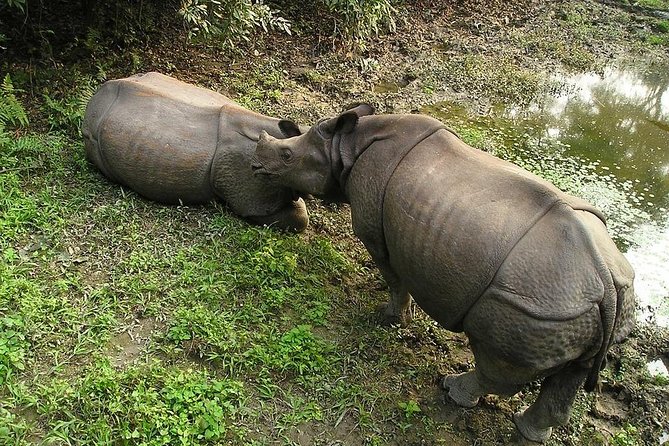
The broader program also includes jeep safari time and nature trails, and the highlights specifically mention chances to see deer, rhinos, crocodiles, and even tigers. Reality check: wildlife sightings are never guaranteed. The real value here is that you’re with a guide who knows where to look and how to time movements.
If you want a concrete “this is how the guide earns their pay” example, one shared experience described a guide calling out a rhino and bringing the group back to see it with no extra charge. That kind of responsiveness is exactly what you hope for when you’re paying for guided time in the park.
You can also read our reviews of more tours and experiences in Kathmandu
Day 2 and the wildlife rules that actually help
A safari is equal parts luck and technique. This tour includes a clear wildlife-viewing clothing suggestion: don’t wear bright colors or busy patterns, since they can draw attention and potentially scare animals. Choose greens, browns, and khakis if you can.
I also recommend keeping your hands free for binoculars or a phone. The program’s focus is on spotting animals at distance—especially on river edges and along park routes—so fumbling with gear while your guide is scanning wastes your best moment.
And yes, it can get hot in the Terai. Even if you arrive early with good intentions, fatigue can make you miss small signs—bird calls, track marks, or ripples along a bank. Take short water breaks, and don’t stay in one spot too long if your guide is actively working an area.
Day 3: return to Kathmandu by tourist bus (and what you don’t get)
On Day 3, you return to Kathmandu by tourist bus. The listed duration for Day 3 return is about 6 hours, and you’re back to the meeting point.
Food-wise, the tour notes that lunch is not provided on the third day when you’re back in Kathmandu. Breakfast and dinner are included as part of the 2-night plan, but you should plan for your Day 3 lunch situation based on when you arrive back.
Emotionally, Day 3 can feel like the wrap-up day. You’ll have memories of canoe and safari time, but you’ll also lose the freedom to wander slowly. If you have a flight the same evening, verify timing early and don’t rely on optimism.
Where you’ll sleep: 3-star comfort with practical tradeoffs
The included accommodation is two nights at a 3-star category hotel or resort in Chitwan, with examples like Chitwan Paradise Hotel or similar. Rooms are on a twin/double sharing basis, and solo travelers get a single room.
One shared experience mentioned staying at Maruni Sanctuary Lodge, describing it as clean and quiet with reasonable food. That’s the kind of balance I’d expect from a mid-range lodge in Chitwan: comfortable enough to recover, not so fancy that you feel the need to spend time inside.
You can’t predict every property from booking alone, but you can predict the role of the lodging. It’s a base for early mornings, park days, and a place to dry off if you get humid from river air. Pack a small day bag so you’re not constantly reorganizing.
Small details that can make or break the experience
Two things stand out from the guidance and the operational notes.
First: pickup and drop-off reliability. The tour includes hotel pickup/drop-off in Kathmandu and Chitwan, and you’re told where the meeting point is. Still, one shared experience complained that the return pickup to their hotel didn’t happen as promised, and the group had to sort the transfer themselves. That doesn’t mean it happens to everyone, but it’s worth a quick follow-up call the day of travel so you know where and when you’ll be met.
Second: tipping and drinks. Tips for guide and driver aren’t included, and drinks aren’t included unless specified. If you’re used to bundled pricing at home, factor this in so you’re not scrambling at the end of your trip.
Who this Chitwan safari suits best
This is a strong fit if you:
- want guided wildlife time without having to plan routes and park logistics
- like a packed schedule that mixes river and vehicle-based viewing
- care about cultural context through a Tharu village stop and local museum time
- are okay with early wake-ups and long transit, especially on Day 1
It might be less ideal if you:
- hate being on a coach for a big chunk of the day
- need a very relaxed, low-schedule pace
- prefer full flexibility for meals and timing (since lunch isn’t included on Day 3)
One extra ethical note: if you come across optional activities like elephant rides in the wider area, I’d skip them if that’s offered. One shared comment urged people to refrain, and you’ll feel better making that choice yourself.
Should you book this 3-Day Chitwan tour from Kathmandu?
If your goal is a well-organized Chitwan hit—cultural stop plus river safari style viewing plus park time—this 3-day tour is a practical choice. The strongest reasons to book are the included guide + fees + meals and the mix of canoe and safari approaches, which improves your odds of memorable sightings even though no animal is ever guaranteed.
Book it if you can handle early mornings and a long travel day. If you’re very sensitive to logistics hiccups, do a quick check-in on pickup expectations the day you travel.
If you want a single decision rule: choose this tour when you want guidance and convenience more than you want slow travel. Chitwan rewards attention, and this itinerary is designed to keep your eyes on the right places.
FAQ
What is the duration of the 3-day Chitwan safari from Kathmandu?
The experience runs for about 3 days, with Day 1 described as about 12 hours, Day 2 about 8 hours, and Day 3 about 6 hours for the return to Kathmandu.
How much does the tour cost?
The price is $392.00 per person.
What’s included in the price?
It includes a jungle safari guide, two-night accommodation at a 3-star category hotel or resort, hotel pickup and drop-off in Kathmandu and Chitwan, activities listed in the itinerary, taxes and park/conservation fees, and Kathmandu–Chitwan–Kathmandu by tourist coach.
Are meals included?
Yes. Lunch is included on Day 1 and Day 2, and breakfast and dinner are included for the two accommodation nights. Lunch is not provided on the third day when you’re back in Kathmandu.
Is hotel pickup included in Kathmandu?
Pickup and drop-off are included for hotels inside Kathmandu city ring road. If your hotel is outside that ring road, you may need to pay an additional charge.
How do you travel between Kathmandu and Chitwan?
The standard option is Kathmandu–Chitwan–Kathmandu by tourist coach. The provider also notes that private vehicle or flight is available on request.
What should I wear for wildlife viewing in the Terai?
Avoid bright-colored clothing and busy patterns, since they can draw attention and scare wildlife. Wear greens, browns, and khakis instead.
What is the minimum age for this tour?
The minimum age is 13 years.
What is the cancellation refund policy?
You can cancel up to 6 days in advance for a full refund. For a 50% refund, cancel 2–6 full days before the experience start time. If you cancel less than 2 days before, the amount paid is not refunded.