REVIEW · KATHMANDU
Kathmandu UNESCO Heritage Tour with Local Food Tasting
Book on GetYourGuide →Operated by Adventure Himalaya Nepal Pvt. Ltd. · Bookable on GetYourGuide
Crumbling temples, sweet snacks, and one wild stupa guide you through Kathmandu in five hours. I like the mix of Swayambhunath Monkey Temple calm up on the hill and the chance to eat plenty of local street food during the walk. One thing to consider: the day packs a lot into a short window, so you’ll want to be ready for crowds, lots of walking, and a serious amount of food.
What makes this tour worth your time is the pacing and the human touch. With an English-speaking guide (Rajan D. is highlighted in recent bookings), you get cultural context at each stop, plus practical flexibility to keep the schedule comfortable.
In This Review
- Key things to know before you go
- Five hours that put Kathmandu’s big icons in reach
- Pickup from Thamel and a guide-led heritage walk
- Swayambhunath hilltop: Monkey Temple calm above the street noise
- Kathmandu Durbar Square UNESCO: temples, carvings, and Kumari sighting
- Asan Market: where Kathmandu’s daily life is for sale
- The food tastings: eat as much as you like, in a smart sequence
- Price and logistics: what $64 really buys you
- Who this tour fits best (and who should tweak expectations)
- Practical tips to help the day feel easy
- Should you book this Kathmandu UNESCO Heritage Tour with Local Food Tasting?
- FAQ
- What locations does the tour visit?
- Where are the pickup and drop-off locations?
- How long is the Kathmandu UNESCO Heritage Tour?
- What food is included in the tasting?
- Does the tour include entrance fees and transportation?
- Is there free cancellation?
Key things to know before you go
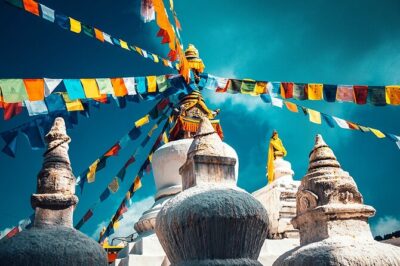
- Swayambhunath Stupa views: a peaceful hilltop with Buddhist atmosphere, prayer flags, and monks chanting
- UNESCO Kathmandu Durbar Square: temples, carvings, and a chance to see the Living Goddess Kumari
- Asan Market on foot: spice-and-staples shopping lanes that feel like real daily life
- A real food plan: momo, samaybaji, yomari, bara, chatamari, and more
- Private group with transport: picked up and dropped off in Thamel or Kathmandu
Five hours that put Kathmandu’s big icons in reach
This Kathmandu UNESCO Heritage Tour with Local Food Tasting is built for people who want meaningful sights without a half-day of guesswork. In just 5 hours, you cover three areas that basically sum up Kathmandu: the Buddhist hilltop world of Swayambhunath, the sacred, historic courtyard vibe of Kathmandu Durbar Square (UNESCO), and the everyday market energy of Asan Market.
I like that it is not a rushed checklist with zero flavor—literally and figuratively. The food tasting is scheduled as part of the walk, not an afterthought. And the guide role matters here. With an English-speaking guide, you get the stories behind what you’re looking at, including major religious figures and street-level trade.
The price—$64 per person—looks modest on paper, but the value comes from what’s included: entrance fees, local food, transportation, a bottle of water, and government taxes. So you’re not constantly doing math while you’re trying to enjoy the day.
You can also read our reviews of more food & drink experiences in Kathmandu

Pickup from Thamel and a guide-led heritage walk
You can start from either Thamel (Kathmandu) or a Kathmandu pickup option, and you’ll end with drop-offs in Thamel or Kathmandu. That matters because Thamel is where many visitors base themselves, and it keeps you from wasting daylight on transfers.
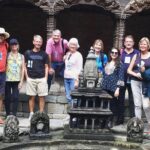
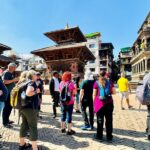
This is a private group tour, which usually makes the whole thing feel less like herding and more like a conversation. Recent tour feedback highlights Rajan D. for being seamless, insightful, and flexible with the schedule. Another detail that comes through: the driver is described as skillful and welcoming, which helps on a day that includes both hilltop and market lanes.
One practical takeaway: because the tour is guide-led, you don’t have to figure out which lane to take in Asan Market or what to look for at the Durbar Square windows. You just follow your timing and let the day unfold.
Swayambhunath hilltop: Monkey Temple calm above the street noise
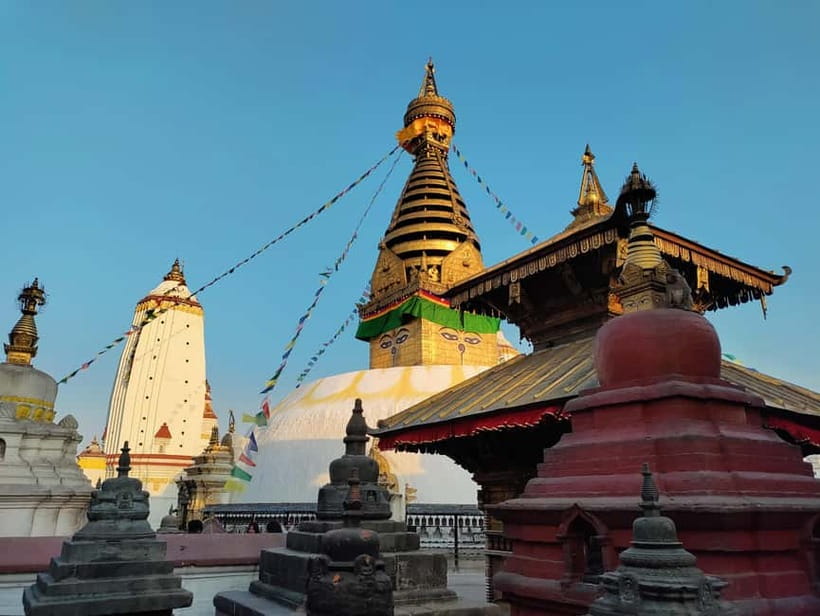
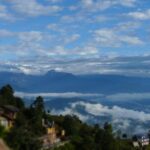
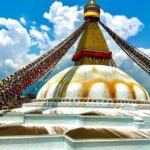
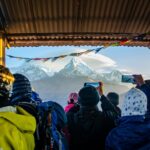
The tour begins with Swayambhunath Stupa, often called the Monkey Temple. Expect to move from Kathmandu’s louder streets into a more centered atmosphere once you’re up on the hilltop. The description is specific for a reason: you get a panoramic view of the Kathmandu Valley, along with prayer flags and the gentle rhythm of monks chanting.
This is where the tour earns its reset button.
You’ll spend about 1 hour with a guided visit, so it’s not a quick glance from the bottom of the hill. It’s enough time to notice how the stupa functions as a living religious space, not just a photo stop. If you like Buddhist culture, this portion will feel like the most spiritual pace of the day.
What to consider: Swayambhunath is a hilltop experience, and Kathmandu can be busy. If you’re sensitive to crowds or noise right at the start, you’ll still get the payoff, but you’ll want to keep your expectations realistic for a short morning tour.
Kathmandu Durbar Square UNESCO: temples, carvings, and Kumari sighting
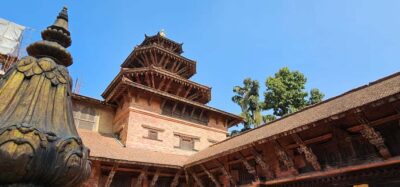
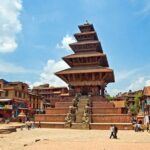
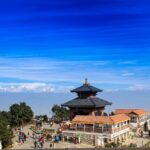
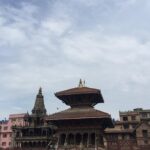
After the hilltop, you head to Kathmandu Durbar Square, a UNESCO World Heritage Site. This is the historic core where you can actually see how centuries of craftsmanship shaped religious and royal spaces.
You’ll get a 1-hour visit with guided sightseeing, including:
- centuries-old temples and palaces
- wood carvings
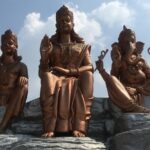
- sacred icons such as Kal Bhairav and Swet Bhairav
One of the main reasons people book this tour is the chance to see the Kumari, the Living Goddess of Nepal, as she appears at her window. That part is genuinely special because it connects Nepal’s living tradition with the architecture around it. You’re not just hearing about a story—you’re watching a cultural practice in place.
The tour’s structure is smart here. Durbar Square can feel easy to overrun if you’re wandering alone. With a guide, you’ll know what matters and why. Recent feedback also points out how quickly the history comes alive when the guide explains what you’re seeing instead of leaving it as random stone and names.
Asan Market: where Kathmandu’s daily life is for sale
From Durbar Square, the tour shifts to the city’s everyday trading lanes: Asan Market. This is where you trade scenic reverence for the real rhythm of Kathmandu—people negotiating, vendors laying out goods, the smells of spices in the air.
You’ll get about 1 hour here, with guided orientation plus free time, including shopping and local snacks/food tasting. The market is described as a place where traders have sold staples and finery for generations—spices, grains, traditional goods, along with items like sarıs, handmade jewelry, brass utensils, and seasonal produce.
What I like about putting Asan Market into a heritage tour is the contrast. You see the sacred spaces first, then you land in the normal human economy that keeps the city running. It’s a more complete Kathmandu picture.
Practical note: market time can feel intense if you’re tired. The tour gives you a defined window, so you don’t get stuck for hours if you’re not in a shopping mood. Still, it’s a good idea to wear comfortable shoes because you’ll be moving through lanes.
You can also read our reviews of more tours and experiences in Kathmandu
The food tastings: eat as much as you like, in a smart sequence
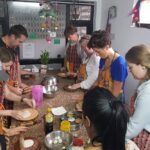
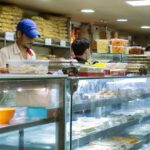
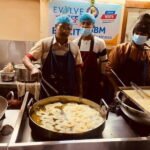
One reason this tour stands out is that the food portion isn’t a token sample. You get a proper spread during the walk, and the tour explicitly encourages you to eat as much as you like.
Here’s what’s listed as part of the tasting:
- MoMo (Nepali dumplings)
- Newari Samaybaji (a ceremonial platter with beaten rice, marinated meat, fried eggs, and pickles)
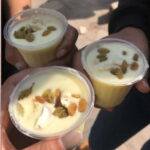
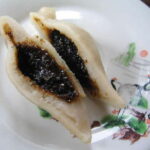
- Yomari (sweet steamed dumpling filled with jaggery)
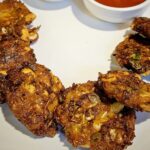
- Bara (savory lentil pancake)
- Chatamari (rice flour crepe often called Nepali pizza)
- Gwaramari (crispy fried bread)
- Indrachowk lassi (a refreshing drink to balance the flavors)
That list matters because it covers different categories, not just one snack type. You’ll get steamed dumplings, fried items, savory lentils, and a sweet course. Even if you’re not chasing food culture as a main interest, you’re still going to taste the way Newari and street-food traditions overlap in Kathmandu.
The pacing also seems to work. Recent feedback notes that people were not prepared for how much food there would be, and that every bite was delicious. That lines up with the idea that this is planned tasting, not random sampling.
One consideration for you: if you’re easily overwhelmed by volume, it helps to go in hungry and then choose what you want most as the tasting progresses. Your guide can help steer you toward favorites while keeping the day moving.
Price and logistics: what $64 really buys you
At $64 per person for 5 hours, the biggest question isn’t whether you’re paying for sights. You are. It’s whether you’re paying for the stuff that usually adds up.
This tour includes:
- entrance fees for the sites
- local food tastings
- an English-speaking guide
- transportation
- a bottle of drinking water
- government taxes
Not included:
- personal expenses
So if you want a guided UNESCO heritage day plus a structured food experience, this is a straightforward value proposition. You avoid the typical piecemeal costs of entry fees, guide time, and separate food stops.
Where personal expenses come in is exactly what you’d expect: if you want extra shopping items or additional bites beyond the tasting portion, you’ll pay yourself.
If you’re comparing this against a do-it-yourself day, remember the biggest hidden cost is time. Getting from hilltop to Durbar Square to Asan Market, while also understanding what you’re looking at, is the kind of effort that costs you energy. This tour sells convenience plus context.
Who this tour fits best (and who should tweak expectations)
This Kathmandu UNESCO Heritage Tour with Local Food Tasting is a strong match if you:
- want a first-time Kathmandu overview without missing the big icons
- like guided interpretation for Swayambhunath and Kathmandu Durbar Square
- care about food culture and want a planned tasting list
- prefer a private group and English guidance
It may not be ideal if you’re:
- short on energy and dislike market crowds
- very sensitive to the idea of lots of walking plus food volume
Also, the tour is designed for people who really like exploring. If you prefer long quiet breaks or very slow sightseeing, you might feel the schedule is tight. But that’s the trade-off for fitting three major areas into one day.
Practical tips to help the day feel easy
A few small habits will make a big difference on this route:
- Come hungry so the food tasting feels fun, not a chore.
- Plan for a warm, active day because you’re doing a hilltop visit and walking through market lanes.
- Use your guide for questions, especially at Durbar Square, where the symbols and figures can be hard to interpret on your own.
- Save room for the lassi. It’s built into the tasting sequence for a reason.
If you have dietary preferences, you should speak up with your guide beforehand. The tasting menu is listed, but personal needs still matter.
And do keep an eye on your pace. The tour is structured in 1-hour blocks for each main site, but your comfort level affects how much you can enjoy in those windows.
Should you book this Kathmandu UNESCO Heritage Tour with Local Food Tasting?
I think you should book if you want a single day that delivers three Kathmandu identities—monastery hilltop, UNESCO historic core, and market daily life—plus a real snack itinerary. The included entrance fees, transportation, and food tasting make it easier to justify the $64 price without extra surprises.
Skip it or adjust expectations if you hate food volume or you want a slower, less crowded day. In that case, consider a shorter itinerary focused on just one area.
If you do book, choose the pickup point that’s easiest for your lodging. Then go in with a simple mindset: look up at the stupa, pay attention to the Durbar Square symbols, and let Asan Market do its thing. This tour is the kind of day that leaves you with Kathmandu in your senses, not just on your camera roll.
FAQ
What locations does the tour visit?
The tour visits Swayambhunath Stupa, Kathmandu Durbar Square (UNESCO World Heritage Site), and Asan Market.
Where are the pickup and drop-off locations?
You can be picked up in Thamel or Kathmandu, and you’ll be dropped off in Thamel or Kathmandu.
How long is the Kathmandu UNESCO Heritage Tour?
The tour duration is 5 hours.
What food is included in the tasting?
The included food tastings list includes MoMo, Newari Samaybaji, Yomari, Bara, Chatamari, Gwaramari, and Indrachowk lassi.
Does the tour include entrance fees and transportation?
Yes. The tour includes entrance fees, transportation, and a bottle of drinking water, along with a local food tasting and an English-speaking guide.
Is there free cancellation?
Yes. You can cancel up to 24 hours in advance for a full refund.