REVIEW · KATHMANDU
From Kathmandu / Pokhara / Chitwan: River Rafting – 1 Day
Book on GetYourGuide →Operated by Rainbow Adventure & Travel · Bookable on GetYourGuide
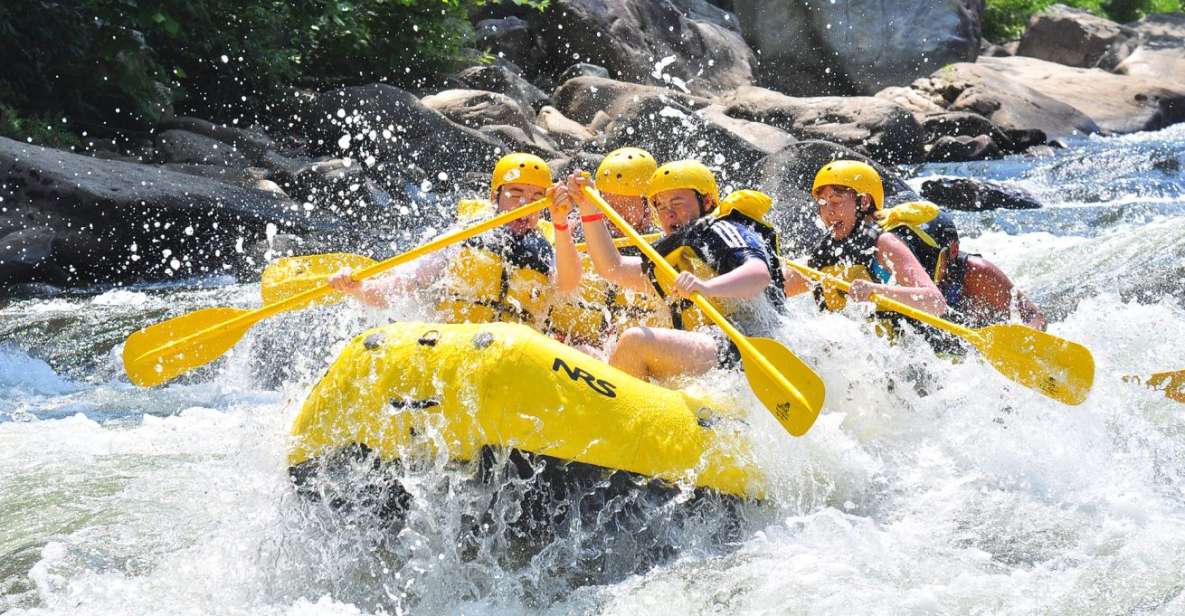
Kick off your day with Nepal’s river chaos. This one-day Trishuli River white-water run pairs real rapids (including a Colorado rating 3–4 section) with an easy half-day rhythm: pickup, safety briefing, rafting, lunch by the water, then transfers onward.
What I like most is the setup: you get an English-speaking licensed guide and a safety kayaker, plus international standard rafting gear and river permits handled for you. The other big win is the experience design—rapids are spaced out so you’re not just sprinting from one thrill to the next. The one thing to consider is that the trip isn’t for everyone: pregnant women are not suitable, and you’ll want to be ready for a wet, physical morning with only basic packing space.
If you’re an adventure person, this is a classic Nepal rafting day: quick briefing, multiple big-and-small rapids, Nepali naming for features (plus common names), and that punchy moment right before the main upset rapid.
In This Review
- Key Things To Know Before You Go
- Trishuli River White-Water: What Makes This Day Feel Worth It
- The Rapids Plan: From Early Briefing to the Upset Moment
- The highlight section after Majhimtar
- Lunch placed right before the best action
- Pickup and Transfers: How the Day Moves Around Nepal
- Safety and Equipment: The Stuff You Don’t Want to Second-Guess
- Lunch by the River: Simple, Timed Well, and Actually Useful
- What’s Included vs. What You Should Plan Yourself
- How I judge the price
- Language and Communication: You’ll Know What You’re Doing
- What to Bring (and What I’d Avoid)
- Who This Raings Best (and Who Should Skip)
- Should You Book This Trishuli River Rafting Day?
- FAQ
- Where does this rafting trip take place?
- How long does the activity take?
- How much does it cost?
- Where can you be picked up from?
- What’s included in the price?
- What language will the guide speak?
- What should I bring?
- Is this rafting suitable for pregnant women?
- Is personal insurance included?
- FAQ
- Can I cancel and still get a refund?
- Do I have to pay right away?
Key Things To Know Before You Go
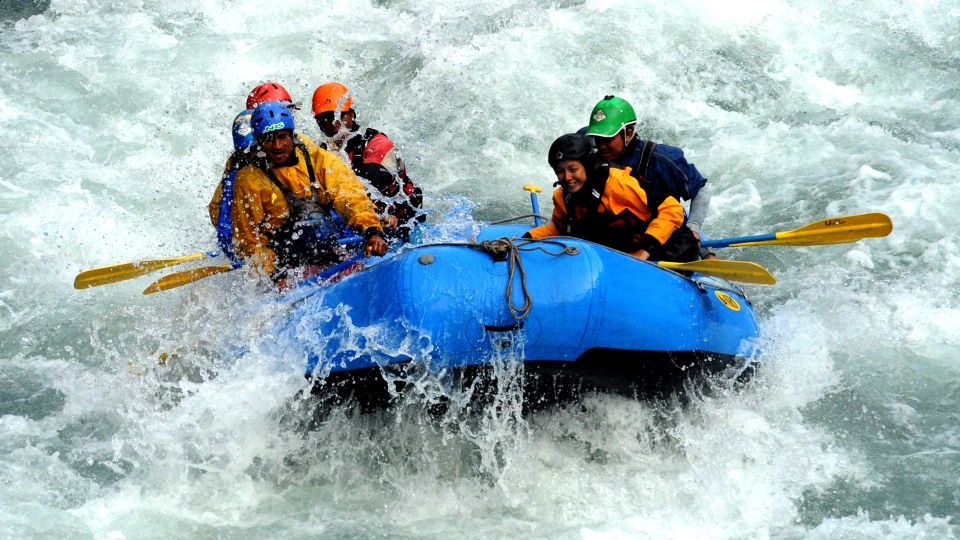
- Trishuli River action: Half-day style rafting with the highlight rapid coming after Majhimtar.
- Rated 3–4 rapid (Colorado scale): The most interesting stretch lands just before the upset rapid.
- Lunch on the river beach: You eat right before heading into the upset section.
- Safety team included: Licensed English-speaking guide plus a safety kayaker.
- You’ll get local context: Rapids have Nepali names as well as common names, explained by the rafter.
- Bring simple gear: Change of clothes and sandals make the post-raft part of the day much easier.
Trishuli River White-Water: What Makes This Day Feel Worth It
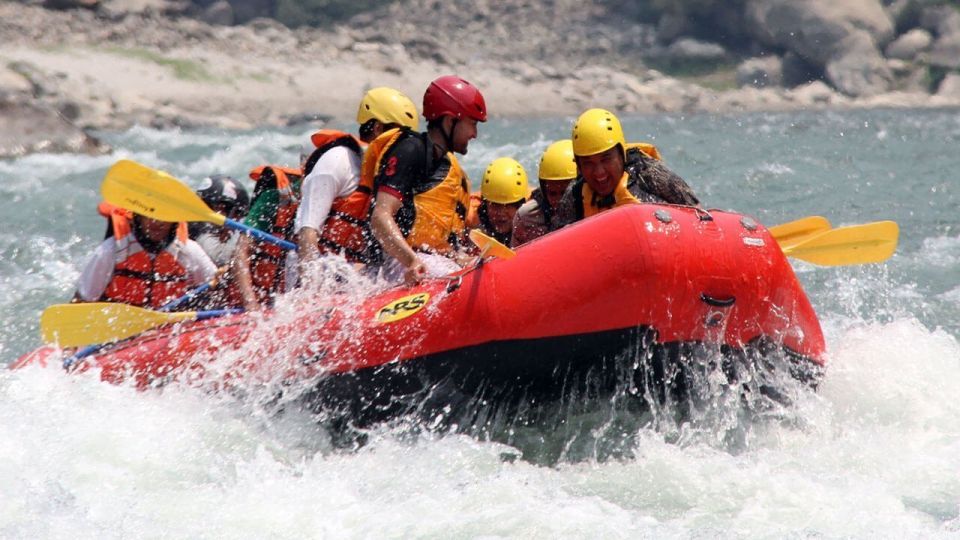
Trishuli rafting is famous for a reason. It delivers the kind of white-water you want in a short time: enough rapids to keep your pulse up, but structured enough that you’re not exhausted before the best parts. The river time is listed at 2.5 hours within a total activity duration of about 3 hours, and that fits the spirit of a true day adventure—satisfying, not drawn out.
You’ll also appreciate the way the trip keeps teaching moments built in. Rapids aren’t just encountered; they’re named. Tricky sections have Nepali names and common names, and the rafter explains them as you go. That turns the experience from random splashes into something you can actually understand in real time.
One more practical win: the trip includes the setup stuff that usually turns into a headache—licensed guide, safety kayaker, international standard equipment, first aid kit, and river permits.
You can also read our reviews of more tours and experiences in Kathmandu
The Rapids Plan: From Early Briefing to the Upset Moment
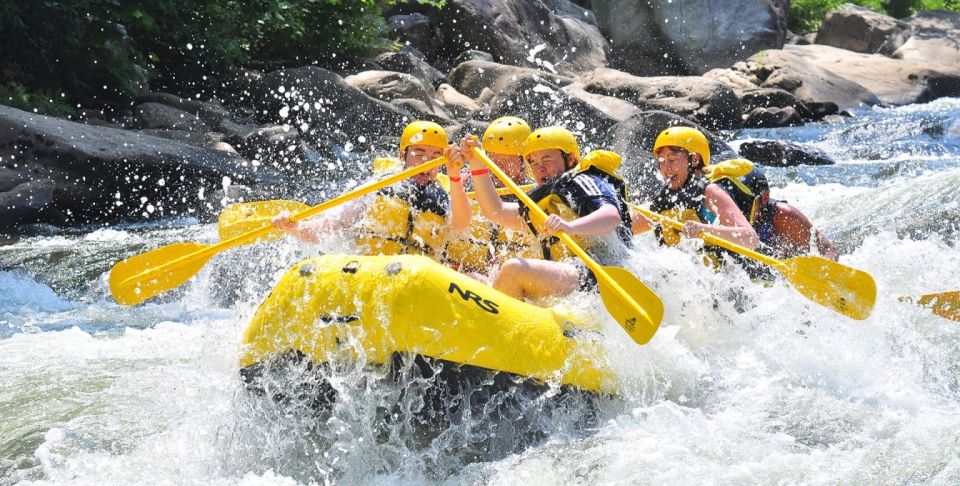
This is a rafting day with a clear flow. Early morning pickup happens from one of four options—Chitawan, Lumbini, Pokhara, or Kathmandu—then you travel to the rafting starting point by car/van or tourist bus. Once you arrive, you meet your raft crew and get a short safety briefing from the raft leader.
That briefing matters. Even if you’re experienced, these days run on teamwork and timing. You’ll want to pay attention to how the crew wants paddling done, and what to do when you hit rapids or need to reposition. After that, the river starts doing its job fast: you encounter several big-and-small rapids throughout the half day.
The highlight section after Majhimtar
The most interesting moment is after Majhimtar, just before the upset rapid. On the Colorado River rating scale, this rapid section is rated from 3 to 4. In plain terms, that’s the sweet spot for most people: challenging enough to feel exciting and technical, but not the kind of extreme that turns the whole trip into pure survival mode.
And since the rafter gives you names for each tricky section—both Nepali and common names—you’re more likely to feel like you’re learning the river instead of just bracing for impact.
Lunch placed right before the best action
Lunch is served on the beach of the river just before you go through the upset rapids. I like that timing. You get fuel when you still have energy, then you head into the more intense stretch without the risk of eating too early or too late. It also helps the day feel balanced: thrill, pause, then another round of thrills.
After lunch, expect more small and big rapids before you reach the put-out point and get transferred onward.
Pickup and Transfers: How the Day Moves Around Nepal
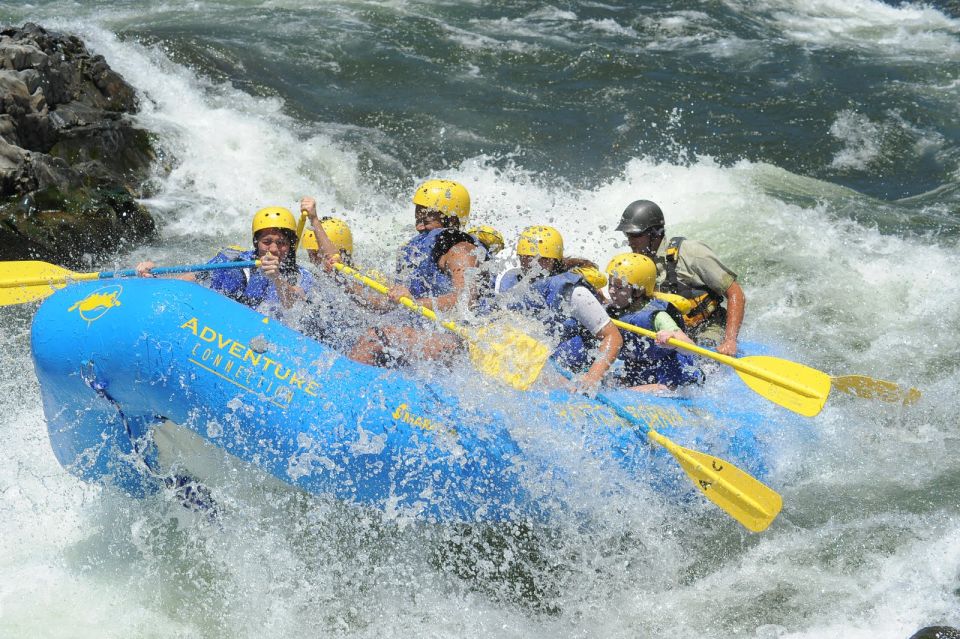
This is sold as a day rafting trip connecting Nepal’s big adventure routes—Kathmandu, Pokhara, and Chitwan. The key detail is that you’re not just rafting; you’re also doing one-way transport from where you’re picked up.
You get one-way tourist transport plus a one-way public transfer included. Translation: your ride logistics are partly handled, but you should still plan for a day that includes real driving time. The pickup options are four cities/areas: Chitawan, Lumbini, Pokhara, and Kathmandu.
At the end, you finish at Chitwan District. Then you’re transferred onward to Chitwan National Park, Pokhara, and back to Kathmandu (depending on your route). That makes it a practical choice if you’re hopping between regions anyway, not if you want a self-contained “just rafting” half day.
If you’re sensitive to travel fatigue, I’d treat this as an active day and keep your evening flexible after you get dropped off.


Safety and Equipment: The Stuff You Don’t Want to Second-Guess
Most rafting trips live or die by safety details, and this one checks several boxes.
You’ll get:
- a licensed English-speaking rafting guide
- a safety kayaker
- international standard rafting equipment
- a first aid kit
- river permits handled as part of the included package
The presence of a safety kayaker is a big comfort factor. It means there’s an extra trained eye and support on the water, not just a guide paddling and hoping everything goes fine.
Also, since the guide is licensed and the briefing is given on-site, you’re not guessing the rules. Do what the leader says during paddling commands and safety moments, and your odds of having a fun day (not a stressful one) jump.
Lunch by the River: Simple, Timed Well, and Actually Useful
Lunch might sound like a throwaway detail on a rafting day, but here it’s placed where it helps. You eat on the beach right before the upset rapids, so you’re not heading into harder sections with an empty tank.
That also means you’ll have a short mental reset. Rapids can come in waves—fast decision-making, then adrenaline. A proper break lets your body recover a bit and helps you enjoy the second half more than you would if lunch happened mid-chaos.
What’s Included vs. What You Should Plan Yourself
At $43 per person, the value mostly comes from what’s bundled, not just the base rate. You’re covered for the core rafting essentials:
Included:
- one-way tourist transport and one-way public transfer
- licensed English-speaking rafting guide and safety kayaker
- international standard rafting equipment
- lunch
- first aid kit
- river permits
Not included:
- personal insurance
How I judge the price
I look at a rafting price like this: how much of the “hard parts” are pre-paid. Here, safety staffing (guide + kayaker), equipment standards, and permits are included. That reduces uncertainty. Lunch being included is also a real cost saver on a day where you likely won’t want to hunt for food mid-route.
My only nudge: if you don’t already have coverage for activities like rafting, you’ll want to check your personal insurance. Since it’s not included, you’re on the hook if something goes wrong.
Language and Communication: You’ll Know What You’re Doing
Communication can be the difference between a smooth day and a confused one. This trip lists live tour guidance in multiple languages: English, Nepali, Japanese, and Hindi.
For most people, that means you should be able to understand safety instructions and how the crew wants you to paddle and respond during tricky water. And since rapids have both Nepali and common names (explained by the rafter), you’ll leave with a clearer memory of what you just faced.
What to Bring (and What I’d Avoid)
The provided packing list is refreshingly simple:
- Change of clothes
- Sandals
That’s smart. You’re going to get wet. Having dry clothes ready makes the “after rafting” part feel like a real ending instead of a miserable scramble.
Sandals work well for walking around and getting to/from the river edges. If you use anything else, keep it secure enough that you’re not losing it during water movement.
If you’re the type who likes extra comfort, consider bringing a small dry bag—but that’s not listed as included, so treat it as your own option.
Who This Raings Best (and Who Should Skip)
This is a solid fit if you:
- want a one-day white-water experience
- like the idea of a rated rapid section (3–4) without a multi-day commitment
- prefer clear safety structure and a licensed team
- are traveling between Kathmandu, Pokhara, and Chitwan and want a built-in activity stop
It’s not suitable for pregnant women, per the tour info. Also, if you don’t handle driving days well, be realistic about the transport portion of a “day rafting” trip.
Should You Book This Trishuli River Rafting Day?
If you want a straightforward Nepal rafting day with safety baked in, I’d book it. The best reasons are practical: licensed English-speaking guide, safety kayaker, international standard equipment, lunch timed right before the tougher rapids, and a clear highlight stretch after Majhimtar rated 3–4 on the Colorado scale.
I’d skip it only if you’re looking for a gentle, low-activity outing, or if the trip timing and wet conditions aren’t your style. Otherwise, this is the kind of experience that makes sense for first-timers and thrill-seekers alike—fast to join, easy to follow, and designed around the river’s most interesting moments.
FAQ
Where does this rafting trip take place?
The rafting is on the Trishuli River, in Nepal.
How long does the activity take?
The duration is listed as 3 hours, with Trishuli River rafting taking about 2.5 hours.
How much does it cost?
The price is $43 per person.
Where can you be picked up from?
Pickup options include Chitawan, Lumbini, Pokhara, and Kathmandu.
What’s included in the price?
It includes one-way tourist transport and one-way public transfer, a licensed English-speaking rafting guide with a safety kayaker, international standard rafting equipment, lunch, a first aid kit, and river permits.
What language will the guide speak?
The live guide can operate in English, Nepali, Japanese, and Hindi.
What should I bring?
Bring a change of clothes and sandals.
Is this rafting suitable for pregnant women?
No. Pregnant women are not suitable for this activity.
Is personal insurance included?
No. Personal insurance is not included.
FAQ
Can I cancel and still get a refund?
Yes. You can cancel up to 24 hours in advance for a full refund.
Do I have to pay right away?
No. There’s a reserve now & pay later option, where you can reserve without paying immediately.