REVIEW · KATHMANDU
Kathmandu City in One Day with Bodhnath Stupa
Book on Viator →Operated by Mosaic Adventure · Bookable on Viator
One day in Kathmandu, carefully arranged. You get a tight mix of Hindu and Buddhist landmarks in one 7–8 hour run, plus a guide who can explain what you’re seeing without turning it into a lecture. What I like most is the way this day pairs big, iconic sites like Boudhanath Stupa with Patan’s old-city details, and the way guides such as Keshar Jung Thapa bring context to both religions. One consideration: there’s no food or drinks included, so you’ll want to plan your own breaks.
This tour is built for first-timers or anyone passing through Kathmandu who wants the highlights without hopping around on your own. It also notes that some places you visit were significantly damaged by the 2015 earthquakes, so parts of the route may look different than the postcards. If you hate feeling like you’re always rushing to the next stop, this may not be your best match.
In This Review
- Key points at a glance
- How This Kathmandu City Day Tour Fits a Tight Schedule
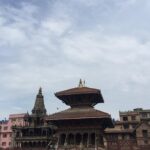
- Patan Durbar Square and Krishna Temple: Old City Details Without the Full-Day Commitment
- Pashupatinath Temple: Hindu Rituals and the Cremation Ghats
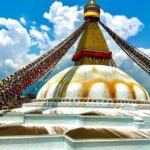
- Boudhanath Stupa: The Big Buddhist Center Where Everyone Has a Role
- Swayambhunath Monkey Temple: Views, Vibes, and Kathmandu Orientation
- Price and Logistics: Is $95 Good Value for This One-Day Mix?
- What the 2015 Earthquake Damage Note Means for Your Expectations
- How Long You Really Get at Each Stop
- Who Should Book This Tour (and Who Might Skip It)
- FAQ
- FAQ
- What time does the tour start?
- How long is the Kathmandu City with Bodhnath Stupa tour?
- Is hotel pickup and drop-off included?
- What’s the meeting point?
- What places are included in the day?
- Are admission tickets included?
- What is the maximum group size?
- Is food included?
- Should You Book This Kathmandu Highlights Day?
Key points at a glance
- Small group feel (max 12 people) keeps the day from feeling chaotic.
- Hotel pickup and drop-off saves you time in a city where traffic can be unpredictable.
- A focused religious route: Swayambhunath, Boudhnath, Pashupatinath, plus Patan.
- Tickets are handled for most stops, with the Patan square listed as free.
- A guide with practical storytelling helps you understand the rituals and symbolism you’ll see.
- Earthquake damage note means you may encounter rebuilding or repaired sections.
How This Kathmandu City Day Tour Fits a Tight Schedule
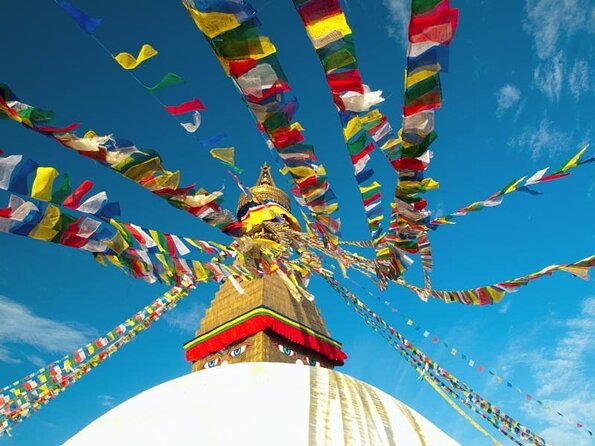
Kathmandu can feel like information overload in a good way. You’re surrounded by temples, stupas, courtyards, and prayer flags, but if you only have one day, choosing where to go is the hard part.
This tour is designed to solve that problem. It runs about 7 to 8 hours starting at 9:00 am, with pickup from your hotel and drop-off back at your hotel. That matters more than it sounds, because a self-guided day can become mostly logistics: getting to the next site, figuring out entrances, and trying not to waste time when roads get busy.
The itinerary is also well-shaped for orientation. You’re not just seeing buildings. You’re seeing the two main religious worlds side by side: Hindu at Pashupatinath, and Buddhist at Boudhnath and Swayambhunath, with Patan in between. If you want a fast start to understanding Kathmandu Valley, this is a strong way to get your bearings.
You can also read our reviews of more city tours in Kathmandu

Patan Durbar Square and Krishna Temple: Old City Details Without the Full-Day Commitment
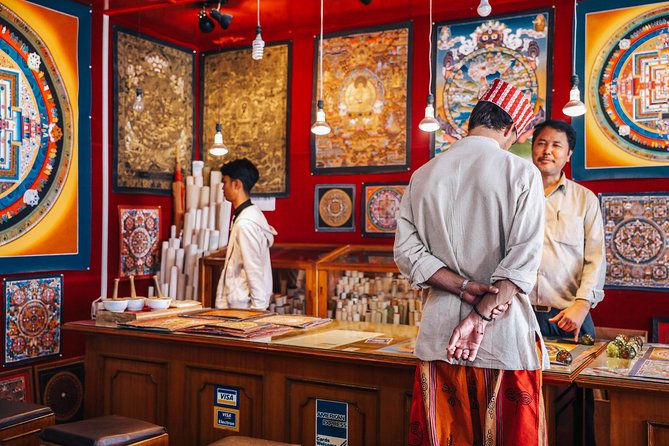
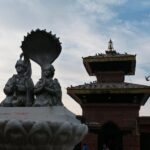
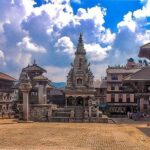
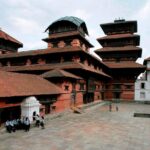
The day starts in Patan (Lalitpur) with time at the Old Durbar Square (about 40 minutes). This isn’t the kind of stop where you walk in, take a few photos, and leave. Patan’s old square area is one of the places where you can slow down just enough to notice craftsmanship—carvings, courtyards, and temple-adjacent details that make the valley feel like a living museum.
Admission for the Durbar Square stop is listed as free, which is a nice budget perk. It also helps that your guide is there to explain what you’re seeing in plain terms, not just pointing at stonework.
Next is Krishna Temple for about 15 minutes. The tour description calls it one of the oldest temples in the Patan area. The short timing here is smart: you get the sense of the site’s importance without eating your whole morning on one location.
Practical note: a good guide really changes how this part feels. If you know what a temple is for and why it’s positioned the way it is, you look twice at things you might otherwise skip.
Pashupatinath Temple: Hindu Rituals and the Cremation Ghats
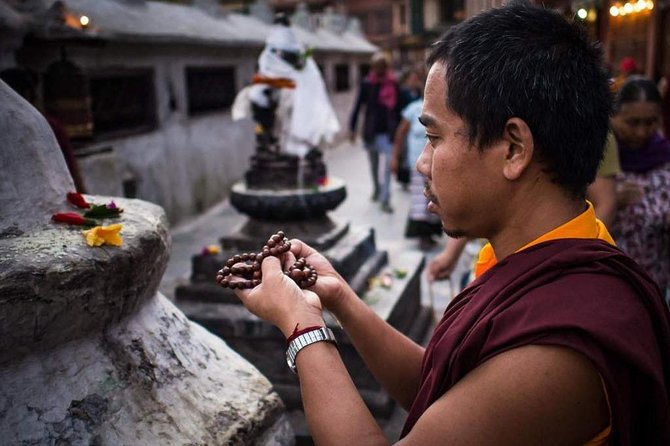
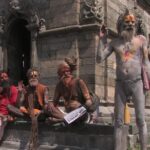
After Patan, you head to Pashupatinath Temple (about 40 minutes). The tour description also labels it as the Hindu temple also known as crematorium, which is important context. This is not just a grand temple with a view; it’s a working religious site, tied to rites that are central to Hindu life in Nepal.
That context is where the guided part pays off. A strong explanation helps you understand that the atmosphere around a place like this isn’t meant to be shock-value or spectacle. It’s part of a real system of belief and practice, and your guide can connect what you see to the larger logic of Hindu tradition.
Admission is listed as included for this stop, so you’re not juggling ticket counters mid-day.
Consideration: this is a meaningful place. Plan for a respectful, quieter mindset. It’s a good time to ask questions if there’s anything you don’t understand about Hindu worship and ceremonies.
Boudhanath Stupa: The Big Buddhist Center Where Everyone Has a Role
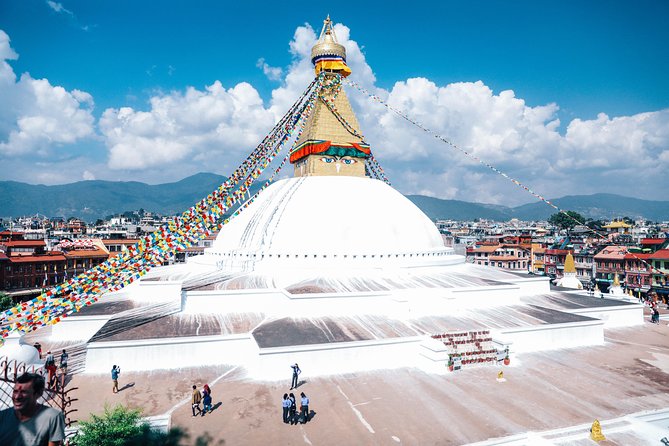
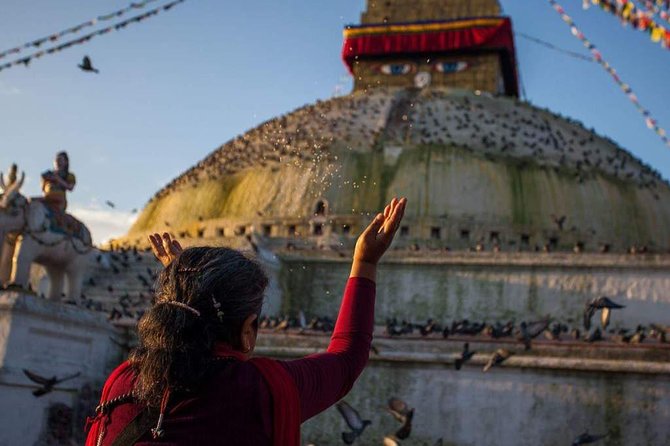
Now the day turns Buddhist with Boudhanath Stupa, about 30 minutes. This is the site the tour description highlights as the biggest Buddhist stupa in Kathmandu. Even if you’ve seen photos, the scale tends to hit differently in person—because Boudhanath isn’t just architecture. It’s an active center of worship, movement, and devotion.
The most useful thing your guide brings here is translation. Stupas can look similar until you understand what different elements symbolize, and why people circle, pause, and gesture the way they do. When your guide explains what you’re seeing in a clear, human way, the time you spend there feels more like learning and less like sightseeing.
Admission is listed as included for Boudhanath.
Value tip: if you’re the type who likes meaning over selfies, Boudhanath is usually where the day starts to feel memorable. It’s also a great stop if you want a slower pace compared to the more temple-ritual intensity of Pashupatinath.
Swayambhunath Monkey Temple: Views, Vibes, and Kathmandu Orientation
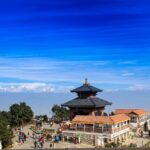
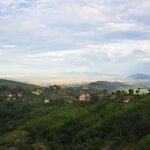
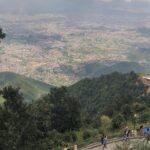
The final major stop is Swayambhunath, also known as Monkey Temple, for about 40 minutes. The tour description calls out the awesome view of Kathmandu Valley, and that view is often what makes Swayambhunath a must-do for one-day visitors.
This is also a good place to re-anchor your day. You’ve seen multiple religious sites by now, plus Patan’s old square. From Swayambhunath, Kathmandu Valley starts to click together visually. Even if you can’t identify every roofline, you can feel where things sit relative to each other.
Admission is listed as included for this stop.
Practical mindset: since your day is already structured into timed blocks, treat this stop as a chance to breathe a bit—take your photos, then stay long enough to let the place settle in your mind.
You can also read our reviews of more tours and experiences in Kathmandu
Price and Logistics: Is $95 Good Value for This One-Day Mix?
The price is $95 per person, and that’s best judged by what’s already handled for you.
Included:
- Hotel/port pickup and drop-off
- A professional local guide
- All taxes, fees, and handling charges
- Admission tickets for all listed stops except the Patan Old Durbar Square which is free
Not included:
- Food and drinks
So where does the value come from? Time. A one-day plan like this usually fails when travelers spend more energy coordinating than absorbing. Here, pickup, routing, and tickets for most stops are taken care of. You also get a guide—this is key for religious sites, where the difference between a checkmark and understanding is often a good explanation.
The other value driver is the group size. The tour description keeps it small, with a maximum of 12 travelers. A smaller group makes questions easier and helps you stay on schedule without feeling squeezed.
One caution: since food isn’t included, you may spend extra on lunch or snack breaks. If you’re trying to keep your overall daily costs tight, bring simple snacks or plan for a stop.
What the 2015 Earthquake Damage Note Means for Your Expectations
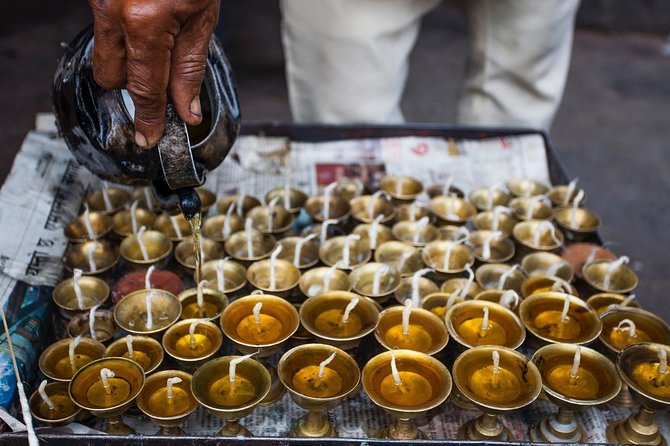
The tour clearly warns that some sites visited were significantly damaged due to the earthquakes in April and May 2015.
That doesn’t mean the sites are off-limits. It means your experience might include visible signs of repair, changing sections, or differences from what you remember from older guidebooks or photos online.
In a way, this becomes part of the story of Kathmandu. Rebuilding is slow, and religious places matter because they’re used by real people, not only visited for tourism. Going in with flexible expectations helps you stay present and appreciate what’s restored rather than only what’s changed.
How Long You Really Get at Each Stop
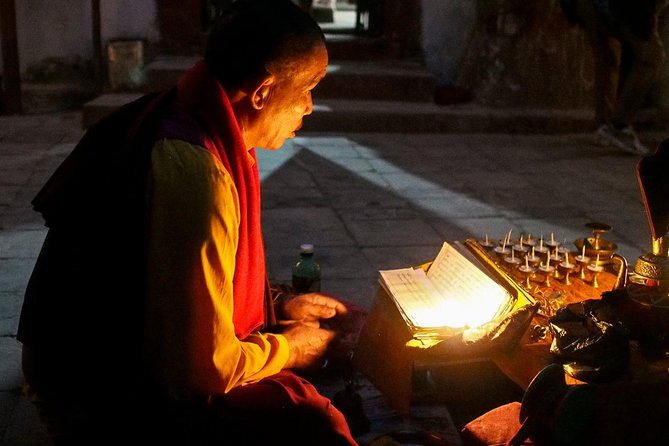
One of the more traveler-friendly parts of this tour is that it doesn’t pretend you’ll spend all day at one site. Each location has a clear time slot:
- Patan Old Durbar Square: about 40 minutes
- Krishna Temple: about 15 minutes
- Pashupatinath Temple: about 40 minutes
- Boudhanath Stupa: about 30 minutes
- Swayambhunath (Monkey Temple): about 40 minutes
That timing is ideal if you want variety and forward motion. It’s also good for first-timers because it reduces the decision fatigue of where to spend your limited time.
If you’re the type who wants to linger for hours, you might find these are shorter visits than you’d choose solo. But for a one-day highlight run, the structure is doing its job.
Who Should Book This Tour (and Who Might Skip It)
This tour is a great fit if:
- You have one day in Kathmandu and want both Hindu and Buddhist highlights
- You prefer a small group with a local guide
- You want pickup and drop-off handled
- You’re interested in understanding meaning behind major religious sites, not only taking photos
You might skip it if:
- You’re hoping for a slow, open-ended day with lots of free time
- You’re sensitive to intense religious settings like cremation-related areas (Pashupatinath is clearly framed this way in the tour description)
- You’re not comfortable with a structured schedule and timed visits
FAQ
FAQ
What time does the tour start?
It starts at 9:00 am.
How long is the Kathmandu City with Bodhnath Stupa tour?
It runs about 7 to 8 hours.
Is hotel pickup and drop-off included?
Yes. Hotel/port pickup and drop-off are included.
What’s the meeting point?
The tour meets at the Mosaic Adventure office.
What places are included in the day?
You’ll visit Patan (Old Durbar Square), Krishna Temple, Pashupatinath Temple, Boudhanath Stupa, and Swayambhunath.
Are admission tickets included?
For Patan Old Durbar Square, admission is listed as free. Krishna Temple, Pashupatinath Temple, Boudhanath Stupa, and Swayambhunath are listed as included.
What is the maximum group size?
The tour lists a maximum of 12 travelers.
Is food included?
No. Food and drinks are not included.
Should You Book This Kathmandu Highlights Day?
If you’re here briefly, I’d lean toward booking it. This is the kind of day tour that saves you from the biggest beginner mistakes: wasting time on transport, missing key religious landmarks, and going to sites without understanding what you’re looking at. The combination of pickup, a professional local guide, and a tight loop across Patan + major Hindu and Buddhist sites makes the $95 price feel more like a time-saver than just an attraction ticket.
Book it with two expectations in mind: you’ll want to handle your own food and drinks, and the schedule is structured, so it’s more “highlights” than “linger.” If that works for you, it’s a strong one-day way to see Kathmandu beyond the obvious photo stops.