REVIEW · KATHMANDU
Smells of Kathmandu Walking Day Tour
Book on Viator →Operated by Classic Escapades · Bookable on Viator
Follow your nose in Kathmandu. This 2.5-hour street walk turns Asan market life into a map you can actually read, from spices to everyday produce, with a guide translating the sights and sounds. I especially like how the route stays close to where people shop, so the experience feels practical, not performative.
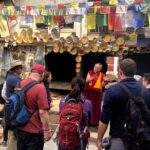
I also love the small-group feel (up to 10) and the quality of the guiding, with standout mentions of guides like Rajendra (praised for fluent German) and Sunil (praised for taking people into narrow alleys without losing the thread). One possible drawback: you’ll be in crowded lanes with strong smells, and you should expect it to be more street-real than photo-quiet.
In This Review
- Key things you’ll notice on this walk
- Entering Old Kathmandu: why this walk works
- Route at a glance: from Durbar Square edge to Thamel corridor
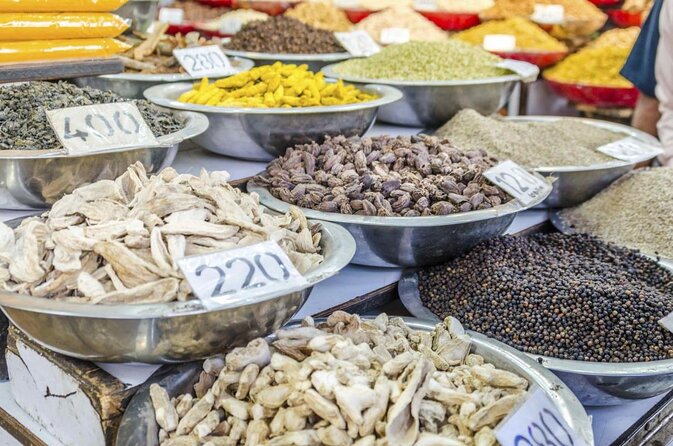
- Asan market: spices, pulses, and the city’s nose-level details
- Bead Bazaar and local craft lanes: shopping with context
- Indrachowk: a crossroads that explains movement in the city
- Bangemudha and Nardevi: small stops, big perspective
- Price and logistics: why $28 can be fair value
- What’s included (and what you should plan for)
- The smell factor: how to handle Asan without spoiling your mood
- Your guide experience: what to look for
- Timing and pacing: a 2:45 pm start that’s easy to fit
- Who should book this Kathmandu walking day tour?
- Should you book Smells of Kathmandu?
- FAQ
- How long is the Smells of Kathmandu walking day tour?
- What does the tour cost?
- Where does the tour go?
- Where does the tour start and end?
- Is hotel pickup available?
- How many people are in the group?
- Are food and drinks included?
- What if the weather is bad?
- What is the start time?
Key things you’ll notice on this walk
- Asan market first, not last: most of the 2.5 hours is spent in the Old Kathmandu food-and-spice zone.
- Your guide “reads” ingredients for you: spices, grains, pulses, fruit, fish, and meat come with context.
- Bead Bazaar side-stops: craft shopping shows up in the same walking loop as daily market trade.
- Indrachowk as a local crossroads: you’ll see how the city’s flow works around a major junction.
- Old-city alley lanes: expect scooters, pedestrians, and lots of tight turns.
Entering Old Kathmandu: why this walk works
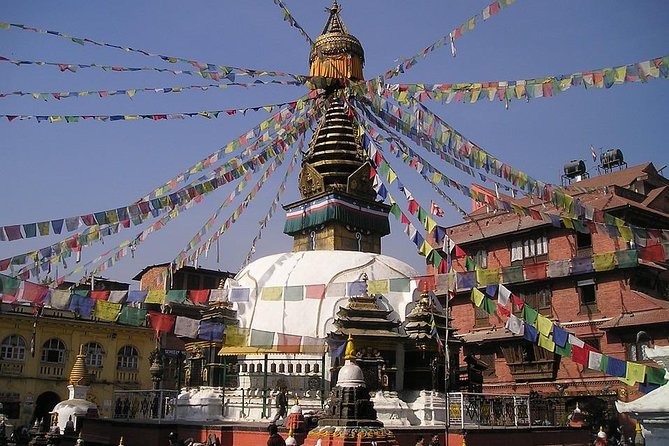
Kathmandu’s center can feel overwhelming fast. This tour keeps things manageable by focusing on one tight zone of Old Kathmandu—between Durbar Square and Thamel—and walking you through it at a human pace.
What I like most is the way the guide turns shopping into storytelling. You’re not just watching stalls; you’re learning what’s sold (and why certain items matter), which makes your first hours in the city feel useful.
You’ll start from Karmachari Sanchaya Kosh Building on Tridevi Sadak at 2:45 pm, and you’ll return to the same meeting point after the walk. The fixed start makes it easier to build the rest of your day around it.
You can also read our reviews of more walking tours in Kathmandu


Route at a glance: from Durbar Square edge to Thamel corridor
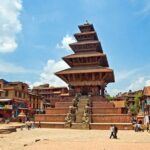
The route is designed to connect famous landmarks with less-obvious everyday lanes. You’ll be walking in the Old Kathmandu surroundings commonly associated with the stretch between Durbar Square and Thamel, so you get context without needing a car or a bunch of tickets.
The walking loop typically includes Asan first, then moves through nearby market areas and crossroads like Indrachowk and the Bead Bazaar area. Depending on the flow that day, your guide may also weave in nearby spots such as Bangemudha and Nardevi.
The tour duration is about 2 hours 30 minutes (approx.), which is long enough to feel like a real experience but short enough to stay flexible. With a maximum group size of 10, it’s also easier for your guide to adjust when lanes get crowded.
Asan market: spices, pulses, and the city’s nose-level details
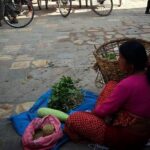
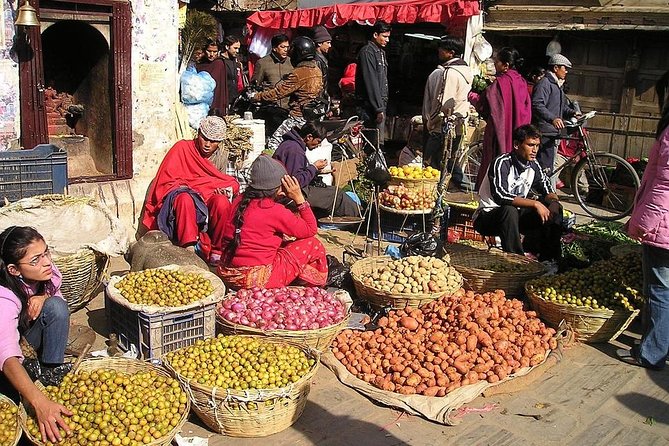
Asan is the anchor of this tour. This is where you’ll spend the majority of your time, and it’s exactly the kind of place where smells do half the guiding for you. Think spices, fruit and vegetables, and the kind of ingredients you’d need if you were shopping like a local instead of grabbing souvenirs.
Your guide points out local categories you might otherwise walk past, including grains and pulses (like lentil-style staples), plus items linked to everyday meals—fish and meat stalls are part of the mix too. It’s practical knowledge, because once you understand the ingredient rhythm here, you’ll start noticing it elsewhere in Nepal.
This is also where the tour’s “value” shows up. At $28 per person, what you’re paying for isn’t a museum-like display—it’s a guided translation of a working market. If you’ve ever wandered a market on your own and felt like you were just walking through noise, this is the antidote.
One consideration: if you’re sensitive to strong food smells or prefer quieter shopping environments, this stop will test your comfort. Give your nose a moment to adapt, and choose how you engage—look first, smell second.
Bead Bazaar and local craft lanes: shopping with context
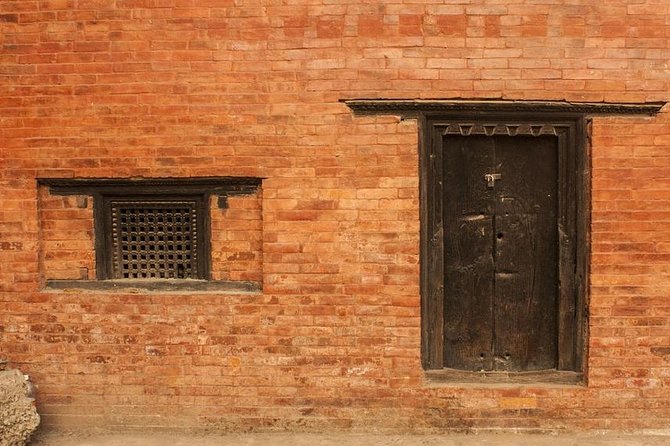
After Asan, the walk shifts from food-intensity toward craft trade and the kind of specialty shopping that makes Nepal feel distinct. The tour includes stops around the Bead Bazaar, which is a different tempo than a produce market.
Instead of only thinking about what people eat, you start noticing how people decorate, trade, and make things. Even if you don’t plan to buy, these lanes help you understand what’s available and how it fits into local life.
A practical way to enjoy this section: treat it like a lesson, not a sales pitch. Ask your guide what materials or items are commonly used for, and you’ll usually walk away with better answers than you’d get from shop signage.
Indrachowk: a crossroads that explains movement in the city
Indrachowk is one of those places where the city becomes visible in motion. You’ll pass through it as part of the Old Kathmandu circuit, and it helps connect the market stalls to real street-life—pedestrians, scooter flow, and constant movement between areas.
What I like about including a crossroads is that it prevents the walk from feeling like one long stall parade. Indrachowk helps you reset your bearings while you’re still learning how streets connect.
If you’re the kind of person who wants your first Kathmandu hours to make sense spatially, this stop is doing that job. After you see how people circulate here, Thamel and Durbar Square feel less like separate worlds.



Bangemudha and Nardevi: small stops, big perspective
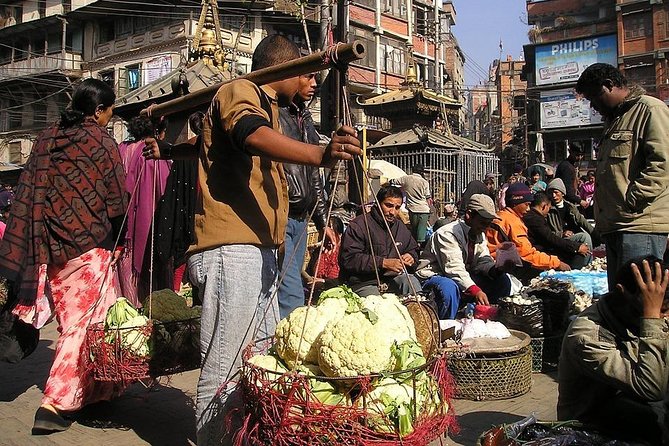
The tour can also weave in nearby Old Kathmandu spots such as Bangemudha and Nardevi. These aren’t “one giant attraction” stops; they’re the kind of additions that help you see the neighborhood logic.
I find these side areas useful because they slow your brain down. After dense market sections, a brief look around helps you notice architecture, street layout, and how daily life threads through commerce.
Even if you don’t know what every building or detail is, your guide can help connect what you see back to the areas you already walked through. That keeps the walk coherent instead of turning into a string of disconnected photos.
Price and logistics: why $28 can be fair value
At $28 per person for about 2.5 hours, this is priced like an experience that’s mainly about guide time and route access—not a heavy-ticket attraction day. The tour includes an in-person guide, and there’s also an admission ticket included (the specific admission isn’t spelled out, but it is included in the package).
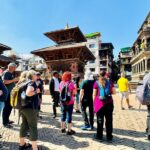
The small-group limit (up to 10) matters here. You get more flexibility than on large group walks, especially in narrow lanes where the group has to move as one body.
If you’re staying near Thamel or anywhere walkable to the Old City edge, you’ll likely feel this price is reasonable because you’re paying for orientation and ingredient education in a very concentrated area. If you only want a quick photo stroll, you might feel $28 is too much—but if you care about markets, this is a solid deal.
Pickup is offered in some cases, and you’ll receive a mobile ticket. Those two details are small, but they reduce friction, especially if you don’t want to coordinate taxis right before a walking day.
What’s included (and what you should plan for)
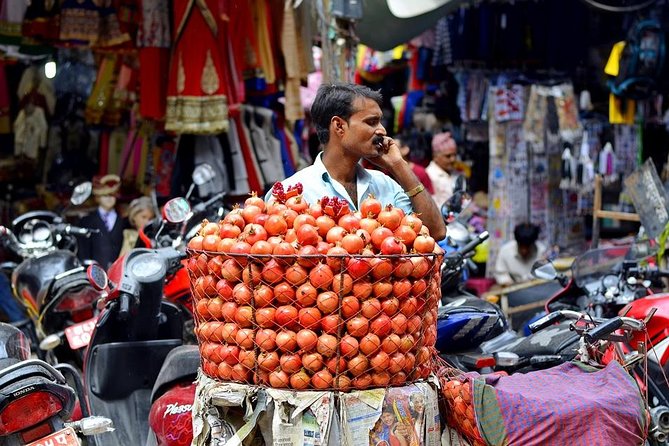
What’s included is the guide and the in-person guidance through Old Kathmandu’s market ecosystem. You also get the built-in direction and timing to keep the walk moving.
What’s not included is where a lot of people get surprised: food, drinks, and shopping are not included, and gratuities are not included either. So if you want a snack or a cup of tea, plan for it separately.
That said, the walk is the kind of experience where you’ll naturally be tempted to stop and taste or sample, especially around food stalls. If you prefer to keep your budget tight, you can still enjoy the sights without buying anything.
The smell factor: how to handle Asan without spoiling your mood
This tour lives up to its name. Asan’s market density means you’ll encounter a layered mix of smells from spices and fresh ingredients, and those scents can be strong.
My practical advice: go in with a calm expectation. You don’t need to “power through,” and you don’t need to buy anything to justify the experience. Let the guide do the interpreting, and let your comfort be your guide.
If you’re wearing strong perfume, consider dialing it back. You’ll feel more in sync with the street if your own scent doesn’t compete with the market’s aromas.
Your guide experience: what to look for
Two names came up clearly in the best feedback: Rajendra and Sunil. Rajendra was specifically praised for fluent German, which is a real help if you want your explanations to land. Sunil was praised for taking people into narrow lanes where many visitors would get lost quickly.
That tells you something important: the guide matters here. This is not the kind of tour where the scenery explains itself. The best version is the one where your guide connects ingredients and street life into a coherent story.
When you meet your guide, ask one simple question early—what’s the one thing people usually miss in Asan? A good guide will answer fast and then point the way for the rest of the walk.
Timing and pacing: a 2:45 pm start that’s easy to fit
The start time is 2:45 pm, and the walk runs about 2.5 hours. That timing can work well if you want to leave mornings for temples or slower sightseeing. It’s also late enough that you’re not rushing across the city in the earliest hours.
Because the tour ends back at the starting point, you’re not stuck with a complicated finish. That makes it easier to plan dinner afterward—especially since food isn’t included.
The tour also lists a maximum of 10 travelers, which usually means the pace feels human. Still, you should expect stops for explanations and occasional lane navigation.
Who should book this Kathmandu walking day tour?
This is a great fit if you want your first taste of Kathmandu to be grounded in everyday life. I’d point you toward it if you enjoy markets, want to understand local ingredients, or you like walking tours where the guide actually teaches.
It also works well for couples and solo travelers who want structure without a rigid itinerary full of big-ticket stops. If you’re traveling with a friend who loves street scenes but gets tired of standing still, this is the happy middle.
If you strongly dislike crowds, or you’re sensitive to food smells, choose your comfort level carefully. This is about real commerce, and that includes strong sensory input.
Should you book Smells of Kathmandu?
I’d book it if you want a guided way to understand Old Kathmandu markets in a short time. The price is fair for a focused 2.5-hour, small-group market walk, and the best part is how the guide turns ingredient shopping into clear explanations you can remember later.
I’d skip or reconsider if you want a calm, low-sensory walking experience. This isn’t a gentle stroll through quiet lanes; it’s a street-level look at where Kathmandu shops and eats.
If you do book, go in with a small mindset shift: you’re not collecting sights, you’re learning a system—what’s sold, how it’s organized, and how people move through it.
FAQ
How long is the Smells of Kathmandu walking day tour?
It lasts about 2 hours 30 minutes (approx.).
What does the tour cost?
The price is $28.00 per person.
Where does the tour go?
You’ll visit Asan and other Old Kathmandu areas around it, including Indrachowk and the Bead Bazaar, with possible nearby stops such as Bangemudha and Nardevi.
Where does the tour start and end?
It starts at Karmachari Sanchaya Kosh Building, Tridevi Sadak, Kathmandu 44600, Nepal, and ends back at the same meeting point.
Is hotel pickup available?
Hotel pickup can be arranged.
How many people are in the group?
The tour has a maximum of 10 travelers.
Are food and drinks included?
No. Food, drinks, shopping, and gratuities are not included.
What if the weather is bad?
This experience requires good weather. If it’s canceled due to poor weather, you’ll be offered a different date or a full refund.
What is the start time?
The tour starts at 2:45 pm.