REVIEW · KATHMANDU
Full Day Private Tour of Seven World Heritage Sites in Kathmandu
Book on Viator →Operated by Cordial Trek Pvt. Ltd. · Bookable on Viator
Seven UNESCO sites in one Kathmandu day. The tour runs from 08:00 with hotel pickup, using an air-conditioned private car to cover major landmarks like Boudhanath and Pashupatinath, plus a chance to see the Kumari living goddess. It’s one of those days where Kathmandu’s sacred side comes at you fast, and that’s exactly why it works.
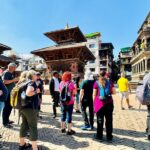
I also love the way you’re not just shown buildings. With guides such as Nilakantha Acharya or Kamal, you get clear explanations of what you’re seeing, including temple rituals and the meaning behind the monuments, not just dates and names.
One possible drawback: monument entrance fees are not included, listed at $50.00 per person, and seven stops in about 8 hours can feel tight if you like to linger.
In This Review
- Key highlights worth planning for
- Why This Seven-Site Kathmandu Route Works in a Single Day
- Boudhanath Stupa: The Big Opening Stop
- Pashupatinath Temple for Hindu Pilgrimage and Shiva Worship
- Changu Narayan Temple on a Hilltop
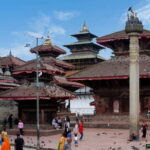
- Bhaktapur Durbar Square: The Palace City Moment
- Patan Durbar Square in Lalitpur
- Swayambhunath Mahachaitya: The Monkey Temple
- Kathmandu Durbar Square: The Royal Square with a Timeline
- Lunch Break Options for a Long 8-Hour Schedule
- Price and Entrance Fees: What You Should Budget
- Choosing the Right Guide: Nilakantha, Kamal, and Drivers Hari and Ram
- Who Should Book This Tour (and Who Might Not)
- Should You Book This Seven World Heritage Private Tour?
- FAQ
- What time does the tour start, and how long is it?
- Which UNESCO sites are included on this full-day tour?
- Is hotel pickup and drop-off included?
- Are the monument entrance fees included?
- What lunch options are included?
- Can I cancel and get a full refund?
Key highlights worth planning for
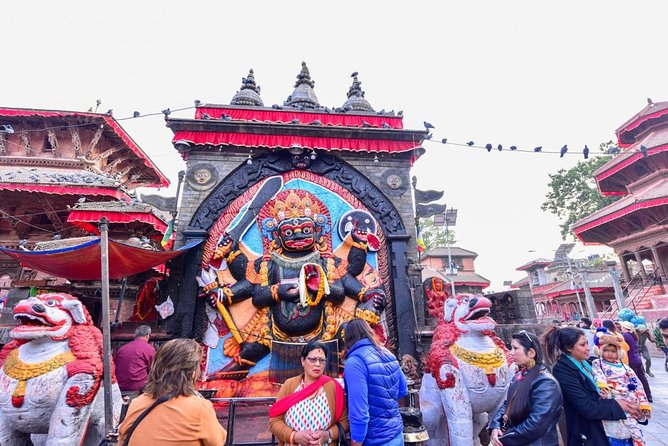
- Seven UNESCO World Heritage Sites in a single, well-paced route across Kathmandu Valley
- Hotel pickup and drop-off with an air-conditioned private car and driver
- Guide-led temple context, including rituals and what matters at each site
- Lunch included (Nepali thali or momo/spaghetti) plus bottled water
- Mobile ticket for smoother on-the-day check-ins
- A real chance to sight the living goddess Kumari during the day
Why This Seven-Site Kathmandu Route Works in a Single Day
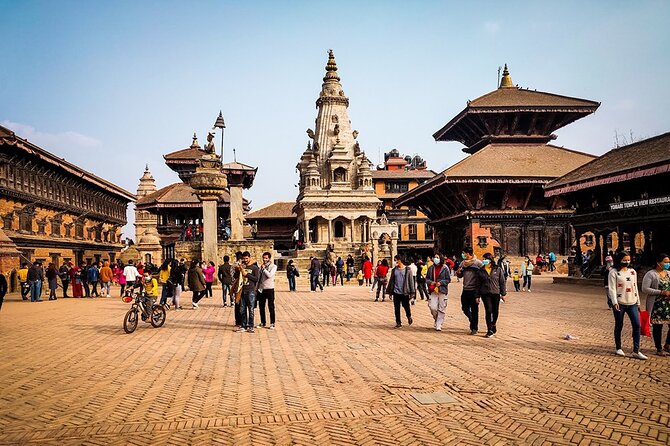
Kathmandu Valley is packed with UNESCO sites, but most visitors only have a day or two. This tour is designed for exactly that problem: you get a private car, a guide, and a structured plan that strings together the big hitters of the valley. Starting at 08:00 helps too, because you’re already on the move while the day is still fresh.
The other big value is the guide. When you’re dealing with active temples and sacred architecture, having someone explain what you’re looking at changes the whole feel. A stupa is more than a photo spot when you understand how people approach it spiritually. A durbar square becomes more than a ruin when you know what it represents in the palace-city story.
Now, about the price. The tour lists at $5.00 per person, which is unusually low for a private, all-day service with a car, guide, bottled water, and lunch. That doesn’t mean it’s complicated or confusing. It means the real budget piece is the one not included: monument entrance fees at $50.00 per person. So, if you’re going to do this, plan on paying the site fees and treat the $5 as the base service charge for transport + guide + included meals.
You can also read our reviews of more private tours in Kathmandu
Boudhanath Stupa: The Big Opening Stop
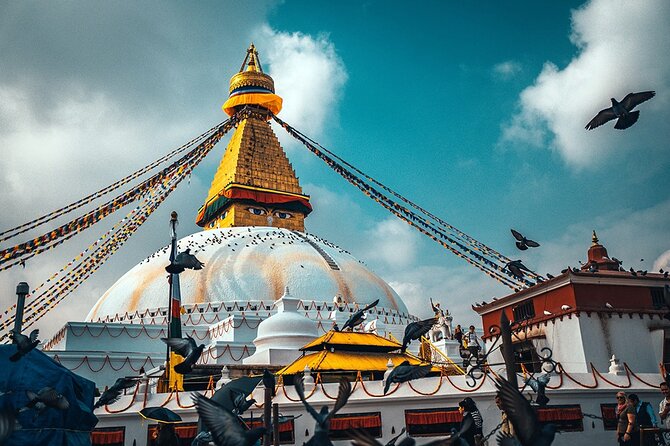
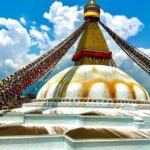
You’ll start the day at Boudhanath Stupa, the first of seven UNESCO sites. As a first stop, it sets the tone. Stupas are built for people—prayer, reflection, and daily ritual movement—and Boudhanath is one of Kathmandu Valley’s most recognizable spiritual anchors.
If you like to understand a place in layers, this early visit helps. You arrive with time to notice the details before the day’s energy ramps up. You’ll also get your bearings for the rest of the route, because after Boudhanath the tour swings through a mix of Hindu pilgrimage sites and historic palace squares.
The practical point: this is a full-day itinerary. Even though each stop is around an hour (or longer at the durbar squares), starting with Boudhanath means you’ve got momentum early rather than trying to compress the most symbolic stop at the end.
Pashupatinath Temple for Hindu Pilgrimage and Shiva Worship
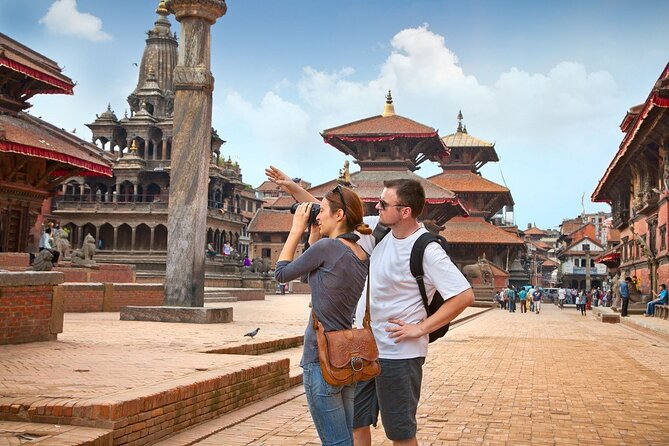
Next comes Pashupatinath Temple, one of the most sacred Hindu pilgrimage sites in Kathmandu. The tour description flags it clearly: it’s dedicated to Lord Shiva, and it’s a Hindu pilgrimage stop of serious importance. That alone makes this stop feel different from the more architectural-focused sights, because you’re stepping into a living religious landscape.
When you’re at a major pilgrimage temple, the guide’s role matters. With guides like Nilakantha Acharya, the emphasis often lands on what people are doing and why—so you don’t just watch, you understand. That matters most at places like Pashupatinath, where the meaning of the rituals is the story.
A balanced tip: if you’re sensitive to long viewing times, plan for a respectful, observant hour rather than a quick walk-through. The value here is in seeing how worship shapes the space.
Changu Narayan Temple on a Hilltop
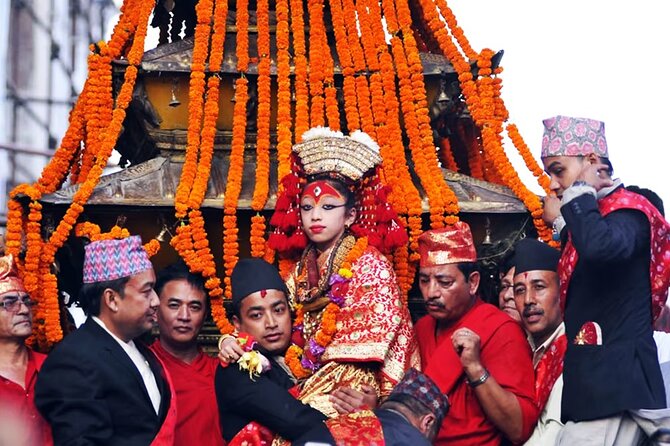
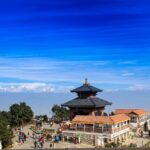
Then the tour heads to Changu Narayan Temple (also known as Changu or Dolagiri), an ancient Hindu temple on a high hilltop in Bhaktapur District. That hilltop setting is a key part of the experience. Elevated temples change the feel of everything—light, sightlines, and the sense that this is meant for devotion, not convenience.
Changu Narayan is described as ancient, which is useful context when you’re trying to separate “old building” from “important old building.” A good guide will connect what you see to why this temple has lasted and why it’s part of the UNESCO list rather than just another spot with similar architecture.
Practical consideration: the tour schedule keeps things tight across seven UNESCO sites. This is one of the stops where you may notice the day’s pace most, because hilltop sites naturally make the visit feel a bit more “effort” than flat durbar squares.
Bhaktapur Durbar Square: The Palace City Moment
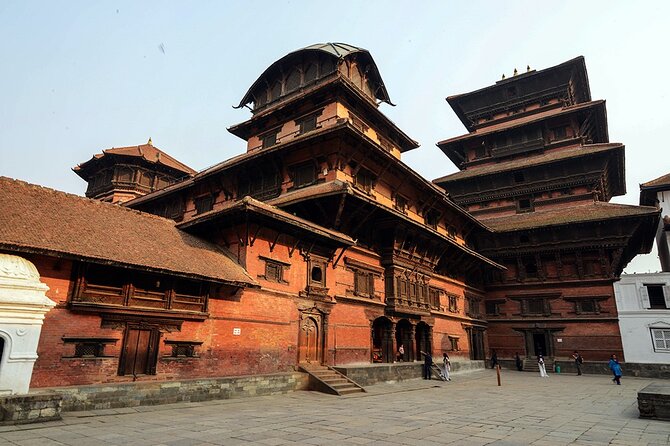
After Changu Narayan, you’ll move to Bhaktapur Durbar Square, where the description gives you a strong sense of scale. Bhaktapur is noted as both the smallest district and the biggest Durbar Square in Nepal. That’s useful to know because durbar squares aren’t just scenery—they’re historic political and cultural centers tied to the palace city identity.
This stop also comes with extra context: the durbar square includes four other smaller durbar squares. So even in an hour-and-a-half, you’re not just seeing one courtyard. You’re sampling a layered palace-city layout, which helps if you’re the type of traveler who likes to see how cities were organized.
Drawback to plan for: durbar squares can feel dense. If you want room to wander at your own pace, the fixed schedule of this tour may feel a bit pressurized. The trade-off is that you’ll still get to see Bhaktapur and the other UNESCO sites without turning your day into a travel scramble.
You can also read our reviews of more historical tours in Kathmandu
Patan Durbar Square in Lalitpur
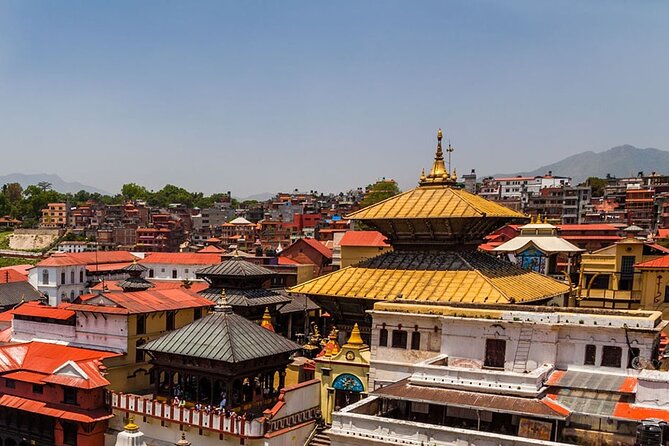
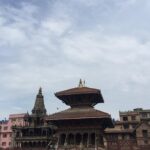
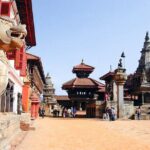
Next up is Patan Durbar Square, located in the center of Lalitpur city. Like Bhaktapur, it’s one of the three Durbar Squares in Kathmandu Valley that are UNESCO World Heritage Sites. Seeing two durbar squares back-to-back can be powerful because you start noticing contrasts in how each place expresses its royal heritage.
This stop is scheduled for about 1 hour 30 minutes, which gives you more time to take in the layout compared with the shorter temple blocks. If you’re paying attention, you’ll likely leave with a clearer idea of how these palace squares functioned as social and ceremonial spaces, not only as grand architecture.
What I’d watch for during your hour: don’t treat it like a checklist. Ask your guide to point out what makes this durbar square distinct. With guides such as Kamal, the best days aren’t about seeing seven sites; they’re about understanding why each one is UNESCO-worthy.
Swayambhunath Mahachaitya: The Monkey Temple
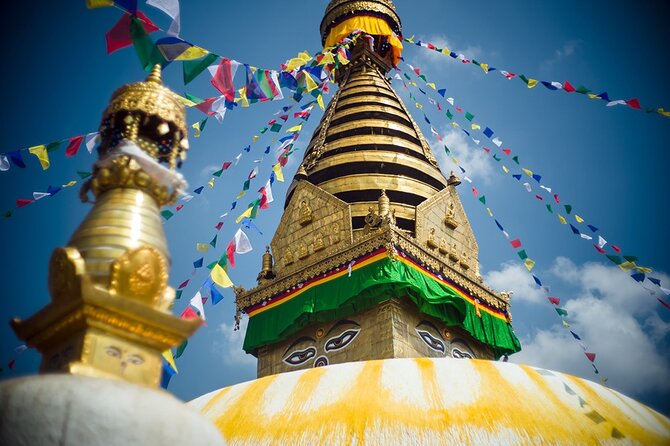
After Patan, the route heads to Swayambhunath, commonly known as the Monkey Temple. The tour description points out the main feature: a large stupa called the Mahachaitya. It also gives a cultural clue that’s more interesting than it sounds at first—the Tibetan name is translated as Sublime Trees, referring to the many varieties of trees around the area.
That name detail matters because it suggests the site isn’t just stone and symbolism. It’s tied to the surrounding environment and how people experience place through nature and spirituality together. It’s one reason the Monkey Temple stop often feels more atmospheric than the other durbar squares.
Practical tip for this stop: because it’s iconic, it can be tempting to aim for photos first. Your guide can help you do that without losing the meaning. If you’re serious about learning, use this hour to get the story behind what you’re photographing.
Kathmandu Durbar Square: The Royal Square with a Timeline
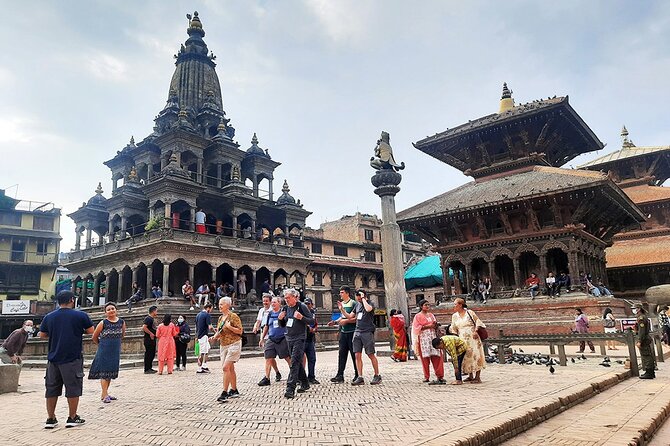
Finally, you’ll visit Kathmandu Durbar Square, the last of the seven UNESCO stops. This one is described as one of the three Durbar Squares in the valley, and it’s tied to the idea of royal palaces. The tour also notes that construction began in the third century, with major structures later forming the square’s current character.
This is a great capstone stop. By the time you reach Kathmandu Durbar Square, you’ve already seen how palace squares work in Bhaktapur and Patan. Now you can compare. The guide can also connect the symbolism of the square to what you’ve experienced throughout the day, like how Hindu pilgrimage sites and royal civic spaces fit into the broader Kathmandu Valley picture.
If there’s a drawback, it’s simply timing. The day ends after Kathmandu Durbar Square, so your last hour is when you may feel the schedule most. Try to keep your energy for the end, since this stop can land strongly if you’re paying attention.
Lunch Break Options for a Long 8-Hour Schedule
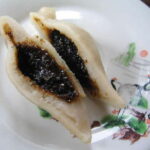
This tour includes lunch, which is a big deal on a day like this. You’ll choose Nepali thali or momo/spaghetti, and bottled water is included as well. That means you’re not hunting down food between sites, which keeps the itinerary from getting derailed.
Lunch is also where you can reset mentally. After temples and palace squares, you’ll likely want a quiet moment to slow down, even if it’s short. If you’re the type who likes food as part of culture, thali is usually the more traditional option, while momo/spaghetti can be easier if you want something familiar but still local in flavor.
A simple strategy: eat at lunch with the day’s pace in mind. Don’t try to cram everything into a huge meal and then fight the rest of the afternoon.
Price and Entrance Fees: What You Should Budget
Let’s talk money in a practical way. The tour lists at $5.00 per person, and it includes a lot of core services: an air-conditioned private car with driver, a tour guide, sightseeing, bottled water, pickup and drop-off, and lunch. Also included is a mobile ticket, which is meant to make entry smoother.
But monument entrance fees are not included and are listed at $50.00 per person. That doesn’t make the tour bad value; it just means you shouldn’t plan on the $5 being the total. If you’re calculating your true cost, entrance fees are the number you care about most.
So the best way to think of the value: you’re paying for a full-day structure, transport, and interpretation. The fees are your additional cost tied to the UNESCO sites themselves. If you’re doing all seven stops in one day, paying those entrance fees once (instead of doing separate half-day tours that might multiply ticket costs) can make sense.
Choosing the Right Guide: Nilakantha, Kamal, and Drivers Hari and Ram
This tour is private, so your guide becomes the personality of the day. The names that show up repeatedly include Nilakantha Acharya and Kamal, with drivers Hari and Ram also highlighted.
Nilakantha’s style comes through in the way he explains monuments and history behind what you’re seeing, plus how he shares details about rituals and ceremonies happening in the temples. That’s exactly the kind of context that turns a confusing site into something you can actually interpret while you’re standing there.
Kamal gets praised for making the day feel paced rather than rushed, even with lunch included. That matters because eight hours sounds long until you’re moving between sites. A good guide helps you use each stop well.
One more practical bonus: a recurring theme is that guides take photos and share them afterward. I love that for days like this, because it cuts down the stress of getting everything right on your phone while you’re also trying to look, listen, and learn.
Who Should Book This Tour (and Who Might Not)
This is best for you if:
- You have one day in Kathmandu Valley and want the biggest UNESCO highlights without planning transportation yourself
- You prefer a private tour with a dedicated guide and driver
- You like learning how rituals and sacred spaces work, not just seeing buildings
It might be less ideal if:
- You want a very slow pace or long stays at one site
- You strongly dislike entrance fees stacking up across multiple UNESCO locations
- You’re not comfortable with an early start and an approximately 8-hour day
The upside is that the tour is designed so most travelers can participate, and it includes pickup and drop-off. The day isn’t just walking and wandering; it’s structured around getting you from place to place efficiently.
Also note the Kumari factor. The tour mentions a chance to sight the living goddess Kumari. You should treat that as a possibility, not a guaranteed moment. Still, it’s the kind of Kathmandu detail that makes this itinerary feel more than sightseeing math.
Should You Book This Seven World Heritage Private Tour?
If you’re in Kathmandu for a short visit and you want seven UNESCO stops handled by a guide with transport and lunch included, I think this is a smart choice. The value comes from the combination: private car + guide + full-day route + included meal, with the main extra cost being the monument entrance fees.
Before you book, do two reality checks:
- Confirm your budget for the $50.00 per person entrance fees since those are not included.
- Decide if you’re okay with an about 8-hour schedule that packs a lot into one day.
One last practical point: cancellation is flexible with free cancellation up to 24 hours in advance for a full refund. That gives you room to adjust if your plans change.
FAQ
What time does the tour start, and how long is it?
The tour starts at 08:00 AM and runs for approximately 8 hours.
Which UNESCO sites are included on this full-day tour?
The tour covers Boudhanath Stupa, Pashupatinath Temple, Changu Narayan Temple, Bhaktapur Durbar Square, Patan Durbar Square, Swayambhunath Mahachaitya (Monkey Temple), and Kathmandu Durbar Square.
Is hotel pickup and drop-off included?
Yes. Pickup and drop-off are included, along with an air-conditioned private car and driver.
Are the monument entrance fees included?
No. Monument entrance fees are not included and are listed at $50.00 per person.
What lunch options are included?
Lunch is included as Nepali thali or momo/spaghetti.
Can I cancel and get a full refund?
Yes. You can cancel up to 24 hours in advance for a full refund.