REVIEW · KATHMANDU
Kathmandu to Pokhara Premium sofa bus ticket
Book on Viator →Operated by New Road Travels and tours pvt ltd · Bookable on Viator
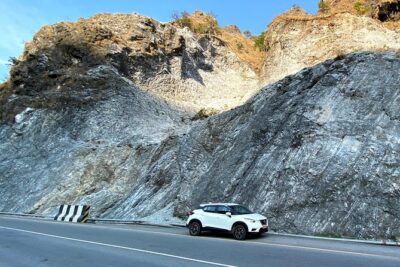
That ropey mountain road is the whole point. This Kathmandu–Pokhara bus ride mixes reclining comfort with planned stops and big views between towns. I like the value here, especially the simple two-break schedule plus bottled water and a newspaper. The main thing to weigh is timing and comfort: the bus is advertised as air-conditioned, but you should expect delays from roadworks and occasional low-AC performance.
You’ll board near Thamel in Kathmandu and get dropped at Lakeside in Pokhara, so the trip feels built for tourists rather than chaotic highway hopping. I also like that it’s run as a tourist service with scheduled breaks, not random stops for hand-waving locals. Still, treat it like a road trip, not a bullet train—if you’re strict about arriving at a certain hour, pad your plan.
In This Review
- Key points before you buy
- A $11.50 bus with premium comfort (what you’re paying for)
- Getting on in Kathmandu: Shorakhutte near Thamel
- The Kathmandu to Pokhara drive: timing, rough roads, and where delays come from
- Breakfast by the river and lunch breaks you control
- Seats, air conditioning, Wi‑Fi, and luggage rules that matter
- Small group energy and what it means on this route
- Pokhara drop-off at Lakeside: easy start to your next day
- Who should book this bus, and who should look elsewhere
- Should you book this Kathmandu–Pokhara premium sofa bus?
- FAQ
- How much is the Kathmandu to Pokhara premium sofa bus ticket?
- How long does the journey from Kathmandu to Pokhara take?
- Where do I board the bus in Kathmandu?
- Where does the bus drop me off in Pokhara?
- What time does the bus depart from Kathmandu?
- What food is included on the way?
- Does the bus have Wi‑Fi and air conditioning?
- How many stops are there during the trip?
Key points before you buy
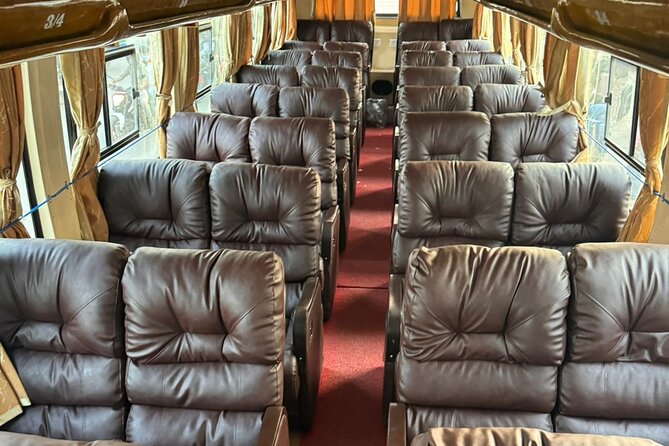
- Premium sofa-style seats with a focus on comfort for a longish ride
- Only two planned food stops (breakfast then lunch) with riverbank scenery
- Water + local newspapers included; Wi‑Fi is offered but may be weak
- Shorakhutte departure near Thamel in Kathmandu, so getting to the bus is easy
- Lakeside drop-off in Pokhara, close enough to start walking immediately
- Road conditions can stretch the trip beyond the 5–6 hour estimate
A $11.50 bus with premium comfort (what you’re paying for)
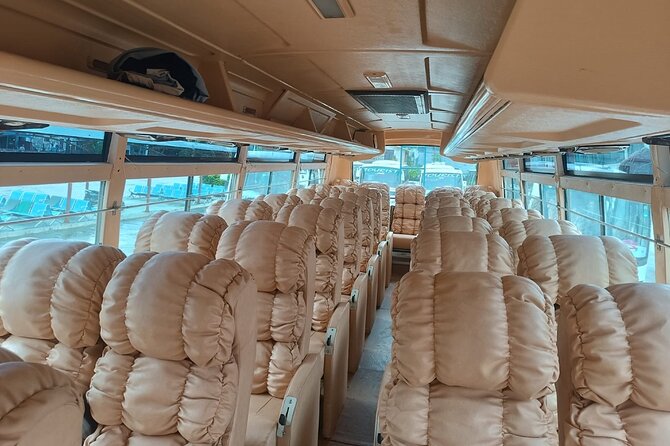
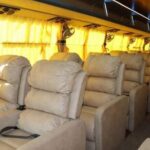
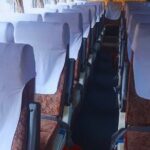
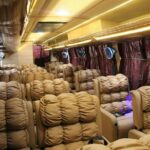
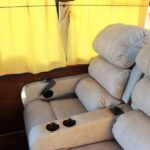
For $11.50 per person, this is one of the cheapest ways to do the Kathmandu–Pokhara hop without going full backpack-rollercoaster. The big “premium” part is the seat design: you get sofa-style reclining seating, not the rigid, sit-and-suffer kind of bus. There’s also air conditioning listed as running through the journey, and you’ll get bottled mineral water plus local English and Nepali newspapers during the ride.
That combo matters. On this route, comfort isn’t just about luxury—it’s about arriving where you want to be with your energy intact. Reclining seats help on a trip that can be short if the roads behave (about 5–6 hours) or long if they don’t.
Now the reality check: the route can suffer from reconstruction and traffic bottlenecks. One downside you should plan for is that the advertised AC may not feel strong for the entire trip. Bring a light layer anyway. Nepal buses can be warm one hour, chilly the next, and it’s easier to adjust than to hope the thermostat gods cooperate.
You can also read our reviews of more tours and experiences in Kathmandu
Getting on in Kathmandu: Shorakhutte near Thamel
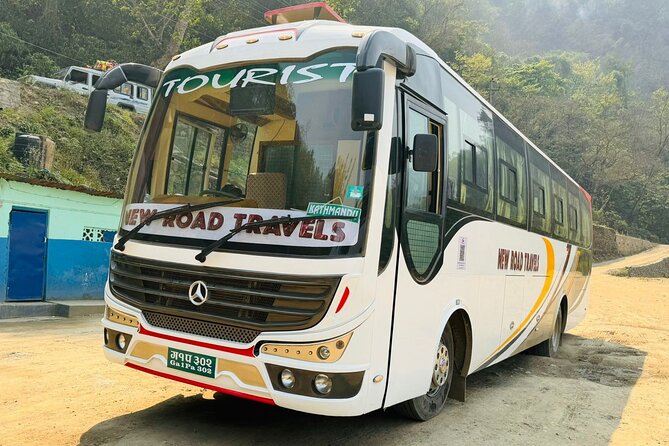
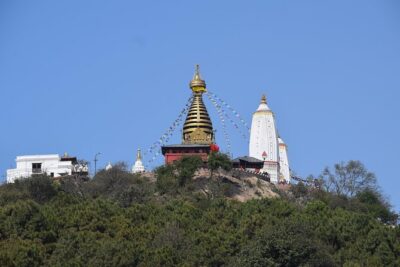
In Kathmandu, the tourist bus station is Shorakhutte, and it’s close to Thamel—about a 5-minute walk. Practically, that means you can often roll out of your hotel area without a complicated taxi mission. The bus runs via SHROKHUTTE – NAYABAZAR – BALAJU – SWYAMBHU – KALANKI, so you’re moving through key points of the Kathmandu valley rather than taking some unknown shortcut.
Your start point may depend on your exact ticket confirmation. The service lists a departure from Shorakhutte at 07:00 AM, but the experience info also shows a start time of 6:30 AM. I’d treat 6:30 as your “be ready” moment and let your confirmation tell you the pickup timing for your specific booking.
Also note the provider: New Road Travels and tours pvt ltd. If you’re using a mobile ticket, keep it accessible on your phone so boarding doesn’t turn into a scavenger hunt.
The Kathmandu to Pokhara drive: timing, rough roads, and where delays come from
On paper, the trip is about 5–6 hours. In real life, the road decides how the schedule goes. The route uses the highway, and two things can slow you down: road reconstruction and traffic congestion. The biggest choke point to watch is typically Kalanki to Naubise, where delays are possible.
So why do some rides run longer? Because roadworks can mean rough surfaces, slower speeds, and frequent slowdowns even when the driver is careful. One review experience clocked the trip at around 9.45 hours, which lines up with the idea that reconstruction can significantly stretch travel time.
Here’s how to plan for it:
- If you have a tight arrival plan in Pokhara, assume you might need extra buffer time.
- If you don’t, you can treat the extra hours as part of the road-trip charm rather than a failure of the system.
The upside is that the drive passes through smaller towns along the way. You don’t just stare at a long highway. The ride is designed for people who want to see Nepal from the window and enjoy the “between places” feeling.
Breakfast by the river and lunch breaks you control
This bus makes only two scheduled breaks on the highway: one for breakfast and one for lunch. For breakfast, the stop is about 25 minutes at Malekhu/Kamalbari area. For lunch, it’s about 30 minutes around the same general area (listed as Maleku/Kamalbari in the details).
A big practical point: breakfast and lunch are not included in your ticket price. You’ll need to pay for food yourself during those stops. The good news is that these stops aren’t just pit stops. You get riverbank views while you eat, and the food is described as hygienic.
What I like about this setup is control. You’re not stuck with a random meal and you can choose what suits you—something light if your stomach doesn’t love bus travel, or a bigger meal if you plan to walk Pokhara right after arrival.
What to watch: since there are only two stops, it helps to avoid arriving starving. Bring a snack for the first stretch if you’re prone to getting hungry fast. And use the break times for the basics: bathroom, water refills if needed, and a quick stretch so you don’t stiffen up.
Also, this tourist service is designed not to stop for local passengers waving on the highway. That keeps the route more predictable than some other bus types.
Seats, air conditioning, Wi‑Fi, and luggage rules that matter
Let’s talk comfort details that actually affect your day.
Seats: You can get an early seat if you pay early and receive early confirmation. The service uses a first-come, first-get approach. They also mention that the bus has good suspension, so even a later seat shouldn’t feel like you’re bouncing nonstop.
Air conditioning: Air conditioning is listed as running throughout the journey. But there’s a real-world caveat—one experience reported little to no AC for much of the trip. So don’t plan on AC being a guarantee. If you run cold, pack a thin layer. If you run hot, bring something breathable.
Wi‑Fi: Wi‑Fi is complimentary, but signal can be weak due to geography. In other words, don’t plan to stream video. Think of it as a bonus, not a service you can depend on.
Luggage: There’s storage space for luggage, and they don’t list a strict barrier. Still, they suggest not taking more than two luggage pieces. For most travelers, that means one main bag plus something small. If you’re traveling with bulky items, expect yourself to be the one responsible for managing them.
On-board rules: Smoking is strictly forbidden inside the bus. And please don’t throw garbage out the window—use nearby bins or the provided disposal options during stops.
One small but helpful detail: service animals are allowed, so the service is set up with some basic inclusivity in mind.
Small group energy and what it means on this route
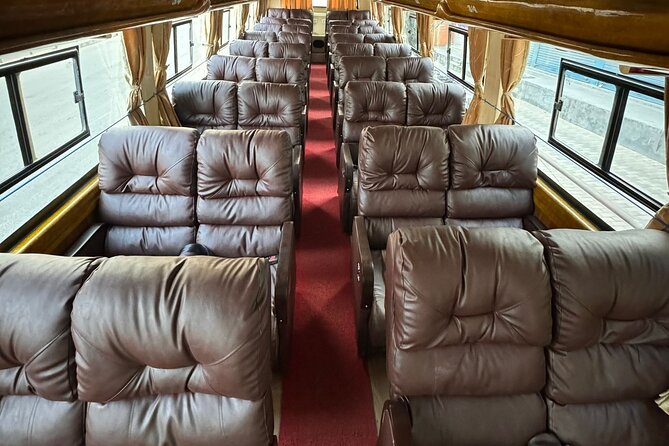
The group size cap is maximum 30 travelers. That’s not huge. It generally keeps things calmer than the big-chaos bus vibe, especially during boarding and those short break windows.
It also affects how you experience the trip. When the group is smaller, it’s easier to find your space, settle in quickly, and get back on board without a long funnel of people trying to squeeze past each other.
For solo travelers and couples, this kind of size often feels easier. You can still chat if you want, but you’re not swallowed by a full coach party.
Pokhara drop-off at Lakeside: easy start to your next day
When you arrive in Pokhara, the tourist bus station is Lakeside, close to Rastra Bank Chowk. The info says it’s about a 10-minute walk. The final stop is the Tourist Bus Park near Lakeside, listed as about a 5-minute walk.
This matters because Pokhara’s Lakeside is where most things start: guesthouses, restaurants, and tour pickup points. If you’re planning to hit a lakeside walk after arrival, you won’t be stuck far out of town.
Also, on the Pokhara side, buses leave from Lakeside at 07:30 AM for the return trip. If you’re planning a round trip, that helps you build a schedule without guesswork.
Who should book this bus, and who should look elsewhere
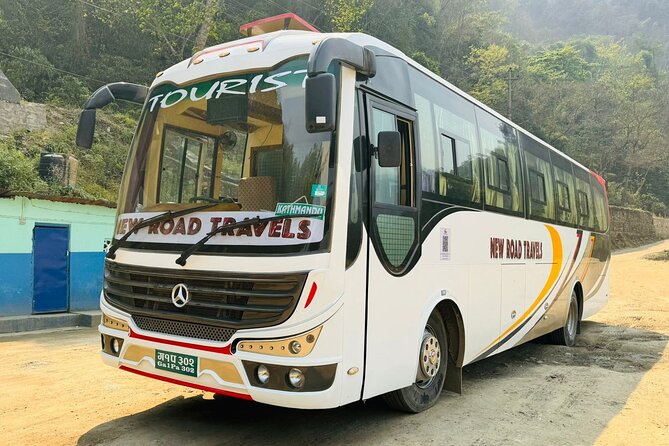
This ride is best for you if:
- You want a budget-friendly Kathmandu–Pokhara transport option with comfort-focused seating.
- You’re okay with road-trip timing and can handle possible delays from reconstruction and traffic.
- You’d like a structured meal break with river views, even if you pay for food yourself.
You might want to look at other options if:
- You must arrive within a narrow time window and can’t tolerate extra hours.
- You’re very sensitive to temperature and need strong AC the entire way.
- You hate the idea of fixed stops rather than a fully direct run.
For most people, this bus is a solid middle ground. It’s not a private driver, and it’s not a rough, no-frills ride. It’s the “see Nepal between cities” option at a price that won’t ruin your budget.
Should you book this Kathmandu–Pokhara premium sofa bus?
I’d book it if your priority is value plus decent comfort, and you can flex your arrival time a bit. The $11.50 price is the headline, but the better reason is the practical design: reclining seating, water and newspapers included, and only two scheduled breaks instead of random stops.
Before you commit, do one simple thing: plan your day like the bus might take longer than 5–6 hours. If you build that buffer, you’ll have a smoother experience because the ride becomes part of the journey instead of an obstacle course.
If you want to read like a pro for packing: bring a light layer for possible weak AC, grab a snack for between meals, and keep your ticket accessible on your phone. That’s how you get the good kind of road trip—comfortable enough, scenic enough, and priced right.
FAQ
How much is the Kathmandu to Pokhara premium sofa bus ticket?
The price is $11.50 per person.
How long does the journey from Kathmandu to Pokhara take?
It’s listed as about 5 to 6 hours if everything goes smoothly, with possible extra time due to road conditions and traffic.
Where do I board the bus in Kathmandu?
The tourist bus station in Kathmandu is Shorakhutte, near Thamel (about a 5-minute walk). The meeting point is listed as New Road Travels and Tour Pvt Ltd in Kathmandu.
Where does the bus drop me off in Pokhara?
You’ll arrive at Tourist Bus Park near Lakeside, with Lakeside being close to Rastra Bank Chowk (about a 10-minute walk). The tourist bus park is described as a short walk from Lakeside.
What time does the bus depart from Kathmandu?
The published departure time from Kathmandu (Shorakhutte) is 07:00 AM.
What food is included on the way?
Bottled mineral water and local newspapers are included. Breakfast and lunch are not included, and you pay for food during the scheduled stops.
Does the bus have Wi‑Fi and air conditioning?
Wi‑Fi is offered as complimentary, but the signal may be weak. Air conditioning is advertised as available throughout the journey.
How many stops are there during the trip?
There are two main stops: one for breakfast (about 25 minutes) and one for lunch (about 30 minutes). There are no additional highway hand-waving stops listed.