REVIEW · KATHMANDU
10 Days Nepal Adventure Tour from Kathmandu
Book on GetYourGuide →Operated by Himalayan Smile Treks and Adventures Pvt. Ltd. · Bookable on GetYourGuide
A smart Nepal mix of city, jungle, mountains. This 10-day small-group route pairs UNESCO Kathmandu sights with Chitwan National Park wildlife plus hands-on adventure like Trishuli rafting and a Gurung village trek.
One thing to plan for: some cultural stops may include short shop time, and you’ll want to keep your boundaries if you dislike sales pressure.
In This Review
- Quick take: what stands out on this 10-day circuit
- Kathmandu Valley: UNESCO monuments and spiritual compass points
- Trishuli rafting day and the drive toward Chitwan
- Chitwan National Park: canoeing, birding, and elephant bathing
- Pokhara reset: waterfall, caves, refugee camp, then lakeside wind-down
- Ghandruk trek inside the Annapurna Conservation Area
- Pothana via Dhampus: forests, villages, and steady viewpoints
- Phedi to Pokhara and a calm lake evening
- Final day in Kathmandu: Thamel browsing and a folk farewell dinner
- Price and logistics: what $1,080 buys you (and what it doesn’t)
- Road conditions, group size, and how fit you need to be
- Should you book this Nepal adventure tour?
- FAQ
- How long is the Nepal adventure tour?
- What major activities are included?
- Where does the tour start and end?
- How many people are in the group, and is there an English guide?
- Do you need trekking experience or mountaineering skills?
- What meals are included during the trip?
- What transport is included between cities?
- Are trekking permits included?
- What do I need to bring for check-in?
- Is the tour wheelchair accessible?
Quick take: what stands out on this 10-day circuit
- Kathmandu Valley UNESCO highlights packed into a tight, easy-to-follow start
- Trishuli River whitewater rafting on a full adventure day that doesn’t feel rushed
- Chitwan National Park safari-style activities (canoe, birding, and elephant bathing)
- Pokhara downtime that still teaches (waterfalls, caves, and a Tibetan refugee camp visit)
- Ghandruk and Pothana trekking in the Annapurna Conservation Area with real village life
- Small group size (max 12) with English live guiding through most days
Kathmandu Valley: UNESCO monuments and spiritual compass points
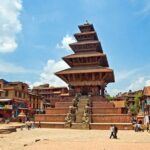
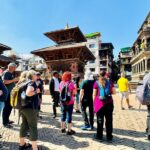
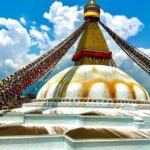
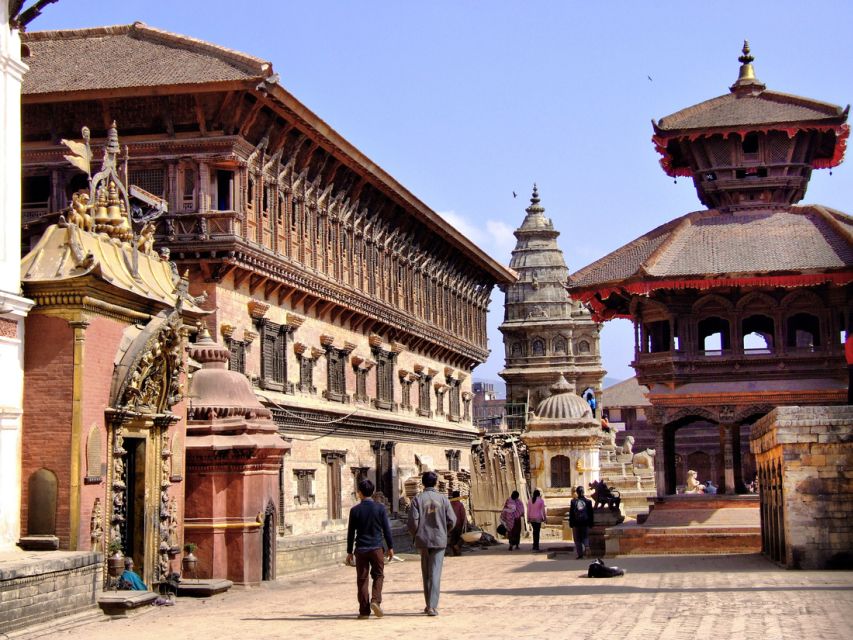
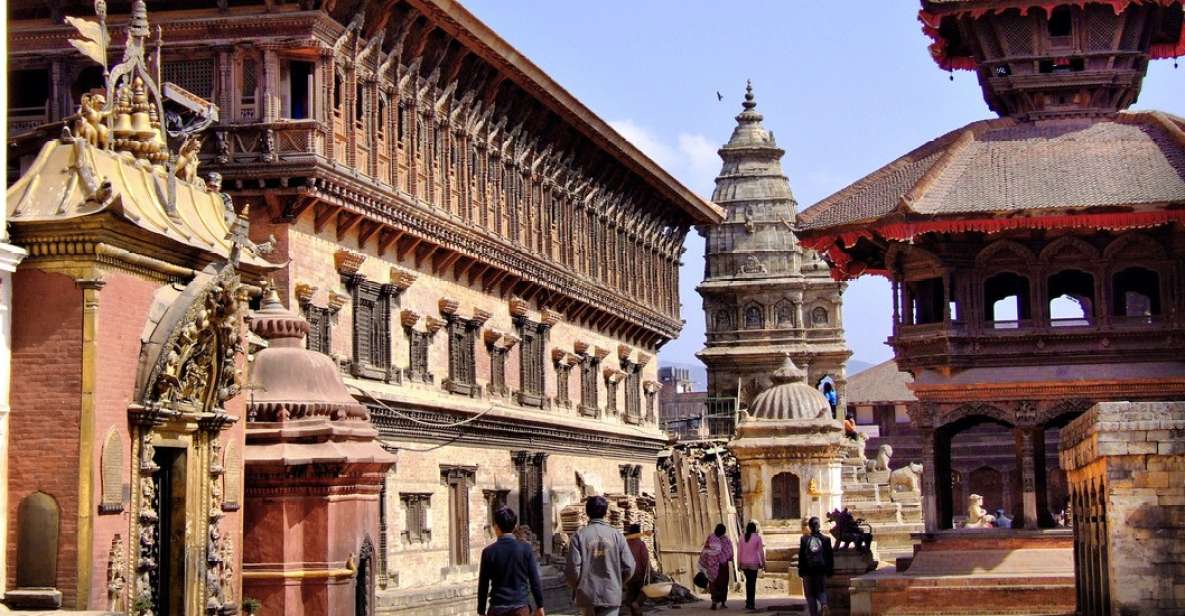
If you’re new to Nepal, Kathmandu is the perfect place to start. This trip opens with airport pickup, then quickly moves into the Kathmandu Valley’s big cultural hits—Bhaktapur Durbar Square, Pashupatinath Temple, Boudhanath Stupa, and Swayambhunath. The payoff here is speed with context: you’re not just ticking boxes, you’re learning how Hindu and Buddhist traditions shape daily life.
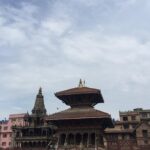
Bhaktapur Durbar Square is one of those places where the details do the talking: courtyards, temple rhythms, and the feeling of a city that still works the way it always has. Pashupatinath Temple (for Hindu devotees) brings a different energy—serious, spiritual, and unmistakably central to Nepal’s religious landscape. Boudhanath Stupa offers a calmer, meditative mood, while Swayambhunath adds a hilltop view plus the sense that the whole valley is connected to these sacred points.
Practical note: the early days are sightseeing-forward, so bring patience for walking and crowds. Also, entrance fees in Kathmandu aren’t included, so expect that cost on top of the tour price.
You can also read our reviews of more tours and experiences in Kathmandu.
Trishuli rafting day and the drive toward Chitwan
From city temples to water chaos happens fast. One full day is built around rafting on the Trishuli River, and that’s the kind of change of pace that makes this tour feel like more than a standard sightseeing circuit. Even with time on the road, the rafting day is the headline: you’ll get real action, not just a quick photo stop by a river.
The day also includes a transfer to Chitwan. The roads are described as passable, but not uniform everywhere. The Kathmandu-to-Chitwan drive typically takes about 5–7 hours, with bumps in the Malekhu/Benighat areas due to construction. If you get motion-sick easily, this is the day to prepare—think basic meds and a plan to stay hydrated.
When you arrive in Chitwan, the evening adds cultural flavor with a Tharu presentation. This isn’t about learning formal history from a textbook. It’s more like getting a first taste of the region—rhythm, stories, and performance that fit the lowland setting you just reached.
Chitwan National Park: canoeing, birding, and elephant bathing
Chitwan is where this tour turns from sightseeing into wild-life time. You spend a full day in Chitwan National Park with a mix of activities: jungle safari, canoeing, birding, and bathing elephants. The value here is the variety—different senses, different ways to spot animals, and different angles on the same ecosystem.
Canoeing can be a game changer because it slows you down. Instead of pushing through the jungle on foot or by vehicle, you’re gliding—quiet enough that you might notice birds and small movement before you ever see a larger animal. Birding is the same principle. It forces you to look past the obvious and focus on what’s active right now.
Elephant bathing is a sensitive topic worldwide, so go into it with awareness of how it’s framed and handled by your local team. The tour lists this activity as part of the day, so you should expect it as scheduled rather than optional. If you’re strongly opposed to any animal-related interaction, read about Chitwan elephant programs before booking.
One more practical detail: Chitwan is lowland, so you’ll likely feel the heat and humidity. This is an active day, but it’s also the sort of day that makes the whole trip click—because you’re trading monuments for wildlife moments.
Pokhara reset: waterfall, caves, refugee camp, then lakeside wind-down
After Chitwan, you drive to Pokhara. This is a smart move on a multi-activity tour, because Pokhara gives you space to breathe. The schedule doesn’t dump you into downtime only—it includes Davis Falls, Gupteshwor Caves, and a visit to a Tibetan Refugee Camp. Then the evening gives you what your legs need: relaxation by the lakeside.
Davis Falls is a chaotic, dramatic water feature. It’s one of those places where the sound hits you before you see much, and the guides can help you understand what you’re looking at—how water behaves in this kind of setting. Gupteshwor Caves add a different texture: stone, cool air, and a sense of Nepal’s spiritual tie-ins even when you’re in a natural space.
The Tibetan Refugee Camp visit is also meaningful because it’s not just scenery. It’s a window into how communities preserve language, culture, and daily routines far from home. You’re going from jungle and rafting into a more reflective kind of travel day.
Pokhara-to-Kathmandu road time later on is listed as 6–8 hours, with the first portion having a smoother, new road. Near Kathmandu it can involve widening work, plus dusty and narrow sections not always shown clearly on maps. That means: if you’re prone to discomfort from long drives, plan to take breaks where you can and keep expectations flexible.
Ghandruk trek inside the Annapurna Conservation Area
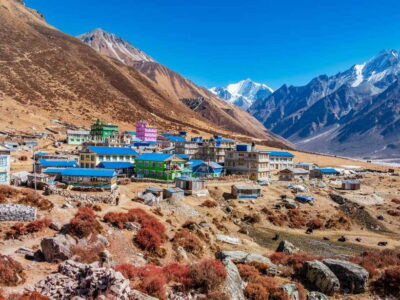
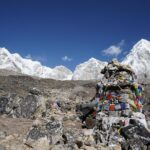
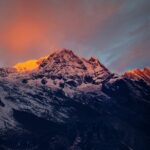
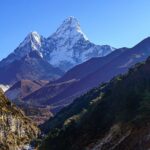
This is the Himalayan part that most people want. The trek begins with a drive to Nayapul, then you hike to Ghandruk through scenic scenery and village paths. Ghandruk itself is a Gurung village known for strong community identity and excellent mountain views.
What I like about this trek layout is the balance. You’re not trying to be a hardcore hiker for ten days straight. Instead, you get mountain walking plus village life. That makes the route feel human-scaled: you see how people live, you pass through local settlements, and you end each day in a lodge setting rather than pushing for long, grueling hours.
Because Ghandruk is inside the Annapurna Conservation Area, this trek also feels rooted in conservation and community management rather than just scenery-chasing. You’ll notice that the landscape includes people and livelihoods, not only peaks.
Fitness reality check: the tour info makes it clear you don’t need to be a mountaineer with rippling muscles. If you’re reasonably fit and you like walking, you can do it. Still, you should take trek fitness seriously—basic running, swimming, or hiking beforehand will help you enjoy the days more.
Pothana via Dhampus: forests, villages, and steady viewpoints
Day two of trekking shifts from the main village highlight to a more walking-focused experience. You trek from Ghandruk to Pothana, passing mountain views, forests, and local villages. Pothana is quieter than Ghandruk, so the rhythm changes: fewer big landmarks, more “keep moving, keep noticing.”
Then you go from Ghandruk to Phedi via Dhampus, and the group transitions back toward Pokhara. Dhampus is an in-between zone that tends to reward you with a steady sense of height and perspective—those in-the-right-place viewpoint moments that make you pause without needing dramatic effort.
There’s also a lodge pattern here: you spend nights at lodges during the trek. But lodging and meals during the trek are not included in the package pricing. That means you’ll budget extra for your trekking-day meals and lodge costs. It’s not a deal-breaker, but it’s important for accurate trip math.
Also, plan for weather variability. The trek is in the Annapurna region, so temperature shifts can happen across day and evening, even when the sky looks friendly.
Phedi to Pokhara and a calm lake evening
After you finish the trekking segments, you drive back to Pokhara and close out the trip with a softer day. You’ll enjoy an evening walk around Phewa Lake—an easy, scenic stretch that’s perfect after hills. It also gives you a chance to do casual shopping or just sit for a bit with a drink and people-watch.
This part matters more than you might think. Multi-activity trips can feel like a nonstop conveyor belt. The Phedi-to-Pokhara unwind is the kind of buffer that helps you absorb everything you just did—rafting adrenaline, Chitwan sightings, and trekking fatigue.
Final day in Kathmandu: Thamel browsing and a folk farewell dinner
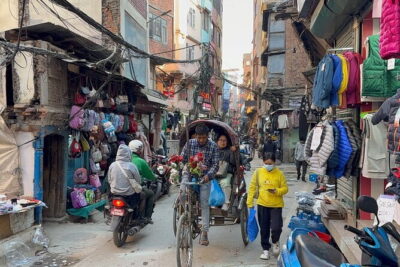
Back in Kathmandu, the plan includes last-minute shopping in Thamel and a cultural farewell dinner with folk dances and music. Thamel is where you’ll find the practical stuff: snacks, trekking gear basics, souvenirs, and easy street-level browsing.
The folk dance and music show is a good closing chapter because it turns the whole trip into one final cultural note. You’ve seen heritage sites, you’ve met regional traditions in Chitwan, and now you get Nepal’s performance culture as an accessible finale.
One practical detail: lunch and dinner in Kathmandu are listed as not included. If you want to sample more local meals on the final day, build extra budget for it.
Price and logistics: what $1,080 buys you (and what it doesn’t)
At $1,080 per person for 10 days, the value comes from how many moving parts the package handles for you. It includes:
- Airport pickup and drop-off by private vehicle
- Kathmandu hotels (3 nights) with breakfast
- Pokhara hotels (2 nights) with breakfast
- Chitwan National Park lodge nights (2 nights) with 3 meals
- Trekking guide plus tour guide, and a trekking permit
- Trishuli River rafting and Chitwan jungle activities
- Transportation legs between key hubs (including bus and private transfers for specific portions)
What’s not included also matters:
- Meals outside the specified inclusions (Kathmandu and Pokhara lunches/dinners are not included)
- Mountain lodge and meals while trekking
- Kathmandu and Pokhara sightseeing entrance fees
- Porters (carrying your own day-to-day load is expected unless you arrange one separately)
- Travel insurance and personal medical kits
So where does the money really go? You’re paying for planning time, guiding, permits, and the activities that take logistics to line up correctly—especially rafting and Chitwan. If you’re the type who hates coordinating transport between wildly different regions, this structure can feel worth it.
If you enjoy DIY travel and already know the costs of guides, rafting, permits, and lodging in advance, you might find cheaper options. But for a first Nepal trip, this is built to reduce stress and keep the itinerary moving.
Road conditions, group size, and how fit you need to be
This is a small group tour limited to 12 participants, in English. That size is a big deal. It’s large enough for variety and energy, but small enough that guides can manage pacing and questions.
English live guiding is part of the setup, and the tour also includes an audio guide in English. Still, not every group interaction runs perfectly—one past participant noted uneven proactivity from some guides and mentioned that the English level of one guide wasn’t strong. The practical takeaway: ask questions early, and don’t assume every explanation will be equally detailed day to day.
Fitness is the other big factor. The trek portion needs reasonable stamina. You don’t need prior trekking experience, but you should prepare. Also, your biggest physical demand will likely be stairs and walking during trekking days, plus the general heat in lowland Nepal.
Finally, there are limits: the tour isn’t suitable for wheelchair users, and it’s not suitable for people over 95 years.
Should you book this Nepal adventure tour?
Book it if you want one trip that covers Kathmandu culture, Chitwan wildlife, and Annapurna trekking without the headache of stitching it together yourself. You’ll like the balance: action days (rafting and Chitwan), teaching days (UNESCO and cultural stops), and walking days that don’t require mountaineering.
Skip or rethink if you’re sensitive to long road days, dislike any chance of shopping pressure at cultural stops, or you strongly prefer to avoid any elephant bathing activity. Also be ready for the extra budget for trekking meals, trekking lodges, and entrance fees in Kathmandu/Pokhara.
If you’re happy to do a little homework on fitness, pack smart for bumpy drives, and keep flexible expectations, this circuit is a solid way to see Nepal’s big three: city, jungle, and mountains.
FAQ
How long is the Nepal adventure tour?
The tour lasts 10 days.
What major activities are included?
You’ll have rafting on the Trishuli River, jungle activities in Chitwan National Park, and trekking to Ghandruk and onward through the Annapurna Conservation Area. The trip also includes Kathmandu sightseeing and cultural entertainment.
Where does the tour start and end?
It starts with arrival and hotel transfer in Kathmandu, and it ends with a transfer to the airport in Kathmandu for your departure.
How many people are in the group, and is there an English guide?
The group is limited to 12 participants. The tour provides a live tour guide in English and an English audio guide.
Do you need trekking experience or mountaineering skills?
No mountaineering experience is required. If you are reasonably fit and like walking, you can qualify for the trekking portion, and some pre-trip physical training is suggested.
What meals are included during the trip?
Breakfast is included with the Kathmandu and Pokhara hotel stays. The Chitwan portion includes 3 meals. Meals during the trekking days and other meals in Kathmandu and Pokhara are not included.
What transport is included between cities?
You’ll have airport transfers by private vehicle, bus transportation from Pokhara to Kathmandu, and private transportation for other segments such as Pokhara to Nayapul and Phedi to Pokhara.
Are trekking permits included?
Yes. Trekking permit is included.
What do I need to bring for check-in?
You should bring a passport or ID card and a passport-sized photo.
Is the tour wheelchair accessible?
No, it is not suitable for wheelchair users.