REVIEW · KATHMANDU
Manaslu Circuit Trek 13 Days
Book on Viator →Operated by Trek Mania Nepal · Bookable on Viator
Manaslu feels close even before the pass. This 13-day trek connects big mountain panoramas with monastery towns and lived-in Himalayan culture, from the Budhi Gandaki valley up toward Larkya La. You’ll also pass turquoise glacial water like Birendra Taal, plus classic trading-village stops along the way.
I really like how the trip is built around a mix of cultural villages and Himalayan viewpoints rather than just walking from one overlook to the next. I also appreciate having a government-licensed English-speaking trekking guide and a first-aid medical box included, since that matters when the air gets thin and the trail gets remote.
One drawback to plan for: meals and trek accommodations are not included, and porters are not included either. That can turn your final budget into something bigger than you expect, so it’s smart to think about how much you want to carry (and how much you want to pay for comfort).
In This Review
- Key highlights worth getting excited about
- Manaslu Circuit Trek: what you’re really signing up for
- Kathmandu start and the smooth setup that matters
- Price and value: $1,400 looks simple, but check what it covers
- Day-by-day: from Machha Khola into the Budhi Gandaki valley
- Namrung to Lho: monastery towns and that Tibet-like feeling
- The acclimatization rhythm: Pungyen Gompa and the Base Camp approach
- Larkya La pass day: the peak that earns the effort
- Days 11-13: Tilche to Tal, then the long descent back to Kathmandu
- What makes this trek feel authentic (and not just scenic)
- Guides, pacing, and the small details that keep the trip working
- Who this trek suits best
- Should you book the Manaslu Circuit Trek with Trek Mania?
- FAQ
- How long is the Manaslu Circuit Trek?
- Where does the trek start?
- What’s included in the tour price?
- Are meals included?
- Is accommodation during the trek included?
- Do I need a porter?
- What trekking permit costs are covered?
- What’s the main highlight of the trek?
- What fitness level do I need?
- What happens if weather is poor?
Key highlights worth getting excited about
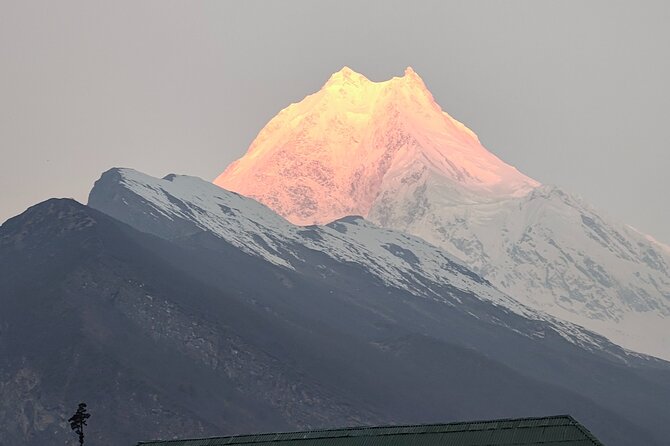
- Manaslu panoramas all week: repeated views of the Manaslu region instead of a single “big day.”
- Tibetan-style villages like Namrung and monasteries en route: lots of chortens, mani walls, and painted sacred spots.
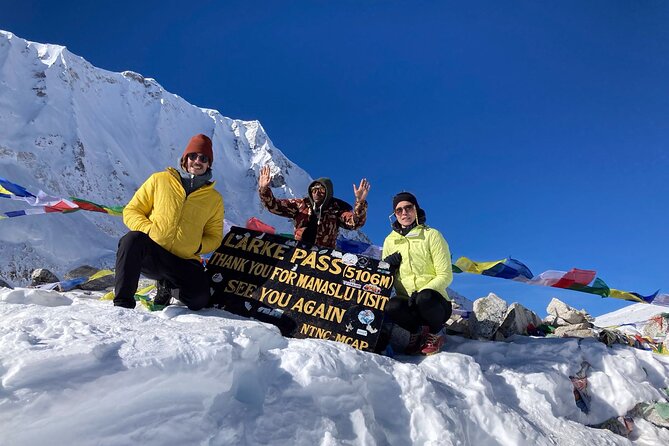
- Larkya La pass as the physical and visual peak: glaciers, big snow scenery, and a real payoff.
- A built-in acclimatization rhythm: Samagaon and Samdo break up altitude so you don’t rush.
- Culture stops that feel practical, not staged: market towns, rest points, and day trips like Pungyen Gompa.
Manaslu Circuit Trek: what you’re really signing up for
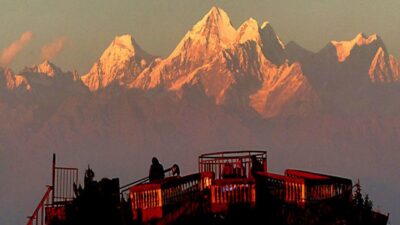
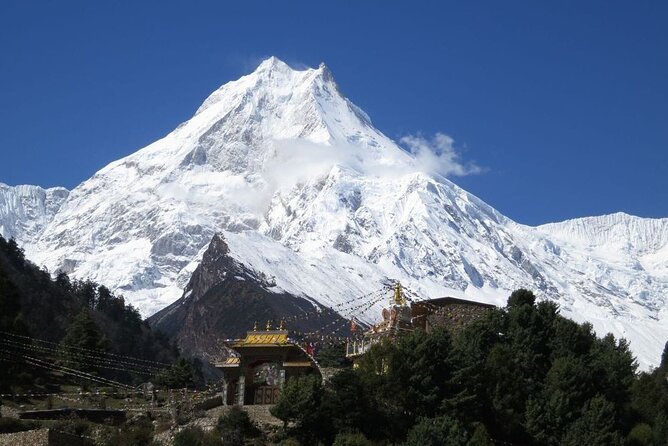
The Manaslu Circuit is the kind of trek where the drama doesn’t wait for Day 10. You start in the lower valleys, then slowly climb into higher passes, monasteries, and glacial terrain, with the Manaslu range showing up again and again as weather allows.
What makes this circuit especially compelling is the blend of view power and community life. Along the trail you’ll move through Gurung, Tamang, Tibetan, and other local communities, plus plenty of Buddhist sites—chortens, painted monasteries, prayer wheels, and mani walls. You’re not just hiking scenery; you’re walking through how people live in the Himalaya.
You’re also trekking through an area managed for conservation, not just tourism. The included permits cover access to the Manaslu Conservation Area and the Manaslu Special Permit (noted as seven days only), which is part of why the route feels more purposeful than purely commercial.
You can also read our reviews of more hiking tours in Kathmandu
Kathmandu start and the smooth setup that matters
This trek is based out of Kathmandu, and pickup is offered. That’s a practical plus because you’re not trying to coordinate transport at the last minute while also dealing with jet lag and excitement.
You’ll have a licensed trekking guide who speaks English, plus a first-aid medical box. You can take that as peace of mind: on a long circuit, having someone who can explain trail choices, altitude pacing, and safety basics saves energy you should spend on walking and breathing.
Your package also includes a T-shirt, a Duffel Bag, and a trekking map with the company logo, plus a farewell dinner. Those small inclusions matter on a trek because they reduce what you have to source yourself in Kathmandu.
Price and value: $1,400 looks simple, but check what it covers
At $1,400 per person for a trek around 13 days, the headline price looks straightforward. What makes or breaks value is what’s included versus what you still pay on the ground.
Included: public transportation, trekking permits (Manaslu Conservation Area fees, Manaslu Special Permit for seven days, Annapurna Conservation Permit, and TIMS), an English-speaking trekking guide (government-licensed), first aid, and key trip items like the map and duffel bag. Farewell dinner is also included, which is a nice way to end the trek socially.
Not included: meals and all accommodation during the trek, plus your visa fee and international airfare. Also not included are porters, travel insurance/rescue operation costs, and personal expenses like laundry or device charging.
So here’s the real way to judge value: if you’re comfortable carrying your own load and you’re okay handling meals and lodge costs directly, this can be a good deal for the permits, guide, and transport. If you want a porter and you want more predictable budgeting for food and beds, you’ll likely spend more than the $1,400 before you’re done.
Day-by-day: from Machha Khola into the Budhi Gandaki valley
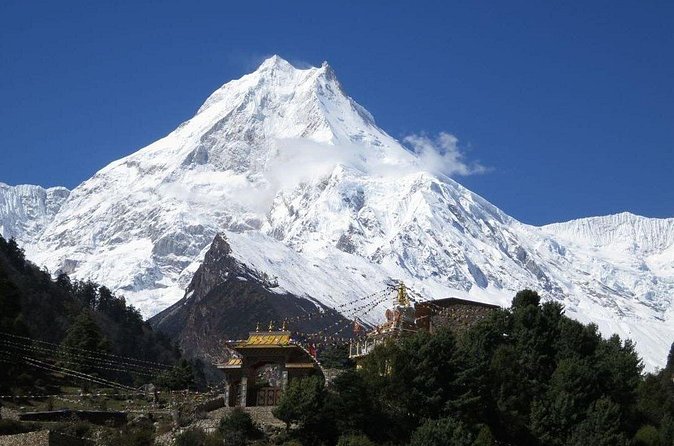
Day 1: Kathmandu to Machha Khola (long drive day)
You start with an early morning drive to Machha Khola on a deluxe bus, following the Trishuli and Budhi Gandaki Rivers. This isn’t a “walk all day” start, and that’s smart. It gives you time to settle in before the first real trekking rhythm begins.
Day 2: Jagat and the Budhi Gandaki gorge
From Machha Khola you follow an easier trail, passing a path lined with wild marijuana plants toward Khorlabesi. Then you descend into the Budhi Gandaki gorge, where the valley starts feeling like a living corridor through villages and cliffs.
Day 3: Sirdibas, Philim, Ekle Bhatti, and Deng
Day 3 has multiple stops that help you understand the circuit’s character. You reach Sirdibas with views of Shringi Himal and Langju Himal, then continue to Philim where you’ll see chortens and monasteries. Ekle Bhatti (meaning one house) is a small isolated rest point—an easy day break before you push deeper.
You finish Day 3 at Deng after crossing a suspension bridge over the Budhi Gandaki River and hiking through lush subtropical forest. That bridge moment is one of those small Himalayan memories you’ll likely remember later, especially when the rest of the trek starts turning colder.
What to watch on these first days:
These are the days where your body learns the schedule. You’ll want to pace your walking, keep moving steadily, and treat rest stops like fuel breaks—not sightseeing marathons.
Namrung to Lho: monastery towns and that Tibet-like feeling
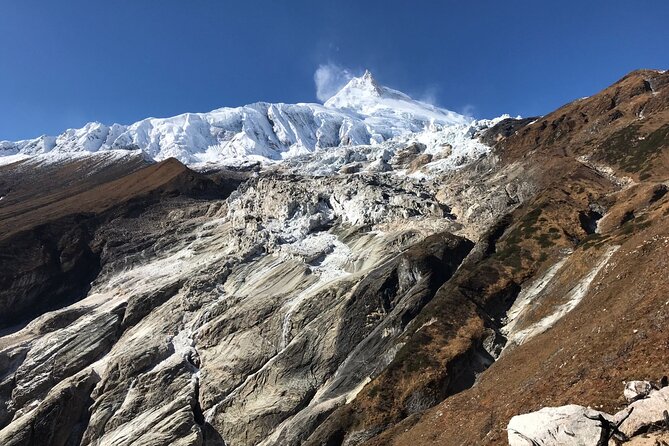
Once you’re past the early valley stages, the trail starts to feel more intentionally “sacred.” Painted gates, monasteries, prayer wheels, and village layouts show up more often.
Day 4: Bihi Phedi, Ghap, and Namrung
Bihi Phedi is divided into three clusters of houses, and the steep ascent gives you glimpses of hillside life. From there you descend toward Ghap, passing Serang Monastery with colorful Buddhist figures and carvings. Then you reach Namrung, often described as a Nepali version of Tibet. Even without being a specialist, you’ll notice the cultural style shift: more Buddhist visual language, more monastery presence, and a calmer village mood.
Day 5: Banjam, Lihi, Sho, and Lho
Day 5 builds toward a strong summit-of-the-day feeling even though you’re not on a high pass yet. You pass Banjam, a farming village with terraced fields and views tied to Ganesh Himal and nearby glacier areas. Lihi adds a three-tiered chorten covered with colorful Buddhist deity imagery, plus a small monastery.
Then you reach Sho, a lively village known for its large prayer wheel. Finally Lho delivers some of the best panoramic views of the Manaslu range, plus grand monasteries backed by serious mountain wall energy.
Day 6: Shyala to Samagaun
From Lho you walk through alpine vegetation that once served as an ancient yak caravan route between timber areas and Tibet. That historical thread is real in the way the trail feels: older paths, older crossings, and a sense that trade and travel shaped this place long before today’s trekking maps.
You finish in Samagaun, a spiritual village surrounded by a stunning setting. This is also a key acclimatization stop, so you’ll appreciate that the program doesn’t rush you straight from high scenery into a pass.
The acclimatization rhythm: Pungyen Gompa and the Base Camp approach
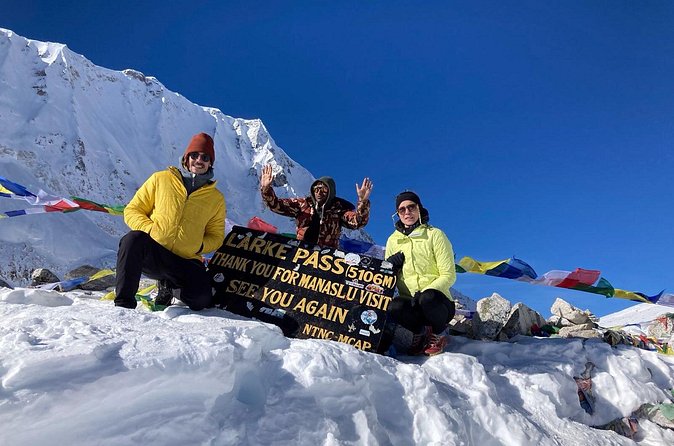
Day 7: Pungyen Gompa (day trip style)
This is a lighter-feeling day in structure. You retrace steps to a junction, head northwest, and climb toward Pungyen Gompa. Passing chortens and small sacred markers along the way keeps the day spiritual rather than just logistical.
Day 8: Birendra Taal, Base Camp vibes (and Samdo)
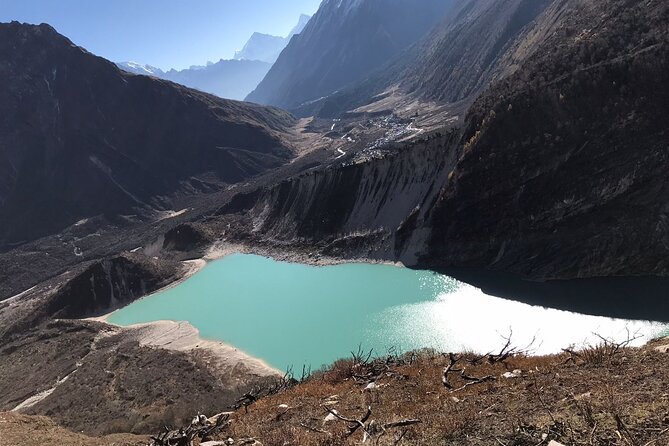
You’ll visit Birendra Taal, a turquoise glacial lake named after King Birendra Bir Bikram Shah Dev. That color comes from glacial decomposition at the lake bottom—something you don’t just see; you also get a useful explanation for why it looks the way it does.
From there, you get Base Camp views in a practical way. The main trail may be bypassed, but you still see the Mani walls and the surrounding peaks around Samagaon. Then you move to Samdo, a quieter resting village before the final ascent toward the pass. Samdo is where you feel the circuit tightening up into the final push.
Day 9: Larkya Bazaar to Dharmasala (toward Larkya Phedi)
Today you reach Larkya Bazaar, an ancient trading hub you pass on the way to Larkya Phedi. It’s a nice reminder that this isn’t a brand-new trekking corridor—people have moved through here for a long time.
Then the climb to Dharmasala includes steep sections where altitude can affect your breathing. The trail is marked by chortens, mani walls, and glacier views, with juniper bushes along the route. This is the kind of day where slow and steady becomes your best friend.
Larkya La pass day: the peak that earns the effort
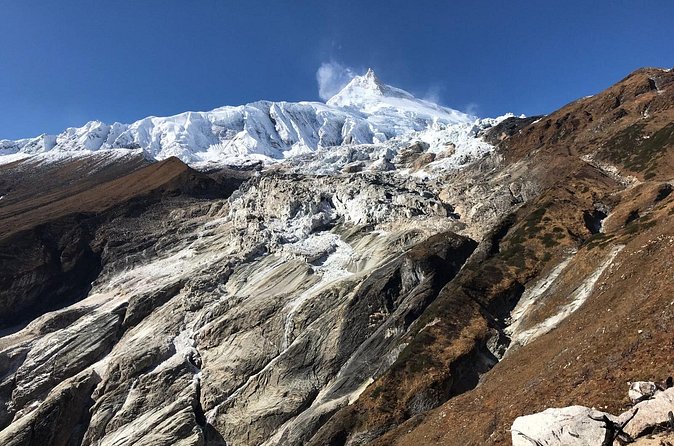
Day 10: Larkya La Pass and Bimthang
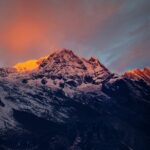
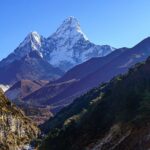
If you want one day that defines the trek, it’s this one. The Larkya Pass is highlighted for breathtaking views of the Manaslu range, Syacha Glacier, and surrounding snow-capped peaks.
You’ll pass glaciers and chortens during the ascent, which matters because it keeps you anchored: you’re not staring at a blank wall of effort. You’re moving through visible landmarks that help you judge progress.
After crossing, you reach Bimthang, a picturesque village that’s built for rest and acclimatization. This stop is important: the pass day is intense, and you need a proper place to recover before trekking downhill continues into colder terrain.
Days 11-13: Tilche to Tal, then the long descent back to Kathmandu
Day 11: Tilche
After descending from Larkya La, you continue with mountain views that feel closer than earlier in the trek. The trail passes through rhododendron forests, plus pines and oaks. Even when the views aren’t “big pass-level,” you still get a satisfying sense of variety because vegetation changes with altitude.
Day 12: Tal
Tilje to Tal can feel less about dramatic panoramas and more about walking through changing ecosystems. Vegetation shifts from alpine to subtropical, and villages become denser and more vibrant—so the day feels more human again.
Day 13: Tal to Besisahar, then Kathmandu
From Tal you descend to Besisahar on foot and then drive back to Kathmandu. The last stretch matters because you’re still hiking when your brain wants to be done, so having a clear finish line helps. Once you’re back in Kathmandu, you get rest and relax time in a hotel.
What makes this trek feel authentic (and not just scenic)
A lot of treks sell views. This one also sells context. You’re walking through communities tied to Gurung, Tamang, and Tibetan cultural influences, and you’ll see that in the religious objects and village patterns.
You also get variety in “trail purpose.” Some days are for valley travel and village flow. Other days are about sacred stops and monastery towns. Then you get the high-altitude storyline at the end with Larkya La and glacier scenery, followed by a shift into forests and denser villages.
One of my favorite things about this trek concept is that it gives you both spiritual texture and practical pacing. Pungyen Gompa is a day trip that adds meaning without overloading you. Samagaun and Samdo help you build acclimatization before the pass.
Guides, pacing, and the small details that keep the trip working
Your experience will rise or fall based on guide quality. Names mentioned include Hem, Kumar, Pradip, Rajesh, and guide Hem again in multiple accounts. The consistent theme is that the guide role goes beyond logistics: people highlight guides as organized, caring, funny, and quick to answer questions.
That matters on a trek like this. You’ll face weather shifts, altitude days, and long walk legs where the plan needs to be explained clearly. A guide who can keep the group calm and informed helps you spend less mental energy guessing and more energy moving.
The company also includes a first-aid medical box, and your guide is a government license holder. That’s a solid baseline for safety support on a remote circuit.
Who this trek suits best
You should consider this trek if you have moderate physical fitness and want a clear step-by-step circuit that includes both high scenery and cultural stops. The trek is designed for a group format that’s private, so you’ll be walking only with your group.
It also suits you if you like a “full experience” trek: monasteries, prayer wheels, markets, glacial lakes, and pass country. If you only want one dramatic day and you dislike multi-day village walking, you might find the middle stretch more slow and cultural than you expected.
Should you book the Manaslu Circuit Trek with Trek Mania?
I’d book it if you want the Manaslu region story—not just a checklist of peaks. The combination of Manaslu panoramas, Tibetan-style villages, monastery architecture, and the Larkya La pass peak gives you a trek with real variety and meaning.
I wouldn’t book it blindly if your budget depends on everything being included. Since meals and trek accommodation aren’t included and porters aren’t included, you need to plan for additional on-trail costs and figure out how much you want to carry. Also remember the trek requires good weather, so build flexibility into your travel mind-set.
If you like structured support (English guide, permits handled, map and duffel provided) but you’re comfortable managing your own daily lodge and meal choices, this program looks like strong value for the time spent on the trail.
FAQ
How long is the Manaslu Circuit Trek?
It runs for about 13 days (approx.).
Where does the trek start?
The trek is based in Kathmandu, Nepal, with pickup offered.
What’s included in the tour price?
Included are public transportation, a government-licensed English-speaking trekking guide, trekking permits (Manaslu Conservation Area fees, Manaslu Special Permit for seven days only, Annapurna Conservation Permit, and TIMS card), a first aid medical box, a T-shirt, Duffel Bag, trekking map, and a farewell dinner.
Are meals included?
No. Meals are not included.
Is accommodation during the trek included?
No. All accommodation during the trek is not included.
Do I need a porter?
Porters are not included, so you’ll need to plan based on your comfort with carrying your own gear.
What trekking permit costs are covered?
The tour includes Manaslu Conservation Area fees, the Manaslu Special Permit (seven days only), the Annapurna Conservation Permit, and a TIMS card.
What’s the main highlight of the trek?
The Larkya La pass is the highlight, with views of the Manaslu range, Syacha Glacier, and surrounding snow-capped peaks.
What fitness level do I need?
The tour is for travelers with moderate physical fitness.
What happens if weather is poor?
The trek requires good weather. If it’s canceled due to poor weather, you’ll be offered a different date or a full refund.