REVIEW · KATHMANDU
Annapurna Circuit Trek with Tilicho Lake (16 Days)
Book on Viator →Operated by Sole Encounters Adventures · Bookable on Viator
Tilicho Lake at 4,919m changes your sense of scale. This 16-day trek threads you through pine forests and Manang’s Tibetan-influenced valley life, then swings off to one of the highest accessible alpine lakes, before tackling the famous Thorong La Pass at 5,416m. I like that it’s built around acclimatization (so you’re not just rushing uphill) and that the Tilicho detour turns the standard circuit into something truly memorable.
One thing to think about: it’s a high-altitude route, and the itinerary includes a long, pre-dawn style effort for the pass. Also, meals during the trek aren’t included beyond limited hotel breakfasts/dinners, so you’ll be budgeting day by day at teahouses as you go.
In This Review
- Key highlights at a glance
- Why Tilicho Lake Makes This Annapurna Circuit Feel Special
- Price and Value: What Your $1,800 Really Buys (and What You Still Need)
- Day-by-Day Walkthrough: Kathmandu to Dharapani (Days 1–2)
- Manang Valley Focus: Tachi Bagarchhap, Chame, Bhratang, Pisang (Days 3–5)
- Acclimatization That Actually Makes Sense (Manang + Siri Kharka + Tilicho Base Camp, Days 6–8)
- Tilicho Lake Day: 4,919m and the High-Alpine Reality (Day 9)
- Staging Before the Pass: Yak Kharka to Thorong Phedi (Days 10–11)
- Thorong La Pass: The Big Test and the Descent to Muktinath (Day 12)
- Lower Mustang to Jomsom: Kagbeni, Jomsom, and the Kali Gandaki Corridor (Days 13–14)
- Finish: Pokhara Lakeside, Kathmandu Return, and Thamel Time (Days 15–16)
- Teahouses, Showers, Charging, and How the Trek Feels Day-to-Day
- Permits, Water, and Gear Checks That Keep You Out of Trouble
- Who This Trek Fits Best (and Who Might Want a Different Option)
- Should You Book the Annapurna Circuit With Tilicho Lake?
- FAQ
- Is pickup offered for this trek?
- What is the total duration of the experience?
- What is the starting point and meeting location?
- How is the trek supported in terms of guides and porters?
- Are permits included?
- What are the highest altitude points on this itinerary?
- Are meals included during the trek?
- How do you travel between Jomsom and Pokhara?
- What is the cancellation policy?
Key highlights at a glance
- Tilicho Lake detour: You’ll go up to 4,919m for a rare, dramatic alpine-lake day.
- Acclimatization built in: A scheduled day in Manang plus staging stops before Thorong La.
- Pass challenge: Thorong La (5,416m) is the defining achievement and the biggest physical test.
- Supported logistics: Porters carry your overnight bag (2 trekkers to 1 porter), with an assistant guide per 5 trekkers.
- Thoughtful route variety: From green valleys into high alpine terrain, then down into Mustang’s drier world.
- Easy landing in Pokhara: After trekking, you finish with a relaxed lakeside stay near Phewa Lake.
Why Tilicho Lake Makes This Annapurna Circuit Feel Special
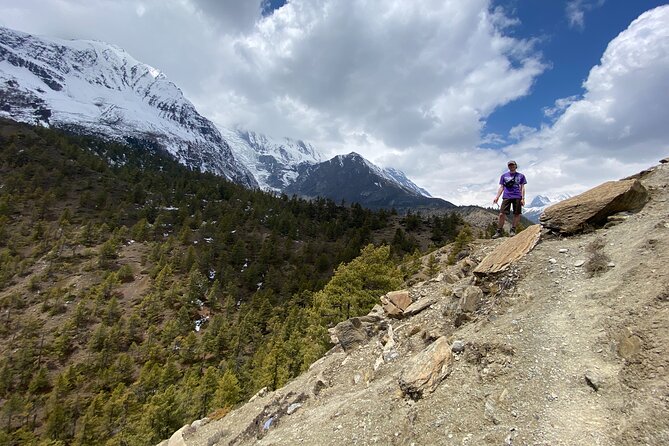
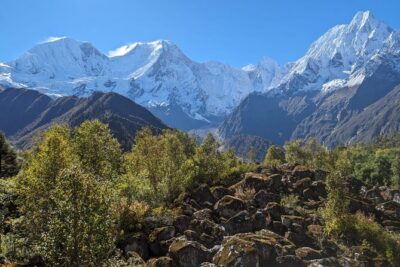
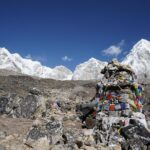
The classic Annapurna Circuit already has changing scenery, but Tilicho Lake is the part that really bends the story. Instead of just “going around,” you’re rewarded with a long, high-altitude detour to a glacial lake sitting at 4,919m. That altitude matters: it’s not just a viewpoint stop, it’s a real day in thin air where the air, snowline, and sky feel different.
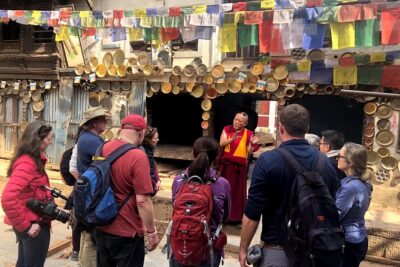
I also like the way the route balances big altitude moments with cultural passes through villages. You don’t only see mountains—you move through places that feel linked to wider Himalayan worlds: Manang’s Tibetan-influenced influence, then the pilgrimage tone of Muktinath, and finally the Mustang gateway villages around Kagbeni.
The other smart thing: the itinerary sequences the big climbs so you’re not jumping from lower altitude straight to Thorong La. You get acclimatization in Manang, then high staging stops like Siri Kharka and Yak Kharka before the pass.
You can also read our reviews of more hiking tours in Kathmandu
Price and Value: What Your $1,800 Really Buys (and What You Still Need)
At $1,800 per person, this trek is in the “organized, supported” category rather than budget DIY. What you’re paying for is mostly the stress reduction: transfers, teahouse arrangements, permits, and staffing.
Here’s what’s included based on the provided details:
- Airport pickup/drop-off and transfers around the trek start/finish (Kathmandu ↔ trekking entry and Pokhara ↔ Kathmandu by tourist bus).
- Trek guide (government-licensed, first-aid trained) plus assistant guide support.
- Porters for your overnight bag at a 2 trekkers : 1 porter ratio.
- Teahouse accommodation during the trek.
- Kathmandu and Pokhara hotels (3-star level with breakfasts).
- ACAP and TIMS permits, plus government fees listed in the package.
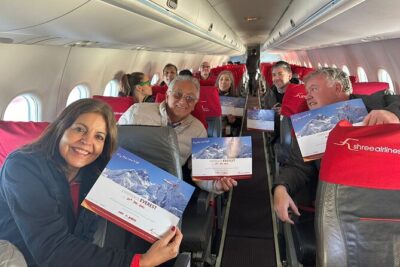
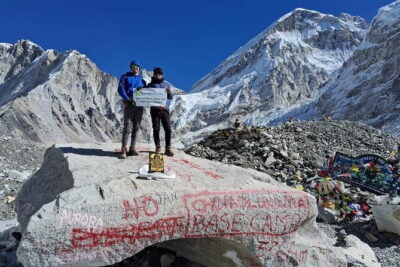
- A trek achievement certificate.
- Some meals are included: hotel breakfasts and 2 trek dinners (plus 3 hotel breakfasts).
Now the careful part: the “Not Included” section also lists Government Fees $50.00 per person. The document simultaneously says government fees are included, so you should confirm what you’ll actually pay. This is worth doing because $50 isn’t huge, but double-charging is annoying when you’re already planning for trekking costs.
What’s not included:
- International airfare.
- Travel insurance (and it must cover emergency evacuation and the trek’s highest altitude).
- Trek meals beyond the limited breakfasts/dinners listed.
- Personal gear.
- Drinking water (you’re advised to bring a filter bottle or purification tablets).
- Hot showers, battery charging, and Wi‑Fi are mostly paid extras at teahouses.
Day-by-Day Walkthrough: Kathmandu to Dharapani (Days 1–2)
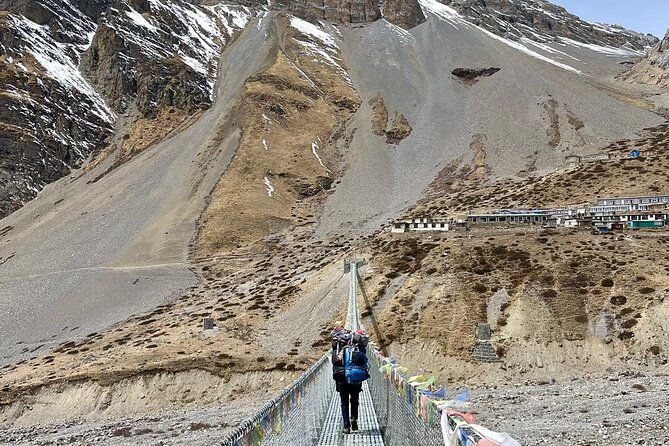
You start in Kathmandu with a simple, useful buffer day. Day 1 is an airport greeting at Tribhuvan International Airport (TIA) and a transfer to your hotel in Thamel, plus check-in and free time. Thamel is convenient because it’s close to the meeting point and makes last-minute gear fixes easier.
Day 2 is your road-to-trail transition. You ride past the Trishuli River on the Prithvi Highway, stop briefly at Mugling, and then reach Besisahar (the Annapurna Circuit launch point). The day ends in Dharapani (1,960m)—pine forests below, rocky ridges above—so you’re stepping into the trekking world by the time the lodge evening hits.
What to love here: getting the first altitude boost without turning Day 2 into a slog. You also get that classic Nepal “big road energy” at Mugling before the quieter rhythm of the Marsyangdi Valley.
Possible drawback: travel days can blur together. If you land late or sleep poorly in Kathmandu, Day 2 can feel longer than it should, even though the trek hasn’t started in earnest yet.
Manang Valley Focus: Tachi Bagarchhap, Chame, Bhratang, Pisang (Days 3–5)
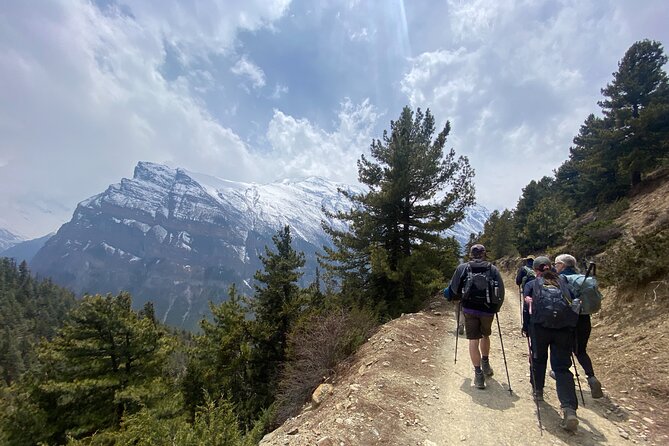
Day 3 starts by moving into the early ridgeline villages, including Tachi Bagarchhap (2,160m) with its white-washed homes and Buddhist chortens. Then you continue to Chame (2,670m), the administrative center of Manang District, where you’ll see the Tibetan-influenced architecture shift in a way that feels real, not just “touristic.”
Day 4 includes Bhratang (2,850m) in a narrow forested gorge, known for apple orchards and small juice farms—a nice change from the higher, barer villages. You continue to Upper Pisang (3,300m) for overnight, a Tibetan-style village perched above the Marsyangdi River with views toward peaks like Annapurna II and Pisang Peak.
Day 5 brings Manang (3,540m), the region’s main trekking hub under Annapurna III and Gangapurna. This is where trekking life becomes easier to manage: you’ll have more lodge choices, more other hikers, and a clearer sense that you’re entering the higher, colder part of the Annapurna system.
What’s valuable for you: Manang is not only about views. It’s the place where the trek’s “feel” changes from forest and farm villages to a Himalayan highland rhythm, where days often get shorter at the start and tougher near midday.
Acclimatization That Actually Makes Sense (Manang + Siri Kharka + Tilicho Base Camp, Days 6–8)
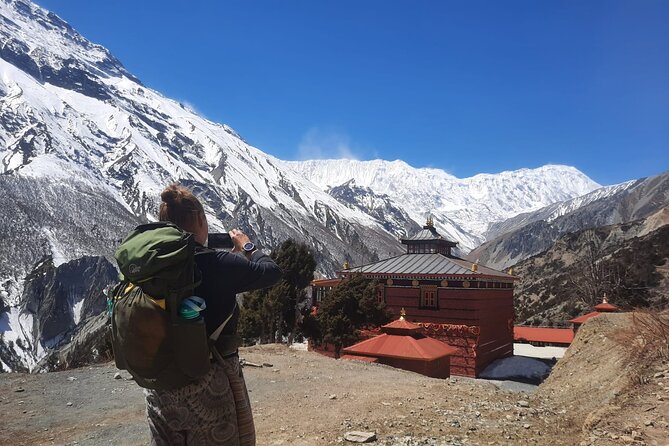
Day 6 is a scheduled acclimatization stop in Manang, with options for a hike you choose with your guide. The point is straightforward: you gain altitude slowly enough that your body can catch up. This matters a lot because later you’re heading toward 4,919m and then 5,416m.
After that, you move to Siri Kharka (4,060m) on Day 7. This ridge-top settlement gives you wide views across the Gangapurna and the Chulu range, and the trail climbs through juniper shrubland—less lush, more windswept.
Day 8 takes you to Tilicho Base Camp (4,150m). The itinerary notes it’s tucked beneath cliffs and glacier-carved slopes in a high-altitude basin. Even if you’re fit, the short but intense feel here is what prepares you for the Tilicho Lake push.
One practical tip from how the trek is staged: if you want to feel strong on Tilicho and Thorong La, focus on steady walking in these days. The itinerary’s design rewards patience, not speed.
Tilicho Lake Day: 4,919m and the High-Alpine Reality (Day 9)
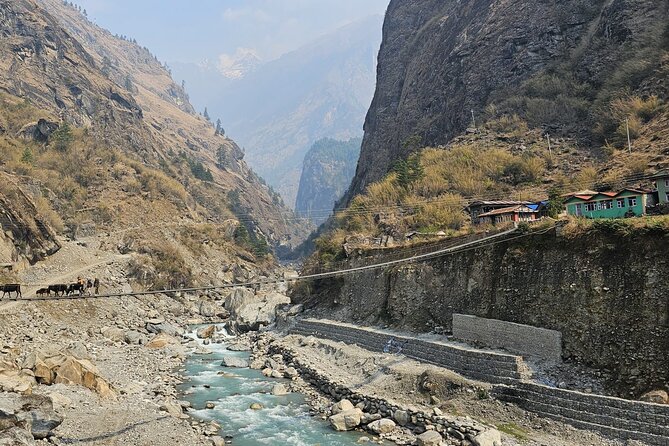
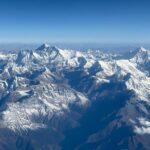
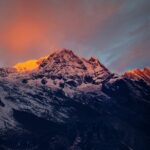
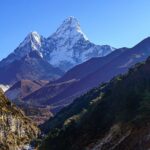
Day 9 is the Tilicho Lake day, at 4,919m. This is one of the highest lakes you can reach by foot, and it’s revered across Hindu and Buddhist traditions. You’re surrounded by towering snow-covered peaks, and the altitude makes everything feel sharper—your breathing, the light, the cold.
The itinerary lists a 45-minute stop duration, which suggests this is planned as a focused lake experience rather than a long day of circling around. That can be good if you want to avoid overexertion, but it also means you’ll want to arrive feeling ready to spend your energy wisely.
What to love here: the sense that you’re stepping into a high mountain world, not just passing through a scenic “spot.”
Consideration: at this altitude, even short efforts can feel heavy. If you’re the type who hates feeling winded, mentally prepare for slow pacing and shorter movements.
Staging Before the Pass: Yak Kharka to Thorong Phedi (Days 10–11)
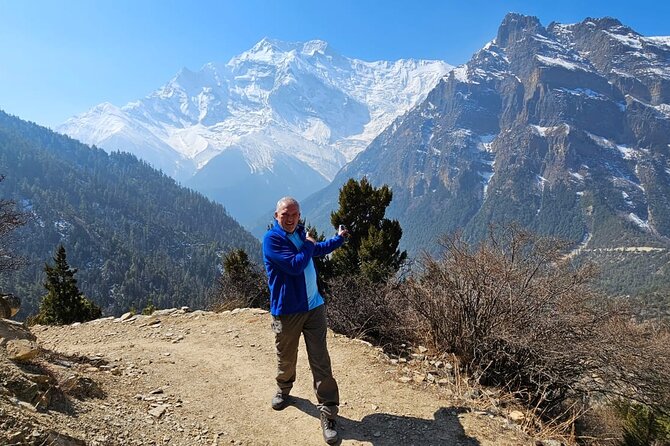
Day 10 takes you to Yak Kharka (4,050m), a settlement used for acclimatization and staging before Thorong La Pass. The trail begins with a 250m descent from Siri Kharka to Khangsar, then you continue through high terrain. This kind of day often works best when you treat it as purposeful, not casual.
Day 11 brings you to Thorong Phedi (4,540m), described as the base of the pass. This is the final overnight before crossing. The itinerary highlights a gentle uphill along barren ridgelines with the approach building over time.
Why these two days matter for you: they’re about letting your body settle while your mind locks onto the plan for the pass day. If you rush here, you’ll carry that fatigue into the pass climb.
Thorong La Pass: The Big Test and the Descent to Muktinath (Day 12)
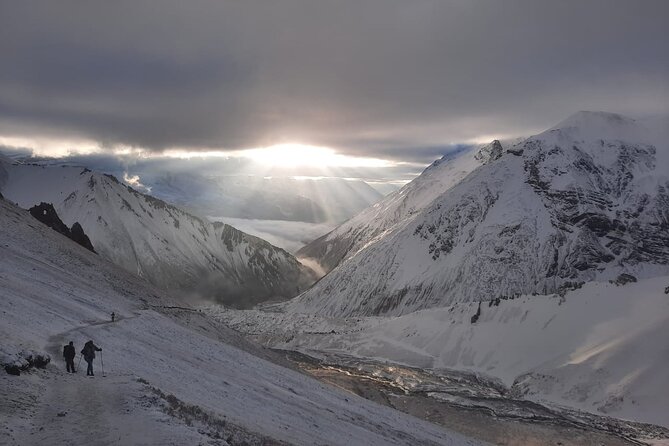
Day 12 includes the Thorong La Pass (5,416m). The itinerary notes it’s reached by a strenuous pre-dawn climb of over 900 meters from Thorong Phedi. Translation: you’re committing to an early start and hard effort, even if you’re experienced.
After the pass, you descend about 1,600 meters to Muktinath (3,760m). That descent is long and rocky, in desert-like valleys with views toward Mustang. Muktinath itself is a sacred pilgrimage town, so once you reach it, the mood shifts from “climbing survival” to “pilgrimage energy.”
What you’ll likely remember most: the moment the high ridge opens and you realize the pass is behind you. Then comes the practical part—keeping your legs under control on the way down.
Possible drawback: the pass day is the trek’s hardest day. If you don’t recover well the night before (sleeping poorly from cold or nerves), it can affect your pace on the climb.
Lower Mustang to Jomsom: Kagbeni, Jomsom, and the Kali Gandaki Corridor (Days 13–14)
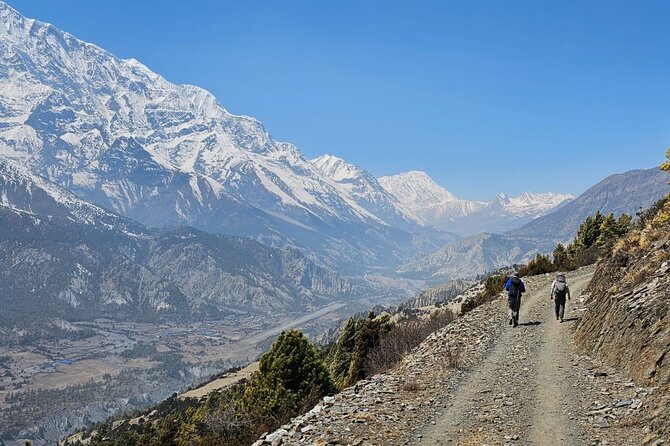
Day 13 goes to Kagbeni (2,810m), a centuries-old village at the confluence of the Kali Gandaki and Jhong rivers—gateway vibes for Upper Mustang. The itinerary points to an ancient red-walled monastery and narrow stone streets, so this is where the trek feels culturally different from Manang.
You then continue to Jomsom (2,720m), the administrative center of Mustang and a key stop on the lower circuit. The trail follows the windswept Kali Gandaki River, descending around 250m.
Day 14 includes Kalopani (2,530m)—noted as greener and a sharp contrast to the arid deserts above—then Beni (850m), a busier market town where the dirt-track trekking world starts handing off to the broader return route. The itinerary ends at Pokhara Lakeside for your hotel (about 822m).
Why this segment is valuable: Mustang feels different because it’s drier, more spare, and more exposed. When you reach Kalopani, the green change is a real mental reward.
Finish: Pokhara Lakeside, Kathmandu Return, and Thamel Time (Days 15–16)
You have a Pokhara recovery day on Day 15, framed by views of Machapuchare and the broader Annapurna range. Pokhara is positioned as Nepal’s relaxing lakeside base, which is exactly what you need after high altitude.
Day 15 also includes a return to Kathmandu by tourist bus. Day 16 is the wrap-up: a few final hours to explore Thamel and then airport transfer based on flight time.
What I like about this ending: you’re not just dropped and rushed to your next connection. You get a real decompression window in Pokhara near Phewa Lake, then you roll back to Kathmandu with some time to reset.
Teahouses, Showers, Charging, and How the Trek Feels Day-to-Day
This trek uses standard teahouses during the trek. That usually means simple rooms, shared dining areas, and the occasional paid upgrade for comfort. The information here is explicit that hot showers, battery charging, and Wi‑Fi are typically available for an extra fee at many teahouses. In other words: don’t count on always being plugged in.
The staffing model is what keeps the day-to-day manageable:
- Porters carry your overnight bag with a 2 trekkers to 1 porter ratio.
- 1 assistant guide per 5 trekkers provides extra safety and attention.
That ratio matters because it makes it easier for slower walkers, altitude-slow days, and “I need to ask something” moments. It also helps when conditions change and the guide needs to re-check pace.
On staffing style, the feedback pattern around this operator highlights calm support and smooth logistics, with strong emphasis on pre-arrival communication and attentive guidance. I saw names like Prashant praised for pre-arrival clarity, and Prem recognized for guidance quality on similar Annapurna-style treks.
Permits, Water, and Gear Checks That Keep You Out of Trouble
Your permits are listed as included: ACAP (Annapurna Conservation Area) Permit and TIMS Permit, plus government fees in the package details. Still, because the document also separately lists $50 government fees as not included, confirm your final payment totals before you go.
Drinking water isn’t included, and you’re advised to bring a filter bottle or purification tablets. This is not a “maybe you’ll need it” item. It’s one of those small decisions that saves your stomach and your trip.
For gear, the data only says personal trekking gear isn’t included, so I can’t list specific brands or add items you’re not carrying already. But I’d treat this as a cold, high-altitude trek where basic trekking layers, proper footwear, and pass-ready clothing are non-negotiable.
Who This Trek Fits Best (and Who Might Want a Different Option)
This is ideal if you want:
- High-altitude challenge without going fully DIY.
- A route that pairs mountain days with village and pilgrimage stops (Manang, Muktinath, Kagbeni).
- A structured acclimatization plan and staged approach to Thorong La.
It may not fit you if:
- You hate early starts. Thorong La is scheduled with a pre-dawn climb.
- You prefer all meals to be included. Trek meals aren’t included beyond limited items listed.
- You’re expecting frequent hot showers and easy charging without extra costs.
Group size is limited to a maximum of 14 travelers, which usually means you’ll find a balance between meeting people and not getting swallowed by a mega-group.
Should You Book the Annapurna Circuit With Tilicho Lake?
If you’re excited by the idea of standing near Tilicho Lake and earning Thorong La Pass with a guided, staffed setup, this itinerary looks like a strong match. The value is real when you count what’s handled for you—permits, teahouse arrangements, porters, transfers, and guide support.
Before you book, do two quick checks:
- Confirm the $50 government-fee question so you know what’s actually due.
- Budget extra for trek meals and teahouse charging/showers, since those costs aren’t wrapped into the base price.
If those points work for you, this is the kind of trek that gives you more than one “wow” day. You get Tilicho, you get the pass, and you get a calmer finish in Pokhara—exactly the mix I’d want after 16 days above the clouds.
FAQ
Is pickup offered for this trek?
Yes. The package includes pickup and transfers, including airport pickup/drop-off in Kathmandu and transport connections between the main points of the trip.
What is the total duration of the experience?
It’s listed as approximately 16 days.
What is the starting point and meeting location?
The start meeting point is Thamel, Kathmandu 44600, Nepal.
How is the trek supported in terms of guides and porters?
You get a professional, government-licensed, first-aid trained trek guide, plus an assistant guide per 5 trekkers. Porters carry your overnight bag at a 2 trekkers to 1 porter ratio.
Are permits included?
Yes. The package includes the Annapurna Conservation Area (ACAP) Permit and TIMS Permit, along with government fees listed under Included. Note that the document also lists a $50 government-fee item under Not Included, so confirm what you will personally pay.
What are the highest altitude points on this itinerary?
Tilicho Lake is listed at 4,919m, and Thorong La Pass is listed at 5,416m.
Are meals included during the trek?
Meals during the trek are not included. The package lists limited included meals such as hotel breakfasts and a small number of trek dinners and breakfasts.
How do you travel between Jomsom and Pokhara?
The itinerary notes public bus from Jomsom to Pokhara.
What is the cancellation policy?
Free cancellation is available if you cancel at least 24 hours in advance for a full refund. The experience requires good weather and a minimum number of travelers, with options offered if it’s canceled due to those conditions.