REVIEW · KATHMANDU
Sacred Pashupatinath: Aarati,Cremation Rites & Boudha Stupa
Book on GetYourGuide →Operated by Enticing Himalayas Travels Private Limited · Bookable on GetYourGuide
Prayers and smoke share one Kathmandu river. This tour pairs the calm Boudhanath Stupa kora with the intense Pashupatinath cremation rites and Aarti, all with a guide who helps you make sense of what you’re seeing.
I like the pacing: you get time to observe at Boudhanath, then you transition to the Shiva temple complex where the Bagmati River sets the mood for the ceremony. My one caution is that cremations can be emotionally hard to watch, so it’s not the right choice for everyone.
You’ll also get practical help with the experience, including a guide at the Pashupatinath ticket counter and English support (plus Chinese, Hindi, or Russian). If you’re hoping for a chill sightseeing loop, plan for a spiritually serious stop and bring your best patience for crowds and questions.
In This Review
- Key Highlights You’ll Actually Feel
- Why Boudhanath + Pashupatinath Works So Well Together
- Boudhanath Stupa: The Kora, Prayer Wheels, and Space to Breathe
- Visiting Pashupatinath Temple: Aarti, Shiva Complex, and the Bagmati Ghats
- Itinerary Reality Check: How the 2–5 Hours Typically Flow
- The Guide Makes or Breaks It (So Choose Your Questions Wisely)
- Price and Value: What $11 Covers (and What You Still Need to Pay)
- Practical Tips: ID, Bags, and Watching With Respect
- Who Should Book This, and Who Might Prefer a Different Day
- Should You Book Sacred Pashupatinath: Aarati, Cremation Rites & Boudha Stupa?
- FAQ
- Does the tour include entry fees to Boudhanath and Pashupatinath?
- What’s the duration of Sacred Pashupatinath: Aarati, Cremation Rites & Boudha Stupa?
- Is hotel pickup and drop-off included?
- Where does the guide meet you?
- What sites are included in the tour?
- What languages are available for the live guide?
- What should I bring?
- Are children allowed on this tour?
Key Highlights You’ll Actually Feel
- Boudhanath kora route around one of the world’s most famous Tibetan Buddhist stupas
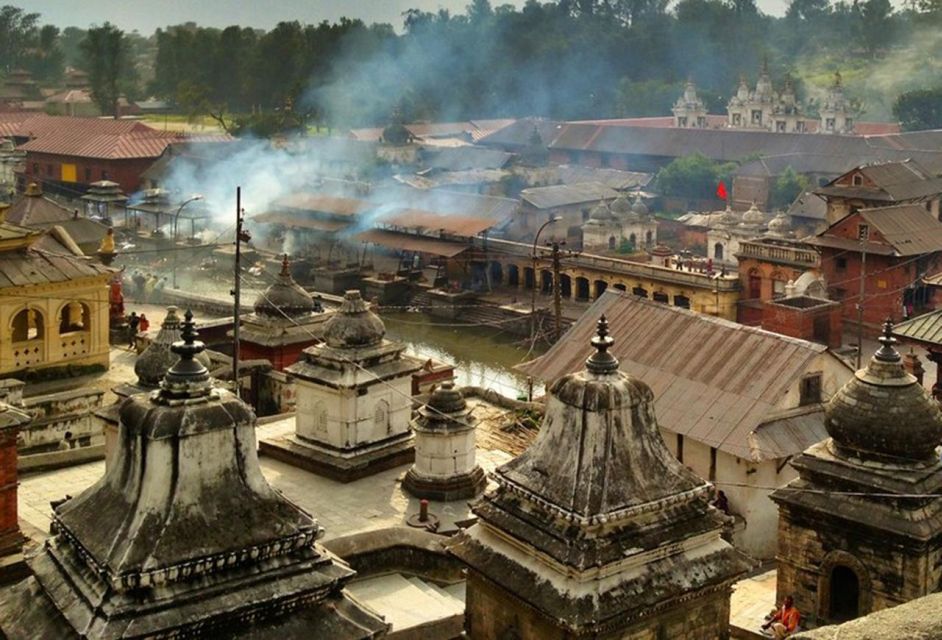
- Open-air cremation rites at Pashupatinath along the Bagmati River, with explanation
- Aarti ceremony viewing that’s coordinated so you’re not stuck wandering
- Cultural stops and market time near Boudha and around the Pashupatinath area
- Small group or private options so your guide can answer your questions
- Guides who teach, like Razz, Pranav, Karma, Sudhir, and Anish, who are mentioned for clear explanations
Why Boudhanath + Pashupatinath Works So Well Together
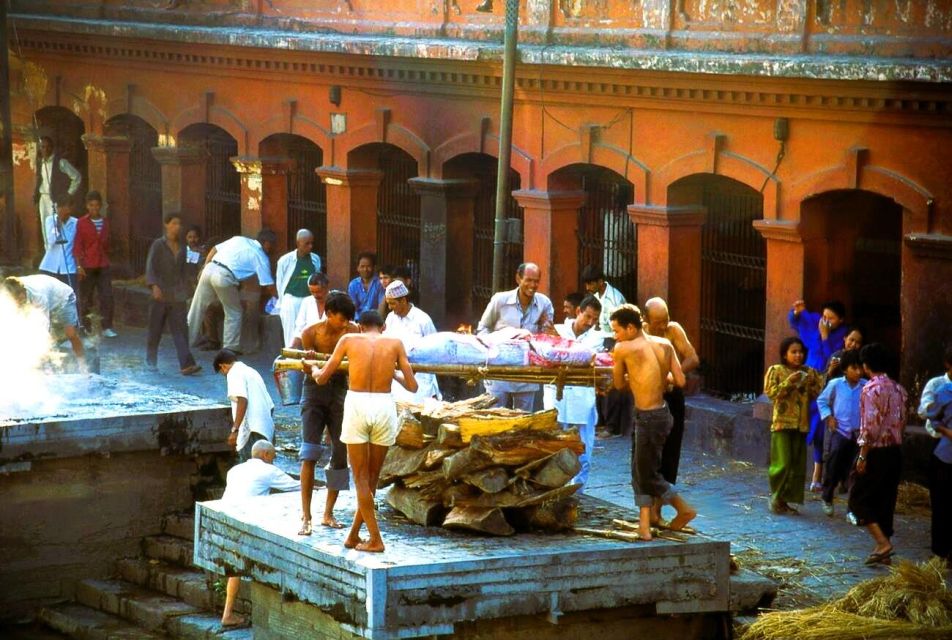
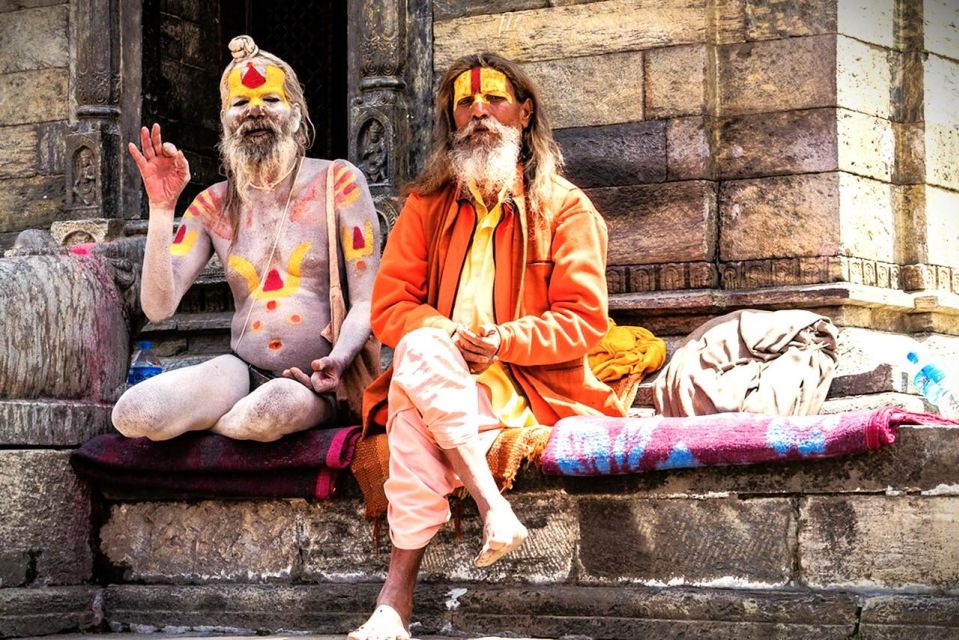
Kathmandu’s sacred sites don’t just sit there. They run on rhythm—chants, prayer wheels, bells, and daily rituals—so you feel like you’re stepping into a living practice, not a theme park. This tour strings two different spiritual worlds together: Tibetan Buddhist devotion at Boudhanath Stupa, then Hindu worship and rites at Pashupatinath Temple.
The best part is the guide’s role. These places are visually dramatic, but the meaning can be hard to catch without help. I like that the experience is guided end to end, including the portion focused on Aarti and the explanation around the cremation ceremonies.
The “consider” part is emotional impact. Cremations aren’t staged for tourists; they’re public rites. If you’re sensitive, you’ll want to plan your viewing carefully and maybe choose a different day plan.
You can also read our reviews of more tours and experiences in Kathmandu.


Boudhanath Stupa: The Kora, Prayer Wheels, and Space to Breathe
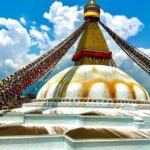
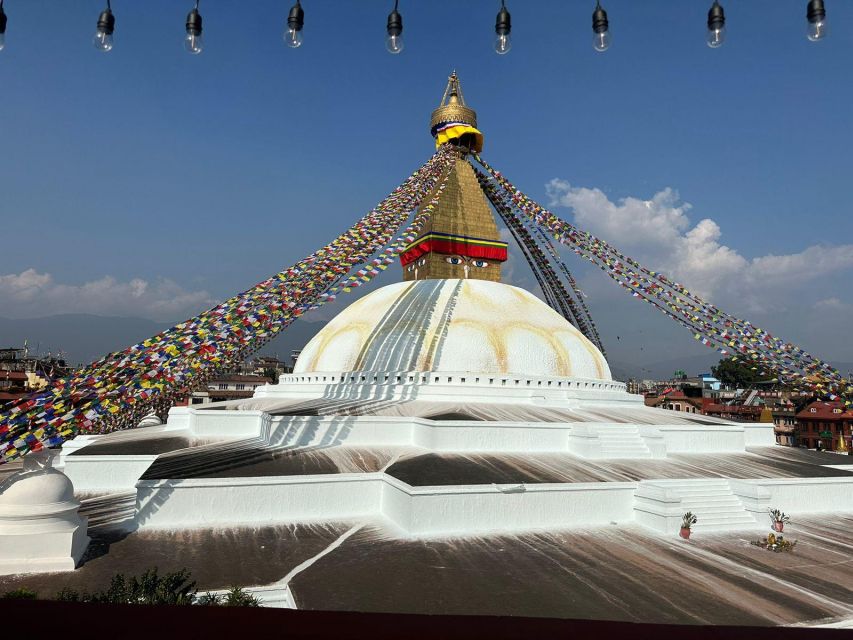
At Boudhanath Stupa, you’ll feel the scale fast. The white dome and gold spire dominate the area, and the whole place is built for slow attention. A big chunk of the value here is simply walking the sacred kora—the circumambulation route—and watching devotion look like everyday movement.
Here’s what I’d focus on when you’re there.
First, the symbolism around the stupa. The guide can explain what you’re seeing—so the flags and colors aren’t just decoration; they’re part of a spiritual language. Second, the atmosphere: people pause, pray, spin prayer wheels, and repeat simple motions with serious focus. It’s oddly calming, even if you’re not Buddhist.
You’ll likely get time to explore the monastery courtyards and browse nearby spiritual shops. One practical idea: take a slow break if you need it. The area has spots where you can sit for a moment, watch the stupa shift with the light, and reset your brain before the next stop.
A potential drawback: the stupa area can get busy. If you want quiet for photos and reflection, go at the pace of your guide and don’t treat every corner like an Instagram mission.
Visiting Pashupatinath Temple: Aarti, Shiva Complex, and the Bagmati Ghats
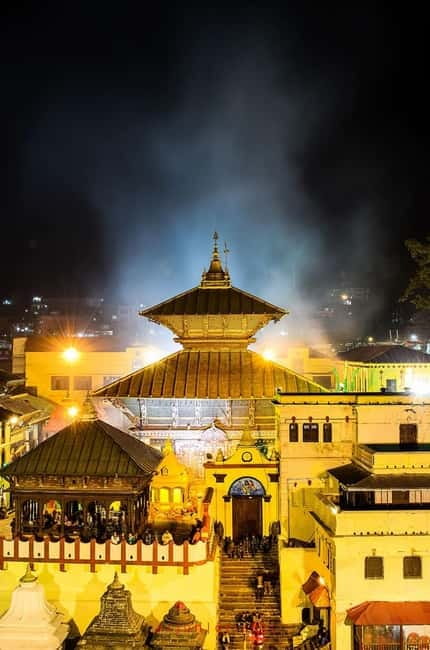
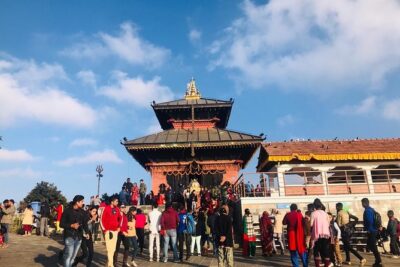
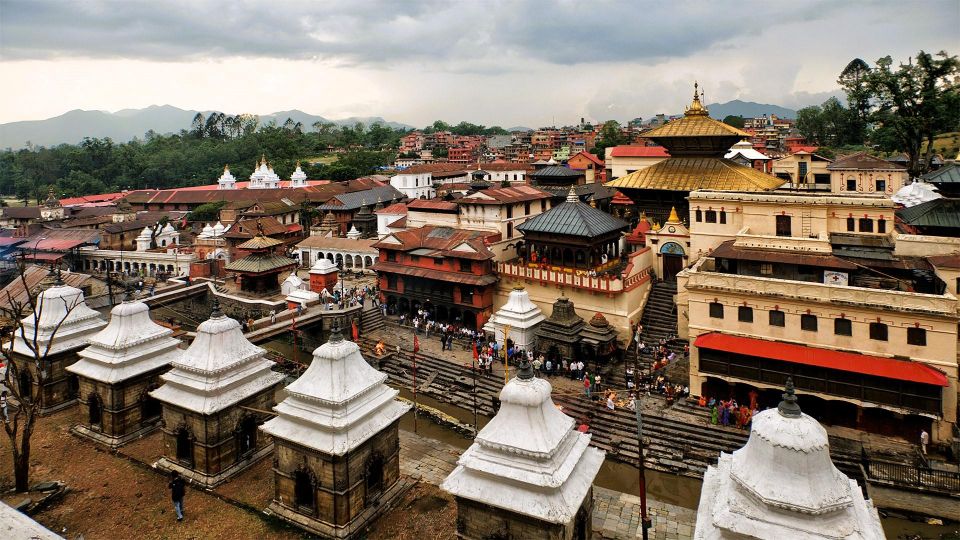
Pashupatinath Temple is the headline for many people for a reason. It’s one of the most important Shiva shrines in the world, and in this complex the Bagmati River isn’t just scenery—it’s part of the daily ritual life of the site. You’ll be guided through the outer temple complex since non-Hindus are not permitted inside the main sanctum.
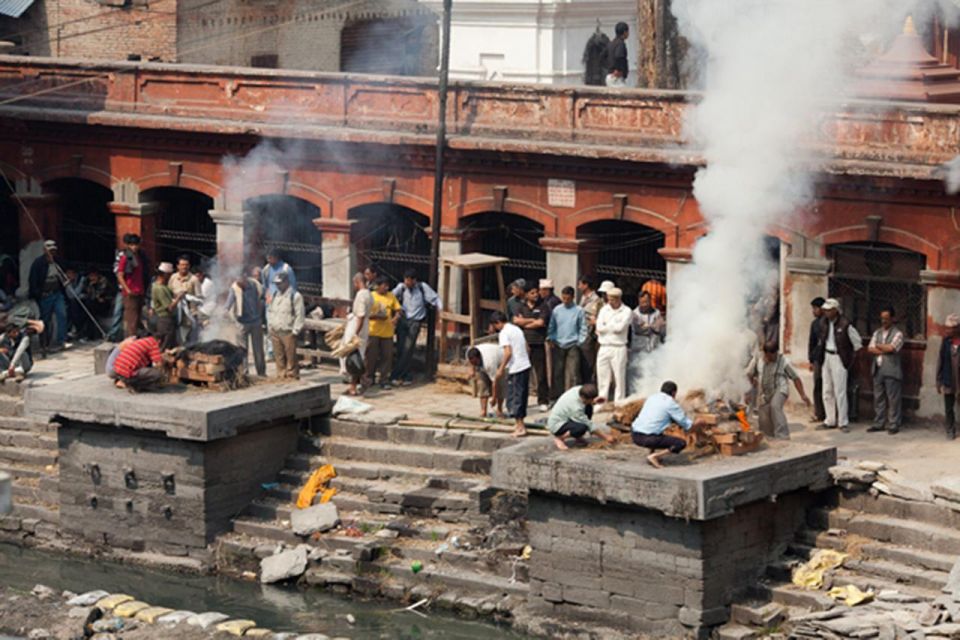
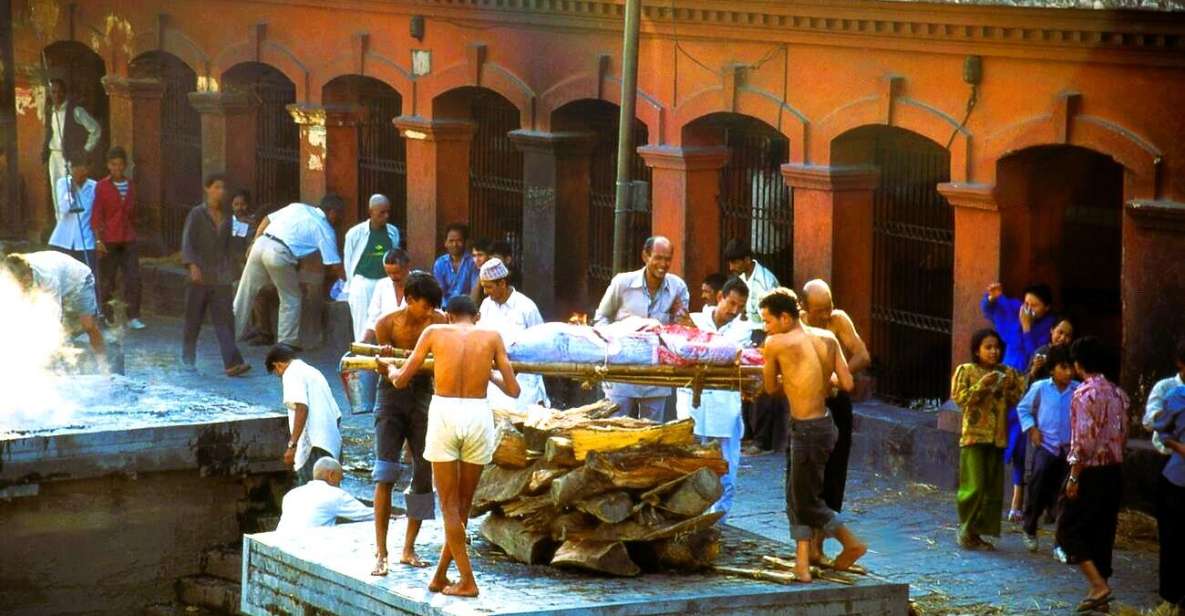
What makes this stop powerful is how much you learn while you’re looking. The guide walks you past key architectural details and statues, and explains the layout so you’re not just scanning for sights. Then comes the moment that changes the tone of the day: witnessing Hindu cremation ceremonies at the river’s ghats.
This part is intense, and it’s meant to be. In Hindu belief, the rituals are tied to life, death, and the soul’s transition, and the sacred fire is part of that symbolism. Your guide’s job is crucial here. They help you understand the steps and what the river represents in the rites, so you don’t just witness without context.
As evening approaches, the temple complex can feel more musical and alive—chants, bells, and conch shells described in the experience. The Aarti ceremony is often the emotional peak, and multiple guides (including Pranav and Cristiane’s guide experience with Pranav, plus Razz in another case) are praised for taking people to a good viewing spot and explaining each step.
A consideration before you go: this tour isn’t built for people who want to block out uncomfortable scenes. If the idea of watching cremations up close is a deal-breaker, you’ll need a different plan.
Itinerary Reality Check: How the 2–5 Hours Typically Flow
The tour duration is listed as 2–5 hours, and that range matters. Some days feel more like a quick hit; others give you more breathing room for guided explanations and photos. Either way, the flow is straightforward: Boudha first, then Pashupatinath.
At Boudha Stupa, you get a mix of break time, photo stop, guided sightseeing, and walking. That walking portion is the heart of it—the kora is where the spiritual experience happens, not just at one postcard angle.
At Pashupatinath, the schedule includes break time, photo stop, guided tour, and then some free time. There’s also mention of a shopping stop near the arts and crafts market area in the Pashupatinath vicinity. For me, that’s useful if you want to pick up something small and local after a heavy ceremony. Just don’t let shopping steal your focus from the Aarti viewing window.
At the end, there are two drop-off locations in Kathmandu, including Thamel. If you’re staying there, that’s handy because it keeps you from having to negotiate transport right after an emotionally charged experience.
The Guide Makes or Breaks It (So Choose Your Questions Wisely)
This tour is built around a guide, and the reviews put a big spotlight on that. Names like Razz, Pranav, Karma, Sudhir, and Anish come up repeatedly, and the common theme is clear explanations and good English.
Here’s how to get the most out of your guide in practical terms.
Before you enter each main area, ask what you should notice first. At Boudhanath, ask about the meaning of the symbols and how the kora works. At Pashupatinath, ask about what each step of the ceremonies means and where it’s best to stand for viewing.
Also ask what you can and can’t photograph. The tour has rules (like no large bags and no drones), and knowing the local do’s and don’ts helps you stay relaxed while others are hustling for photos.
If you want a slightly more personal experience, look for the private or small groups option. The tour data mentions these formats, and it usually means fewer people competing for attention during the explanation-heavy parts.


Price and Value: What $11 Covers (and What You Still Need to Pay)
The price is listed as $11 per person, and that’s the hook. But the real value question is what’s included versus what’s extra.
Included items (as described) typically cover: hotel pickup and drop-off (if selected), an expert guided experience at Boudhanath (when that option is chosen), guided witnessing of the cremation rites at Pashupatinath, time around local markets near Boudha, and a guided return back to your central Kathmandu area.
The big “budget item” is entry fees. These are not included and are listed as NRs 1000 at Pashupati and NRs 400 at Boudha. So you should expect to pay entrance fees on top of the $11.
Is it still good value? Yes, if you care about understanding what you’re seeing. Without a guide, these sites can feel like you’re watching scenes without context. With a guide, you get symbolism explained, and you get help navigating viewpoints for Aarti and cremation viewing.
One more value point: the tour includes support for skipping the ticket line. That’s not flashy, but in a place where queues can be slow, it saves energy.
Practical Tips: ID, Bags, and Watching With Respect
This is not the kind of day where you can show up unprepared.
Bring an ID card or passport (a copy is accepted, per the info). Leave your luggage or large bags behind, and don’t bring anything that triggers the site rules. Drones are not allowed, and alcohol and drugs are prohibited. Nudity is listed as not allowed too, so keep your clothing practical and respectful.
If you’re worried about health issues, note the suitability warning: the tour is not suitable for people with respiratory issues. Also, children under 12 years aren’t recommended.
What I recommend you do right before meeting your guide:
- Wear comfortable shoes for walking around the temple complexes and stupa area
- Bring a small layer if evening comes with cooler air
- Keep your camera accessible, but don’t let it distract you during ceremonies
One small etiquette note that helps: if you’re standing to watch Aarti or cremations, stay still and give space. The ceremonies are meaningful to locals, and your guide will guide you on where to stand.
Who Should Book This, and Who Might Prefer a Different Day
This tour fits best if you want two things: spiritual sites that feel real, and a guide who explains the why, not just the where.
Book it if you:
- want Boudhanath and Pashupatinath in one organized day
- are comfortable with emotionally intense ceremonies and want context
- like getting a local guide’s take, including guidance for Aarti viewing
Consider skipping it if you:
- can’t handle cremation rites emotionally
- have respiratory concerns, since the tour lists that as a mismatch
- are traveling with young kids, since children under 12 aren’t suitable
If you want a lighter day, you might also be better with a different Kathmandu itinerary. But if you’re here for authenticity and meaning, this one tends to deliver.
Should You Book Sacred Pashupatinath: Aarati, Cremation Rites & Boudha Stupa?
I’d book it if your priority is a guided, respectful look at Kathmandu’s major sacred sites—especially if you want help understanding the rituals. The combination of Boudhanath kora, guided context at Pashupatinath, and an Aarti ceremony makes this more than a quick photo stop.
But if you know cremations will be too hard to watch, don’t force it. Choose based on your comfort, not on bravery. Also budget for the listed entry fees (NRs 1000 and NRs 400), since the $11 price doesn’t include them.
FAQ
Does the tour include entry fees to Boudhanath and Pashupatinath?
No. Entry fees are listed as NRs 1000 at Pashupatinath Temple and NRs 400 at Boudha Stupa, and they are not included in the tour price.
What’s the duration of Sacred Pashupatinath: Aarati, Cremation Rites & Boudha Stupa?
The duration is listed as 2 to 5 hours. Exact timing can vary based on the schedule and pace of the day.
Is hotel pickup and drop-off included?
Hotel pickup and drop-off is included if you choose the pickup option. If pickup isn’t selected, you manage transportation yourself.
Where does the guide meet you?
The guide meets you at the ticket counter of Pashupatinath Temple, then takes you for the tour and Aarti.
What sites are included in the tour?
The tour includes Boudhanath Stupa and Pashupatinath Temple, including the guided portion focused on Aarti and witnessing cremation rites at Pashupatinath.
What languages are available for the live guide?
The guide is listed as available in English, Chinese, Hindi, and Russian.
What should I bring?
Bring a passport or an ID card. A copy is accepted, and you’ll want this for the visit.
Are children allowed on this tour?
The tour is listed as not suitable for children under 12 years.