REVIEW · KATHMANDU
Short Everest Base Camp Trek 10 Days
Book on Viator →Operated by Welcome Nepal Treks P.ltd · Bookable on Viator
Everest Base Camp in 10 days feels intense, then it turns into pure wonder. This short route still threads the classic Khumbu valleys, gets you to Everest Base Camp territory, and adds the big payoff climb to Kala Patthar for sunrise-style views. You also pass through Sherpa villages tied to everyday life here, not just souvenir stops.
I especially like how the pacing is built around real altitude stages, with overnight points like Namche Bazaar, Tyangboche, Dingboche, and Pheriche. I also like that the trip is organized around the key logistics you actually care about: private transfers, domestic flights to Lukla, lodge stays, and an English-speaking trekking guide who manages your day plan. One thing to think through: meals aren’t included during the trek, and you’ll likely want to budget extra for porters if you don’t want to carry much.
In This Review
- Key Things That Make This Short Everest Trek Work
- Why the Short Everest Base Camp Route Still Feels Like Everest
- Price and Logistics: What $1,400 Covers (and What It Doesn’t)
- Start Day in Kathmandu: Private Transfers and an Early Kickoff
- Flights to Lukla: The Airport Jump That Sets the Tone
- Phakding to Namche Bazaar: The Dudh Koshi Follow-and-Feel Climb
- Namche to Tyangboche: Panoramas and a Steep Feeling Descent
- Tyangboche to Dingboche: Rhododendron Forests and the Imja Khola Bridge
- Dingboche to Lobuche: Gentle Up, High-Country Focus
- Gorakshep and Everest Base Camp via the Khumbu Glacier: The Big Day
- Kala Patthar and Pheriche: Sunrise-First Effort at 5,545 m
- The Return to Namche: Sherpa Villages, Not Just Repeating Footsteps
- Namche to Lukla: Last Long Walk, Then a Teahouse Reset
- Fly Back to Kathmandu and Finish with Bhojan Griha
- Guides, Group Size, and What Support Looks Like in Real Life
- Altitude Fitness: What “Strong Physical Fitness” Means Here
- Packing and Carrying: The Choices That Change Your Comfort
- Who This Short Everest Trek Best Fits (and Who It Might Not)
- Should You Book This Short Everest Base Camp Trek?
- FAQ
- How long is the Short Everest Base Camp Trek?
- What time does the experience start?
- What’s the total cost and what’s included?
- Are airport transfers included?
- Are meals included during the trek?
- Do I need travel insurance?
- What flights are used to get to Lukla?
- Is a guide included, and are porters optional?
- What is the maximum group size?
- Can I get a refund if my plans change?
Key Things That Make This Short Everest Trek Work
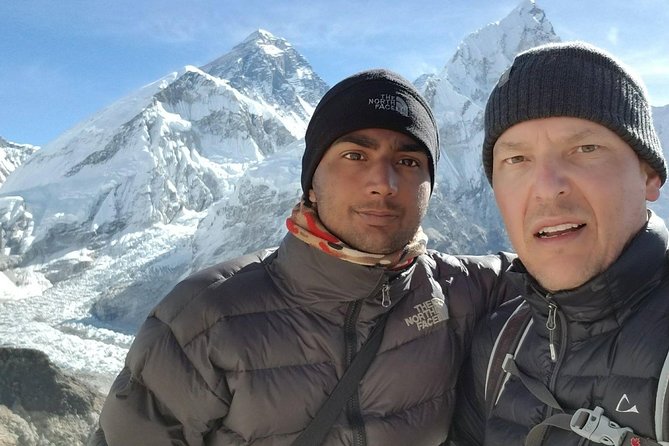
- A true 10-day itinerary that hits Base Camp area and includes Kala Patthar for high-altitude viewpoints
- Lukla flights are included (Kathmandu–Lukla–Kathmandu) on Tara, Summit, or Sita Air
- A prepared guide setup: one experienced English-speaking guide, with porters available for an added cost
- Acclimatization stops with meaning: Namche Bazaar, Tyangboche, Dingboche, and Pheriche each serve a purpose
- Lodges/tea houses on the route keep the trek realistic and comfortable enough to focus on moving safely
- Emergency helicopter arrangement is set up through your travel insurance for rescue/evacuation
Why the Short Everest Base Camp Route Still Feels Like Everest
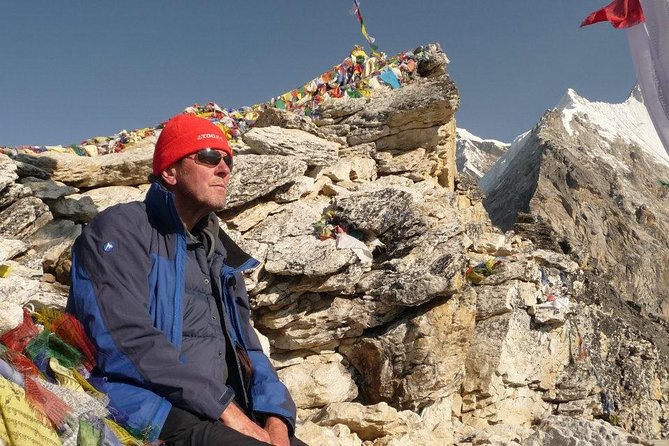
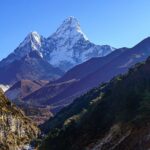
This is an Everest trek built for travelers who want the real deal without a long expedition-style schedule. You’re going to see Mount Everest in the wider sense—through the Khumbu valley, from viewpoints like Kala Patthar, and at the Everest Base Camp area itself. On clear days, you may also catch views of other giants that tower nearby, including Lhotse, Makalu, Cho Oyu, Nuptse, Thamserku, Pumori, Amadablam, Kantega, and Lingterin.
What makes this route interesting is how it balances daily effort with daily rewards. You’re not sprinting from one dramatic point to the next with zero context. Instead, you steadily climb into the high country, with overnight towns that help you adjust—then you spend the final big effort on the day that matters most for views.
That matters for your trip experience. If you’ve got limited time, this itinerary gives you the core Everest story: Lukla entry, Khumbu valley hiking, Namche and Sherpa communities, and the “wow” factor at the top of the short season version of this trek.
You can also read our reviews of more hiking tours in Kathmandu
Price and Logistics: What $1,400 Covers (and What It Doesn’t)
At $1,400 per person, the value here comes from what’s bundled, not from what’s left for you to assemble. Included in the package are domestic airport/hotel transfers by private vehicle, the Kathmandu–Lukla–Kathmandu flight fare plus domestic airport tax, and all trekking permits. You also get lodge/tea house accommodations throughout the trek.
You’re also paying for the people side: one trekking guide (English speaking and trained), with their salary, food, insurance, and equipment handled. Porters aren’t automatically included—porters are available for an extra cost at a ratio of 1 porter for 2 people.
The main “budget reality” item: standard meals during the trek aren’t included. In practice, that means your costs are going to shift from upfront pricing to what you eat and drink each day at teahouses. If you want predictable spending, plan a daily food budget before you go.
Finally, the package includes an emergency helicopter service arrangement, but your travel insurance company is the one that pays it. That’s not a small detail—without the right travel insurance, you’d be carrying that risk yourself.
Start Day in Kathmandu: Private Transfers and an Early Kickoff
Your trek starts early—meeting time is 6:15 am. The trip also mentions pickup is offered, and you’ll be working from Kathmandu with convenient access near public transportation. That’s helpful if you’re trying to avoid a stressful first morning.
On Day 10, you’re back in Kathmandu with a representative meeting you on arrival at TIA, plus a transfer to your hotel. Then you get a farewell dinner at Bhojan Griha in the evening. It’s a nice way to end the trip without needing to hunt for a restaurant after the final flight day.
The practical takeaway: your schedule is built around the short Everest format, so the days are timed to keep the trek moving and the flights in sync. That’s exactly what you want when your total trip window is only about 10 days.
Flights to Lukla: The Airport Jump That Sets the Tone
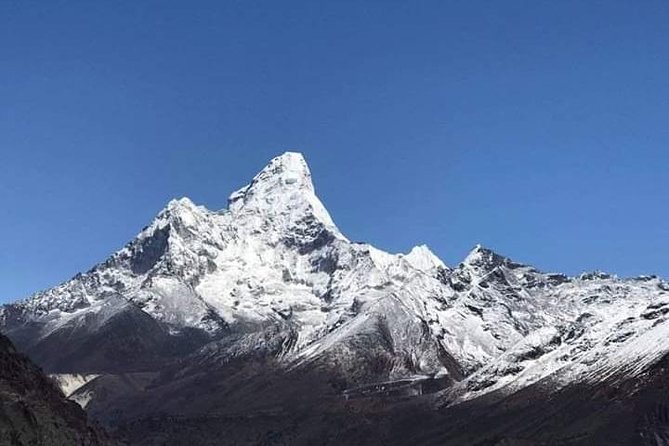
Day 1 begins with a commercial flight to Lukla (Tara, Summit, or Sita Air). After you land, you start hiking to Phakding, with about 3.5 hours of walking on your first day.
I like that Day 1 isn’t a pure travel day. You’re not just sitting in transit while your body unknots from the flight. You get a gentle-ish start on the legs with a real trail day, which makes the whole adventure feel like it begins immediately.
A consideration: with a flight day, you’re always depending on air schedules. That isn’t unique to this trek—it’s part of any Lukla-based itinerary—so it’s smart to keep your expectations flexible.
Phakding to Namche Bazaar: The Dudh Koshi Follow-and-Feel Climb
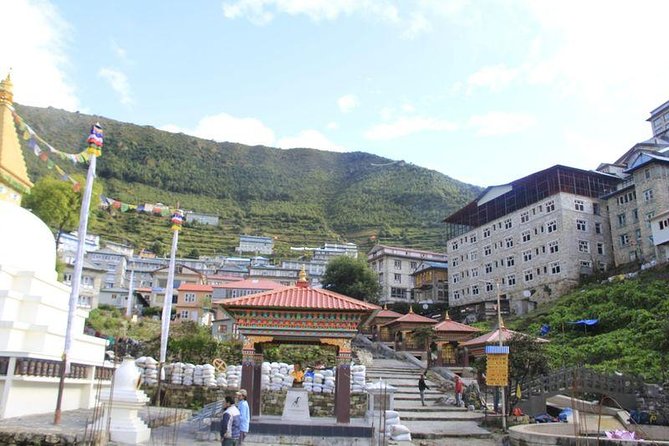
Day 2 is your first bigger “altitude and effort” day, trekking about 6 hours from Phakding to Namche Bazaar (3440 m). The route runs along the right bank of the Dudh Koshi River, and you’ll see Thamserku rising across the water.
This stretch is a classic for a reason: following a river corridor helps you pace yourself, and the terrain gives you a steady rhythm rather than chaotic stop-start walking. Namche then becomes your altitude hub—where you’ll spend the night and feel the difference in air.
One drawback to be aware of: after a first day of trekking, a 6-hour day at higher elevation can feel bigger than you expect. The fix is simple: walk slower than you think you need to. Let the guide set the pace and use breaks well.
Namche to Tyangboche: Panoramas and a Steep Feeling Descent
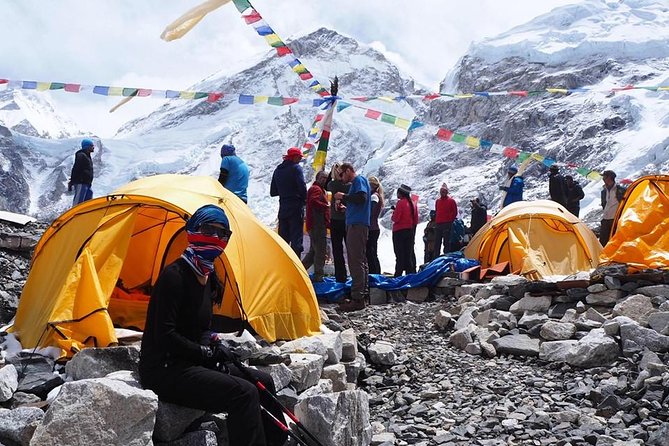
On Day 3 you trek to Tyangboche (3867 m), about 5 hours. The trail leaves Namche’s rhythm and pushes you toward Tyangboche, with a section described as passing a steep cliff that drops down toward the Dudh Kosi.
This is where your senses start tuning in. Even if you don’t speak the local terms, you’ll feel the dramatic geography—the Khumbu here is all steep angles, glacial valleys, and big mountain silhouettes.
A practical note: Day 3 is short enough to keep you from burning out, but the terrain can still be demanding. Expect some steep moments, and treat them like technique days—small steps, steady breathing, and don’t rush downhill.
Tyangboche to Dingboche: Rhododendron Forests and the Imja Khola Bridge
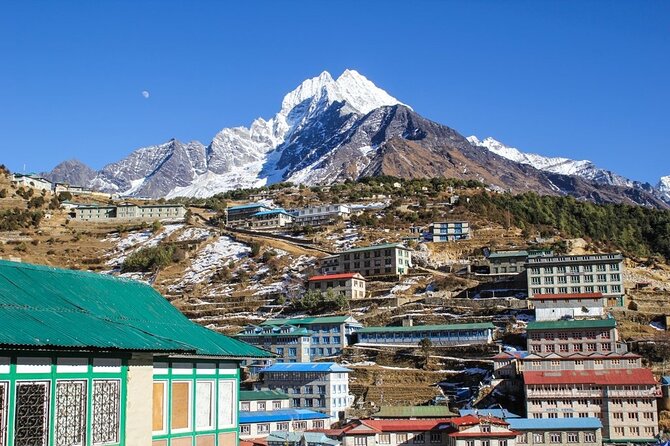
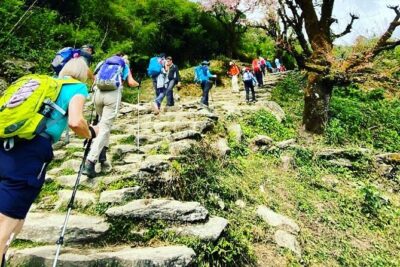
Day 4 moves you to Dingboche (4260 m) in about 5 hours. You’ll descend through a rhododendron forest, pass through Deboche, and cross a suspension bridge over Imja Khola.
That suspension bridge is a memorable “you’re really here” moment. It’s also a good reminder that this trek isn’t just about views—it’s about moving through real places where locals live and travel.
Why Dingboche matters: it’s high enough to feel the altitude, but it’s also positioned to keep your overall acclimatization on track. The route is designed so you’re not going from low elevation straight into the harshest areas.
Dingboche to Lobuche: Gentle Up, High-Country Focus
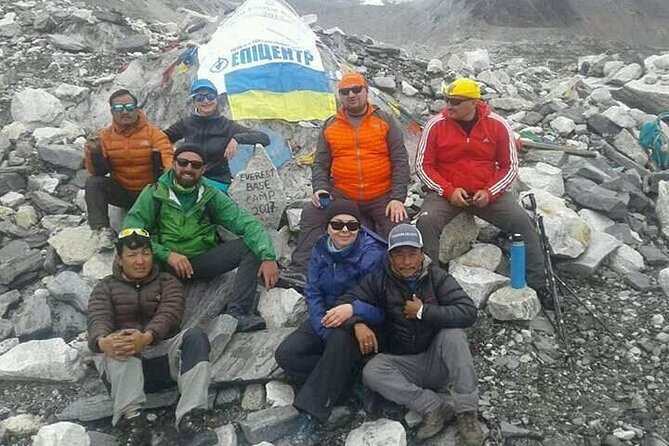
Day 5 is the trek to Lobuche, taking about 5 to 5.5 hours. The description notes that after leaving Dingboche, the trail becomes gentle up to Pheriche village, before you continue toward Lobuche.
This is a useful kind of day. You’re still climbing, but you get a less aggressive angle than some other legs. That can help you save energy for what comes next—especially Day 6, which is described as the most rewarding section and includes the glacier country.
If you don’t use the gentle sections well, it’s easy to arrive tired. So treat this day like a build-day: steady pace, hydrate, and don’t “race” the mountains just because the gradient looks friendlier.
Gorakshep and Everest Base Camp via the Khumbu Glacier: The Big Day
Day 6 takes you from Lobuche to Gorakshep and on toward Everest Base Camp, with about 8 hours. This is the most rewarding stretch, with rocky paths and the Khumbu glacier noted along the route. You’ll also get mountain views including Nuptse.
This day is the one most people picture when they think about Everest. The reality is still tough: higher altitude, uneven ground, and a long hiking window. But you get the payoff. You’re moving through the “base camp zone” feel, where the whole Everest story becomes immediate and physical.
A consideration: an 8-hour day at altitude asks for smart pacing. Go slower than you think you need early, because fatigue usually shows up later. The guide’s job is to manage that pace, and in past trips guides named like Mohan and Padam are praised for keeping plans clear and helping people stay safe.
Kala Patthar and Pheriche: Sunrise-First Effort at 5,545 m
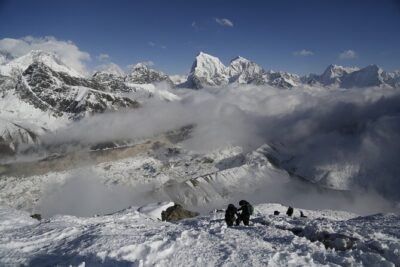
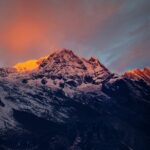
Day 7 is your high-altitude summit-style payoff: trek from Gorakshep to Kala Patthar (5545 m) and then continue to Pheriche (4243 m). The plan emphasizes early morning so you can climb Kala Patthar and enjoy sunrise views, with Mount Everest and Mount Pumori mentioned among what you can see.
Kala Patthar is not an easy hike, even by Everest standards. It’s short in distance compared to a full trek day, but the altitude is real. Your legs will feel like they’re moving through resistance. This is where trekking technique matters: small steps, consistent breathing, and no hero moments.
The great part is that this day gives you “Everest as a view,” not Everest as a concept. If you’ve ever wanted to stand somewhere above the valley and see the giants line up, this is the closest thing in a short trek to that feeling.
The Return to Namche: Sherpa Villages, Not Just Repeating Footsteps
Day 8 turns into a retreat day from Tyangboche back toward Namche Bazaar. The walk to Namche is described as about 4.5 hours, and the day also includes visits to traditional Sherpa villages such as Khumjung and Khun… (the itinerary cuts off mid-name, but the intent is clear: you’ll stop in village communities).
This is a good place to slow down. On the way out, you focus on reaching the next big stop. On the way back, you get to reconnect with the people and the routine of the valley. That shift can make your trek feel more meaningful, because you’re not only chasing altitude.
One practical thing: retreat days can fool you. The distance can look easier, but the cumulative fatigue is still there. Use breaks even when the climbs feel smaller.
Namche to Lukla: Last Long Walk, Then a Teahouse Reset
Day 9 brings you down to Lukla in about 7 hours. The plan notes lunch will be served on the way, and you spend the night at a tea house lodge after arriving, with time to rest and refresh.
This leg matters because it’s your final “trail day” before flights. If you’re thinking about comfort, do a little planning here. Eat steadily, keep water coming, and don’t decide to take big risks with your footing just because you’re nearing the end.
The good news: by now you’ve already adapted to the daily pattern. You know how the trek feels. Your job is just to finish strong and safe.
Fly Back to Kathmandu and Finish with Bhojan Griha
Day 10 is short and sweet: you board an early flight from Lukla to Kathmandu (about 25 minutes). When you land at TIA, a representative meets you and transfers you to your hotel, and then there’s a farewell dinner at Bhojan Griha.
This is a clean ending to a trek that can feel like a full physical project. You return to Kathmandu with the chance to shower, eat properly, and let your body reset while the memory of the route is still fresh.
It’s also smart to stay low-key your last evening. Altitude travel can leave you tired even if the trek is technically over.
Guides, Group Size, and What Support Looks Like in Real Life
This trek runs with a maximum of 15 travelers, so it’s not a huge crowd. That tends to matter on trail days where spacing, pacing, and small-group flexibility can make the day smoother.
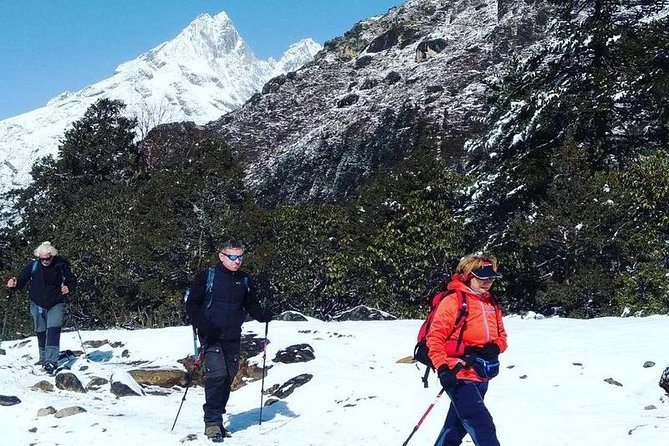
You get one trekking guide, English speaking and trained. Based on the guide styles that have been highlighted by name, a big strength is clear day planning—your route is laid out each evening, and the guide handles logistics like accommodation and meals at each stop. There’s also praise for guides like AJ explaining your daily plan ahead of time and for Padam being patient and supportive, even described as acting in a medical capacity during harder stretches.
Porters are optional and cost extra, at the ratio of 1 porter for 2 people. If you want lighter packs, it’s often worth considering. Even if you’re fit, carrying too much up high elevation is a fast way to waste energy.
Important but practical: tipping guide and porter is expected. Tips aren’t listed as included, so you should factor that into your budget.
Altitude Fitness: What “Strong Physical Fitness” Means Here
The trip says travelers should have strong physical fitness. For a short Everest trek, that doesn’t mean you need to be a runner. It means you can handle multi-hour hikes repeatedly, walk at altitude, and keep your pace controlled.
The itinerary is layered: Namche at 3440 m, Tyangboche at 3867 m, Dingboche at 4260 m, then high points like Kala Patthar at 5545 m and Everest Base Camp in the 5000+ meter world. You don’t jump straight into the toughest numbers, but you do spend enough time high that your body will notice.
Here’s the smartest approach: treat the first days as training days for breathing and steadiness. Let the guide’s pacing and your own effort guide you. If you push early, fatigue can turn the later days into a struggle.
Also, don’t ignore insurance. The package notes emergency helicopter service will be paid by your travel insurance company, and it explicitly says travel insurance covering high-altitude rescue and evacuation isn’t included. This is one of those items you don’t want to guess on.
Packing and Carrying: The Choices That Change Your Comfort
The trip doesn’t include personal trekking equipment. That means you need to show up with your own essentials and expect cold weather layers at altitude. Even if you’ve done shorter hikes before, plan for colder nights in the high country.
If you’re trying to travel light, porters are a lever you can pull—at extra cost. If you’d rather carry everything, you can. Just remember that lighter packs usually mean more energy for the day that actually matters most, like the Kala Patthar early morning effort.
One more practical point: accommodation is included in lodges/tea houses during the trek, but meals aren’t included as standard. So pack snacks you trust, and plan on paying for your daily food at teahouses.
Who This Short Everest Trek Best Fits (and Who It Might Not)
This tour is a good fit if you want an Everest-focused trek with a realistic time window and you’re okay managing your own food budget during the walking days. If you like structured support—guide, permits, flights, transfers—this format fits that style.
It’s also suitable if you want a group size that’s not too big, with the chance to move with others while still having a guided plan for each day. The route hits major checkpoints like Namche Bazaar and Dingboche, which helps first-time Everest trekkers understand what the Khumbu feels like.
It might be less ideal if you want everything fully paid and totally hands-off. Meals aren’t included, and porters cost extra. Also, you should be ready for early mornings and multiple multi-hour hikes.
Should You Book This Short Everest Base Camp Trek?
Book it if you want the classic Everest storyline in a short, guided format with Lukla flights, lodge stays, permits, and a trained English-speaking guide already arranged. This is also a strong choice if you appreciate pacing that builds in altitude stages and you’re excited to work for the view from Kala Patthar.
Think twice if you’re not comfortable paying for meals during the trek, or if you don’t plan to buy the right high-altitude travel insurance. The route is short, but it still lives in real mountain conditions—so your preparation matters.
FAQ
How long is the Short Everest Base Camp Trek?
The trek is listed as 10 days (approx.).
What time does the experience start?
The start time is 6:15 am.
What’s the total cost and what’s included?
The price is $1,400.00 per person. Included items include private domestic transfers, Kathmandu–Lukla–Kathmandu flight fare with domestic airport tax, lodge/tea house accommodations during the trek, a trekking guide, trekking permits, government taxes/tourist service charges, and an emergency helicopter service arrangement paid by your travel insurance company.
Are airport transfers included?
Yes. All domestic hotel/airport transfers are included by private vehicle.
Are meals included during the trek?
No. Standard meals (breakfast, lunch, and dinner) during the trek are not included.
Do I need travel insurance?
Travel insurance covering emergency high-altitude rescue and evacuation is not included, and the helicopter service arrangement is paid by your travel insurance company. So you should plan to have appropriate coverage.
What flights are used to get to Lukla?
The itinerary lists commercial flight options to Lukla as Tara, Summit, or Sita Air, and it includes flights for Kathmandu–Lukla–Kathmandu.
Is a guide included, and are porters optional?
One trekking guide is included (experienced, English speaking, well trained). Porters are available at an extra cost (1 porter for 2 people).
What is the maximum group size?
The maximum is 15 travelers.
Can I get a refund if my plans change?
Yes, free cancellation is available. You can cancel up to 24 hours in advance for a full refund; within 24 hours, there is no refund.