REVIEW · KATHMANDU
Oldest Local Market Walking Tour With Living Goddess Kumari
Book on GetYourGuide →Operated by Mount Glory Treks · Bookable on GetYourGuide
A living goddess turns a market walk into meaning. On this Ason area and Kathmandu Durbar Square walk, you’ll pair the feel of everyday trade with the tradition of the Kumari of Kathmandu, explained in clear English by guide Santos. I love how the stops connect street-level Hindu and Buddhist practice to a living religious role, and I like that it stays tight at about two hours. One drawback to plan for: Kathmandu Durbar Square entry fees (1000 Nepali Rupee) are not included.
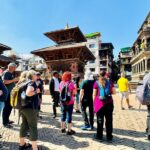
You’ll meet at the Chhaya Devi Complex side of the main gate in Thamel, then follow a guided route aimed at making the sights make sense. Expect a small, focused experience with bottled mineral water, and no meals included, so you’ll want to eat before or after.
In This Review
- Key highlights worth your attention
- Why Ason market and the Kumari tradition belong together
- Starting point in Thamel: the Chhaya Devi Complex main gate
- Kathmandu Durbar Square: why this stop isn’t just a backdrop
- The entry fee you should budget
- Seeing the Kumari: what “living goddess” means on the ground
- A tip for getting value from the moment
- Ason’s market streets: history you can actually touch
- How the guide connects Hinduism and Buddhism for real understanding
- Price and value: what $39 buys you in Kathmandu
- Who should book this walking tour (and who might skip it)
- Should you book this Ason market and Kumari tour?
- FAQ
- Where do we meet for the tour?
- How long is the tour?
- What is included in the price?
- What is not included?
- Is the tour conducted in English?
- How does cancellation work?
- Is there a pay-later option?
Key highlights worth your attention
- Ason market area, known as one of Kathmandu’s oldest local trading spots
- Kathmandu Durbar Square as a central cultural-and-architecture stop
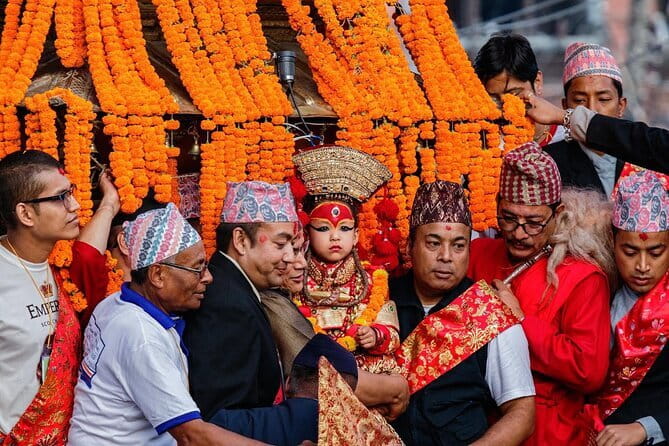
- The living goddess Kumari moment, tied to the Taleju goddess tradition
- English guidance from Santos, with clear explanations and communication
- Hinduism and Buddhism context grounded in what you see on the street
- Two-hour format, so it fits easily into a first or second day in Kathmandu
Why Ason market and the Kumari tradition belong together
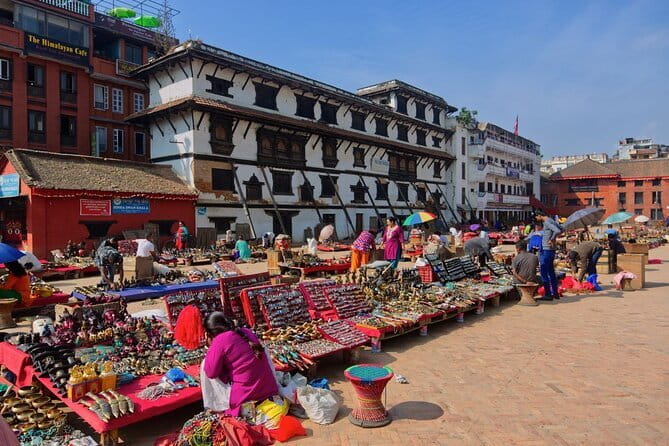
If you only visit Kathmandu’s monuments, the city can start to feel like a museum. This is different. You’re not just looking at buildings and temples from the outside. You’re walking through a daily commercial neighborhood (Ason) and then moving into the spiritual heart of the Kathmandu Valley story through the Kumari tradition.
Ason is the kind of place where names and objects matter. Spices, textiles, and everyday goods are part of how people keep their rhythm and identity. Then, at the core of Kathmandu’s living goddess tradition, the Kumari is treated as more than a symbol—she is considered the living embodiment of Taleju. The tour’s value is the bridge between those worlds: regular life outside and sacred role inside.
You’ll also notice something practical: a good guide matters here. When someone explains what you’re seeing in plain language, you don’t just get photos. You get understanding, which makes the moment stick.
You can also read our reviews of more walking tours in Kathmandu


Starting point in Thamel: the Chhaya Devi Complex main gate
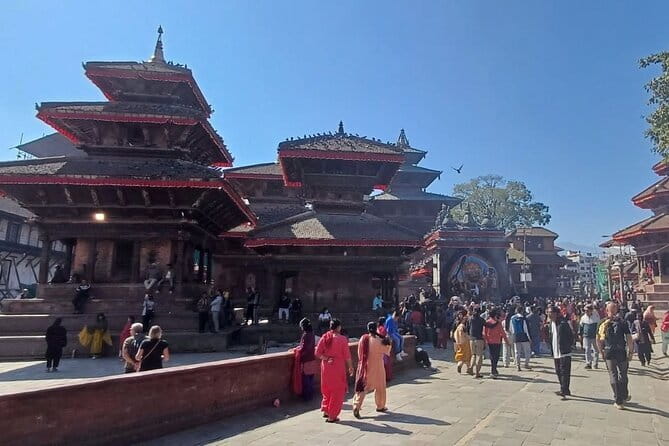
Most Kathmandu tours begin with a “meet somewhere near Thamel.” This one is more specific: you meet at the main gate side of the Chhaya Devi Complex in Thamel.
That matters for two reasons. First, it reduces the usual time-waste of wandering for the right group. Second, it gives you a reference point in an area that can feel busy and confusing if you’re new.
The tour is two hours total, so every part of the walk counts. Once you’re with the group, you can expect a guided flow rather than a stop-and-start scramble.
Kathmandu Durbar Square: why this stop isn’t just a backdrop
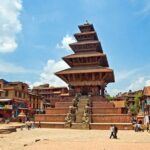
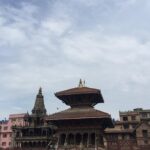
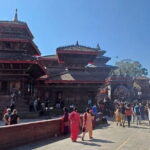
Kathmandu Durbar Square is one of the city’s key historic squares, with palaces, temples, and courtyards packed into a concentrated area. It’s the kind of place where you can understand why people describe Kathmandu Valley as layered with spiritual and political life over time.
In practical terms, this stop helps you “reset your eyes.” After walking through market streets, Durbar Square gives you architectural context. You start to notice how religious space and civic space overlap—temples next to courtyards, royal-style spaces next to places that still feel tied to lived belief.
The entry fee you should budget
Kathmandu Durbar Square entry fees are not included, listed at 1000 Nepali Rupee. If you arrive without that number in mind, you can waste time at the gate. If you’re working on a tight day plan and tight budget, set aside the 1000 NPR before you go.
Seeing the Kumari: what “living goddess” means on the ground

The tour’s headline is simple: you get to witness the living goddess Kumari. In Kathmandu tradition, Kumari refers to a prepubescent girl believed to be the living embodiment of the goddess Taleju.
That description might sound abstract until you’re standing in the place where the tradition is practiced. The key is that you’re not being asked to treat it like entertainment. You’re being guided to understand the role and its cultural weight.
From the feedback people shared, the moment leaves a strong impression. A common theme is how powerful Kumari’s presence feels, including the feeling that her gaze is striking. I’d treat that as a heads-up: this isn’t a quick “sighting.” If you show up respectful and quiet, you’ll get more out of it.
You can also read our reviews of more shopping tours in Kathmandu

A tip for getting value from the moment
Go with the mindset of observation, not performance. Keep your expectations realistic. This isn’t a stage show with explanations on demand—you’re there inside a living tradition, and the tour guide’s role is to help you interpret what you’re seeing while you’re there.
Ason’s market streets: history you can actually touch
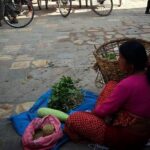
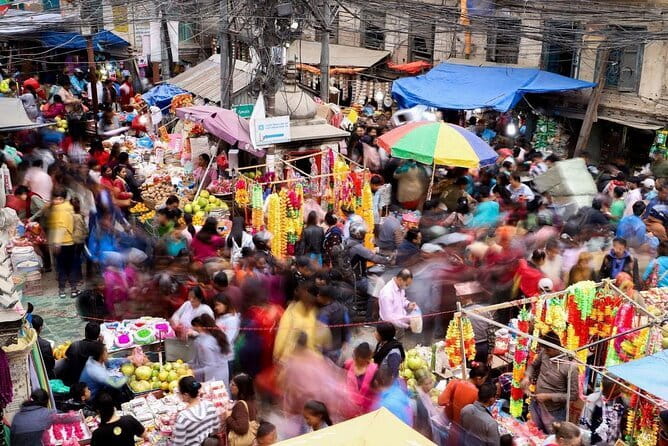
The tour includes Ason market as the oldest local market area you’ll explore on foot. Ason is known for its shops, stalls, and traditional architecture, plus the way it pulls together goods people actually use: spices, textiles, and souvenirs.
What I like about including this area is that it prevents Kathmandu from becoming only stone and ritual. Markets are also culture. You see daily commerce, you see craft and trade, and you get a sense of how the city sustains itself.
If you’re the type who enjoys small details—color of materials, the flow of foot traffic, the types of items sold—Ason is a great match. It also gives your eyes a break between the denser historic spaces.
One more practical point: because it’s a walking tour through market streets, bring sensible footwear. You’ll be on your feet for the full 2-hour slot.
How the guide connects Hinduism and Buddhism for real understanding
The tour explicitly includes exploring Hinduism and Buddhism. That’s not just a topic list. It’s what makes the route useful.
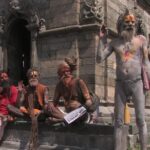
In Kathmandu, those traditions are not separate museum rooms. They show up in architecture, worship areas, and the way people relate to sacred roles. When your guide explains how the Kumari tradition fits within the broader religious landscape, the day turns from “I saw things” into “I understand why these things matter.”
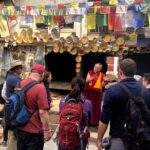
Feedback on the guide experience highlights two things you can count on: clear communication and detailed explanation. Guide Santos is specifically mentioned for being a strong communicator and providing explanations with detail. That kind of guidance is the difference between a rushed walk and an informed one.
Price and value: what $39 buys you in Kathmandu
At $39 per person for a 2-hour guided walk, this is positioned as an entry-level cultural experience. It’s not a bargain tour where you get half the context. You’re paying for an English-speaking guide, bottled mineral water, and government taxes and VATs.
But here’s the fair way to think about total cost:
- You should plan on 1000 Nepali Rupee for Kathmandu Durbar Square entry fees (not included).
- Meals are not included, so you’ll want to budget for food separately.
If you’re comparing to the price of hiring a private guide for a shorter window, $39 starts to look more reasonable. If you’re comparing to a self-walk through a guidebook, it’s obviously pricier. The question becomes simple: do you want to understand what you’re looking at while you walk, especially around the Kumari tradition?
If yes, this feels like solid value for your time.
Who should book this walking tour (and who might skip it)
This tour is a great fit if:
- You want a short, focused introduction to Kathmandu culture
- You’re curious about the Kumari living goddess role and its meaning
- You like guided walking routes where explanation is part of the experience
- You’d rather spend your limited time learning than just collecting photos
You might consider skipping if:
- You hate paying separate entry fees for major historic sites
- You want a longer itinerary or lots of free time to roam on your own
- You need a guaranteed schedule that avoids any waiting around sacred traditions (the tour data doesn’t promise that level of control)
Should you book this Ason market and Kumari tour?
I’d book it if you want an efficient Kathmandu day that connects two sides of the city: everyday market life and the sacred living goddess tradition of Kumari.
It’s especially worth it when you value guided explanation. The strong praise for the guide’s communication and detailed teaching suggests you won’t feel left to guess. Just go in with two practical expectations: the Durbar Square entry fee is extra, and this is a walking-based experience best paired with good footwear and a plan for food later.
FAQ
Where do we meet for the tour?
You meet at the main gate side of the Chhaya Devi Complex in Thamel, Kathmandu.
How long is the tour?
The duration is 2 hours.
What is included in the price?
The tour includes an English-speaking tour guide, government taxes and VATs, and bottled mineral water.
What is not included?
Meals and beverages are not included. Kathmandu Durbar Square entry fees (1000 Nepali Rupee) and personal expenses are also not included.
Is the tour conducted in English?
Yes, the tour language is English.
How does cancellation work?
You can cancel up to 24 hours in advance for a full refund.
Is there a pay-later option?
Yes. You can reserve now and pay later to keep your plans flexible.