REVIEW · KATHMANDU
12 days Annapurna Circuit Trek
Book on Viator →Operated by Magnificent Himalayan Treks · Bookable on Viator
A dawn pass, a hot-spring reset, and mountain views all day. This 12-day Annapurna Circuit route links classic villages like Manang and Ghorepani with the big moments of the trek—especially Thorong La and Poon Hill. You also get a strong support setup, with an English-speaking guide and the permits handled up front, so you spend your energy hiking instead of paperwork.
What I like most is the practical guidance and local touch. The company support is highlighted by real named staff in past trips—people like Bhim Panta and guides such as Manit (and Kumar)—and that kind of continuity matters when you’re dealing with early starts and changing trail conditions. I also like that most meals and tea-house/lodge stays during the trek are included, which keeps the budget from turning into a surprise.
A possible drawback: the days are long and the big pass crossing starts very early (waking around three in the morning), so it helps to be ready for that grind. Also, porters and travel/medical insurance are not included, so if you want a lighter pack or worry about coverage, you’ll need extra planning and cost.
In This Review
- Key highlights worth packing for
- Kathmandu to Dharapani: start with the river drive, not a scramble
- Chame and Upper Pisang: where the air changes and the trail begins to feel serious
- Manang and acclimatization: the smartest day you’ll take
- Yak Kharka to Thorong Phedi: gaining altitude the steady way
- Thorong La: the early wake-up that makes the circuit feel real
- Muktinath to Tatopani: jeep transfer plus hot springs
- Ghorepani and Kali Gandaki valley: villages, river views, and steady climbing
- Poon Hill sunrise and the Pokhara handoff: the iconic moment, then the lake city
- What the $1,100 price really includes (and how to judge the value)
- The guide factor: what past named support suggests about how you’ll feel
- Fitness, pacing, and realistic expectations for a 12-day circuit
- Who should book this Annapurna Circuit trek
- Should you book this 12-day Annapurna Circuit experience?
- FAQ
- How long is the Annapurna Circuit trek in this package?
- What’s included for accommodation and meals during the trek?
- Does the package include trekking permits for the Annapurna region?
- Is a porter included, or is that extra?
- How do you travel back from Pokhara to Kathmandu?
- Is cancellation free?
Key highlights worth packing for
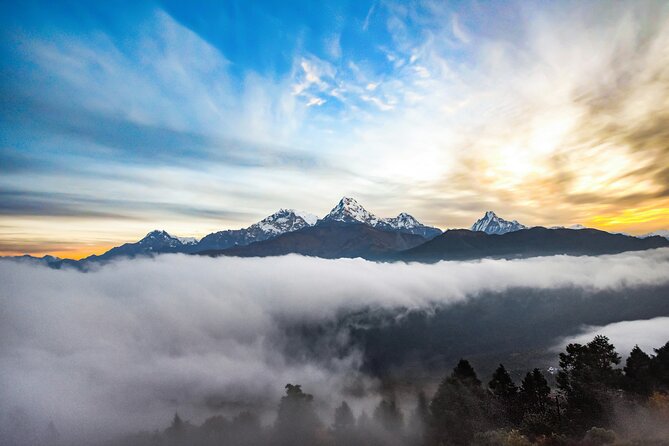
- Thorong La day with a pre-dawn start: built around that hardest early push, then payoff views afterward
- Manang acclimatization with an optional Ice Lake stroll: a smarter rhythm before higher trekking
- Tatopani hot springs transfer day: jeep ride to a lodge plus a real chance to rest
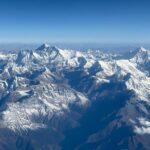
- Ghorepani and Poon Hill sunrise: a morning hike designed for the Annapurna–Dhaulagiri range view
- Permits and fees handled: ACAP and TIMS included, plus government/local taxes
Kathmandu to Dharapani: start with the river drive, not a scramble
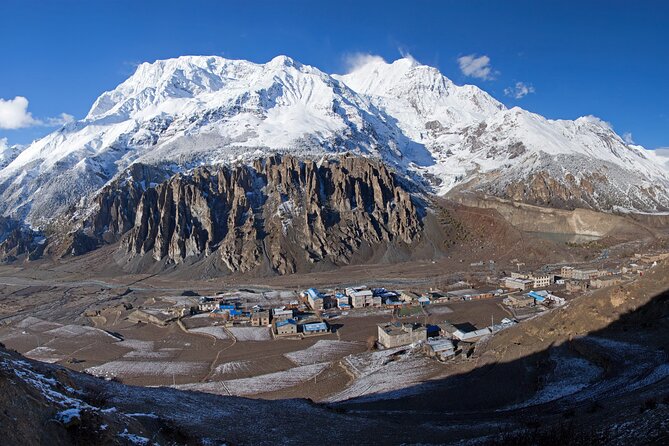
Most trekking starts with a bus to a trailhead. This one starts with a long, scenic setup day: you travel from Kathmandu to Besishar along the Trishuli river, then switch to a jeep for the ride up to Dharapani for the night. That matters because it gives you a gentler ramp-in before your first proper climb.
Dharapani is your first overnight, which is useful because you’re not trying to cram both travel fatigue and trek fatigue into the same day. It also sets the tone for a circuit trek: you’ll be moving between valleys and passes, and those transfers are a big part of the experience.
One practical note: the itinerary lists this as a full day of travel time (around 12 hours). If you tend to get stiff on long rides, plan to hydrate early and keep moving after you arrive.
You can also read our reviews of more hiking tours in Kathmandu
Chame and Upper Pisang: where the air changes and the trail begins to feel serious
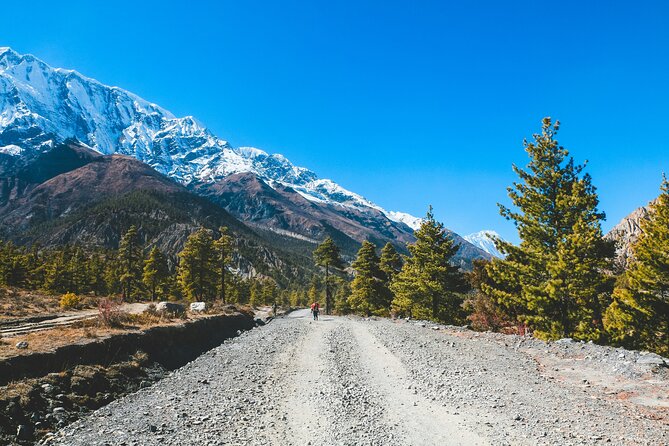
Day two takes you to Chame, the headquarters of the Manang District. This is where you start to notice the trek shifting: higher altitude, drier air, and trails that cut through rhododendron forests. It’s also a classic place to get your bearings—enough elevation gain to feel progress without immediately jumping into the highest section.
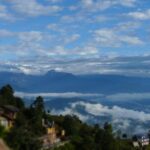
From Chame, the next day heads to Upper Pisang at about 3,300m. Upper Pisang is valuable because it’s a viewpoint town—your day ends with views over the Lamjung Himal area as morning light hits the peaks. That’s the kind of payoff that makes the “second day grind” feel worth it.
Possible drawback here is simple: these early days still take time. If you’re expecting a walk in the park, this circuit will teach you otherwise.
Manang and acclimatization: the smartest day you’ll take
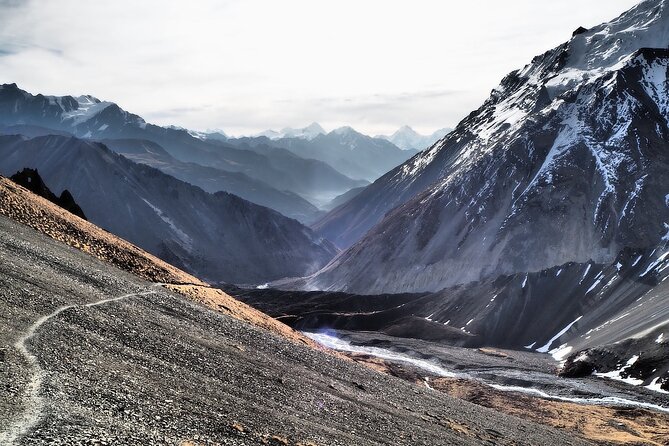
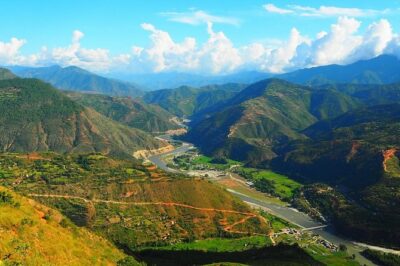
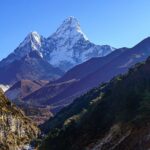
Day four moves toward Geru via Upper Pisang, with views that cover multiple major names: the north faces of Annapurna II, Annapurna III, Annapurna IV, Gangapurna, and Pisangwa Peak, plus other high peaks in the region. Even if you’ve seen mountain photos before, the way you notice the scale on a trek day is different. You’re not staring from a distance—you’re surrounded by it.
Day five is your acclimatization day in Manang, and it’s specifically built for a smarter pace. Manang sits at the base of Annapurna III and offers strong views of Annapurna and Gangapurna. You also have the option to stroll to Ice Lake. That optional nature is practical: you can do a light walk if you feel good, or keep it short if you feel the altitude.
Why this day is worth real attention: the circuit has a big altitude test later. You’re not just resting—you’re preparing your body for a day where you’ll wake early and climb into colder air.
Yak Kharka to Thorong Phedi: gaining altitude the steady way
The next stretch starts with leaving Manang and trekking up to Yak Kharka, with a route that passes through Tenki village and follows trails that cross streams. You’ll climb as you leave the Marshyangdi Valley and move northwest into the Jarsang Khola valley. This part is less about town-to-town comfort and more about settling into a rhythm: steady steps, consistent breath control, and frequent landscape checks (even though your trek is the focus).
Day seven takes you to Thorong Phedi, the foot of Thorong La pass. The route described here includes ascending a ridge, descending, and crossing the Marsyangdi river on a wooden bridge. It’s a helpful sequence because it breaks the day into pieces—climb, rest your legs on descents, then prepare for the next push.
If you’re the type who gets nervous before big mountain days, this is where you want to keep your head clear. You’re close to the pass now, and your body will respond better if you sleep well and don’t overdo it the afternoon before.
Thorong La: the early wake-up that makes the circuit feel real
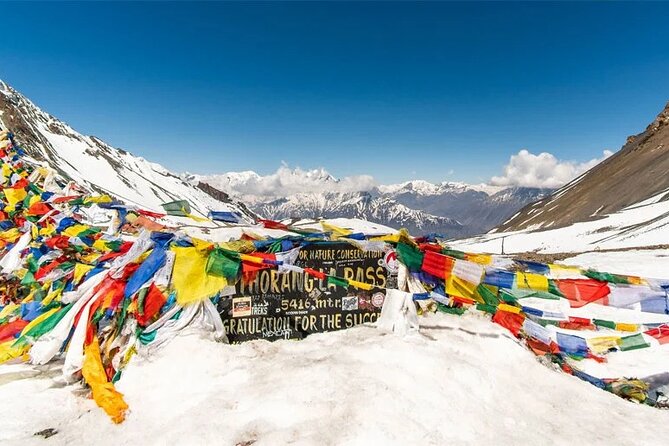
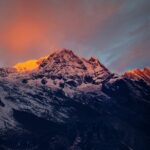
Day eight is the day everyone remembers: you hike toward Thorong La pass. The plan calls for waking around three in the morning, then climbing through the dark hours to the summit. That matters because the circuit’s hardest effort isn’t just the altitude—it’s also the timing.
A very practical expectation: weather can change fast in high places, and pre-dawn starts are designed so you’re over the pass when conditions can be safer. You’ll want layers, gloves, and a calm mindset. The itinerary doesn’t list specifics of conditions, but the schedule tells you it’s a serious mountain day.
After you clear the pass, the next part of the trek focuses on recovery and movement. That shift is important. The circuit doesn’t linger in suffering for too long. Once you’ve paid the altitude tax, you start to feel human again.
Muktinath to Tatopani: jeep transfer plus hot springs
Day nine connects Muktinath to Tatopani by jeep (about three hours). That’s a smart logistics move after a big pass day. Your body will thank you for the reduction in walking while you’re still adjusting.
Tatopani is a rest stop with the option to visit the hot springs. The plan is simple: arrive, recover at your lodge, and either relax or swim if you want to. This is also a mental break. Many trekking days require constant attention; here you get to slow down and let your muscles reboot.
If you’re traveling with a friend or family member, this is a good day to sync up and confirm everyone’s energy level. It’s early enough in the second half of the trek that you still have time to adjust pace slightly.
Ghorepani and Kali Gandaki valley: villages, river views, and steady climbing
Day ten heads toward Ghorepani, trekking through Thakali settlements such as Sikha and Chitre, then rising toward the east bank of the Kali Gandaki River. That’s a valuable blend because you’re not just walking through scenery—you’re moving through lived-in communities.
Thakali settlements can also change the feeling of the trek. The route becomes more about daily life—simple stops, practical conversations, and the sense that you’re part of a flow of people moving through the valley.
Accommodation here is tea-house style during the trek, with meals included. That reduces decision fatigue at the end of each day. You’ll still want to check where your room is and how hot it is, but you won’t be hunting for dinner like you’re backpacking fully independently.
Poon Hill sunrise and the Pokhara handoff: the iconic moment, then the lake city
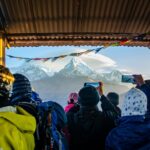
Day eleven is a two-part day. First, it’s an early Poon Hill climb for sunrise at about 3,210m, timed to see the Dhaulagiri and Annapurna range, including Machhapuchhre (Fishtail) and Annapurna. This is one of those treks within the trek: you put in effort early, then get a view reward that’s more sweeping than a typical trail perspective.
After sunrise, the plan continues with trekking toward Birethani and then taking a bus to Pokhara. That transit piece matters because it turns the mountain effort into an easier travel rhythm. Pokhara feels different—warmer, more relaxed, and built for recovery.
Day twelve then finishes with breakfast in Pokhara and a bus back to Kathmandu. There’s also an option to depart via a 25-minute flight (not included in the package). That flexibility is useful if you have tight timing in Nepal.
What the $1,100 price really includes (and how to judge the value)
At $1,100 per person, this isn’t a budget bare-bones trek. It’s priced like a trip where someone coordinates transport, guides, permits, and the bulk of lodging/food. For me, that’s the key value question: do you want to spend time organizing—or hiking?
Here’s what the package clearly covers:
- Tea-house/lodge accommodation and most meals during the trek (breakfast, lunch, dinner are included during trekking days, plus one Pokhara night with breakfast)
- Guides: government-licensed English-speaking guide, and coverage for guide meals, insurance, salary, and lodging
- Transportation segments: Kathmandu to Dharapani, plus jeep transfers around Muktinath to Tatopani and Nayapul to Pokhara, and then a tourist bus to Kathmandu
- Permits and fees: Annapurna Conservation Area Permit (ACAP) and TIMS card plus government and local taxes
- A farewell dinner in Kathmandu
What’s not included (and may matter to you):
- Insurance (any kind)
- Porters (available for $20/day, carrying up to 20 kg)
- Nepal visa cost (paid upon arrival)
- Beverages and personal expenses
So is it good value? For most people, yes—if you want a managed trek and you’ll actually use the included meals and permit coverage. The permits and TIMS fees alone are the kind of stuff that’s annoying to handle while also planning altitude days. If you already know how to DIY a trek and have insurance, the margin for value shrinks—but you’d be trading away coordination.
The guide factor: what past named support suggests about how you’ll feel
The strongest “people” signal in the feedback you provided is how responsive the team is before and during the journey. There’s mention of online consultation and quick answers from Manit, plus support from Bhim Panta and Kumar in different trip contexts. That doesn’t mean the trek will be easy, but it does mean you’re less likely to be stuck with confusion when something changes.
This matters most on a circuit because the schedule has moving parts: long travel days, early starts, and altitude days that ask you to listen to your body. A licensed English-speaking guide is exactly the kind of help that keeps you from second-guessing basic decisions.
Also: guide meals, insurance, salary, and lodging are included. That’s not a tiny detail. When those basics are handled, the team can focus on guiding rather than chasing logistics.
Fitness, pacing, and realistic expectations for a 12-day circuit
The trip asks for moderate physical fitness. That sounds reassuring, but remember: moderate doesn’t mean casual. You’ll have multiple long hiking days (many listed around 10–12 hours) plus a very early morning pass day.
You’ll get the most out of the trek if you:
- can walk for sustained periods (including uphill)
- don’t mind waking early a couple of times
- can handle some cold, especially around high-altitude sections
- are okay with tea-house style lodging (simple, warm enough, not a hotel)
If you’re unsure, the acclimatization day in Manang is your hint that this trek is designed with body management in mind. Use it. Don’t treat acclimatization like a free day to go hard.
Who should book this Annapurna Circuit trek
This trek fits best if you want:
- a guided, coordinated route with transport and permits handled
- the classic high points: Manang, Thorong La, Tatopani hot springs, Ghorepani, and Poon Hill sunrise
- a plan that still allows some flexibility (the trip notes it’s fully customizable)
You might prefer a different style of trekking if you:
- want fully independent planning
- are determined to self-handle permits and logistics
- need more detailed information on group size or trekking pace than what’s shown here
Should you book this 12-day Annapurna Circuit experience?
If you want a well-managed trek where permits, most meals, and guide support are already sorted, I’d say this is a strong match. The price makes sense when you add up coordination value: permits (ACAP and TIMS), transportation segments, tea-house meals, and a licensed English-speaking guide.
But if you don’t want long days or early wake-ups, pay attention to the schedule. The Thorong La crossing begins around three in the morning, and there are other long travel/hike days mixed in. If that sounds draining, you may want to negotiate your pace or consider a shorter alternative route.
Bottom line: book this if you’re excited by the circuit’s big moments and you’d rather spend effort on the trail than on logistics.
FAQ
How long is the Annapurna Circuit trek in this package?
The duration is listed as 12 days (approx.).
What’s included for accommodation and meals during the trek?
You get tea house/lodge accommodation with meals included (breakfast, lunch, dinner) during trekking. There’s also one night accommodation in Pokhara with breakfast.
Does the package include trekking permits for the Annapurna region?
Yes. The package includes ACAP (Annapurna Conservation Area Permit) and the TIMS card fee, plus government and local taxes.
Is a porter included, or is that extra?
Porters are not included. A porter can be arranged for $20/day, carrying up to 20 kg.
How do you travel back from Pokhara to Kathmandu?
You take a tourist bus from Pokhara to Kathmandu. The option to leave via a 25-minute flight is available but not included in the package cost.
Is cancellation free?
The policy says you can cancel for a full refund if you cancel at least 24 hours before the experience start time.