REVIEW · KATHMANDU
14 Days Everest Base Camp Trekking
Book on Viator →Operated by Hiking Himalayas Trek and Expedition Private Day Tours · Bookable on Viator
Everest Base Camp works on you slowly. You start with flights and warm Sherpa village days, then finish with glacier footpaths and big-peak mornings that feel unreal. What I like most here is the lodge-to-lodge structure (so you’re not living out of a backpack every night) and the way the trek includes real acclimatization time in Namche and Dingboche. There’s also a solid support setup with a certified English-speaking guide and an assigned porter.
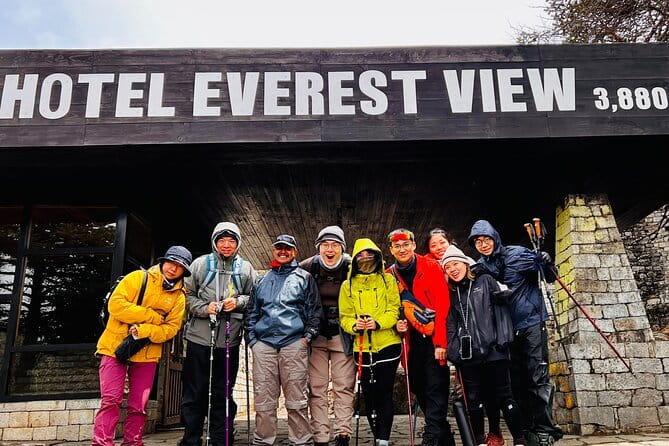
My favorite part of the itinerary is how it spaces the climbing and gives you viewpoints that actually matter: Everest View Point, then Kala Pathar. I also like that the route keeps you moving through the Khumbu’s classic flow—Dudh Koshi valley, Sagarmatha National Park entry, Tengboche area, then back toward Lukla. One drawback to consider is altitude pressure: you still need a strong fitness base because several long day hikes land you well above 3,000m.
In This Review
- Key highlights you’ll feel on this Everest Base Camp trek
- Kathmandu day and the flight moment that sets the tone
- Lukla runway to Phakding: where the trek really begins
- Through Sagarmatha National Park toward Namche Bazar
- Namche rest and Everest View Point: acclimatization with rewards
- Tyangboche: first big Everest lineup and monastery vibes
- Dingboche area: scenery, gompas, and a key altitude jump
- Dingboche acclimatization day: Tshola Tsho and old-school altitude training
- Lobuche and the Khumbu Glacier approach: where the trail feels serious
- Gorakshep and Everest Base Camp: the 5-hour magic window
- Kala Pathar sunrise energy and the return downhill
- Back through the Khumbu: Namche, birch and rhododendron, Tengboche
- The final push: Lukla downhill and a celebration night
- Flights back to Kathmandu and time to do your own thing
- Cost and value: what $1,420 really covers (and what to budget)
- What support feels like on the ground (from real guide/porter details)
- Who this trek suits best (and who should rethink it)
- Should you book this 14-day Everest Base Camp trek?
- FAQ
- What time does the trek start in Kathmandu?
- Do I need to pay for permits separately?
- Are flights included, or do I have to arrange them?
- What meals are included during the trek?
- Is accommodation included during the trek?
- How much is the Nepal visa?
- What if plans change and I need to cancel?
- Is the trek suitable for people with average fitness?
Key highlights you’ll feel on this Everest Base Camp trek
- Private group setup with a guide and porter team designed around your party size
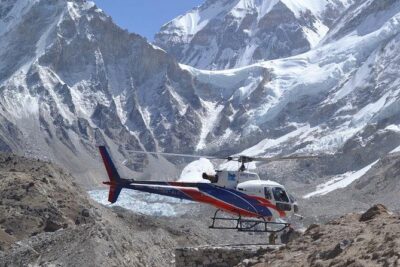
- Flights Lukla round-trip so you’re not hiking in just to reach the start
- Acclimatization days in Namche and Dingboche to help your body adjust
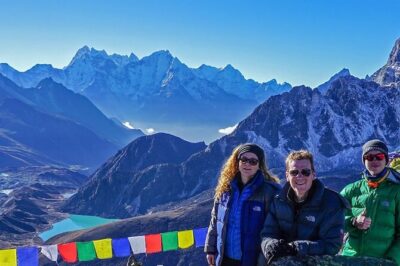
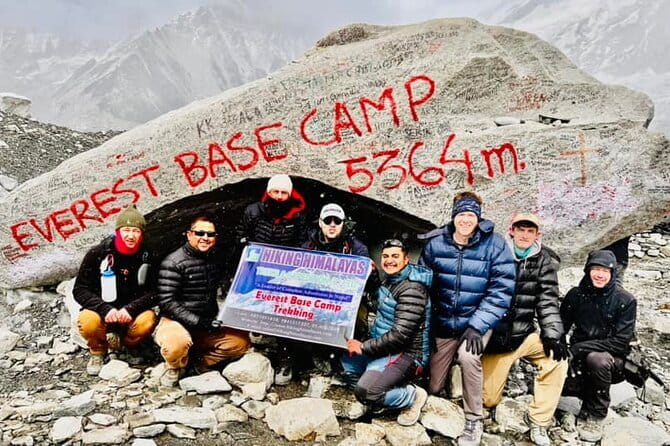
- Big-view stops at Everest View Point, Everest Base Camp, and Kala Pathar
- Permits and Sagarmatha National Park paperwork included, so you’re not juggling forms
- Trail logistics simplified with lodge stays, meals, map, and a trek achievement certificate
Kathmandu day and the flight moment that sets the tone
This trip starts with real orientation energy. You meet your team at Tribhuvan International Airport in Kathmandu at 6:15 am, and you’ll connect by ground transport in private vehicles. If you’re in Kathmandu for a day or two beforehand (or if you arrive late), the schedule is usually built so the mountain part still gets your attention early.
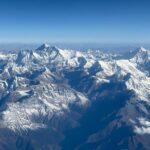
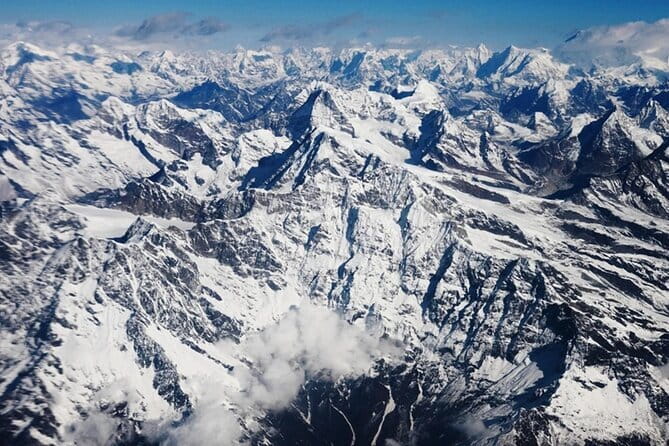
Then comes the first wow: the itinerary calls out a panoramic flight into Kathmandu on a clear day. Even if you’ve seen peak photos before, there’s something about the scale when snow lines stretch out below the plane. After that, the goal is simple: get organized, meet your crew, and prepare for the Lukla hop that starts the trekking arc.
Practical note: Kathmandu costs aren’t included for food and lodging, listed at $45 per day. That means you should budget for at least a couple meals and an extra hotel night if your flight timing doesn’t align perfectly with the trekking start.
You can also read our reviews of more hiking tours in Kathmandu
Lukla runway to Phakding: where the trek really begins
Day 2 is your jump from city life to mountain rhythm. You fly to Lukla (at 2,850m), then begin the trek to Phakding (around 2,656m). The Dudh Koshi Valley trail is well-marked, and the crossing rhythm—rivers, suspension bridges, and village turns—helps you get used to walking in thin air without an immediate brutal push.
This is also where your gear habits get tested. You’ll want to keep your layers ready because mornings can feel sharp and afternoons can warm up fast in Nepal’s mountain zones. The trek here is long enough to wake you up, but it’s not the kind of day that crushes you right away, which matters for the long arc to Everest Base Camp.
Included logistics help on this stretch. Your trip uses best available twin sharing lodges during the trek, and meals are planned (lunch and dinner days are covered on most trekking days). There’s also seasonal fruit during the trek, which is a small thing that can still feel like a luxury when you’re hiking.
Through Sagarmatha National Park toward Namche Bazar
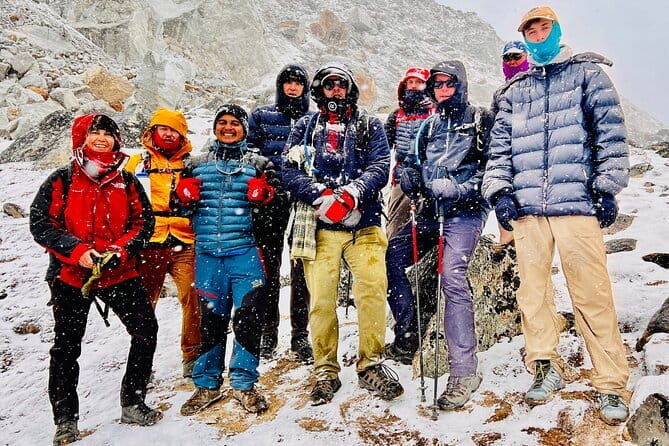
On Day 3, you move from Phakding toward Namche Bazar. The itinerary highlights repeated river crossings, with Monjo acting as the park gateway. Entering Sagarmatha National Park is a big deal in plain terms: it’s part of why the trail experience is protected, documented, and managed.
Namche Bazar is the first major altitude checkpoint in your mind. Expect a town that feels built for trekkers—lodge rows, tea shop stops, and the daily “people watching” energy you get in mountain hubs. At this point, the trek shifts from just getting from A to B into managing your pace and keeping your breathing steady.
Tip: if you tend to get excited and speed up early, this is a good day to practice restraint. The route includes long walking days (often 10 hours on several days), so saving energy for the next sections pays off.
Namche rest and Everest View Point: acclimatization with rewards
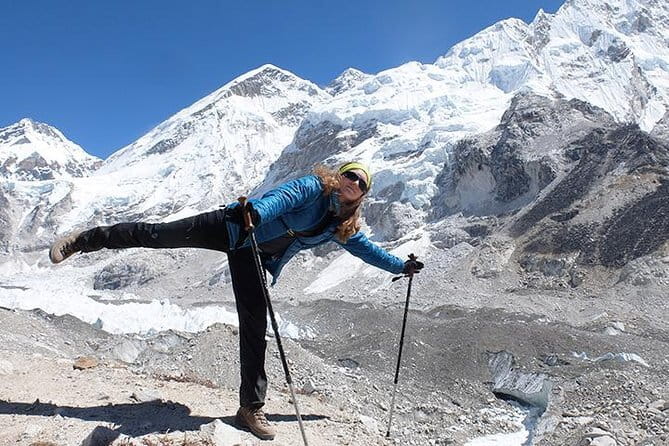
Day 4 is a rest day in Namche, with time for Everest View Point. This combo is smart because you do not just “take a day off” and hope altitude behaves. You use the day to acclimatize while still getting a worthwhile view—so the effort feels earned, not wasted.
Namche sits between ridges with major peaks around it, and that matters because cloud cover can play tricks later. Even if the weather isn’t perfect, being in Namche gives you flexibility to step out for photos and then retreat to heat up, sip tea, and regroup.
What I like here is the structure: your trek doesn’t force a constant grind upward with no breathers. That’s one reason trekkers can stick to a rhythm on later days like Lobuche and Gorakshep.
Tyangboche: first big Everest lineup and monastery vibes
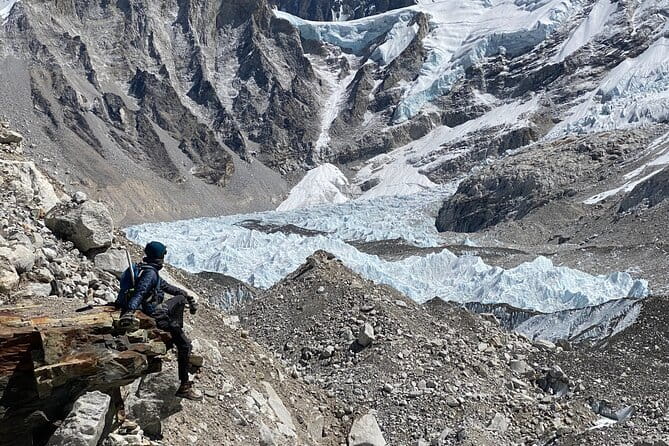
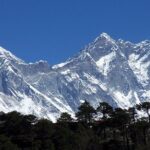
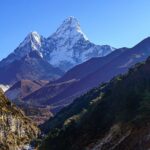
Day 5 moves you from Namche toward Tyangboche, and this is one of the itinerary’s “vision days.” The route contours along the valley side above the Dudh Kosi, and the notes call out early stand-out views of Mt Everest, Lhotse, Nuptse, and Ama Dablam. That means this isn’t just gradual altitude climbing. You’re getting the mountain “payoff” during a normal walking day.
Tyangboche area also brings a cultural slice. You’ll pass villages and likely notice the religious architecture that’s part of the Khumbu’s daily life. For many people, the best trekking memories are not only summits; they’re the moments when a village setting and a mountain view share the same frame.
Consideration: a day like this can feel long even if the altitude isn’t at its highest. If you’re sensitive to long downhill stretches, you’ll want good trekking poles and shoes with grip. The itinerary includes multiple long walking days, so foot comfort becomes part of your success.
Dingboche area: scenery, gompas, and a key altitude jump
Day 6 heads toward the Dingboche region and includes a climb to around Pangboche (3,985m), with notes about a gompa and mani walls facing the peaks. This is a good day for “slow focus.” The best approach is to keep moving, drink water steadily, and let the views land without sprinting toward the destination.
Altitude-wise, you’re getting higher, but the route includes downhill sections and river crossings too, so it’s not just one long climb. That matters because your body responds differently on constant ascents versus mixed terrain.
Practical reality: lodge life at these elevations can mean cooler evenings and less comfortable bathrooms. That’s not in the spotlight of the listing, but it’s the everyday truth of the higher Khumbu. Bring a warm layer you can wear even when you’re done hiking.
Dingboche acclimatization day: Tshola Tsho and old-school altitude training
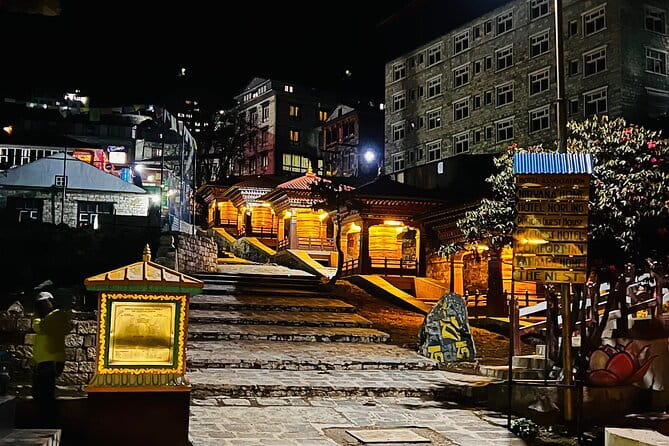
Day 7 is another rest and acclimatization day in Dingboche. The itinerary mentions wandering up to Tshola Tsho (4,510m) and looking at the dramatic walls of Cholatse and Taboche. There’s even an option to climb up to Nagarjun, described as a higher acclimatization walk.
This is where your success model clicks into place. You’re not trying to “win” the trek by going harder. You’re training your body to handle higher sleeping elevations and sharper air.
If you like structure, this day will feel reassuring: it’s planned. If you tend to get restless on rest days, treat this as a guided “active recovery” day. Slow hiking plus steady hydration is usually the sweet spot.
Lobuche and the Khumbu Glacier approach: where the trail feels serious
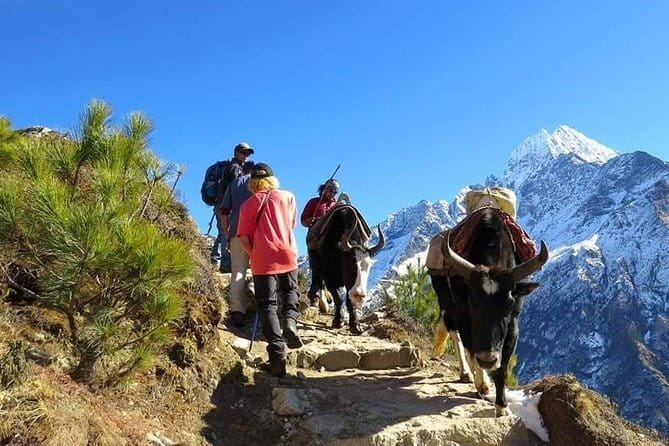
On Day 8 you head toward Lobuche, with a climb toward the foot of the Khumbu Glacier. The itinerary notes the tea house at Duglha (4620m) as a good lunch stop, which is helpful because it breaks the day into more manageable segments.
This is the day where the mood changes. The higher you go, the more the trail can feel technical—especially on sections that require careful footing. Even when it’s still just a trail, your brain understands that you’re in the glacier zone. That’s why it’s smart this part comes after acclimatization time.
You’ll appreciate having a pro guide here. The reviews highlight guide care from people like Hari and Kapil, with praise tied to calm, attentive support and smooth logistics. When you’re tired, that kind of guidance matters as much as the view.
Gorakshep and Everest Base Camp: the 5-hour magic window
Day 9 is a two-part day: Gorakshep first, then Everest Base Camp later. The route follows the Khumbu Glacier, and the itinerary calls out superb views and a trail that rises to cross a tributary glacier. Then you lunch at Gorak Shep (about 5,164m).
Later, the trek to Everest Base Camp is described as taking about 5 hours, weaving past ice pinnacles and across sections near crevasses. Reaching Base Camp at 5,364m is a big moment, and the itinerary notes that on the return you can sometimes take a higher route for a more spectacular view.
What I like about this structure is timing. You’re not rushing Base Camp as a midnight sprint. You hike up, settle into Gorakshep, and then go for the Base Camp “moment” when your body is already warmed up from the day’s walking.
Quick reality check: Base Camp isn’t a cozy victory lap. It’s cold, it’s windy, and the air is thin. Your reward is the scale of what you’re looking at, not comfort.
Kala Pathar sunrise energy and the return downhill
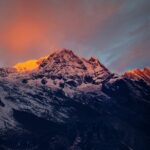
Day 10 takes you early toward Kala Pathar (5,565m), described as one of the finest Everest viewpoint mornings, with sights across peaks like Nuptse, Amadablam, Pumari, Lola, Lhumbute, and more. This is the “I can’t believe I’m here” day for many people, because Kala Pathar often gives a dramatic angle.
After that, the day is mostly downhill as you retrace and descend toward Duglha and then onward to Pheriche. The itinerary’s balance here is smart. After the high point, you want movement that helps your body reset.
Practical note: downhill can be harder on knees than uphill feels. If you’ve never done long mountain descents, take poles seriously and keep your steps short. You’ll also feel a bigger energy swing if you went too fast on the morning climb.
Back through the Khumbu: Namche, birch and rhododendron, Tengboche
Day 11 shifts your route back toward Namche and then up again toward Tengboche (around 3,860m), with birch and rhododendron forest noted. The listing includes river travel, crossings, and a climb through forest sections—so you’re not just following the same old line. The vegetation can also make the trail feel like a different world compared to the glacier edges earlier.
This is a good day for photos and for enjoying the trail’s softer side. It’s still long—often noted as about 10 hours—but the overall feel can be calmer than the upper plateau days.
If you’re sensitive to cold, forest days can help because the canopy can reduce wind, even if temperatures are still cool at altitude.
The final push: Lukla downhill and a celebration night
Day 12 follows the Dudh Kosi down to Lukla (around 2,800m). The itinerary also notes a celebration with your Sherpa guide on this final evening—exactly the kind of emotional release most people need after two weeks of focus.
This is where your body will want shortcuts. Don’t make knee-saving promises to yourself and then break them with fast walking. Keep your pace even. The last day is still a long day on uneven trail.
Why this day matters: you’ll have better perspective about what you accomplished. Two weeks of logistics, altitude, and endurance becomes one coherent story when you’re walking into the finish zone and can finally breathe easy again.
Flights back to Kathmandu and time to do your own thing
Day 13 is a flight back to Kathmandu with the rest of the day free. That freedom is useful because it lets you deal with real-life stuff: packing, shopping, postcards, or just resting your feet. It can also help if weather changes your timing—Nepal mountains don’t always cooperate with ideal schedules.
Day 14 wraps with a support team transfer to Tribhuvan International Airport for your flight home. This matters because the trek ends and you don’t have to guess transportation logistics when you’re tired.
Cost and value: what $1,420 really covers (and what to budget)
This trek is priced at $1,420 for about 14 days, and the best way to judge value is to look at what’s included versus what’s not.
Included that meaningfully reduces your stress:
- Round-trip flights Kathmandu ↔ Lukla
- English-speaking certified guide
- Essential porter support (listed as 2 trekkers : 1 porter)
- Lodge-to-lodge accommodation in twin sharing format
- Permits and government taxes/office service charge
- Most meals during the trek (breakfast and dinner listed, plus a set of lunches)
- Trekking map and a trek achievement certificate
- First aid medical kit
Not included costs you should plan for:
- Kathmandu food and lodging at $45 per day
- Travel insurance (you’ll want this for altitude trekking)
- International airfares to Nepal
- Nepal visa: $40 for 30 days obtained on arrival
- Drinks and snacks
- Hot shower: $5 per person
- Personal trekking equipment
- Tips and gratuities for staff and drivers
So the real question for you is: do you want to buy complexity or peace of mind? This package is designed to buy peace of mind. If you already have your gear and insurance lined up, the included flights and permits do a lot of heavy lifting in value.
What support feels like on the ground (from real guide/porter details)
The trek’s quality often comes down to people, not just route lines. In the available feedback, guides like Hari and Kapil earned praise for being cooperative, professional, calm, and focused on your wellbeing. Another set of guidance credits Kapil and Namo as a strong team, with the guides described as knowledgeable and friendly, and with a family-like tone for some trekking groups.
Porter support also gets named specifically: Ram and Mongol were called out for excellence. That’s not a small detail—porter care affects how you experience the trail, because you’re sharing the load burden and you’re relying on the team to keep schedules and supplies moving.
A private tour setup is also noted. That matters when you want your pace matched to your group, rather than being forced into a generic rhythm.
Who this trek suits best (and who should rethink it)
This is for you if you have strong physical fitness. The listing calls for a strong fitness level, and the itinerary includes several 10-hour hiking days plus high-altitude days. If you can handle long days on foot, keep your pace steady, and follow acclimatization guidance, you’ll likely find the structure motivating.
This is less ideal if you:
- get overwhelmed by altitude effects quickly
- need very short hiking days
- want a fully flexible itinerary with lots of unscheduled stops (this trek is planned and timed)
- can’t budget for Kathmandu costs and visa/insurance gaps
If you’re trekking with kids or family, it can still be possible, but you’ll want to be honest about the pace and your party’s stamina. The feedback includes a family trek mention, with guide teams praised for being supportive—so the idea of support is real, even if the altitude doesn’t change.
Should you book this 14-day Everest Base Camp trek?
I’d say book it if you want the classic Everest Base Camp experience with the stress removed. The route is built around acclimatization days, it includes major viewpoint targets (Everest View Point, Everest Base Camp, Kala Pathar), and it handles the big logistics like flights, permits, guides, and lodge stays.
Don’t book it blindly if you’re not ready to hike long days or if your budget is tight once you add the missing pieces: Kathmandu costs, visa, travel insurance, drinks/snacks, hot shower fees, and tips. Also, check your gear and comfort strategy before you go—your feet and warmth management are part of the trek, not optional.
If you want Everest Base Camp as a guided, well-run plan with real mountain payoff, this one fits the bill.
FAQ
What time does the trek start in Kathmandu?
The meeting point is Tribhuvan International Airport in Kathmandu with a start time of 6:15 am.
Do I need to pay for permits separately?
No. The tour includes required permits for the Everest Base Camp trek.
Are flights included, or do I have to arrange them?
Flights are included as round-trip Kathmandu to Lukla and Lukla to Kathmandu, including departure taxes.
What meals are included during the trek?
The package includes breakfast on (13) days and dinner on (11) days, plus lunch on (11) days. Drinks and snacks are not included.
Is accommodation included during the trek?
Yes. The itinerary includes twin sharing lodge-to-lodge accommodation during the trek.
How much is the Nepal visa?
The Nepal Entry visa can be obtained at the airport for USD 40 for 30 days.
What if plans change and I need to cancel?
You can cancel up to 24 hours in advance for a full refund. If you cancel less than 24 hours before the start time, the amount paid is not refunded.
Is the trek suitable for people with average fitness?
The listing says travelers should have a strong physical fitness level, and the itinerary includes long hiking days at high altitude. If you’re unsure, it’s worth honestly assessing your endurance before booking.