REVIEW · KATHMANDU
13 Days Trekking in Annapurna Circuit
Book on Viator →Operated by Blissful Himalayas · Bookable on Viator
That high pass will get your attention fast. This 13-day Annapurna Circuit trek mixes lodge-based trekking with a serious climb over Thorong La Pass, plus warm human support along the way. I like that the package handles the big moving parts (meals, tea house stays, permits, and a guide), and I also love the acclimatization day around Manang, where you can hike to viewpoints at your own pace. One consideration: you do need moderate physical fitness, and Day 11 is genuinely the hardest part of the route.
Key points that matter:
- Thorong La Pass at 5,416m: the early-start payoff is huge, but plan to go slow.
- Tea house lodging throughout: simple, practical stays after long walking days.
- Real cultural stops: Manangi and Gurung villages, plus monasteries around Manang.
- Acclimatization built in: a full day near higher altitude to help you adjust.
- Meals are covered: breakfast, lunch, dinner during the trek means fewer decisions each day.
- Guide support with names you’ll likely get: Ravi or Sandip are specifically mentioned in past trips.
In This Review
- The big idea: Why this trek feels manageable (even when it isn’t easy)
- Day-by-day route: What you’ll actually feel at each stage
- Kathmandu to Besisahar/Bulbule: start with the long scenic drive
- Bulbule to Bahundanda: gentle elevation and village rhythm
- Chamche day: forest walking and suspension bridges
- Toward Dharapani: village culture as the scenery shifts
- Chame: Manang district vibes and serious views
- Lower Pisang and Manang: village character gets more Tibetan
- Acclimatization day in Manang: your choice of hikes and viewpoints
- Toward Yakkharka: sparse terrain and big mountain glimpses
- Thorong Phedi: the staging area before the pass
- Thorong La Pass (5,416m): early start, hard effort, 360-degree reward
- Pokhara reset: drive, dinner, and planning your next move
- What you get for the price: value that’s actually practical
- The guide and comfort factor: why it shows up on the trail
- Lodges and meals: simple, not fancy, and that’s the point
- Who this trek suits best (and who should think twice)
- Should you book this Annapurna Circuit trek with Blissful Himalayas?
- FAQ
- What is the duration of this Annapurna Circuit trek?
- What is included in the trek meals and lodging?
- Do I need a guide, and is medical support included?
- Are trekking permits included?
- How do transfers work to start the trek and reach Pokhara?
- What is the cancellation policy?
The big idea: Why this trek feels manageable (even when it isn’t easy)
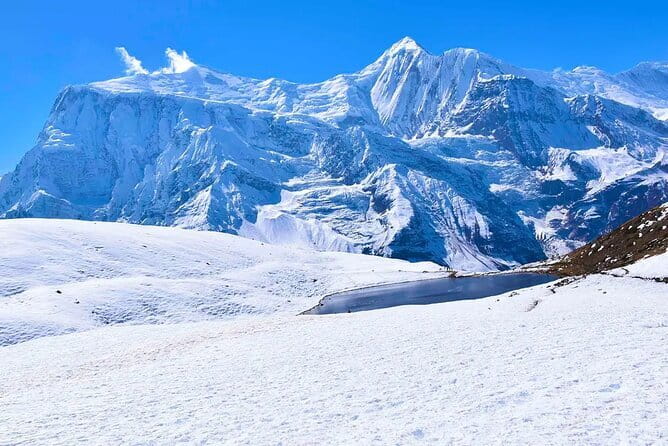
The Annapurna Circuit is known for variety: forest days, bridge crossings, terraced village life, and then that gradual push into higher altitude terrain. What makes this version feel more doable is the structure. You’re not hiking wild camping routes; it’s lodge-based trekking, with tea houses along the way. That matters because you can focus on pacing, hydrating, and taking breaks instead of solving logistics on the trail.
Also, the trek includes the things that often turn into annoyingly expensive add-ons. You get standard meals (breakfast, lunch, dinner) and tea house accommodations during the days on trek. You also get a trekking route map, plus the required Annapurna conservation permits and TIMS fee. In plain terms: fewer errands, fewer surprises, more time walking and looking.
The other underrated “value” here is support quality. Reviews from past groups highlight that the experience provider’s team is serious about comfort and good food. One traveler credited Ravi for going above and beyond with accommodations and meals. Another highlighted Sandip for professional guidance that made the trip more memorable. That’s exactly what you want on a mountain trek: someone who knows the rhythm of the days and keeps the experience steady.
Day-by-day route: What you’ll actually feel at each stage
Below is how the route comes together on your body, your schedule, and your scenery. Think of each day as a step in one long staircase: you start easier, you gain altitude, and then you hit the big wall.
You can also read our reviews of more hiking tours in Kathmandu
Kathmandu to Besisahar/Bulbule: start with the long scenic drive
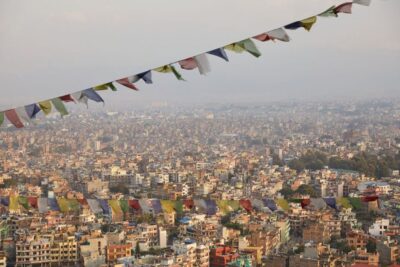
Your journey begins with an early morning drive from Kathmandu toward the starting area around Bulbule (820m), taking about 9 hours in total. This is one of those Nepal moments where you get views of the lower Himalayan region through villages, fields, and small communities.
Why it’s worth it: it gets you out of the city without wasting your first trekking day. If you’re arriving from Kathmandu the same day, this day also helps you build a buffer. You’re moving, seeing more of the country, and still saving your legs for Day 2.
Bulbule to Bahundanda: gentle elevation and village rhythm
From Bulbule, you trek toward Bahundanda, with a slow elevation gain through terraced fields and charming villages. The trail here tends to feel like a real ramp up, not a sudden jump.
What to expect: this is a great “get your footing” day. You’ll cross the kind of terrain that helps you dial in your walking tempo and pack habits. If you’re traveling with trekking poles, this is a good day to use them consistently.
Chamche day: forest walking and suspension bridges
On Day 3, the route takes you through dense forests and includes suspension bridge crossings as you head toward Chamche. You’ll likely get views of the Marsyangdi River and its tributaries as the day unfolds.
Why you’ll like it: bridges break up the monotony of hiking, and the river scenery is a nice contrast to the higher, rockier days coming later. Also, forest trail days often feel less harsh on the sun-baked parts of the route.
Possible drawback: the day includes more variety underfoot. If you don’t like uneven trail, take it easy and keep your steps short.
Toward Dharapani: village culture as the scenery shifts
Day 4 heads toward Dharapani, passing through Gurung and Manangi villages. You get a chance to experience local culture and hospitality, and the scenery shifts as altitude increases—from subtropical feel toward more alpine terrain.
This matters for you because cultural stops are more than sightseeing. They often mean a real break: you’ll spend time in places built around mountain life, not just tourism. It also breaks up the mental grind of hiking day after day.
Chame: Manang district vibes and serious views
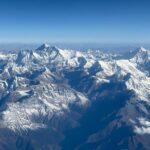
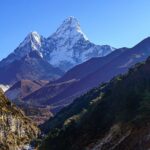
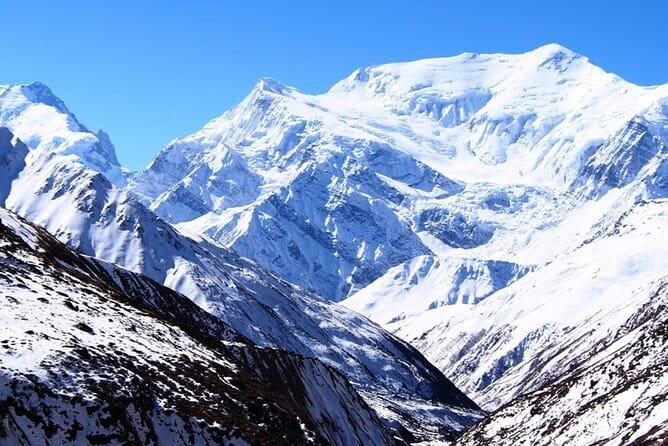
Day 5 takes you to Chame, the administrative center of the Manang District. The walking route offers strong views of mountains such as Lamjung Himal and Annapurna II, and the landscape transitions into pine forests as you climb.
What to plan for: Chame is a hub feeling town, so it’s a good day to refill on basics and adjust your routine—water intake, snack timing, and how early you want to start next day.
Lower Pisang and Manang: village character gets more Tibetan
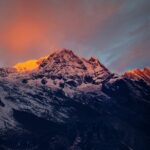
Day 6 heads from Chame toward Lower Pisang, passing through small villages and denser forests. As you approach Pisang, views of Annapurna II, III, and IV become more dramatic.
Day 7 continues onward to Manang, described as a large village with a traditional Tibetan culture and Buddhist monasteries. This is a key point: you’re nearing higher altitudes and you’ll want a proper rhythm.
Why Manang is strategically important: it’s not just a picturesque stop. It’s where your body needs time to catch up before Day 11’s pass. And if you like seeing how the mountain culture changes with elevation, this is where it becomes obvious.
Acclimatization day in Manang: your choice of hikes and viewpoints
On Day 8, you take a full acclimatization day. You can hike to Gangapurna Lake or take a short trek to Praken Monastery for panoramic views of Gangapurna, Annapurna III, and Himalchuli.
I like this setup because it’s flexible. You can keep it light, or you can go for a bigger viewpoint walk without the pressure of needing to cover a long distance. It’s the kind of day that can make later altitude feel less brutal.
Practical note: even if you choose a short hike, go slow. Acclimatization days work best when you treat them as body prep, not fitness challenges.
Toward Yakkharka: sparse terrain and big mountain glimpses
Day 9 takes you from Manang toward Yakkharka, with sparse forests and higher-altitude landscapes. You’ll get incredible views of Annapurna II and Gangapurna as you approach Yakkharka, and you overnight there.
What this day feels like: the “mountain presence” increases. The trail may feel quieter, with fewer trees and more open views. That can be refreshing, but also a reminder that weather and temperature can change quickly at altitude.
Thorong Phedi: the staging area before the pass
Day 10 brings you to Thorong Phedi, the base camp area for Thorong La Pass. The trail gets steeper as you reach higher altitudes, so the theme here is patience.
This is one of the most important days even though the distance is often less talked about than Day 11. Get through it calmly. Eat well. Rest. Your pass day depends on how you treat your energy.
Thorong La Pass (5,416m): early start, hard effort, 360-degree reward
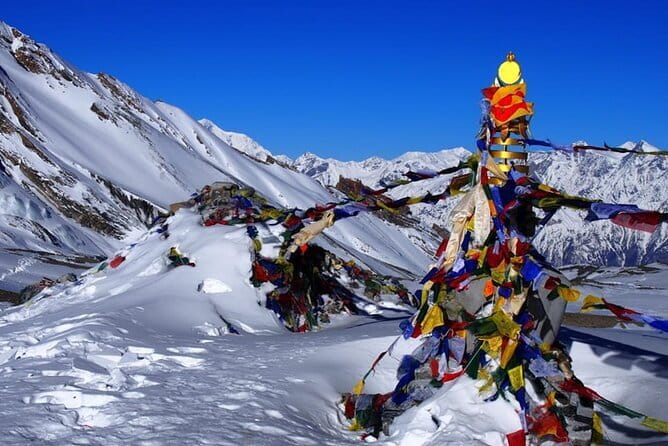
Day 11 is the big one. You start early for the climb over Thorong La Pass at 5,416m. It’s described as demanding, but the views from the top are awe-inspiring with 360-degree panoramas of the Himalayas.
How to make this day work: don’t manage it like a race. Treat it like a controlled climb. Short steps, steady breathing, and frequent small pauses usually beat trying to force a faster pace.
A realistic consideration: this is your hardest day on the trek. If you’re carrying a heavy pack, you’ll feel it most here. If you’re someone who prefers help, check about porter options in advance since porters are not listed as included.
Pokhara reset: drive, dinner, and planning your next move
After the long trekking stretch, Day 12 shifts you into travel mode with a drive to Pokhara by bus. You’ll also share a successful dinner together with the team, which is a nice way to close the loop on the shared effort.
Day 13 is flexible. After trekking ends, you can continue in Pokhara, do Chitwan National Park, drive back to Kathmandu, or choose another plan. The trip is set up so you’re not locked into only one ending.
What you get for the price: value that’s actually practical
This tour is listed at $809.10 per person for roughly 13 days. For a Himalaya trek, that price makes sense only if you look at what’s included versus what usually costs extra.
Included highlights that reduce your stress:
- Tea house accommodations during the trek (not camping gear logistics)
- All standard meals during trekking days (breakfast, lunch, dinner)
- A cup of tea/coffee during breakfast time
- A licensed guide plus first-aid support and an oximeter
- Permits (Annapurna Conservation Permits and TIMS)
- Transportation: public bus from Kathmandu to Besisahar and sharing transportation to Nyadi, plus private transportation from the trek ending point to Pokhara
Not included items to factor into your budget:
- Personal expenses
- Porter for baggage (if you need one)
- Extra hotel nights/activities in Kathmandu and Pokhara
- Transportations back to Kathmandu
- Nepal entry visa fees and the on-arrival visa form timing
My take: the biggest value is the combination of route coverage (meals + lodging + guide) and the paperwork (TIMS and conservation permits). Those details matter when you’re trying to keep the trek calm and straightforward.
The guide and comfort factor: why it shows up on the trail
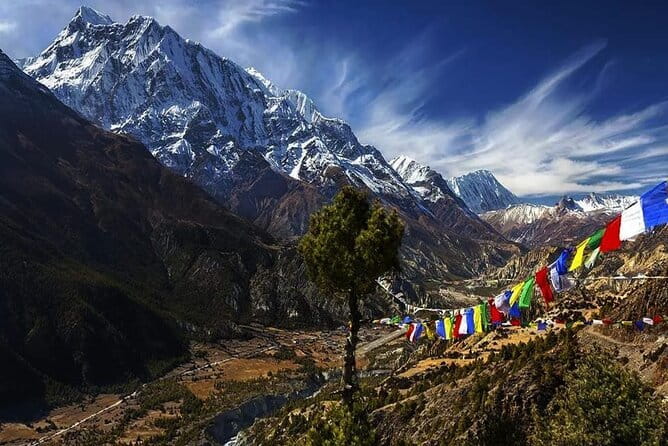
When you’re hiking at altitude, small things become big things. Past trekkers specifically called out that guides helped with comfort and strong food, and they praised the professionalism and care. Ravi is mentioned as ensuring travelers stayed comfortable with good accommodations and excellent food choices. Sandip is mentioned for professional guidance that made the experience more memorable.
That kind of support matters most on the hard days. It’s not just about route knowledge. It’s also about practical decision-making: pacing expectations, when to take breaks, and keeping your day-to-day routine steady so you don’t burn out early.
Also, it’s reassuring to see that the trek includes a first aid box with normal medical supplies and an oximeter. You hope you won’t need it. Still, it’s one of those details that signals seriousness.
Lodges and meals: simple, not fancy, and that’s the point
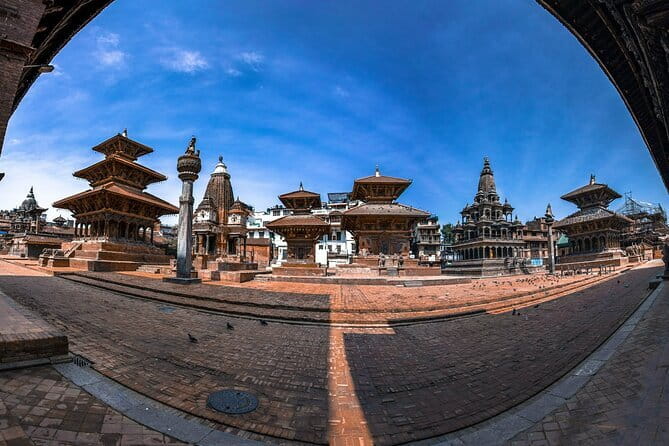
Because this is a lodge-based trek, you’ll sleep in tea house accommodations rather than carrying tents and cooking gear. Meals are included for breakfast, lunch, and dinner during trekking days, which means less decision fatigue.
Here’s the trade-off: tea houses are practical. Don’t expect luxury. But you will get warm meals, a place to rest, and the kind of consistency that helps your body recover.
If you’re picky about food, this is worth thinking about. The data only says standard meals are included, not specific cuisines. Still, the reviews highlight good food, which is a good sign that the team isn’t treating meals like an afterthought.
Who this trek suits best (and who should think twice)
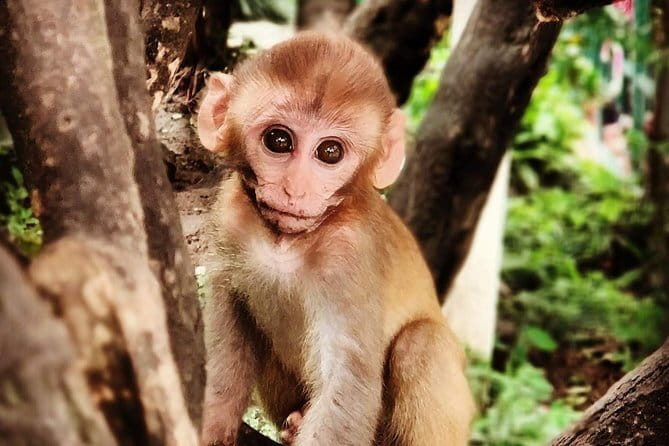
This experience is designed for people with moderate physical fitness. It’s best for you if:
- you want the classic Annapurna Circuit route with lodges and meals handled
- you appreciate a guide who manages logistics and daily pacing
- you want a built-in acclimatization day in Manang before the pass
You might want to think twice if:
- you’re not comfortable with a very demanding highest point day (Day 11 over Thorong La Pass)
- you rely on a porter for baggage, since porter service isn’t listed as included
- you want a strict travel pace with minimal travel days; your schedule includes a long scenic drive into the trek and then a drive to Pokhara
Should you book this Annapurna Circuit trek with Blissful Himalayas?
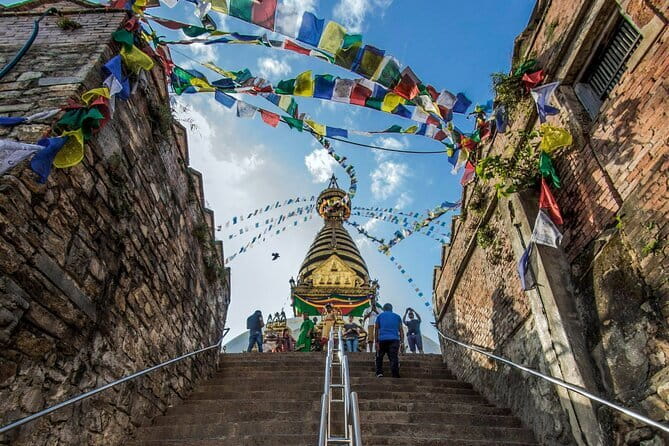
If you want the Annapurna Circuit experience without turning your trip into a logistics puzzle, I think this one is a strong match. The included meals, tea house lodging, route map, permits, and guide support do a lot of heavy lifting. And the presence of an acclimatization day in Manang is exactly what makes a pass trek feel smarter, not just harder.
Book it if:
- you’re aiming to hike Thorong La Pass and you want help making each day run smoothly
- you value comfort and good organization as much as scenery
- you like the idea of closing with a Pokhara dinner and time to keep traveling afterward
One smart pre-check before you book: think honestly about how you’ll handle the hardest day and whether you want to budget for porter help. If you set yourself up well for Thorong La Pass day, the rest of the route tends to fall into place.
FAQ
What is the duration of this Annapurna Circuit trek?
It’s listed as 13 days (approx.), starting from Kathmandu and including trekking time plus drives to and from Pokhara.
What is included in the trek meals and lodging?
The tour includes tea house accommodations during the trek and all standard meals (breakfast, lunch, and dinner) during the trekking days.
Do I need a guide, and is medical support included?
Yes, there is a government-licensed experienced helpful and friendly guide. A first aid box with normal medical supplies and an oximeter is also included.
Are trekking permits included?
Yes. Annapurna Conservation Permits fees and the TIMS fee are included.
How do transfers work to start the trek and reach Pokhara?
There is public bus transportation from Kathmandu to Besisahar and sharing transportation to Nyadi. Private transportation is provided from the trek ending point to Pokhara.
What is the cancellation policy?
Free cancellation is available if you cancel up to 24 hours in advance of the experience start time for a full refund. If you cancel less than 24 hours before the start time, the amount paid is not refunded.