REVIEW · KATHMANDU
Luxury Tour of Nepal
Book on Viator →Operated by Prime Himalayas · Bookable on Viator
Few countries do this much variety in one week.
This Luxury Tour of Nepal strings together UNESCO Kathmandu icons, two full safari days in Chitwan National Park, and a Pokhara side with lake time and Himalayan sunrise views. I like that the plan stays structured but not rigid, and I also like the clear comfort focus (good accommodations, private group travel, and meals included). A key consideration: Kathmandu entrance fees and many Kathmandu/Pokhara meals aren’t included, so you’ll want to plan a little extra cash.
On top of the sights, I like the human touch. The Prime Himalayas team (including Prakash) is described as meeting guests daily and solving issues quickly, which matters when you’re hopping between cities and early-morning views. One more thing to think about: the timing hinges on decent weather, especially for sunrise viewing at Sarangkot.
In This Review
- Key highlights worth caring about
- Why this Nepal week works: UNESCO Kathmandu, Chitwan wildlife, then Pokhara
- Price and value: what $1,612.20 buys you (and what it doesn’t)
- Day 1 in Kathmandu: arriving, meeting, and getting your feet under you
- Kathmandu UNESCO in one packed day: Swayambhunath, Patan Durbar Square, Pashupatinath, Boudhanath
- Swayambhunath Temple
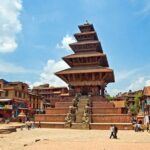
- Patan Durbar Square
- Pashupatinath Temple
- Boudhanath Stupa
- Getting to Chitwan: the drive you’ll actually notice (and why it’s worth it)
- Chitwan safari days: jeep safari, canoe ride, sunset, Tharu culture, and a village walk
- Pokhara: Phewa Lake private boating as your reset
- Sarangkot sunrise, Gupteshwor cave, International Mountain Museum, and Barahi Temple
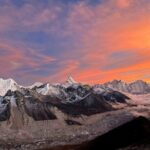
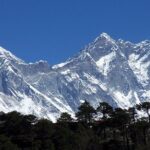
- Sarangkot for panoramic Himalaya views
- Gupteshwor Mahadev Cave
- International Mountain Museum
- Barahi Temple
- Back to Kathmandu: drive home, farewell dinner, and a five-star finish
- Service style and comfort: where the luxury really shows
- Should you book this luxury Nepal tour?
- FAQ
- FAQ
- How long is the Luxury Tour of Nepal?
- Where does the tour start and end?
- What time does the tour begin?
- Is this a private tour?
- What’s included with meals?
- Are Kathmandu entrance fees included?
- Are Chitwan activities included?
- Are drinks included?
- Do I get tickets electronically?
- What happens if weather is poor?
- My final take: book it or keep browsing?
Key highlights worth caring about
- Four major Kathmandu UNESCO stops in one day (Swayambhunath, Patan Durbar Square, Pashupatinath, Boudhanath)
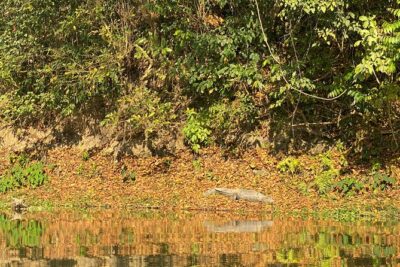
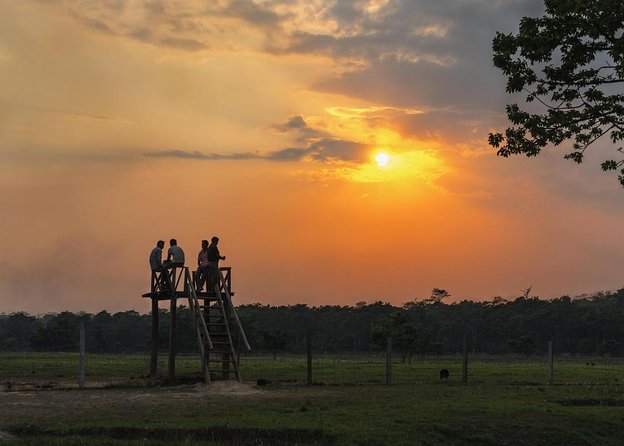
- Chitwan with multiple safari styles: jeep safari, canoe ride, sunset, plus Tharu cultural show and a village walk
- Two different Pokhara moods: private boating on Phewa Lake, then sunrise at Sarangkot
- Sightseeing that stays practical: cave visit, museum time, and a temple stop on the Pokhara loop
- Private group experience: only your group participates, with a set start time at Norbulinka Boutique Hotel
Why this Nepal week works: UNESCO Kathmandu, Chitwan wildlife, then Pokhara
If you’re planning your first Nepal trip, it can be hard to get the “best of” without feeling like you’re on a nonstop conveyor belt. This tour earns its luxury label by giving you three very different slices of Nepal, each with its own pace and payoff.
Kathmandu is for heritage and spiritual sites. Chitwan is for wildlife and cultural rhythm. Pokhara is for lighter, scenic days that still feel meaningful. That flow matters because Nepal can be intense: altitude, crowds, traffic, and long drives. Here, the tour spreads the intensity across the week instead of stacking it all in one place.
I also like that the itinerary is built around experiences you can’t easily DIY without extra hassles. For example, the Chitwan days aren’t just “go see animals,” they include set safari formats (jeep plus canoe), a cultural show, and a village walk. That combination is the difference between a checklist day and a full memory.
You can also read our reviews of more tours and experiences in Kathmandu
Price and value: what $1,612.20 buys you (and what it doesn’t)
The price is $1,612.20 per person for about 7 days. That sounds steep until you look at what it covers and what it avoids making you manage.
What’s included (meals and core activities):
- 3 dinners
- 6 breakfasts
- 2 lunches
- Chitwan park-area activities (included ticket coverage on the safari days)
- Pokhara activities ticket coverage on the Phewa Lake boat day and the Sarangkot/Cave/Museum/Barahi day
What’s not included (where your budget can grow):
- Entrance fees in Kathmandu
- Lunch and dinner in Kathmandu and Pokhara
- Drinks and personal expenses
- Guide and driver “gratitude” (tip expectations, basically)
So here’s the real money advice: this tour is best viewed as a bundle of transportation + curated activities + hotel quality + part of your meals. If you’re hoping for a completely fixed-cost week where every meal and fee is covered, you’ll need to add some buffer for Kathmandu entrance fees and eating out a few times in the cities.
Also, private doesn’t mean chaotic. Because it’s a private tour (only your group), you’re not bargaining with strangers about timing, photo stops, or where to pause. That’s part of the value you’re paying for.
Day 1 in Kathmandu: arriving, meeting, and getting your feet under you
Your day starts with a simple meet-and-greet at Norbulinka Boutique Hotel at about 9:15 am. On day one, there’s no sightseeing rush—just a reset. That’s smart in Kathmandu. You’ll be dealing with jet lag, altitude adjustment (even if it’s subtle), and the city’s traffic reality. A low-key start keeps the week from feeling like a punishment.
You’ll also be close enough to public transportation that you’re not boxed in if you decide you want one extra snack run or a short walk. The tour ending point is the same meeting spot, which is helpful for planning your last evening.
What I’d watch for on day one: keep it easy on your first day. Don’t stack a “must see everything” mood on top of the travel day. You’ll get plenty to do starting tomorrow.
Kathmandu UNESCO in one packed day: Swayambhunath, Patan Durbar Square, Pashupatinath, Boudhanath
Day 2 is the heritage heavy hitter. You visit four major religious and historic sites in one run, with each stop timed for a focused look rather than a long grind.
Here’s what each one gives you:
Swayambhunath Temple
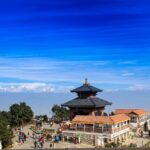
This is a World Heritage Site with big, recognizable presence. Expect an atmosphere built around worship and viewpoint energy. Your time is about 1 hour, and the admission ticket isn’t included—so plan for that extra cost.
Patan Durbar Square
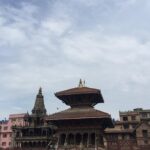
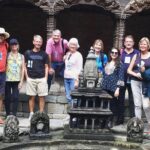
Patan’s old royal square is known for wooden carvings, temples, and museum space. The stop is about 1 hour 30 minutes, which is a good length for both looking up at architecture and taking a slow lane through smaller details. Again, admission fees are not included.
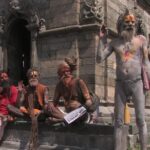
Pashupatinath Temple
This is a major Hindu heritage site. It’s also an active place of life and death rituals, including cremation of dead bodies. Your stop is about 1 hour. If you prefer more general sightseeing and less spiritual intensity, this can feel overwhelming—but it’s also part of what makes Nepal real.
Boudhanath Stupa
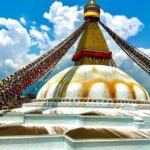
You finish at a stupa that’s known as the biggest in the area. Your time here is about 1 hour, and it’s admission-excluded. The stupa setting is a strong contrast to the other stops: it’s more about prayer rhythms and fewer urgent motions than a temple courtyard can be.
Practical tip: Wear shoes you can walk in. Kathmandu stone can be slippery and uneven, and you’ll be bouncing between different site layouts in a short window.
Possible drawback: because all four sites are clustered into one day, it’s not a good fit if you hate early starts or long walking loops. You’ll see a lot, and you’ll feel it by the end.
Getting to Chitwan: the drive you’ll actually notice (and why it’s worth it)
Day 3 moves you to Chitwan National Park, about 100 km away. The drive takes around 4 hours. This is one of those parts of Nepal travel that doesn’t disappear just because the tour is “luxury.” Roads can still be roads.
You’ll have lunch and then start safari-style activities the same day. The ticket for Chitwan activities is included, which helps because park pricing can vary by activity type.
What I like about this setup is that it gets you into the main experience without adding an extra “travel day” that steals time. After hours on the road, you still get to do something that feels like Nepal—not just a transit shuffle.
Chitwan safari days: jeep safari, canoe ride, sunset, Tharu culture, and a village walk
Day 4 is the full safari day, and it’s packed. You’ll spend about 9 hours in Chitwan with multiple experience formats:
- Canoe ride
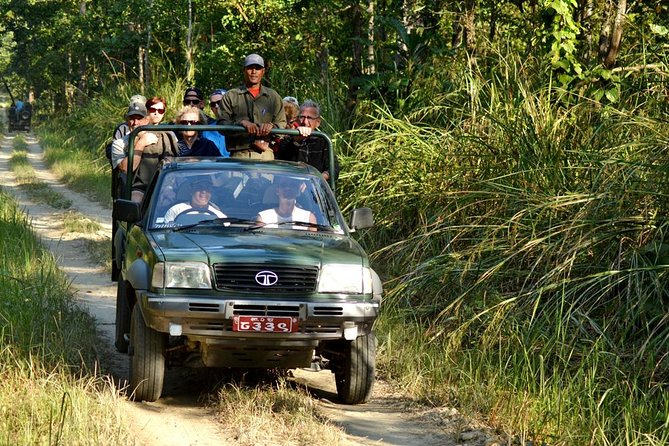
- Jeep safari
- Sunset viewing
- Tharu cultural show
- Village walk
This matters because wildlife-viewing in Chitwan isn’t one-size-fits-all. The jeep gives you speed and scanning ability across wider areas. The canoe ride can offer a quieter perspective and a different kind of wildlife chance. Layering them increases your odds of seeing something impressive, and it keeps the day from feeling repetitive.
Then there’s the human side. The Tharu cultural show adds local storytelling and performance, and the village walk gives you a glimpse into daily life beyond the park boundary. If you only did a safari drive, your understanding of Chitwan would be thinner. This tour fills that gap.
Small consideration: these are long days. If you’re sensitive to heat or you don’t enjoy waiting quietly for animals, pace yourself with water and snacks (drinks aren’t included, remember). The schedule is meant to maximize time outdoors, not to babysit comfort.
Pokhara: Phewa Lake private boating as your reset
After Chitwan, you drive from Chitwan to Pokhara. Day 5 begins with check-in and then pivots into a calmer experience: a private boating tour on Phewa Lake.
The ride is timed for about 1 hour. The ticket is included for the activity. This is the kind of day that helps your brain shift gears. After safari intensity, you get water views, a slower horizon, and a break from temple crowds.
Why Phewa Lake works here: it’s a scenic centerpiece that fits anyone’s fitness level. You don’t need to hike. You just need to show up, relax, and let the scenery do its job.
Tip for your own comfort: bring something light for sun and wind. Lake air can swing from warm to cool fast, depending on the day.
Sarangkot sunrise, Gupteshwor cave, International Mountain Museum, and Barahi Temple
Day 6 is the Pokhara classics loop, with multiple stops that each scratch a different itch.
Sarangkot for panoramic Himalaya views
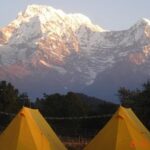
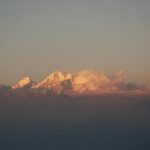
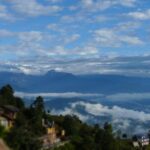
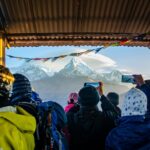
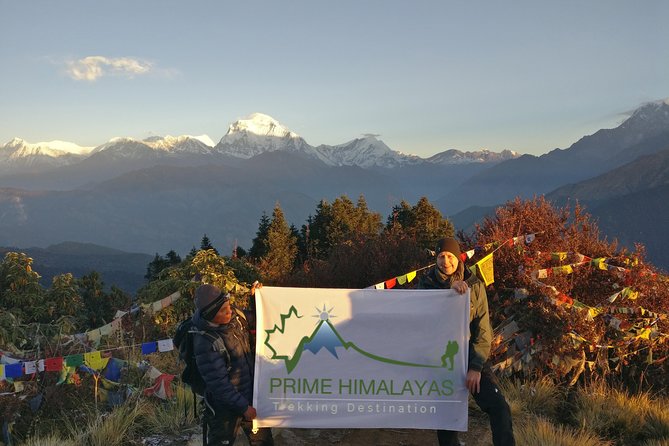
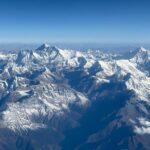
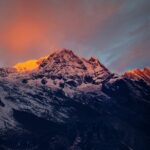
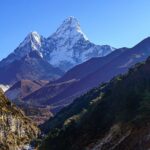
This is the early-morning draw. Sarangkot is described as the best place for sunrise and wide views of the Himalayas. The stop is about 1 hour, and you’ll get the point fast—if weather is cooperative.
Here’s the catch: this experience requires good weather. If clouds or rain show up, you might miss the full sunrise payoff. The tour operator notes that if it’s canceled due to poor weather, you’ll be offered a different date or a full refund.
Gupteshwor Mahadev Cave
Next is Gupteshwor Mahadev Cave, a popular cave stop of about 30 minutes. It’s included, so you’re not juggling tickets on top of the schedule. Caves add a different texture to Pokhara: less view-heavy, more “step into a rock story.”
International Mountain Museum
This is your educational pause, around 1 hour. A museum can feel optional on trips like this, but it’s a nice counterweight to view-only sightseeing. It helps turn mountain scenery into context.
Barahi Temple
You end with Barahi Temple, a popular stop lasting about 30 minutes. It’s short but satisfying—small enough to keep the day moving, long enough to get a feel for the place.
Practical note: This day includes both viewpoint time and indoor/stone time. Plan to be flexible with energy. You’ll likely do best if you treat it as a “morning and afternoon mission” rather than a long, all-day sprint.
Back to Kathmandu: drive home, farewell dinner, and a five-star finish
On day 7, you head back from Pokhara to Kathmandu, a 6–7 hour drive. It’s a long sit, so it’s good that the day isn’t loaded with additional stops. After arriving back at the hotel, you close the tour with a farewell dinner and Nepali cultural show lasting about 1 hour 30 minutes.
The overview also mentions “best accommodation” and a last night stay at Nepal’s first five-star hotel. The exact hotel name isn’t listed here, but the point is clear: you end the trip with polish instead of a bland final night.
Why this ending works: it gives you something to look forward to even when you’re tired from the drive. A cultural show at the end is a good way to summarize what you just saw: heritage, wildlife, and local life in one final evening.
Service style and comfort: where the luxury really shows
This tour is sold as luxury, but “luxury” can mean different things. In this case, the clearest signal is operational smoothness and service attention.
In past feedback, the Prime Himalayas team (including Prakash) is described as meeting guests daily and sorting out issues quickly if something comes up. That matters because Nepal travel isn’t always predictable. Weather can change. Roads can slow you down. Plans can need minor adjustments. Having a team that stays responsive can turn a stressful moment into a small bump.
Also, the tour is private, and you’re traveling with only your group. That reduces friction. You’re not getting stuck behind someone who wants to pause for 20 minutes at every doorway. It also tends to make guides feel more like partners than crowd managers.
Should you book this luxury Nepal tour?
I’d book this tour if you want a first-time-friendly best-of week: UNESCO heritage in Kathmandu, real wildlife-focused time in Chitwan, and Pokhara sightseeing that’s scenic without requiring hiking skills.
You might skip it if:
- You don’t like long driving days (Chitwan to Pokhara and back to Kathmandu are big time blocks).
- You want every meal and every fee included—here, Kathmandu entrance fees and many city meals aren’t covered.
- Weather-sensitive plans frustrate you. Sunrise at Sarangkot is a major selling point, and the tour notes it depends on good weather.
FAQ
FAQ
How long is the Luxury Tour of Nepal?
It’s listed as 7 days (approx.).
Where does the tour start and end?
It starts at Norbulinka Boutique Hotel in Kathmandu (near गा: हिटी सडक, Kathmandu 44600, Nepal) and ends back at the same meeting point.
What time does the tour begin?
The start time is 9:15 am.
Is this a private tour?
Yes. It’s private, meaning only your group participates.
What’s included with meals?
The package includes 3 dinners, 6 breakfasts, and 2 lunches.
Are Kathmandu entrance fees included?
No. Entrance fees in the Kathmandu tour are not included.
Are Chitwan activities included?
Yes. The Chitwan National Park activities on the safari days are listed with admission included.
Are drinks included?
No. Drinks are listed as not included, along with personal expenses.
Do I get tickets electronically?
The tour includes mobile ticket support.
What happens if weather is poor?
This experience requires good weather. If it’s canceled due to poor weather, you’ll be offered a different date or a full refund.
My final take: book it or keep browsing?
If you want a smooth, curated week that combines heritage + wildlife + Pokhara views without managing the details yourself, this is a strong pick. I especially like how the week alternates energy levels: temples, then safari, then lake and sunrise. Just budget for Kathmandu entrance fees and extra meals in Kathmandu and Pokhara, and you’ll be set.