REVIEW · KATHMANDU
Kathmandu Food Crawl & Market Tour
Book on GetYourGuide →Operated by Santosh Pandey · Bookable on GetYourGuide
One walk, and your taste buds get educated. This Kathmandu food crawl is built around local markets and the kind of street-level eating you usually only find by following someone who knows the neighborhood.
I especially liked the focus on Newari cuisine and market culture, not just random snacks. The tour also delivers serious value for time: you’re given multiple food and drink samples, enough that it can feel close to a small meal.
One thing to consider: this is a walking food tour in a market setting, so if you hate crowds, strong smells, or spicy food, you’ll want to speak up early and pace yourself.
In This Review
- Key highlights you’ll care about
- Why This Kathmandu Food Crawl Feels Like Market Life, Not a Food Checklist
- Meeting at Chhaya Center and Getting Your Bearings Fast
- Ason Bazar: The Old Market That Explains the City Through Food
- What’s special about Ason Bazar for food lovers
- A small reality check
- Newari Cuisine: The Tour’s Strongest Thread
- Why this matters for your trip
- Street Food Picks You Can Expect to Taste Along the Way
- What the Tasting Portion Feels Like (And Why It’s Worth It)
- Value check: $28 for 2 hours
- Guide Impact: Santosh Pandey and the Culture Talk That Makes Food Make Sense
- Practical Tips Before You Go (So the Market Doesn’t Beat You)
- Who This Tour Fits Best
- Should You Book Kathmandu Food Crawl & Market Tour?
- FAQ
- FAQ
- How long is the Kathmandu Food Crawl & Market Tour?
- What is the meeting point for the tour?
- Is the tour guide English-speaking?
- What food and drinks are included in the price?
- Where does the tour take place?
- How much does the tour cost?
- Is there free cancellation?
Key highlights you’ll care about
- Ason Bazar market time: you’ll spend your money and calories where locals actually shop and eat
- Newari flavors on purpose: foods tied to Newar tradition, including items like yomari and samay baji
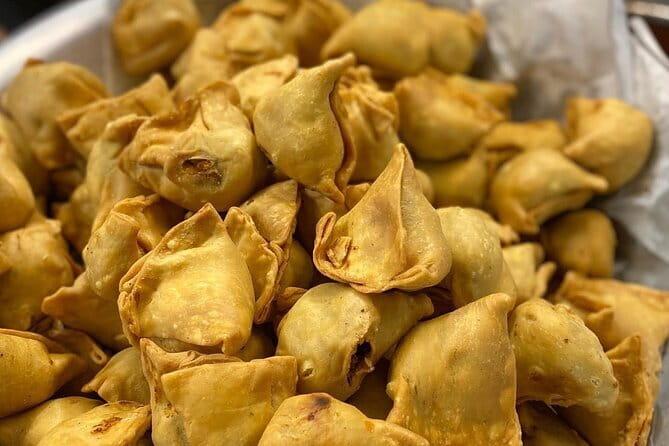
- Street food variety, not one-note eating: expect classics like momo, chatamari, and laphing-style noodles
- A real market guide makes it work: Santosh Pandey shares context about culture and daily life
- You leave full: samples can add up to close to two full meals’ worth of food for many people
Why This Kathmandu Food Crawl Feels Like Market Life, Not a Food Checklist
Markets in Kathmandu are more than places to buy things. They’re social hubs where food, religion, craft, and family routines all overlap. That’s what makes this 2-hour crawl different from the typical street-food “grab-and-go” experience.
I like that the plan centers on an old and famous market: Ason Bazar, described as the oldest local market in Kathmandu. If you’ve ever wandered too long without knowing what to try, you’ll get why this matters. With a guide, the market becomes readable.
You can also read our reviews of more food & drink experiences in Kathmandu

Meeting at Chhaya Center and Getting Your Bearings Fast
The tour starts at the main gate of Chhaya Devi Complex, and you keep things simple by returning there at the end. That matters because Kathmandu can feel like a maze when you’re hungry. A clear meeting point also helps you avoid the stress of trying to coordinate last-minute directions.
Once you meet your guide—Santosh Pandey is the one named for this experience—the tone shifts quickly from sightseeing to eating. Santosh doesn’t just point at stalls; he also talks through what you’re seeing and how Nepali food fits into everyday life.
Ason Bazar: The Old Market That Explains the City Through Food
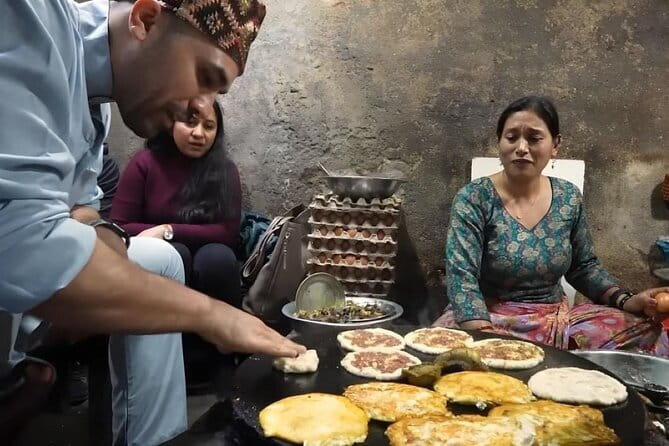
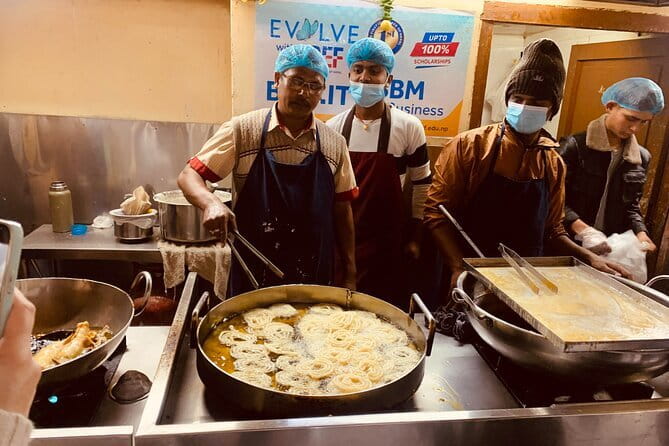
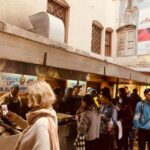
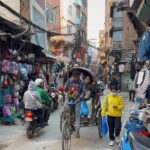
Spending time in Ason Bazar is the heart of this tour. This is where the city’s day-to-day rhythm is easy to notice: people buying ingredients, snack breaks, quick errands, and chatter between generations.
What you’re buying isn’t just food. It’s also craft and culture. The tour highlights the traditions tied to Newars and other local cultures, which is one reason this walk feels more meaningful than a menu run.
What’s special about Ason Bazar for food lovers
You get variety in a small area, and you also get context. When you understand that a dish is tied to a community tradition or a ceremonial plate, you taste more carefully. You don’t just gulp. You notice textures, sweetness, spice levels, and how different items work together.
A small reality check
Market food involves mess, noise, and lots of movement. If you’re picky about cleanliness, this might feel intense. The flip side is that this is also why the food tastes like real life, not like a staged performance.
You can also read our reviews of more tours and experiences in Kathmandu
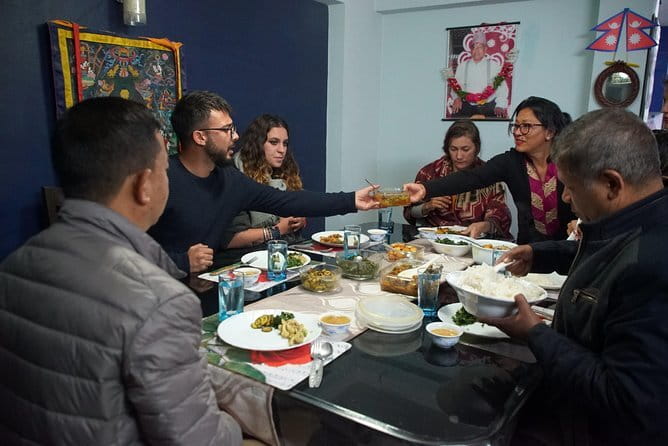
Newari Cuisine: The Tour’s Strongest Thread
A big part of this crawl is Newari cuisine, which comes from the indigenous Newar community. This is the part of Kathmandu food that often surprises people, because it’s not always what you’d guess from generic descriptions of Nepali cuisine.
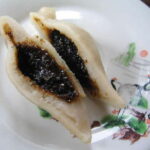
You’ll hear about Newari dishes and likely taste classics such as yomari and samay baji. Yomari is a sweet steamed dumpling filled with molasses and sesame seeds. Samay baji is a ceremonial platter that commonly includes beaten rice plus spiced buffalo meat, along with pickles and other sides.
Why this matters for your trip
If you only eat the dishes that show up on tourist menus, you’ll miss how food is used in Nepal. Newari cuisine isn’t just about flavor. It’s tied to community identity and often to specific moments of tradition. Even if you’re not into cultural history, it helps you understand why ingredients taste the way they do.
And yes—this is also a smart way to travel smarter. Instead of ordering a random set of street snacks, you’re building a mini picture of Kathmandu through one connected food style.
Street Food Picks You Can Expect to Taste Along the Way
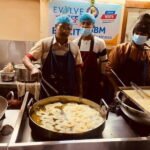
Kathmandu street food blends influences across the region, and the tour is designed to reflect that. You’ll walk through food stops where local vendors sell items that are popular because they’re affordable and satisfying—not because they look good for photos.
From the tour’s food focus, you should expect to encounter staples like:
- Momo dumplings in different styles
- Chatamari, often described as a Newari pizza
- Laphing, a cold, spicy noodle dish made from mung bean noodles
I like that the tour isn’t locked into one flavor profile. Sweet, savory, spicy, and tangy items are all part of the tasting approach. That variety makes it easier to find at least a couple of dishes you genuinely want to repeat later on your own.
What the Tasting Portion Feels Like (And Why It’s Worth It)
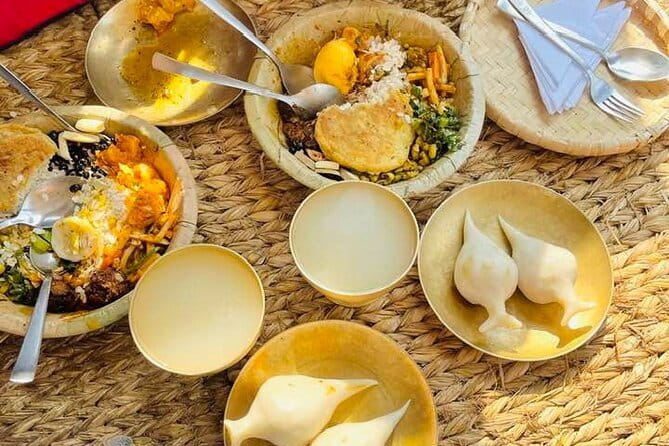
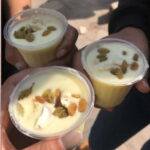
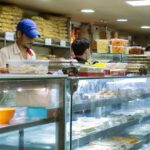
This tour includes all foods and beverages, with a minimum of five items with drinks. That’s the basic promise, and the better part is how those samples add up.
People often expect tasting tours to be light, like a few bites and a stroll. But the experience is described as a real tasting, where portions can feel substantial. In practice, you may end up eating close to a small meal’s worth of food, especially if you’re hungry from a day of walking.
Value check: $28 for 2 hours
At $28 per person, the deal isn’t just the snacks. You’re paying for:
- an English-speaking guide who knows where locals eat
- taxes and official expenses included
- multiple food and drink samples in a short time window
For a 2-hour block, it’s hard to beat the convenience. If you tried to replicate this on your own, you’d likely spend time wandering, guessing, and sometimes ordering “safe” dishes that aren’t the best version of the local style.
Guide Impact: Santosh Pandey and the Culture Talk That Makes Food Make Sense
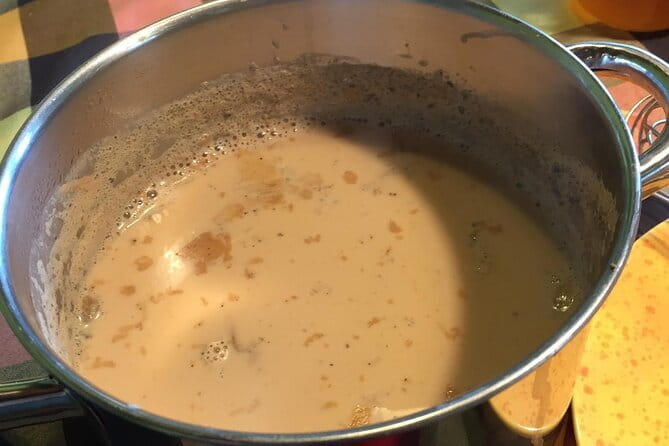
The strongest recurring theme is that the guide makes the tour feel personal and informative. With Santosh Pandey, the vibe is friendly and easy to talk to. He explains the ingredients, and he also connects food to daily life, history, and religion.
That kind of explanation changes how you taste. You start asking questions without even realizing it. Why this sweetness? Why this pickle setup? Why this ceremonial platter?
The result is that you leave with more than full stomach satisfaction. You leave with a better instinct for what to order next time, because you understand the logic behind the flavors.
Practical Tips Before You Go (So the Market Doesn’t Beat You)
A market tour is only fun if you plan around the basics. Here are smart moves that match how the experience is described:
- Tell your guide your spice comfort level early. Street food in Kathmandu can lean hot, and dishes like laphing are known for spicy flavor.
- Wear comfortable shoes. You’ll be walking around local market streets.
- Come hungry but don’t overthink it. Even if you think tasting tours are small, this one is built around meaningful samples.
- Bring a curious mindset. The best part is the “why” behind the food, not just the taste.
If you’re traveling with someone, this is also a good match. Two people can share plates, compare spice tolerance, and still keep the pace manageable.
Who This Tour Fits Best
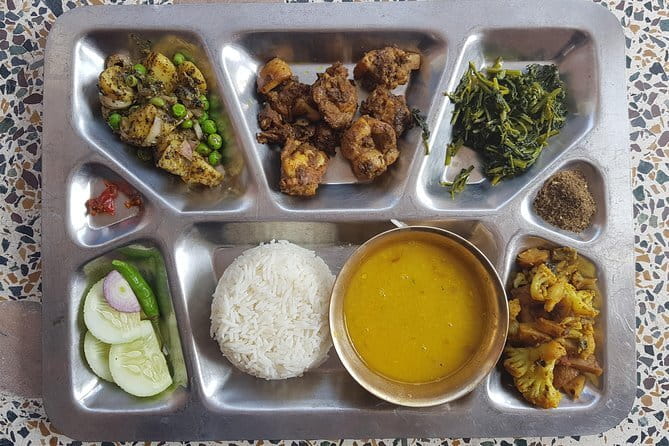
This is a great fit if you:
- want to eat Newari and street food instead of only generic Nepali staples
- like learning through real markets, not museum-style explanations
- prefer a guided route when you’d otherwise feel lost
It’s also ideal for first-time visitors who want a fast, focused food introduction in a short time.
If you only want fine dining or quiet venues, you might not love the market setting. But if you can handle busy streets and big aromas, this tour gives you a true Kathmandu feel in just 2 hours.
Should You Book Kathmandu Food Crawl & Market Tour?
If you want a short, high-impact food experience in Kathmandu, I think this is an easy yes. The combination of Ason Bazar, Newari-focused tasting, and an English guide who explains culture and ingredients makes it feel worth the $28.
Book it especially if you’re the type who likes to eat with purpose. You’ll come away with a fuller understanding of Kathmandu’s food scene—and you’ll likely find a couple of dishes you’ll chase again later.
FAQ
FAQ
How long is the Kathmandu Food Crawl & Market Tour?
The tour lasts 2 hours.
What is the meeting point for the tour?
You meet at the main gate of Chhaya Devi Complex.
Is the tour guide English-speaking?
Yes, the tour includes an English live tour guide.
What food and drinks are included in the price?
All foods and beverages are included, with a minimum of 5 items with drinks.
Where does the tour take place?
The tour is in Kathmandu, Bagmati Zone, Nepal.
How much does the tour cost?
The price is $28 per person.
Is there free cancellation?
Yes. You can cancel up to 24 hours in advance for a full refund.