REVIEW · KATHMANDU
Langtang Valley Trek
Book on Viator →Operated by Mosaic Adventure · Bookable on Viator
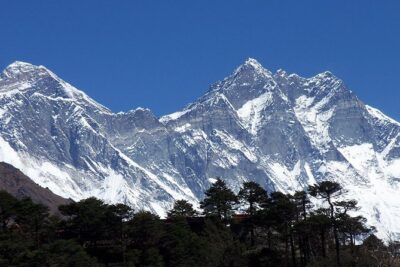
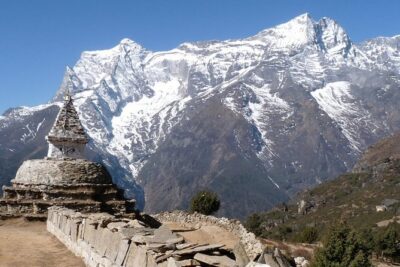
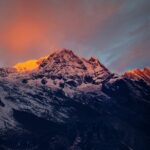
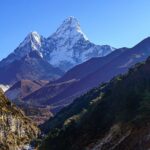
Quiet valley, big mountains, real teahouse life. This Langtang Valley Trek follows paths north of Kathmandu into a remote national park setting—then lands you at Kyanjin Gompa with options to push higher toward Tsergo Ri (4,984 m) or Kyanjin Ri (4,773 m). Snow-capped peaks ring the valley, while you hike through forests, riverbanks, farmland, and small villages that feel a world away from the capital.
I especially like how much is handled for you: teahouse accommodation plus most meals are included, so you’re not constantly calculating what you’ll pay next. I also like the human scale—a maximum of 12 travelers—and the practical porter setup (one porter shared between two participants) that can genuinely save your knees on the back half of the trek.
The one drawback to factor in is the grind: you’re looking at early starts (meeting at 6:45 am) and repeated altitude climbing with a day trip to high points near 5,000 m. Go in with moderate fitness, and plan to take the pace your guide sets, not the pace your ego demands.
In This Review
- Key highlights worth your attention
- From Kathmandu to Syabrubesi: the long ride that sets expectations
- Day 2 to Lama Hotel (2,500 m): easy-moderate miles with river and forest walks
- Day 3 to Langtang Village (3,430 m): forest, meadows, and Mount Langtang Lirung views
- Day 4 to Kyanjin Gompa: farmland bridges and the monastery moment
- Day 5: choose Kyanjin Ri or Tsergo Ri based on your comfort with altitude
- Day 6 and Day 7: retrace the route, then descend back to Syabrubesi
- Teahouses, meals, and what that means for your budget and energy
- Guides, porters, and the small-group advantage on this route
- Price and value: what $560 covers in real trekking terms
- Who should book this Langtang Valley Trek (and who should reconsider)
- Should you book with Mosaic Adventure for Langtang Valley?
- FAQ
- How long is the Langtang Valley Trek?
- What time does the trip start?
- Where do we go first for the trekking portion?
- How long is the bus ride to Syabrubesi?
- What is included in the price?
- Are drinks included?
- Is a porter included?
- How high do you go?
- Is there a choice of hikes on the fifth day?
- What is the maximum group size?
Key highlights worth your attention
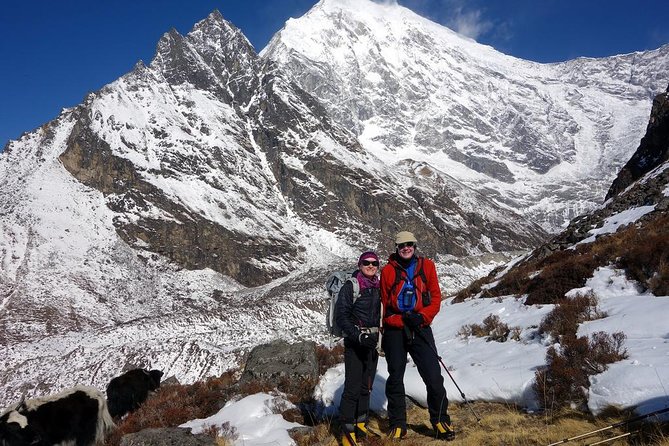
- Kyanjin Gompa payoff: a famous monastery stop paired with mountain views and a calm place to reset.
- Optional summit-style day: choose between Kyanjin Ri (3 hours round trip) or the longer Tsergo Ri outing.
- Included transport from Kathmandu: a local bus ride to Syabrubesi sets the stage for the trekking.
- Teahouse lodging and meals included: lunch, dinner, and breakfast coverage reduces decision fatigue.
- Small-group trekking: up to 12 people means less crowding and more flexible hiking rhythm.
- Guides who stay engaged: in past trips, guides like Purna and Madan were noted for support and day-to-day problem solving.
From Kathmandu to Syabrubesi: the long ride that sets expectations
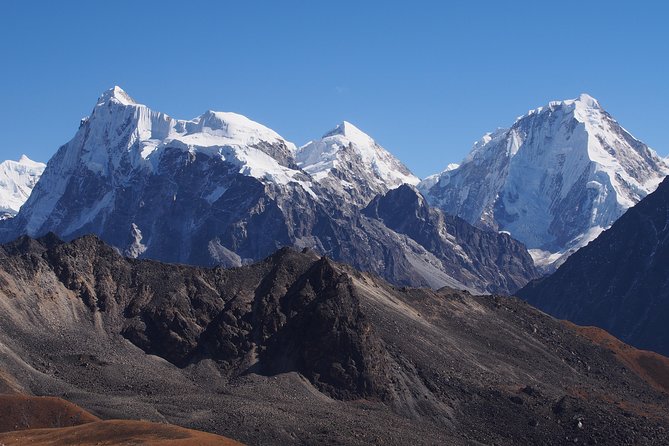
The trek really begins before your boots touch trail. You meet at 6:45 am, then take a local bus to Syabrubesi that takes about 7 hours depending on traffic. It’s a long day, but it’s also your first dose of real Nepal countryside—villages, fields, and road life rolling by as you leave the city behind.
By the time you reach Syabrubesi, you’ll be ready for structure: get organized, hydrate, and avoid the mistake of treating this like a sightseeing day. If you’re sensitive to motion or early mornings, plan to keep your first evening low-key so you don’t burn energy before the walking starts.
You can also read our reviews of more hiking tours in Kathmandu
Day 2 to Lama Hotel (2,500 m): easy-moderate miles with river and forest walks
On your first trekking day, you’re aiming for about 2,500 m at Lama Hotel. The pace is described as easy to moderate, and the terrain mix helps: gentle inclines, well-defined paths, plus stretches along riverbank trails and forest tracks. There’s also mention of a suspension bridge, which is the kind of small thrill that makes day one feel less like a chore.
This is the day to practice your rhythm. Don’t rush to “win” altitude. I’d rather you arrive warm and steady than sweaty and gasping, because tomorrow and the next day climb more.
Day 3 to Langtang Village (3,430 m): forest, meadows, and Mount Langtang Lirung views
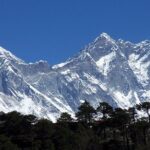
Day 3 is where the trek starts feeling serious. You walk about 6.5 hours through forest and riverbank trails, with gentle inclines that still add up over time. You’ll also hit grassy meadows and enjoy changing scenery, including pine forest moments and views toward Mount Langtang Lirung.
At 3,430 m, you’ll likely notice cooler air and thinner-feeling breathing, especially if you try to keep the pace of people around you. The trick is to keep your effort consistent: steady steps, short breaks, and water intake even when you don’t feel thirsty yet.
When you reach Langtang Village, it’s not just another waypoint. It’s a place where the trekking route starts to connect with community life: walking paths, village rhythm, and the sense that the valley is lived in, not just photographed.
Day 4 to Kyanjin Gompa: farmland bridges and the monastery moment
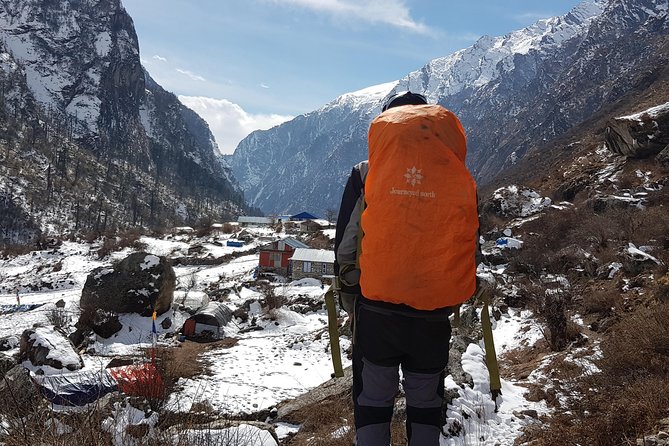
Today is about moderate walking for around 5 hours to reach Kyanjin Gompa. The route goes through farmland, bridges, and gentle ascents, and the views expand—toward Langshisha and Langtang Lirung in particular.
This is a great day to slow down for photos, because you’re not moving at maximum grind speed. The Gompa itself is the emotional anchor of the trek: a famous monastery stop that gives you a clear “we made it” feeling after several days of steady effort.
One practical consideration: with a day like this, your schedule matters. If the weather is clear, you’ll want to use daylight wisely for viewpoints and time near the monastery area. If clouds roll in, you’ll still have the satisfaction of reaching a meaningful destination even if photos aren’t perfect.
Day 5: choose Kyanjin Ri or Tsergo Ri based on your comfort with altitude
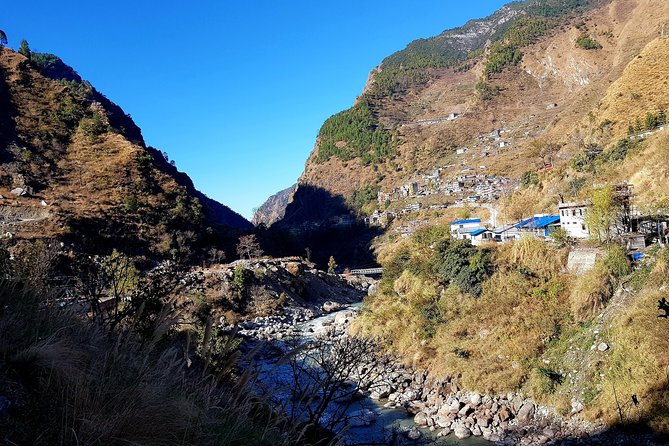
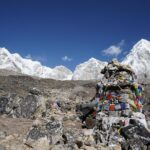
This is your flexible day, with two hike options. For Kyanjin Ri (4,773 m), it’s roughly a 3-hour round trip. For Tsergo Ri (4,984 m), the outing is longer—7 to 8 hours round trip—so it’s more demanding on both stamina and time.
Here’s how I’d choose: if you want big-height views without turning the day into a marathon, go with Kyanjin Ri. If you’re feeling strong, and you’ve acclimated well so far, Tsergo Ri can be the higher-risk, higher-reward option.
Either way, listen to your body on the climb. Altitude doesn’t care about your checklist. If you start feeling unusually off—headache, nausea, or dizziness—turning back early is the smart move, not the disappointing one.
Day 6 and Day 7: retrace the route, then descend back to Syabrubesi
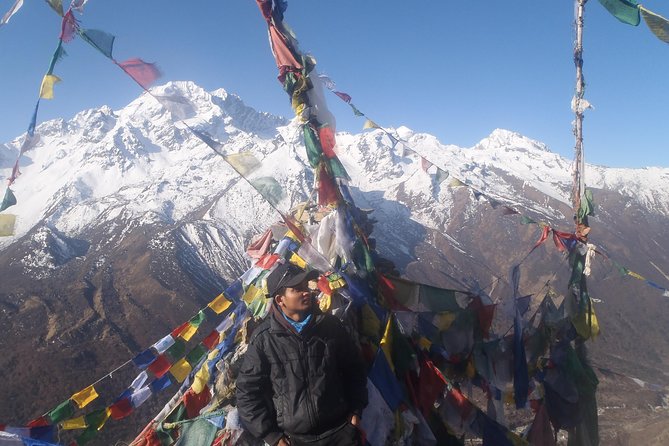
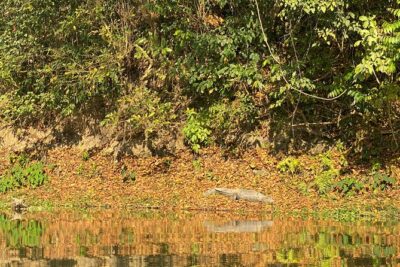
After reaching Kyanjin Gompa, the trek turns into a return journey. Day 6 traces back to Lama Hotel, with about 6 hours of walking through riverbank and forest trails. You’ll pass sweet-smelling pine forests and you can keep an eye out for wildlife, including mention of giant beehives along the way.
This day often feels mentally easier than the upward days because you’re not chasing new terrain. Still, don’t treat it like a casual stroll. Your legs have accumulated fatigue, and stone, roots, and downhill angles can punish your stride.
On Day 7, you descend back toward Syabrubesi, including gentle and some steep descents. The trek ends as you reach Syabru to be ready for your ride back to the capital. If you have even mild knee issues, this is where trekking poles (if you use them) can become your best friend.
Teahouses, meals, and what that means for your budget and energy
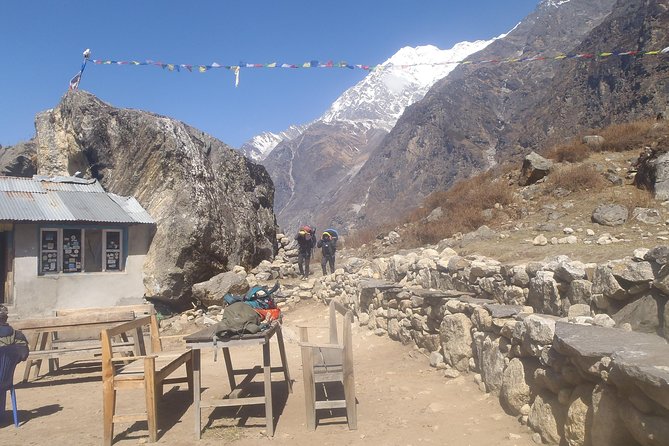
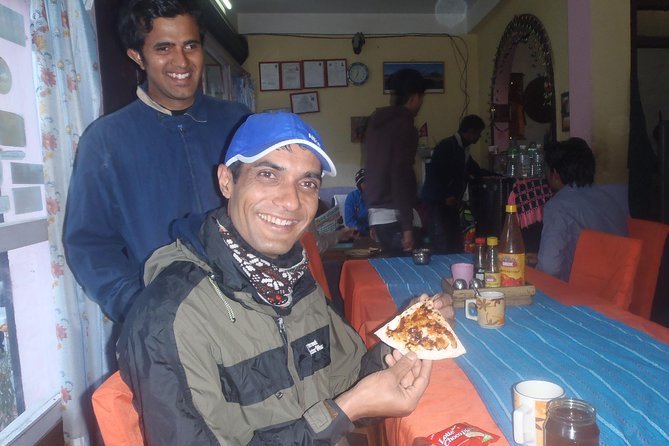
The package includes teahouse accommodation and a meal plan that covers most of your days: lunch (8 times), dinner (7 times), and breakfast (7 times). That’s a real value play, because it saves you from hunting for food options on a remote route where choices are limited.
Just remember what’s not covered. Beverages like tea/coffee and bottled water are not included, and tipping is also not included. If you’re a coffee person, it’s worth budgeting for your daily habit—or switching to whatever the tea table offers without expecting a city menu.
Accommodation quality can be basic on treks like this, and one practical approach is to treat the room as a warm place to sleep and store gear. Focus your energy on the trail, not on negotiating comfort.
Guides, porters, and the small-group advantage on this route
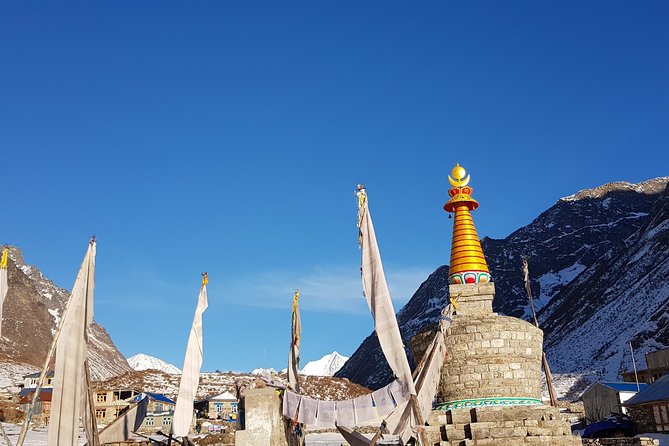
This trek runs with a small maximum group size—up to 12 travelers—which can matter more than you expect. Smaller groups mean fewer bottlenecks on narrow paths and less waiting at bridges and viewpoints.
Porter support is also included in a smart way: one porter between two participants. If you’re traveling with a partner, that can reduce the weight on your back enough to keep you moving comfortably on longer stretches, especially on return days.
From past trips, the support staff can be a highlight. Names like Purna and Ram have shown up in accounts of smooth guidance and constant help with questions. Even more reassuring, there are examples of Madan staying with a 13-year-old during altitude sickness concerns, which tells you the team is paying attention to individuals, not just moving the group down the line.
Price and value: what $560 covers in real trekking terms
At $560 per person for about 8 days, the value comes from the fact that transportation, lodging, and most meals are bundled together. Included items cover the bus to and from Syabrubesi, all fees and taxes, teahouse accommodation, and the meal plan (breakfast, lunch, dinner across the trek days). When you price these out separately in Nepal—especially transport and lodging—the package makes budgeting simpler and reduces last-minute costs.
Where you need to adjust your expectations is in the extras: beverages and tipping are not included. Also, you’ll likely want a little spending money for whatever you drink beyond included meals. Nothing dramatic—just enough to avoid surprise.
One more detail that affects value: the trip includes pickup offered and mobile ticket. That usually translates to fewer awkward handoffs and less time lost dealing with paperwork once you’re in motion.
Who should book this Langtang Valley Trek (and who should reconsider)
This trek is best for people with moderate physical fitness who can hike multiple days and handle altitude carefully. The itinerary mix—gentle to moderate days plus a longer optional summit-style outing—works well if you’re willing to pace yourself rather than go full speed.
It’s also a good fit if you want a trek that’s accessible from Kathmandu but still feels remote. The route is described as one of the most easily accessible highland sanctuaries from the capital, and the scenery varies in a way that keeps your brain awake: forests, farmland, river paths, and mountain viewpoints.
If you’re prone to altitude problems, don’t skip this trek outright. Just be ready to move slower than average and take the support seriously. The record of guides staying attentive during sickness concerns on a family trek is a reminder that conditions can change fast, even for young hikers.
Should you book with Mosaic Adventure for Langtang Valley?
If you want an organized trek where most big-ticket logistics are handled—bus, teahouses, and meals—this one is worth serious consideration. Past experiences highlight responsive planning and solid on-trail support, and team members like Madhav (manager) and guides such as Pralhad and Purna have been mentioned for professionalism and flexibility. That combination matters because it reduces stress when the route gets long or the weather shifts.
I’d book it if you like real trekking rhythm: early mornings, steady walking, and day-to-day progress toward the Kyanjin Gompa area. I’d think twice if you hate long travel days or you’re looking for guaranteed high-comfort accommodations—teahouses are functional, not luxury.
If you’re comfortable hiking with a moderate fitness level and you want a meaningful valley trek near the Tibetan border, this Langtang experience is a solid bet.
FAQ
How long is the Langtang Valley Trek?
It’s listed as about 8 days.
What time does the trip start?
The start time is 6:45 am.
Where do we go first for the trekking portion?
You ride a local bus from Kathmandu to Syabrubesi.
How long is the bus ride to Syabrubesi?
The drive is about 7 hours, depending on traffic.
What is included in the price?
Included are the bus to/from Syabrubesi, all fees and taxes, teahouse accommodation, a porter (one between 2 participants), and meals (lunch 8 times, dinner 7 times, breakfast 7 times).
Are drinks included?
No. Beverages like tea/coffee and bottled water are not included.
Is a porter included?
Yes. There is a porter included, shared as one between two participants.
How high do you go?
You can reach around 4,773 m on Kyanjin Ri and around 4,984 m on Tsergo Ri, with other key points including Lama Hotel (2,500 m) and Langtang Village (3,430 m).
Is there a choice of hikes on the fifth day?
Yes. You can do a day trip to Kyanjin Ri (about 3 hours round trip) or Tsergo Ri (about 7 to 8 hours round trip).
What is the maximum group size?
The maximum is 12 travelers.