REVIEW · KATHMANDU
Luxury Everest Base Camp Trek -11 Days
Book on Viator →Operated by Himalayan Adventure Treks and Tours Pvt Ltd · Bookable on Viator
Everest Base Camp, upgraded with comfort, plus a helicopter. That combo is the hook of this 11-day Luxury Everest Base Camp Trek, where you trek the classic Khumbu route and then fly back for a smoother finish. You also get upgraded tea houses along the way and a proper Kathmandu hotel setup, not just a quick in-and-out.
I especially like the way this trip blends real altitude trekking with modern touches: private airport transfers in Kathmandu, a 5-star hotel stay for two nights, and included meals during the trek. Another strong point is that the helicopter ride back from Gorakshep is built into the plan, so the last day doesn’t turn into a long, miserable trudge if your legs are cooked.
The one drawback to plan around is weather. Lukla flights and helicopter timing depend on conditions, and the itinerary can be affected when the mountain refuses to cooperate.
In This Review
- Key points to know before you go
- Why the helicopter return from Gorakshep changes the Everest experience
- Price and logistics: what $4,500 buys (and what it doesn’t)
- Day-by-day: your route from Kathmandu to Lukla and into Namche Bazaar
- Day 1: Arrive in Kathmandu, get transferred, settle in
- Day 2: Fly to Lukla (2860m) and start trekking
- Day 3: Phakding to Namche Bazaar (higher altitude, more atmosphere)
- Acclimatization days at 3,880m and 4,360m: the part you shouldn’t rush
- Day 4: An acclimatization day around 3,880m
- Day 7: Another acclimatization day at 4,360m
- Tengboche, Dingboche, Lobuche, and Gorakshep: what each step does for you
- Day 5: Hotel Everest View to Tengboche (3820m)
- Day 6: Diboche to Dingboche (4360m)
- Day 8: Dingboche to Lobuche (moderate, but high-altitude terrain)
- Day 9: Lobuche to Gorakshep and Everest Base Camp (strenuous 6 to 7 hours)
- Day 10: Gorakshep to Kalapatthar (5545m) for panoramic views
- Tea houses and meals: what upgraded comfort looks like at altitude
- Guides, porters, and communication: how the trip runs behind the scenes
- Weather, altitude, and flight dependence: your real risks on Everest routes
- Who should book this luxury EBC trek, and who should consider another option
- Should you book Luxury Everest Base Camp Trek (11 Days)?
- FAQ
- How many days is the Luxury Everest Base Camp Trek?
- Where does the trek start and end?
- What makes this trek different from a standard Everest Base Camp itinerary?
- Are permits and Khumbu valley fees included?
- Are vegetarian meals available?
- Is this a group trek with strangers or a private departure?
Key points to know before you go
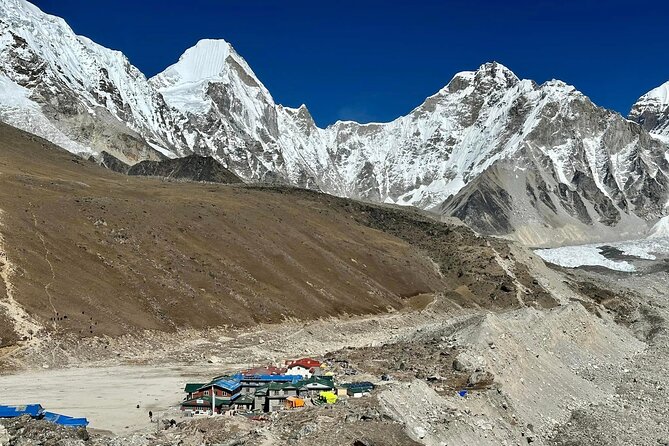
- Helicopter return from Gorakshep makes the end of the trek feel like a true win.
- Upgraded tea houses keep you comfortable after steep days.
- Well-defined acclimatization days at key altitudes help you pace the ascent.
- Private group format means your guide and porter can focus on just your party.
- Flights to Lukla are part of the package, so you’ll want to build in flexibility.
Why the helicopter return from Gorakshep changes the Everest experience
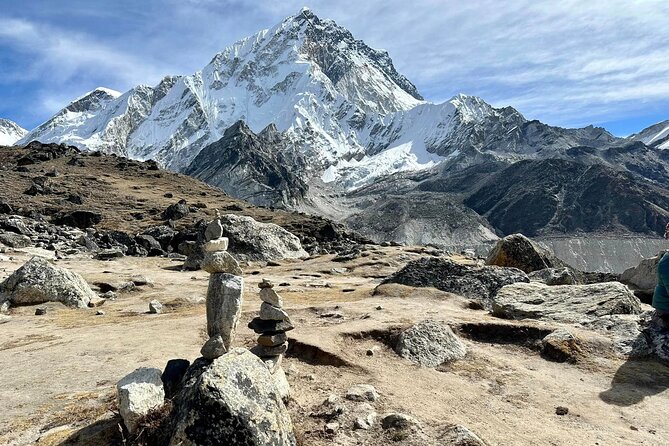
Most Everest Base Camp trips end with either a long walk down or an airport day that can drag on. This one adds a sharing helicopter ride from Gorakshep to Kathmandu, which changes the tone of the whole finish. Instead of spending your energy on getting back, you can save it for enjoying the view from Kalapatthar and then let the return be easier on your body.
The operator also frames it around timing. The best season for stable weather and Himalayan views is spring and autumn, when helicopter flying is more realistic. That matters because this is not a gimmick—if the weather is poor, the mountain can still call the shots.
Also, you’ll still get the classic trekking rhythm to earn Everest Base Camp. The “luxury” part is not that you skip the effort; it’s that you reduce the suffering at the end.
You can also read our reviews of more tours and experiences in Kathmandu
Price and logistics: what $4,500 buys (and what it doesn’t)
At $4,500 per person for an 11-day trek, you’re paying for more than the trek itself. The included items stack up quickly, and that’s where the value comes from.
What’s included that actually affects comfort:
- Two nights in a 5-star Kathmandu hotel with breakfast
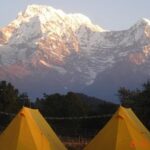
- Upgraded tea houses on twin sharing during the trek
- All trek meals (breakfast, lunch, dinner) for the days listed
- A guide plus a porter setup of 1 porter for 2 clients
- TIMS permit and Khumbu valley fees
- Kathmandu to Lukla (and Ramachap to Lukla) flight ticket
- Helicopter fare from Gorakshep to Kathmandu (sharing)
- A last-night farewell dinner with cultural performance
What’s not included (and you should budget for early):
- Nepal visa fee (easy to get in Kathmandu, but still a cost)
- International flights to and from Nepal
- Extra hotel nights in Kathmandu if your schedule shifts
- Meals in Kathmandu, especially if you arrive early or return late
- Travel and rescue insurance (this is not the same as being “provided” medical supplies)
- Personal costs like phone, laundry, battery charging, bottled or boiled water, hot showers
- Tips for guide and porter
- Any mountain expenses beyond the scheduled itinerary if delays happen
My practical take: the package price feels fair if you want a low-stress, organized trek with strong comfort support—especially with the Kathmandu hotel and helicopter return. If you already plan to do everything yourself (finding rooms, managing meals, building the route), then the value drops. But if you want someone else to handle the moving parts, this kind of bundled setup is where you feel the money working.
One more detail: you get mobile ticketing and private pickup. These may sound small, but they reduce the “where do I go now” friction on day one.
Day-by-day: your route from Kathmandu to Lukla and into Namche Bazaar
Day 1: Arrive in Kathmandu, get transferred, settle in
Your trip starts with arrival at Tribhuvan International Airport, where a company representative meets you and transfers you by private vehicle to your hotel. That first piece matters. You’re landing in a new country at a new altitude-adjacent pace, and you want a calm beginning, not a scramble.
You also get two nights in a 5-star Kathmandu hotel with breakfast, so you’re not stuck in a tiny room that feels like a waiting room.
Day 2: Fly to Lukla (2860m) and start trekking
Day two is a flight from Kathmandu to Lukla at 2860 meters, followed by the start of the walking route. Even if you’ve trekked before, Lukla is its own experience: you’re trading easy road travel for mountain access.
Practical note: because flights depend on weather, you’ll want to treat day two as “the plan is the plan,” not “this will definitely happen.” The operator includes travel and rescue arrangements, but that doesn’t remove the need for flexibility.
You can also read our reviews of more hiking tours in Kathmandu
Day 3: Phakding to Namche Bazaar (higher altitude, more atmosphere)
You walk from Phakding to Namche Bazaar, a key hub for trekkers. Namche is where you start to feel the Khumbu rhythm: tea house life, gear sorting, and short walks that double as check-ins for your body.
This is also a day where your pace matters. Even though this tour is designed with acclimatization in mind, your lungs still need to catch up.
Acclimatization days at 3,880m and 4,360m: the part you shouldn’t rush
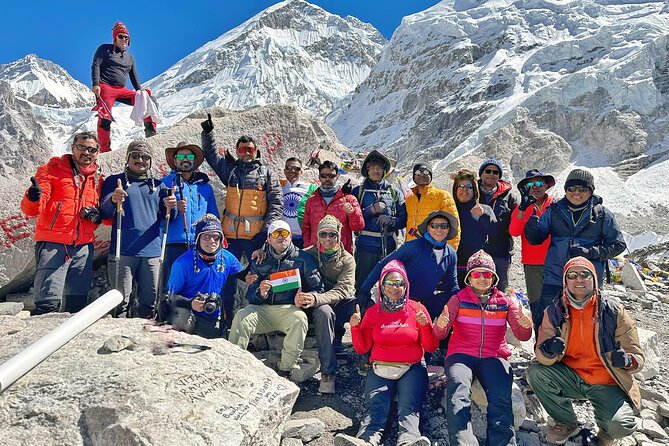
Day 4: An acclimatization day around 3,880m
Day four is set as an acclimatization day at 3,880 meters, with the chance to get used to altitude while staying comfortable enough to recover. In plain terms, acclimatization days are where serious trekkers separate from internet-hardened trekkers.
You’ll have the option to use the day to adjust—rest more than you think you should, take short walks, and hydrate. If your body gets cranky, this is where you give it room to settle.
Day 7: Another acclimatization day at 4,360m
Then the itinerary repeats the altitude logic on day seven in Dingboche (4,360m). This second adjustment day is important because you’re not just sightseeing at altitude; you’re trekking with fatigue, cold, and reduced oxygen.
Even if you feel okay on day six, day seven is not the day to prove anything. Your reward comes later when the climb to Base Camp and the push to Kalapatthar are possible without feeling like your heart is sprinting.
Tengboche, Dingboche, Lobuche, and Gorakshep: what each step does for you
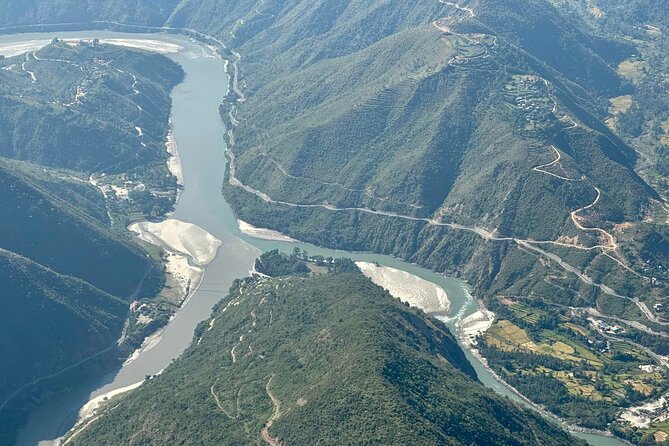
Day 5: Hotel Everest View to Tengboche (3820m)
You leave Hotel Everest View and head to Tengboche (3820m), usually a 4 to 5 hour leg. Tengboche is a classic stop for a reason: it’s an established trekking community at a meaningful altitude. The day is long enough to get your body working, but it’s still framed as a build-up stage after your earlier acclimatization.
Day 6: Diboche to Dingboche (4360m)
Next is Dingboche (4360m), typically a 5 to 6 hour trek. This is where you start feeling the higher-altitude “edge”: more cold, less forgiving breathing, and more focus on staying warm and moving steadily.
You’ll want to keep your effort controlled. This isn’t a “go hard today” day.
Day 8: Dingboche to Lobuche (moderate, but high-altitude terrain)
Day eight is a moderate hike from Dingboche to Lobuche, usually 5 to 6 hours, with high-altitude terrain and challenging weather conditions. You’ll be moving through an environment where wind and temperature can change how you feel during the day.
Also, this section sets you up for what matters next: the strenuous push toward Gorakshep and Everest Base Camp.
Day 9: Lobuche to Gorakshep and Everest Base Camp (strenuous 6 to 7 hours)
Day nine is one of the big ones: Lobuche to Gorakshep and Everest Base Camp, about 6 to 7 hours and described as strenuous. The route includes rocky terrain and glacial moraines, plus views of surrounding peaks.
This is the day where “luxury” is really about support, not softness. You’ll appreciate the upgraded tea house plan and the fact that meals are handled, so you can focus on trekking and recovery.
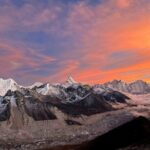
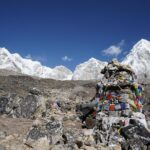
Day 10: Gorakshep to Kalapatthar (5545m) for panoramic views
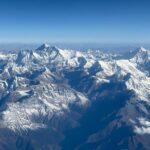
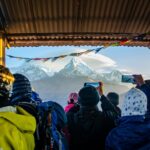
On day ten you hike to Kalapatthar (5545m), a major highlight at 18,192 feet. It’s one of the most popular viewpoints on this route, and the tour frames it as offering panoramic views of the surrounding peaks.
This day is a payoff day. It’s also a reality check day—expect it to be physically demanding, even if you paced well earlier. Treat it like the final exam: steady, warm, and focused.
Tea houses and meals: what upgraded comfort looks like at altitude
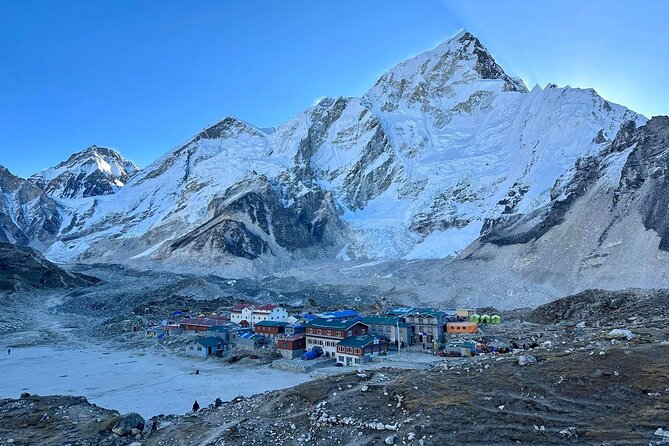
This trek calls itself luxury, but at altitude, luxury means practical things:
- better-managed tea houses rather than basic survival lodging
- meals included so you don’t burn time and energy guessing
- downtime that lets you recover between trekking legs
You’ll sleep in upgraded tea houses on twin sharing during the trek, and the itinerary lists breakfasts, lunches, and dinners during the trekking days. That reduces decision fatigue. At altitude, less decision-making is a real quality-of-life upgrade.
Also, you’ll carry less mental load because the trek includes a guide and porter support structure. The porter ratio of 1 porter for 2 clients is a common setup for keeping loads manageable while still relying on your own legs.
If you’re the type who worries about comfort details—warm meals, predictable schedules, and not feeling abandoned—this “luxury tea house + included food” approach will feel like relief.
Guides, porters, and communication: how the trip runs behind the scenes
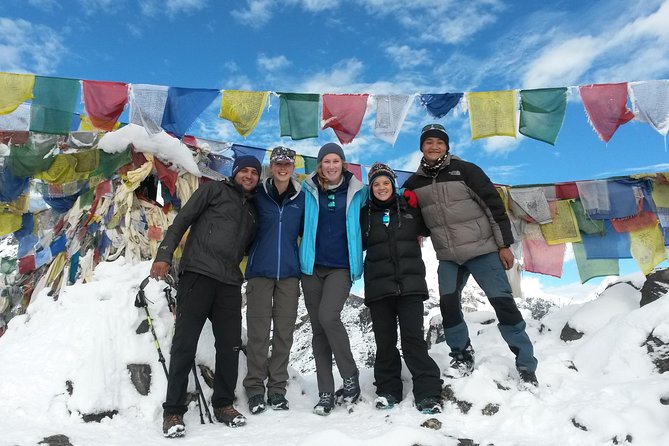
The experience is private for your group, so you get a smoother flow than many large-group treks. Private doesn’t mean quieter; it means you can ask questions and adjust pacing without feeling like you’re part of a herd.
The operator’s leadership also gets mentioned by name in the feedback: Bhagwat Simkhada (often shortened to Bhagwat) and Prakash as a standout guide. Communication and organization are repeatedly emphasized, and you can feel what that means in daily life: fewer surprises, clearer instructions, and less time wasted on problem-solving.
A porter being assigned (with the 1 porter for 2 clients ratio) is a big deal when you’re trekking through cold and tired muscles. Even with that support, you should still expect to feel the hike. But you’ll likely feel it in your legs, not in your decision-making stress.
Weather, altitude, and flight dependence: your real risks on Everest routes
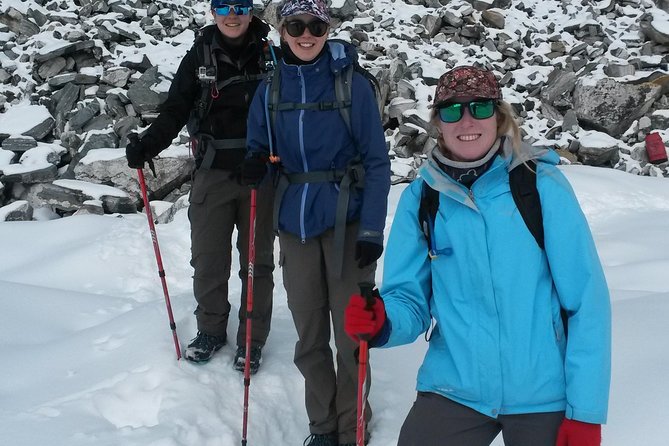
Even with a well-built itinerary, Everest Base Camp is still altitude trekking in a harsh environment. The tour’s structure shows they know this, with acclimatization days and a plan for major viewpoint work (Kalapatthar).
Still, there are two practical risks you should plan around:
- Altitude: You’re going to climb high, including nights above 4,000 meters. Your best tool is pacing and paying attention to how you feel, especially on day six and day seven.
- Mountain schedule changes: Flights to Lukla and the helicopter ride can be delayed due to weather. The package specifically notes additional mountain expenses if you’re stuck due to weather or other reasons, so you should travel with extra funds and flexible expectations.
The tour includes medical supplies (first aid kit) and travel and rescue arrangements, but it does not replace travel insurance. Bring insurance that covers high-altitude trekking and rescue logistics.
Who should book this luxury EBC trek, and who should consider another option
This is a strong fit if:
- you want classic Everest Base Camp trekking, not a stripped-down version
- you care about comfort at the end of the day (tea houses, included meals, upgraded Kathmandu hotel)
- you want the helicopter return to reduce strain near the finish
- you’re traveling with family or a group that prefers clear structure and support
You might rethink it if:
- you strongly prefer total self-planning (this is a bundled package with included services)
- your schedule is inflexible and you cannot absorb possible weather delays
- you’re on the fence about altitude trekking and your fitness is more than moderate concerns (the tour specifies moderate physical fitness)
If you’re excited by the idea of Everest views from both ground and air, this trip matches that goal better than most.
Should you book Luxury Everest Base Camp Trek (11 Days)?
If you want the Everest Base Camp experience with a comfort upgrade and a less punishing ending, I think this is a smart booking. The best reason is simple: you’re not just buying a route, you’re buying recovery—upgraded tea houses, included meals, Kathmandu hotel comfort, and the helicopter return from Gorakshep.
Before you say yes, double-check your budget for what’s not included (visa, international flights, insurance, personal expenses, possible delay-related costs). Then make your decision based on your comfort with altitude and weather uncertainty, not just the headline luxury label.
For the right traveler—someone who wants structure, support, and a smoother finish—this trek looks like a very solid value.
FAQ
How many days is the Luxury Everest Base Camp Trek?
It’s listed as 11 days (approx.).
Where does the trek start and end?
It starts at Tribhuvan Airport in Kathmandu, Nepal. The experience ends back at the meeting point.
What makes this trek different from a standard Everest Base Camp itinerary?
A key feature is the helicopter ride on the return trip from the Everest Base Camp area (from Gorakshep to Kathmandu, sharing).
Are permits and Khumbu valley fees included?
Yes. TIMS permit and Khumbu valley fees are included.
Are vegetarian meals available?
Yes. Vegetarian options are available if you advise the operator at booking.
Is this a group trek with strangers or a private departure?
It’s a private tour/activity, so only your group will participate.