REVIEW · KATHMANDU
Luxury Everest Base Camp Trek – 11 Days
Book on Viator →Operated by Himalayan Trekking · Bookable on Viator
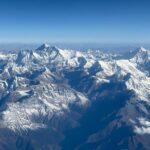
Everest, minus the chaos. This Luxury Everest Base Camp Trek strings together luxury accommodation with strong support, so you can focus on the trail and the views instead of logistics. I like the helicopter shortcuts (they save you from extra fatigue), and I also like how the team runs the whole trip like a system. One caution: you still gain big altitude, and the trip info flags asthma—so talk to your doctor early.
You’ll start with a quick Kathmandu arrival setup in Thamel, then head into the Khumbu with a small group (max 15). Expect a very early start (5:15am) for the Kala Patthar part, plus guided mountain days that include meals and porter support.
In This Review
- Key takeaways before you go
- Luxury Everest Base Camp Trek: What makes it different from a basic trek
- Getting oriented in Kathmandu’s Thamel (Day 1)
- Kathmandu to Lukla by helicopter: the smartest shortcut you’ll notice (Day 2)
- Phakding to Namche: forest trails into Sherpa town life (Days 3–4)
- Namche acclimatization with an actual recovery day (Day 5)
- Tengboche and Dingboche: rhododendron trails and high-valley calm (Days 6–7)
- Lobuche and the Khumbu Glacier moraine: big air, bigger effort (Day 8)
- Everest Base Camp and Gorak Shep: the day the trek earns its name (Day 9)
- Kala Patthar early start and the helicopter ride back down (Day 10–11)
- Price and value: what the $4,070 is actually buying
- Small-group comfort with a safety-focused pace
- Who should book this, and who should reconsider
- Should you book this Luxury Everest Base Camp Trek?
- FAQ
- What’s the meeting point and start time?
- What helicopter flights are included?
- How many meals are included during the trek?
- What does the $4,070 price include and exclude?
- Is pickup offered and how large is the group?
- What if I need to cancel or weather is poor?
- The info mentions asthma. Is this trek okay if I have asthma?
Key takeaways before you go
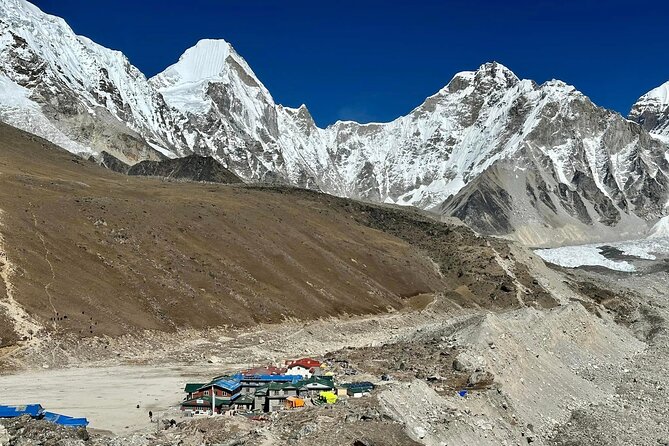
- Helicopter logistics that reduce strain on both ends: Kathmandu to Lukla, then from the Gorak Shep area back down.
- Comfort-forward lodging during the trek so altitude doesn’t mean rough sleep.
- Guides and porters handled as a package, including their daily insurance and meals.
- Small group rhythm (15 people max) that keeps pace manageable on a trip this high.
- A real acclimatization plan through Namche, Tengboche, Dingboche, and the Chukhung stop.
- Kala Patthar sunrise timing built around an early 5:15am start for big payoff views.
Luxury Everest Base Camp Trek: What makes it different from a basic trek
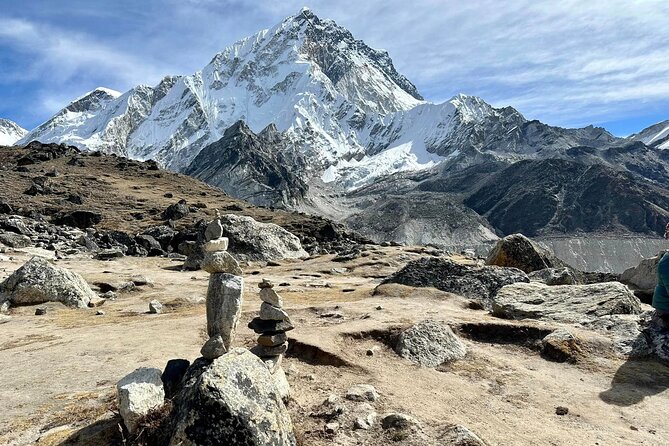
The Everest Base Camp trek is famous for a reason. You climb into classic Khumbu country, watch the mountains change color through the day, and finally stand where Everest fans come to dream—Everest Base Camp. But traditional trekking can feel like a long game of catch-up: late flights, slow porters, long cold nights, and meals that vary wildly.
This version is built for the opposite vibe. You’re still doing the trekking, but you’re also buying order. The guide and porter setup is included, and the trip runs with set meal plans and planned transport. That matters because altitude punishes sloppy logistics. When everything is handled, you can spend your energy on breathing and footing, not on figuring out what happens next.
You can also read our reviews of more tours and experiences in Kathmandu
Getting oriented in Kathmandu’s Thamel (Day 1)
You land, you meet your guide, and you transfer straight to your booked hotel in Thamel. This matters more than it sounds. Kathmandu can be a sensory overload—noise, traffic, and confusing distances—so having a clear landing plan helps you get your bearings fast.
Thamel is also practical for a pre-trek day. You’re near public transportation, and that makes it easier if you need last-minute essentials like warm layers, water purification tabs, or altitude-friendly snacks. You also get time to sleep, hydrate, and do a low-stress prep: light walking, packing checks, and a simple early night.
Kathmandu to Lukla by helicopter: the smartest shortcut you’ll notice (Day 2)
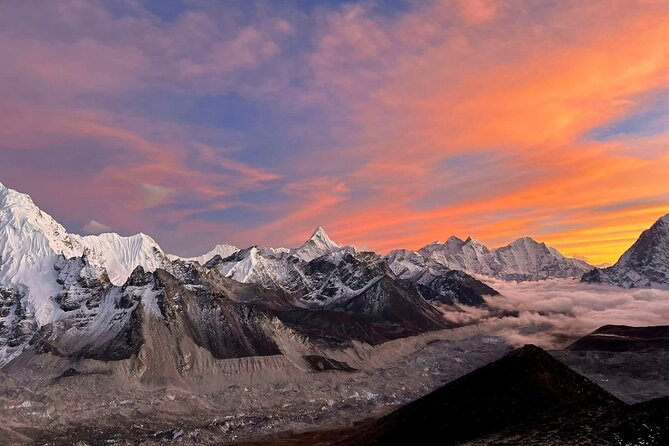
On trek day one of the Khumbu, you don’t waste hours fighting Kathmandu traffic and delays in the wrong direction. You transfer to the airport, take a helicopter to Lukla, and then start walking to Phakding (about 4 hours).
This helicopter segment is the biggest “luxury” lever on the whole trip. It cuts time and reduces the pre-trek fatigue that can quietly affect the rest of your acclimatization. In practical terms, you’re more likely to arrive on the trail feeling human, not already cooked from travel.
The trade-off? Helicopters don’t make the mountains easier. You’re still entering at high elevation terrain, and you still need to pace yourself on day one of trekking. The comfort here is about logistics and energy management, not changing the altitude.
Phakding to Namche: forest trails into Sherpa town life (Days 3–4)
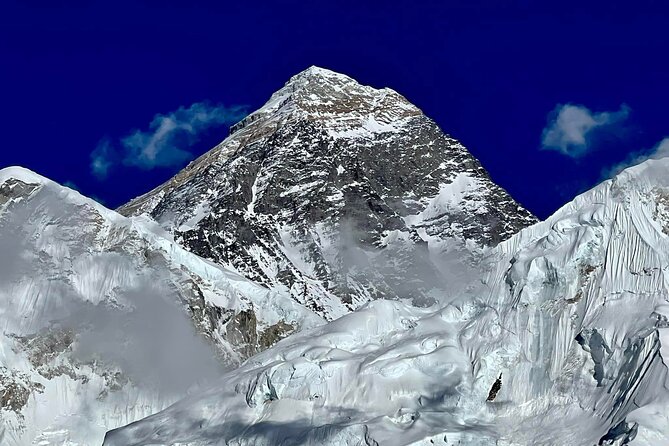
After Lukla, the route threads through pine forests and climbs steadily toward the Namche region. You’ll pass Monjo on the way, and the climb is described as challenging but rewarding—exactly the kind of effort you want early on. It’s enough work to feel like you’re trekking, but it’s not the brutal kind of climb that steamrolls you before acclimatization.
Then comes Namche Bazaar, the Sherpa hub that acts like the psychological checkpoint for the whole trip. This is where tea house life and mountain culture overlap: busy small-street energy, markets, and a constant stream of trekkers comparing notes.
You’ll also have an Everest viewpoint stop during this stretch (Everest View Point is listed), which is a classic move because it turns altitude into something you can look at, not just something you endure.
Potential drawback: Namche is lively, and it’s easy to overdo it—too much walking, too many stairs, too little rest. The luxury part doesn’t stop you from making that mistake. If you want the trip to feel easy on the body, treat Namche as a place to recover.
Namche acclimatization with an actual recovery day (Day 5)
Your plan includes a breather in Namche. There’s no rush and no steep climbs here. This is the kind of day that can make or break your whole trek because acclimatization isn’t a slogan—it’s your body learning how to function as oxygen drops.
During this rest day, you can wander around town and explore the Sherpa atmosphere at your own pace. For me, the value of this kind of buffer is simple: it gives you room to eat well, hydrate, and adjust your gear. It also lowers the chance you’ll spend the next days feeling behind.
You can also read our reviews of more hiking tours in Kathmandu
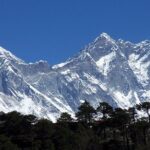
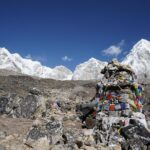
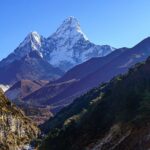
Tengboche and Dingboche: rhododendron trails and high-valley calm (Days 6–7)
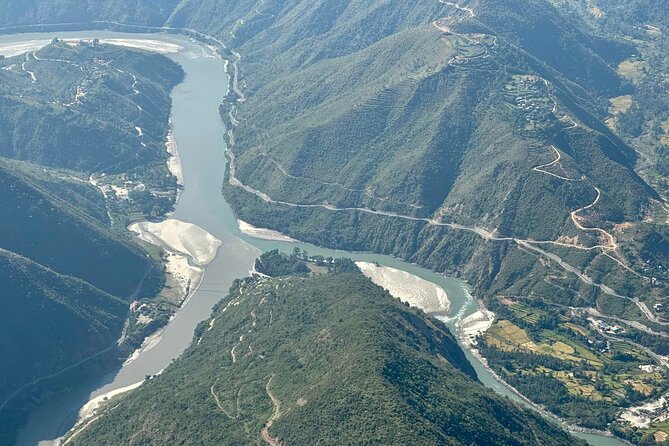
From Namche, the trek leads toward Tengboche, a cultural waypoint known for monasteries and the spiritual side of the Khumbu. The path you’ll take is described as going through dense rhododendron forest, which helps break up the monotony of altitude climbing. When the trail is interesting, you pace better.
From Tengboche, the route continues to Dingboche (listed at about 4,410 meters, with an estimated 5–6 hour trek time from Tengboche). Dingboche sits in the Imja Valley area, and at this altitude, even “just walking” becomes real work. That’s why this stretch is about breathing efficiency. You’re not trying to win a race; you’re trying to arrive ready for tomorrow’s views.
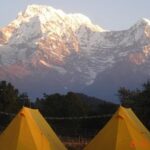
Then comes the Chukhung stop as part of acclimatization. This is exactly how you want it set up: you gain, you test your lungs, and then you adjust. The route explicitly describes Dingboche as an acclimatization base, which is smart planning because you’ll be moving higher afterward.
Lobuche and the Khumbu Glacier moraine: big air, bigger effort (Day 8)
Next you head toward Lobuche, and the trek passes through terminal moraine of the Khumbu Glacier. This is where the scenery shifts—less forest feel, more stark mountain structure. The air gets crisp and fresh as you ascend, but the work is still work.
A key thing here is that you’re now deep into the part of the trek where your legs care about every uphill step. Luxury doesn’t remove the physics. What it does do is help you arrive each day with fewer decision points: you know meals are handled, lodging is arranged, and you’re not trying to negotiate everything at altitude.
Possible consideration: if the idea of walking on uneven, cold ground doesn’t sound fun, make sure your footwear and socks are dialed before you enter the higher days. This is where small gear choices matter.
Everest Base Camp and Gorak Shep: the day the trek earns its name (Day 9)
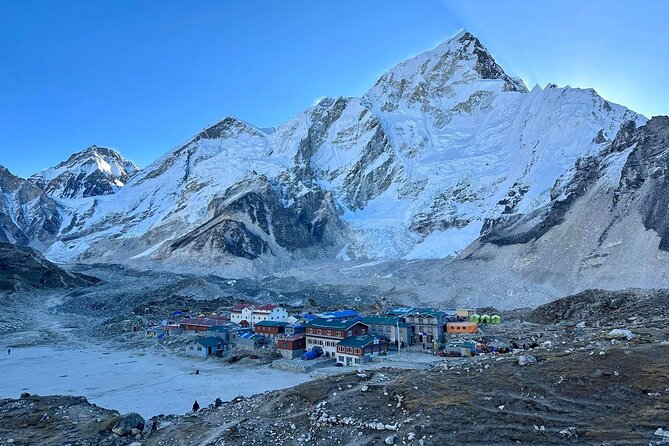
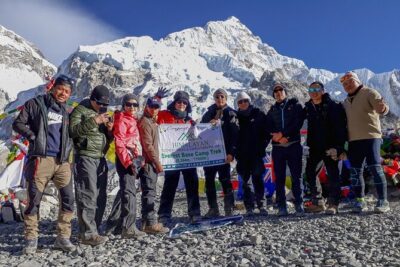
The day you reach Everest Base Camp is the emotional center of the trip. The altitude alone makes you slower, and the atmosphere makes you pay attention. This is where you finally match the story you’ve heard with the real mountain scale in front of you.
After that, you’re guided onward to Gorak Shep as the next critical stop. Gorak Shep sits at 5,164 meters and is described as the last stop on the trek leading into the next big moment. You’re high enough that the simple act of getting water, eating, and keeping warm becomes part of the adventure.
This is also where the included comforts help you more than you’d expect. When you’re tired, having dependable meals and prepared lodging means less energy spent on problem-solving and more on recovery for the next sunrise push.
Kala Patthar early start and the helicopter ride back down (Day 10–11)
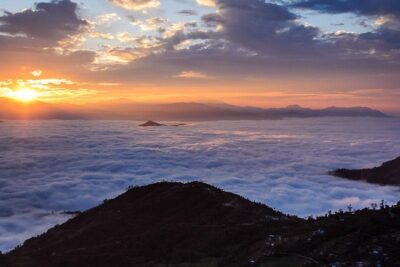
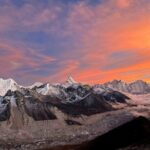
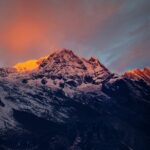
The highlight is a dawn hike to Kala Patthar. Your start time is listed as 5:15am, and that early push is for one reason: light. You want sunrise and clear visibility, and you want it before the weather has time to tighten up.
Kala Patthar is on the south ridge of Pumori above Gorak Shep. Even if you’ve seen photos, the altitude reality hits different in person. You’ll likely feel the burn in your lungs, then you’ll look up and understand why people keep coming back.
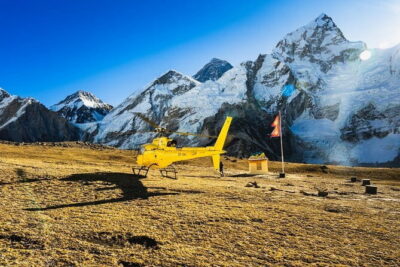
Then you switch from walking to flying. The trip includes Gorakshep to Kathmandu by helicopter, and the itinerary also mentions helicopter landing at Kalapathar. In plain terms, this is the luxury version of the classic descent: you get a faster, less punishing route back to lower elevation than a full trekking exit.
Final day is straightforward: transfer to the airport and fly home. This matters because it prevents that last-day “drag” feeling that happens when you have to spend extra time just trying to get out.
Price and value: what the $4,070 is actually buying
At $4,070 per person for 11 days, this is not the cheapest way to do Everest Base Camp. But it’s also not a random price tag. The value comes from what’s built into the package.
Included items that drive real costs:
- Kathmandu to Lukla by helicopter
- Gorakshep to Kathmandu by helicopter
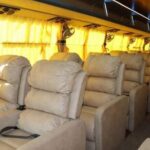
- Luxury accommodation during the trek
- Guide and porters with daily wage, insurance, and meal support
- Meals: breakfast (9), lunch (8), dinner (8)
- All fees and taxes
So you’re paying for time savings, reduced travel fatigue, and a staffed trek where you’re not carrying the entire burden yourself. If you’ve ever done a high-altitude trip where every day includes “Where do we eat? Who arranges this? What time does that happen?” you know how expensive that stress can be.
What’s not included:
- Extra nights hotel in Kathmandu
- Travel insurance
- International flight to and from Nepal
- Kathmandu meals beyond what’s listed (breakfast and farewell dinner)
- Personal expenses like laundry, internet/phone, shopping, cold drinks, and drinking water
- Tips for crew
This is the key decision point: if you want a calmer, more managed Everest experience—especially with those helicopters—this price can make sense. If you’re chasing the lowest cost possible, this won’t be your route.
Small-group comfort with a safety-focused pace
The trek caps out at 15 travelers. On a trek this high, group size affects more than comfort. It affects pacing, how crowded the viewpoint stops feel, and how well the guide can handle altitude questions in real time.
You also get a guide plus porters included. Porters don’t just carry packs; they carry logistics. When porters are part of the included structure (wage, insurance, and meals are handled), you avoid a common trekking headache: gear management while you’re already fighting altitude.
The other practical win is the team’s ability to handle real-world disruption. Past participants mention weather and even canceled flights being managed by the organizer and local contacts. On an Everest trip, that’s not a bonus. It’s part of the product.
Who should book this, and who should reconsider
This trek fits best if you want the Everest experience but don’t want the whole thing to feel like rugged self-management.
It suits you if:
- You have moderate fitness and want structured acclimatization.
- You want support on the ground and included meal planning.
- You like the idea of helicopters reducing the most travel-heavy parts.
You should think twice if:
- You have asthma. The booking info flags asthma as a consideration. You don’t have to panic, but you do need to be careful: talk with a clinician, ask the provider what they recommend, and plan for extra caution on high-altitude days.
- You get uncomfortable with early starts. The Kala Patthar timing is early by design (5:15am start time listed).
This is also a strong fit for groups of friends or solo travelers who still want a managed plan but don’t want to be lost in a huge crowd.
Should you book this Luxury Everest Base Camp Trek?
If your main goal is to see Everest without turning the trip into a battle against logistics, I’d lean yes. The package is built around the big wins: helicopter travel, included meals, guided acclimatization, and comfort lodging during the trek.
Before you book, do one honest check:
- Do you feel ready for altitude, even with luxury support?
- Can you commit to pacing, early mornings, and following guide guidance?
- If you have asthma, are you comfortable getting medical advice and confirming suitability with the provider?
If the answers line up, this trek looks like a smart way to buy back energy for the only thing that matters up there: the mountains.
FAQ
What’s the meeting point and start time?
Your guide meets you at the airport on Day 1 and takes you to your hotel in Thamel. The trip also lists a start time of 5:15am.
What helicopter flights are included?
Kathmandu to Lukla is included by helicopter. On the way back, Gorakshep to Kathmandu is also included by helicopter.
How many meals are included during the trek?
Breakfast is included 9 times, lunch 8 times, and dinner 8 times. Kathmandu meals are included only as listed (breakfast and a farewell dinner), while other Kathmandu meals are not included.
What does the $4,070 price include and exclude?
Included: all fees and taxes, luxury accommodation during the trek, guide and porters (daily wage, insurance, and meals), the two helicopter transfers, and the meal plan. Not included: extra Kathmandu hotel nights, travel insurance, international flights, meals in Kathmandu beyond breakfast and farewell dinner, personal expenses (laundry, internet, phone, shopping, cold drinks, drinking water), and tips.
Is pickup offered and how large is the group?
Pickup is offered. The maximum group size is 15 travelers.
What if I need to cancel or weather is poor?
Cancellation is free up to 24 hours in advance for a full refund. If the experience is canceled due to poor weather, you’ll be offered a different date or a full refund. It also requires a minimum number of travelers.
The info mentions asthma. Is this trek okay if I have asthma?
The additional info flags asthma as a consideration. It doesn’t say it’s automatically disallowed, but you should take it seriously, confirm with your doctor, and check with the provider before booking.