REVIEW · PROVINCE NO 3 NEPAL
One to One Shaman consultation in Nepal
Book on GetYourGuide →Operated by Eyes on Nepal Tours and Treks Pvt. Ltd. · Bookable on GetYourGuide
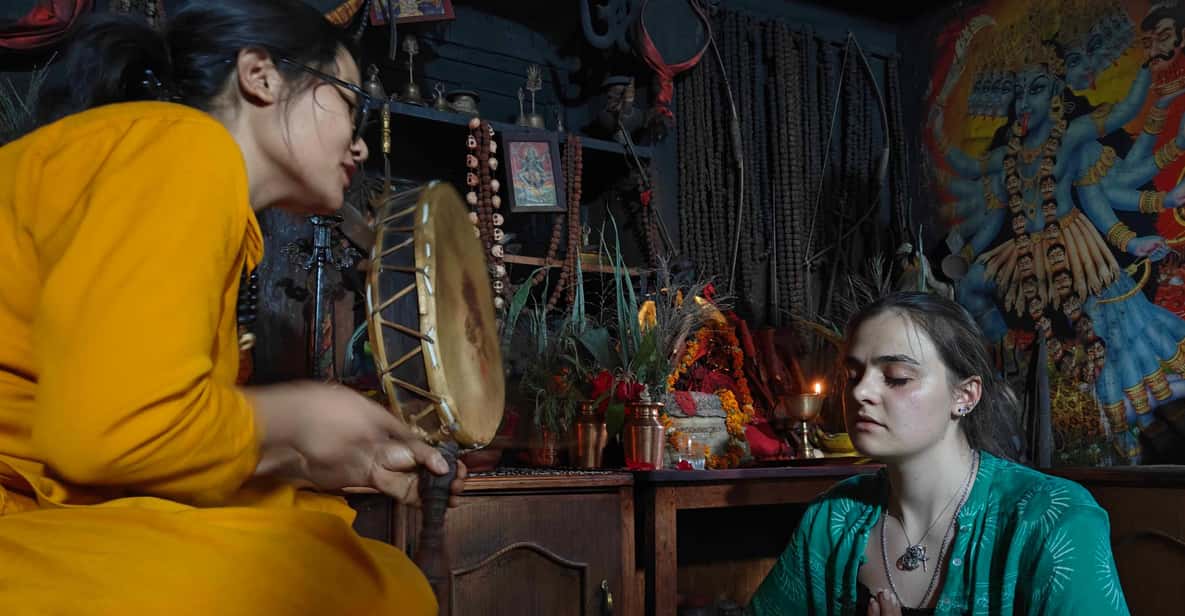
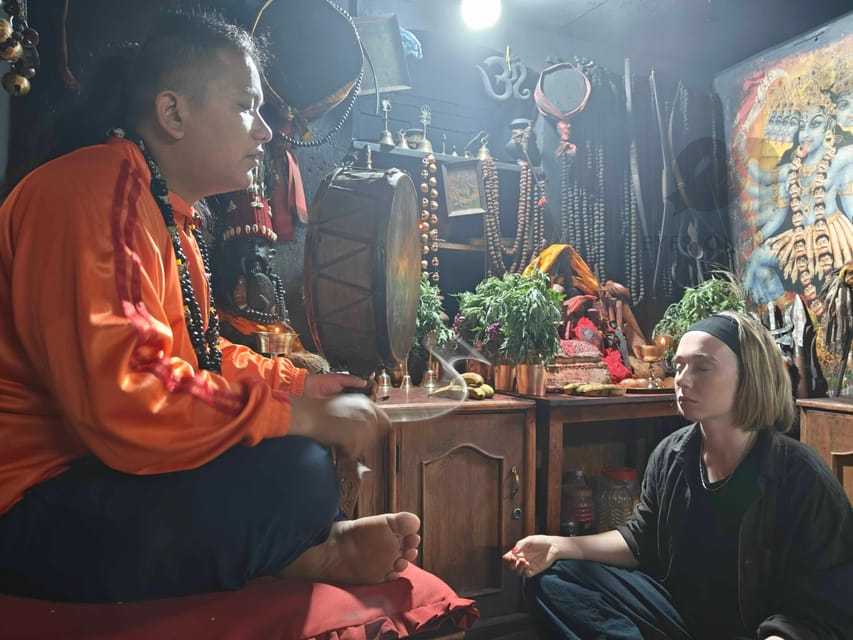
A shaman session in Nepal can feel oddly direct. You’re not watching a performance—you’re getting a one-to-one consultation at a temple in Bagmati Zone, where divination and energy cleansing are used for personal guidance and psychological relief. The whole experience is short, structured, and culturally specific.
What I like most is how personal it is. You get past, present, and future insights, and you also get a chance to see how Himalayan shamanism is carried out through divination and cleansing. The English translator/guide support matters, because this kind of practice relies on context.
One drawback to consider: it’s a niche spiritual approach, not a medical appointment. Also, shamans don’t work on Wednesdays, and there’s a long list of what you can’t bring (food, alcohol, large bags, and more), so plan simply.
In This Review
- Key things to know before you go
- Why a Private Shaman Session in Nepal Feels So Personal
- Finding the Shaman Temple Near Mandala Coffee and Bakery
- Inside the Consultation: Divination and Energy Cleansing
- What you can ask (and how to think)
- Why People Seek Shaman Help for Health and Sleep Issues
- The Temple Visit Part: More Than a Waiting Room
- Value for $40: What You Really Get in 1.5 Hours
- Possible extra costs to keep in mind
- Practical Rules: What You Can’t Bring (and Why It Matters)
- Wednesday is a Dealbreaker: Plan Your Day Like a Pro
- Who This Shaman Consultation Is Best For
- Should You Book This One-on-One Shaman Consultation?
- FAQ
- Where do I meet the guide for the Shaman consultation?
- How long is the consultation?
- What happens during the one-on-one consultation?
- Is this experience private?
- Is there an English-speaking guide?
- How much does it cost?
- What’s included in the price?
- What’s not included?
- Is the experience available on Wednesdays?
- Are there any restrictions or age limits?
Key things to know before you go
- One-to-one at a temple: A personal consultation instead of a group talk.
- Divination for past/present/future: The session is organized around life insights, not general advice.
- Energy cleansing focus: Clearing negative spirits and energies is part of the process.
- Short 1.5-hour format: Enough time to ask questions, without turning into an all-day commitment.
- English guide/translator support: Helps you follow what’s happening and what it may mean.
- Wednesday not available: If your schedule includes Wednesday, you’ll need another day.
Why a Private Shaman Session in Nepal Feels So Personal
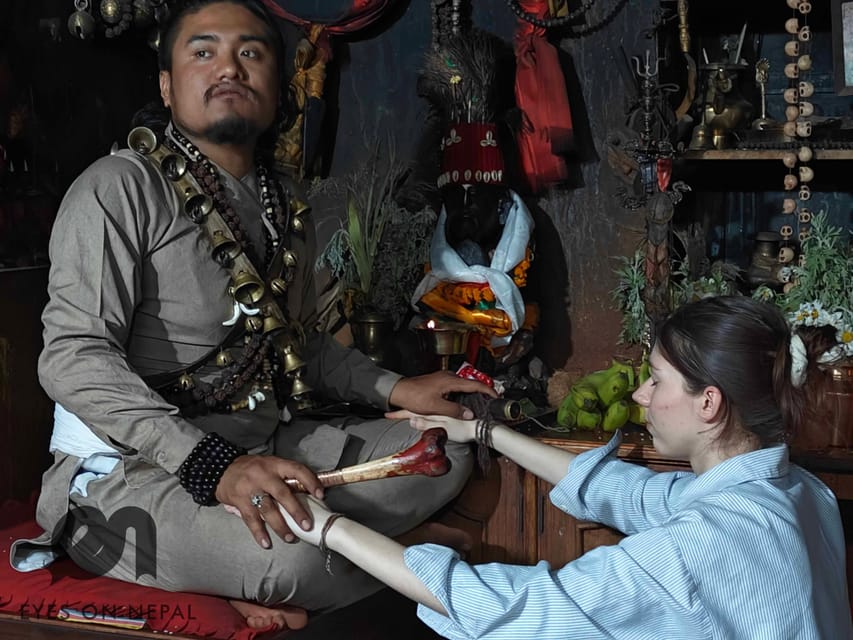
This is built as a face-to-face consultation, not a sit-in-and-watch activity. The shaman works with you directly, using divination to explore what’s going on in your life and what may be affecting your well-being. For many people, that direct attention is the main reason they go in the first place.
I also like that the experience acknowledges both the spiritual and the psychological side of healing. The session isn’t just about predictions; it’s framed around removing negative spirits and energies from your body. Even if you treat the process as symbolic, the goal is still self-reflection plus emotional release.
Finally, it’s clearly rooted in Nepalese culture. The practice is presented as an old form of shamanism, and that cultural grounding is part of the value. You’re not getting a generic “wellness” treatment.
You can also read our reviews of more tours and experiences in Province No 3 Nepal.
Finding the Shaman Temple Near Mandala Coffee and Bakery
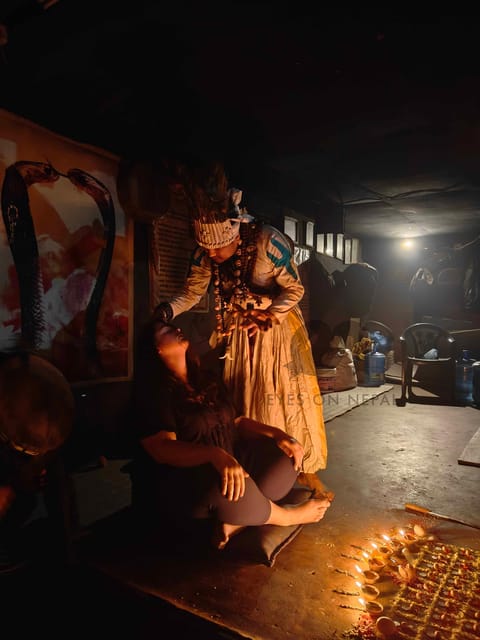
Your meeting point is easy: the Shaman Temple is less than 100 meters from Mandala Coffee and Bakery. That matters because you’re not hunting for a place you can’t quite picture. The café also gives you a convenient, comfortable option to use clean restrooms before you start.
If you arrive early, you can wait nearby with tea or coffee. You’ll likely want a calm buffer time too, because once you’re at the temple, the experience moves into a focused, personal setting. This isn’t the kind of activity where you want to be rushing.
Because it’s a private group experience, timing feels more exact. You’ll want to show up ready to begin rather than wandering around for half an hour.
Inside the Consultation: Divination and Energy Cleansing
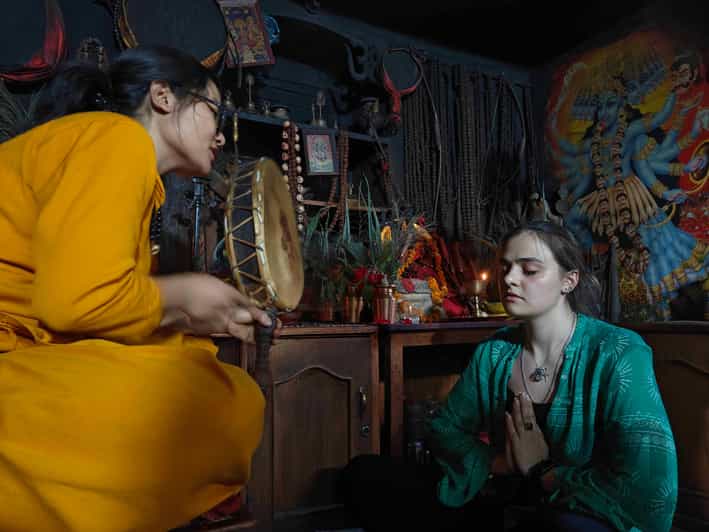
The session is designed around two main parts: divination and cleansing. You start with a personal consultation with the shaman at the temple, and the shaman uses divination to explore your life. The guidance is described in terms of past, present, and future, along with any negative energy or spirits that may be affecting you.
Then comes the cleansing component. The goal is to clear negative spirits and energies from your body. That cleansing is the “hands-on” element of the spiritual work, and it’s also where the experience tends to feel most intense.
What I find helpful for your expectations is that the whole structure is short and contained. This is not a multi-session program during the day. It’s a 1.5-hour appointment-style experience, guided by an English-speaking translator/guide.
What you can ask (and how to think)
The session is meant to give insight about health—again, described as past, present, and future. If you’re considering going, think about what you want clarity on beforehand. Names of feelings or patterns you’re dealing with can be easier to translate than vague worries.
Also: keep an open mind, but don’t force belief. This is still a cultural healing practice, and your comfort matters. If you want clinical certainty, you may leave disappointed. If you want personal insight and emotional relief, you’re more likely to feel satisfied.
Why People Seek Shaman Help for Health and Sleep Issues
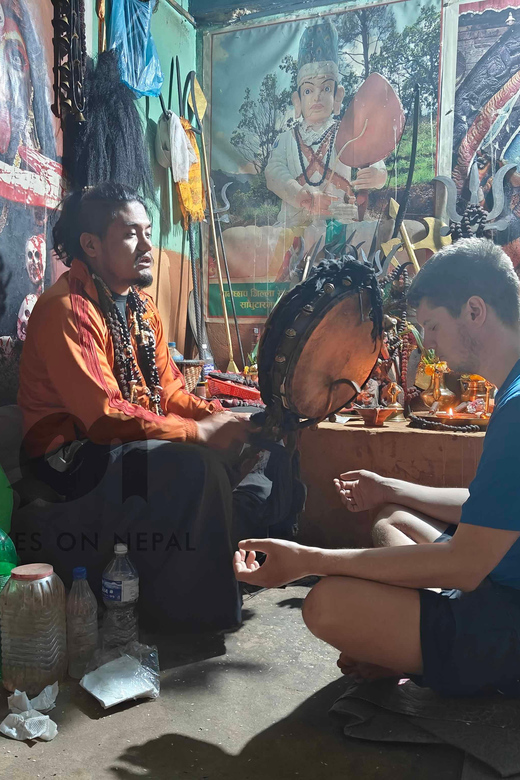
This experience is often chosen when more conventional approaches haven’t helped. The information provided with the experience specifically notes conditions people look for help with, such as epilepsy, insomnia, panic attacks, and depression.
That doesn’t mean the shaman “replaces medicine.” Instead, it helps explain why the session is framed as psychological healing as well as spiritual cleansing. The idea is that fear, stress, and mental strain can be connected to negative energies or spiritual causes—and clearing those may bring relief.
If you’re going for a health-related reason, I’d suggest approaching it as support alongside your existing care plan. Use it for reflection and coping tools, not as a substitute diagnosis.
The Temple Visit Part: More Than a Waiting Room
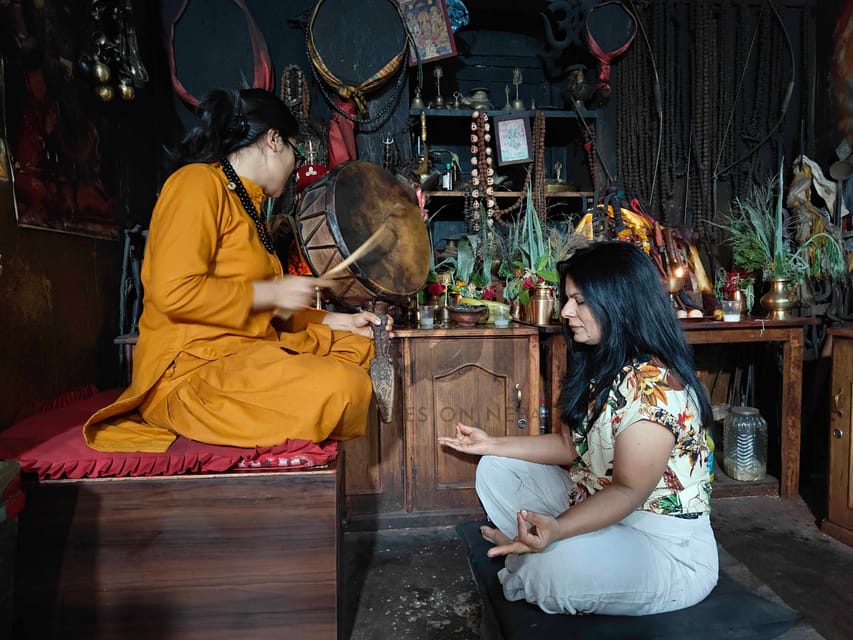
One of the highlights is that you get to explore a shaman temple before the consultation. That brief temple experience is more than scenery; it signals that this isn’t a studio session. You’re stepping into the setting where the practice is traditionally carried out.
The practical benefit: you get a chance to settle in and orient yourself before the personal part begins. Temples can also have rules about behavior and respect, so this early moment helps you learn the tone of the space.
Don’t treat the temple exploration as a long sightseeing stop. The day is about the consultation, and the temple time supports that goal.
Value for $40: What You Really Get in 1.5 Hours
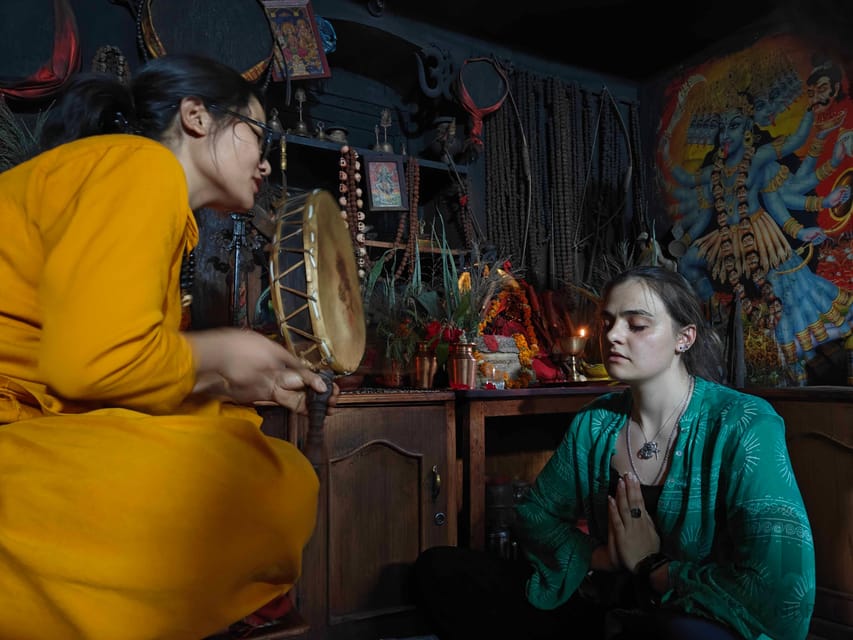
At $40 per person for 1.5 hours, you’re paying for a specific kind of access: a personal shaman consultation plus translation support. You’re also getting bottled water and a guide/translator included in the price.
In practical travel terms, this is a “high-touch” experience. A lot of cultural activities are group-based or observation-based. Here, the cost is tied to time and attention with the shaman, which is usually what you want when you’re looking for anything beyond standard tourism.
Possible extra costs to keep in mind
One potential surprise is that a donation in the healing center isn’t included. That doesn’t mean you’ll definitely be asked for one, but the fact that it’s listed as not included tells you to be prepared for an additional expectation. Tipping the guide is also not included.
So when you budget, consider the $40 as your base price, then leave a little extra room if you feel the occasion calls for a donation or tip.
Practical Rules: What You Can’t Bring (and Why It Matters)
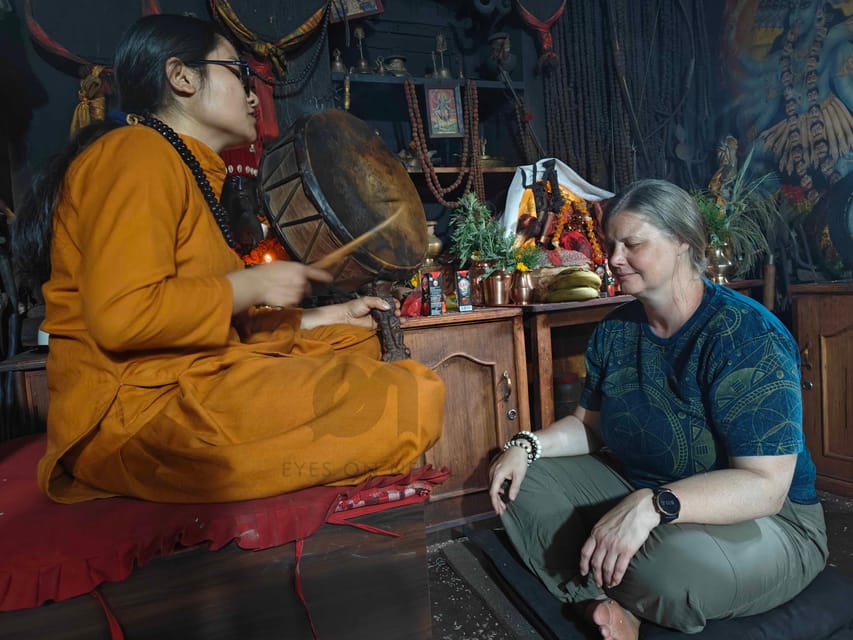
The experience has a clear list of items that aren’t allowed. Pets are not allowed. Food and drinks are not allowed. Luggage or large bags aren’t allowed. Drones, alcohol and drugs, and nudity are also not allowed.
This affects how you travel with the appointment in mind:
- Pack light, or plan to leave larger items behind.
- Don’t count on eating during the session. Bring water outside the session if you need it, since bottled water is included for inside.
- Avoid anything that could violate temple rules. If you’re unsure about something small, leave it out.
Also, it’s wheelchair accessible, which is a real plus for travelers who need that. And babies under 1 year aren’t suitable for the experience.
Wednesday is a Dealbreaker: Plan Your Day Like a Pro
If your trip includes a Wednesday, you need to adjust. This experience explicitly isn’t offered on Wednesdays because shamans don’t work that day.
For scheduling, that’s important because many travelers assume activities run daily. Here, the day you choose can decide whether the experience exists at all. If you want it, pick your day carefully and confirm availability before you rearrange your whole itinerary.
Who This Shaman Consultation Is Best For
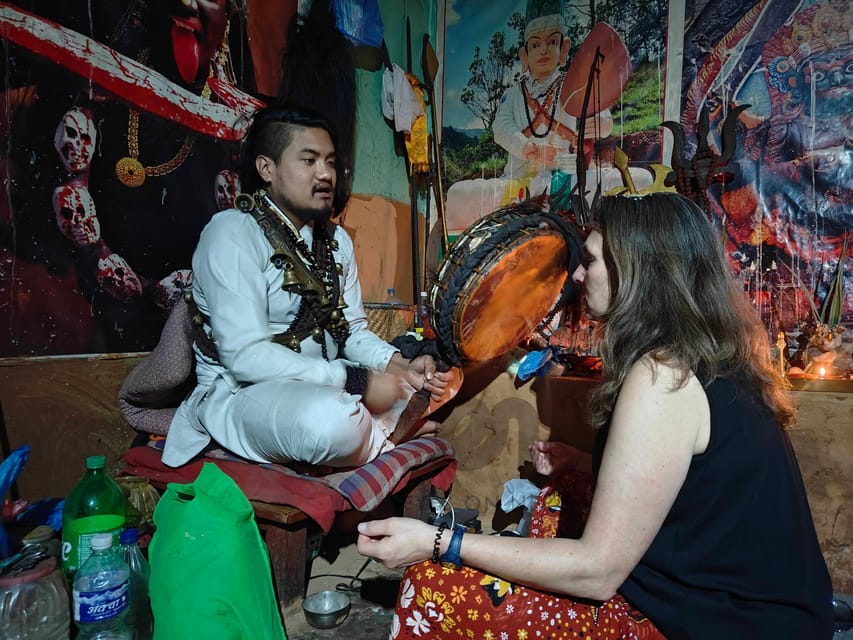
This is best for you if you want a niche cultural experience and you’re curious about Himalayan shamanism as it’s practiced in Nepal. I’d also say it fits well if you value personal attention and translation, because the English guide support is part of how the experience is set up.
Based on the feedback patterns, people especially like the clear introduction when it’s their first time with shamanism. One name that comes up in feedback for the English guidance is Siddharta, praised for explaining Tibetan or Nepalesian shamanism in a way that helps first-timers understand what they’re seeing.
That said, you should skip it if:
- You’re expecting something that works like a Western medical appointment.
- You need a very large-scope activity that fills a full day.
- Your schedule forces you into a Wednesday.
Should You Book This One-on-One Shaman Consultation?
I think you should book it if you’re looking for a short, structured way to engage with Nepalese spiritual healing traditions—especially if you want one-on-one attention, English interpretation, and a session focused on divination plus energy cleansing. The $40 price is reasonable for private access and translation support, and the 1.5-hour timing makes it easy to fit into a travel day.
I wouldn’t book it if you strongly prefer clinical certainty, or if your schedule pins you to Wednesday. Also, make sure you can follow the clear rules about what you can’t bring, and be ready for the possibility of a donation expectation since it’s not included.
If you want to keep things flexible, the experience is offered with free cancellation up to 24 hours in advance and a reserve now & pay later option. That reduces the risk of planning around an activity with a specific day constraint.
FAQ
Where do I meet the guide for the Shaman consultation?
You meet at Mandala Coffee and Bakery, and the Shaman Temple is less than 100 meters away.
How long is the consultation?
The total duration is 1.5 hours.
What happens during the one-on-one consultation?
You have a personal session with a shaman at a temple. The shaman uses divination to explore past, present, and future factors in your life and to identify negative energy or spirits affecting you.
Is this experience private?
Yes. It’s a private group experience, and the consultation is one-to-one.
Is there an English-speaking guide?
Yes. A live tour guide/translator provides the session in English.
How much does it cost?
The price is $40 per person.
What’s included in the price?
Included items are the one-to-one consultation with the shaman, bottled water, and a guide/translator.
What’s not included?
Not included are donations in the healing center, tipping to the guide, meals, and any items not mentioned in the itinerary.
Is the experience available on Wednesdays?
No. The experience isn’t offered on Wednesdays because shamans do not work that day.
Are there any restrictions or age limits?
Pets, food and drinks, luggage or large bags, drones, alcohol and drugs, and nudity aren’t allowed. It’s wheelchair accessible, and it’s not suitable for babies under 1 year.