REVIEW · KATHMANDU
12 Days Everest Base Camp Trek
Book on Viator →Operated by himalayan sanctuary adventure private limited · Bookable on Viator
Everest is closer than you think. This 12-day trek leans into easy logistics so you can focus on altitude, steps, and the Khumbu villages, with permits and paperwork handled ahead of time.
What I like most is that the trip is set up as an all-inclusive, multi-day trek rather than a puzzle you have to solve mid-trip.
You’ll also travel with an English-speaking, government-licensed guide and a porter setup (2 trekkers to 1 porter), which helps a lot when you’re climbing and carrying less. The included teahouse accommodation and meals during the trek keep each day simple: walk, eat, recover, repeat.
One real consideration: the Lukla flight can get delayed or canceled due to weather, and you should be ready for waits at Kathmandu or Lukla. Even the best plans can’t control mountain aviation.
In This Review
- Key things to know before you go
- Everest Base Camp, but with the hard parts pre-solved
- Price and what $1,390 covers in practice
- Kathmandu to Lukla: the flight day that sets your tone
- Day 1 to 3: Phakding, Namche, and acclimatization with Everest views
- Day 1: Phakding (around 2,651m)
- Day 2: Namche Bazaar (around 3,438m)
- Day 3: Acclimatization day from Namche
- Day 4 to 6: Tengboche monastery and a deliberate move toward higher altitude
- Day 4: Tengboche (around 3,870m)
- Day 5: Dingboche (around 4,360m)
- Day 6: Acclimatization in Dingboche
- Day 7 to 8: Lobuche, Gorak Shep, and the long push to Everest Base Camp
- Day 7: Lobuche (around 4,900m)
- Day 8: Gorak Shep (5,160m) and Everest Base Camp (around 5,365m)
- Day 9: Kala Patthar (5,555m) and why the viewpoint day is the payoff
- Day 10 to 11: descent to Namche and back to Lukla
- Day 10: Return toward Namche Bazaar
- Day 11: Trek back to Lukla
- Day 12: flying home and the farewell dinner touch
- Crew, permits, and the hidden value of tight planning
- Food, sleep, and how teahouse days affect your energy
- Who this trek suits best
- Should you book this 12-day Everest Base Camp trek?
- FAQ
- How long is the Everest Base Camp trek?
- What is the meeting start time for the trip?
- What route does the trek follow?
- Are trekking permits included?
- Are domestic flights included?
- What kind of accommodation is included on the trek?
- Are meals included?
- Is a guide included?
- Is porter service included?
- What is not included?
Key things to know before you go
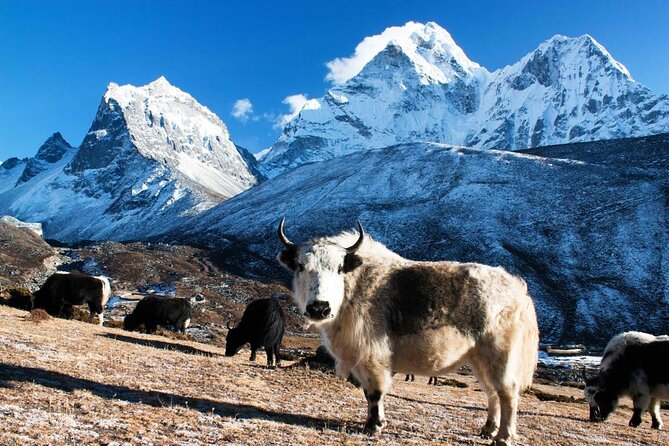
- Permits and TIMS handled: less admin stress before you ever reach the first trailhead.
- Teahouse meals included daily on the trek: breakfast, lunch, and dinner are planned around trekking days.
- Licensed English-speaking guide plus porter support: you get hands-on route help without carrying everything yourself.
- Tengboche monastery timing matters: you have a shot at observing a ceremony if timing lines up after 3:00 pm opening.
- Kala Patthar is the high point day: the route includes a summit push for big Everest views before descending.
Everest Base Camp, but with the hard parts pre-solved
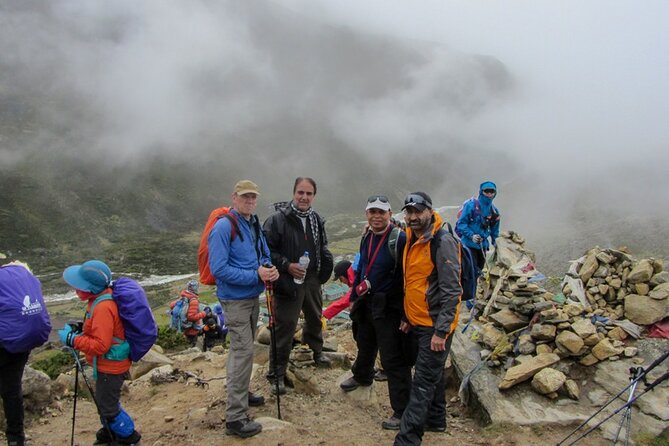
Everest Base Camp is one of those goals people talk about like it’s a fixed destination you just arrive at. In reality, what makes the trek special is the chain of small days: altitude changes, village life, and long stretches where your legs quietly negotiate with gravity. This kind of structured, all-inclusive package is built to remove the friction, so you can spend your energy where it counts.
What this tour does well is the mix of planning and flexibility. You’re not left to figure out permits, village stays, meals, or who exactly helps you with the route. Instead, you get a guide, porter support, pre-arranged teahouse lodging, and domestic flights between Kathmandu and Lukla, all wrapped into the 12-day schedule.
The best part for many people is the time you save on decision-making. When you’re already adjusting to altitude, worrying about paperwork or logistics can steal your focus. Here, those basics are handled for you, which is a big part of why the trek feels smooth.
You can also read our reviews of more hiking tours in Kathmandu
Price and what $1,390 covers in practice
At $1,390 per person, this trek is priced like a fully guided, organized Everest Base Camp trip. The value isn’t just the trek itself. It’s what’s bundled so you don’t have to book everything separately.
Included items that matter on this route:
- Domestic flights between Kathmandu and Lukla (round-trip in the trip flow)
- Teahouse accommodation with breakfast, lunch, and dinner during the trek
- Farewell dinner at the end
- A licensed English-speaking trek guide
- Porter service (2 trekkers : 1 porter)
- Trekking permits and paperwork (National Park Permit, TIMS)
- A medical kit carried by your trek leader
What’s not included (and you should plan for):
- Nepalese visa fee
- Travel insurance and rescue insurance
- Tips for guide(s), porter(s), and driver(s)
- Extra Kathmandu meals (lunch and evening meals) and any extra nights caused by flight timing
- Personal expenses like phone calls, laundry, battery recharge, and drinks
If you’re the type who hates last-minute booking, this price can feel fair because the “messy” parts are already handled. If you’re very independent and plan to organize your own permits, guide, porter, flights, and lodge placements, you might pay less on your own. But you also take on risk: delays, wrong permit steps, or lodging gaps during peak periods.
Kathmandu to Lukla: the flight day that sets your tone
The tour starts early, with a 5:15 am start time at the meeting point. Your first big movement is the morning flight to Lukla, then the trek begins toward Phakding. The flight is short, but it’s high-impact. On Everest routes, the timeline often depends on air conditions, and this operator flags that reality.
Here’s the practical advice: keep your buffer mindset. Even if your schedule looks clean on paper, you could face delays at Kathmandu or Lukla due to unfavorable weather. This isn’t unique to this trip; it’s how Lukla works. When flights slip, the best approach is calm patience, not rushing.
Once you land, you’ll meet the trekking team members in Lukla and start walking. That first trek day is intentionally manageable: it’s about getting into rhythm after sitting on a plane.
Day 1 to 3: Phakding, Namche, and acclimatization with Everest views
Day 1: Phakding (around 2,651m)
You fly to Lukla, then hike to Phakding via Cheplung village. The day is set up as a warm start: a few hours of walking with views and the first feel of the Khumbu trekking pace. The height is real, but it’s not a brutal shock.
What you’ll likely appreciate: the trek is paced enough that you can start learning how your body responds. Don’t treat this as a training run. Treat it as day one of a multi-day altitude climb.
Day 2: Namche Bazaar (around 3,438m)
From Phakding, the trail heads toward Namche Bazaar and crosses the Dudh Koshi River, passing villages like Chumoa and Monjo as you move into the Everest National Park area. You’ll also cross suspension bridges and keep walking alongside river corridors as the trail steepens.
Namche is more than a waypoint. It’s where you’ll feel the trek’s bigger ecosystem: shops, lodge clusters, and the Sherpa-rooted culture that defines this region. The pace feels more “real” here because the elevation change becomes noticeable.
Day 3: Acclimatization day from Namche
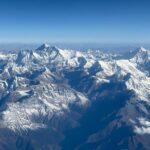
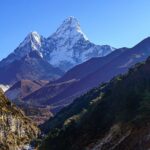
This is your altitude buffer day. You explore Namche Bazaar and hike up in the area with sunrise views over major Himalaya peaks—including Everest, Lhotse, Nuptse, Ama Dablam, Thamserku, Kongde, and more. If you want an extra day hike, options include walking to Khumjung village.
This day matters because it’s not just scenery. It’s how you reduce the risk of getting hammered too fast. You’re training your body to sleep higher than it’s comfortable.
Day 4 to 6: Tengboche monastery and a deliberate move toward higher altitude
Day 4: Tengboche (around 3,870m)
Today the trek rises toward Tengboche village. You’ll pass a stretch that’s described as easier until Phunki, then continue ascending. The headline here is Tengboche monastery, the biggest monastery in the Everest region.
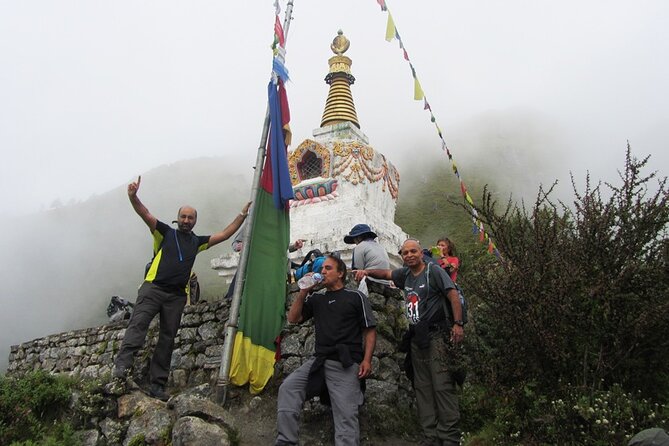
There’s a practical timing detail that’s worth knowing: the monastery opens at 3:00 pm. If you reach Tengboche by about 4 o’clock, you can potentially observe a Buddhist religious ceremony. Even if timing doesn’t line up perfectly, you’ll still get that classic Tengboche feel—stone, prayer flags, and mountain views.
Day 5: Dingboche (around 4,360m)
From Tengboche you trek downhill toward Debuche, cross the Imja River, then pass through Pangboche and its monastery area before continuing toward Dingboche along the Imja Valley and Lobuche River.
This is a day where the trail can feel like a lot of ups and downs even when the distance isn’t extreme. Mentally, that’s fine. Physically, it means keeping your steps controlled and steady. Think slow and efficient.
Day 6: Acclimatization in Dingboche
You stay in Dingboche to let your body catch up. The plan includes hiking to a viewpoint behind Dingboche (about a four-hour hike mentioned) to see peaks including Lhotse, Makalu, and Cho Oyu.
This acclimatization day is part of why the itinerary is structured the way it is. You’re not just “taking a day off.” You’re moving higher enough to adapt and lower enough to keep it manageable.
Day 7 to 8: Lobuche, Gorak Shep, and the long push to Everest Base Camp
Day 7: Lobuche (around 4,900m)
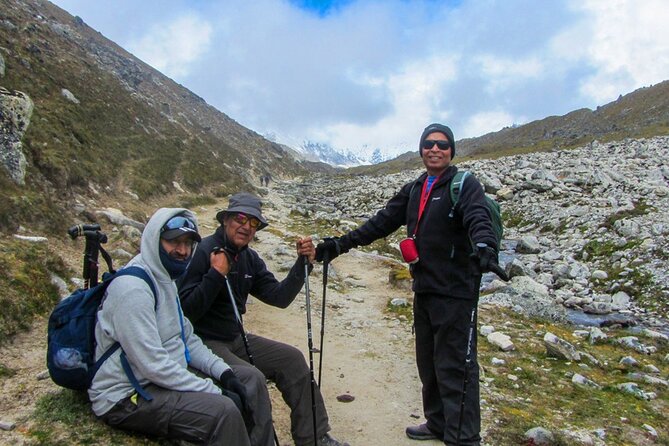
The trek continues toward Lobuche and passes Dughla pass. You’ll walk about 7 hours and cover roughly 9 km on this segment.
As you gain altitude, the environment changes. The air feels thinner, and even small climbs take more effort. On days like this, the porter help and the planned schedule make a real difference. You’re saving energy for the next big day.
Day 8: Gorak Shep (5,160m) and Everest Base Camp (around 5,365m)
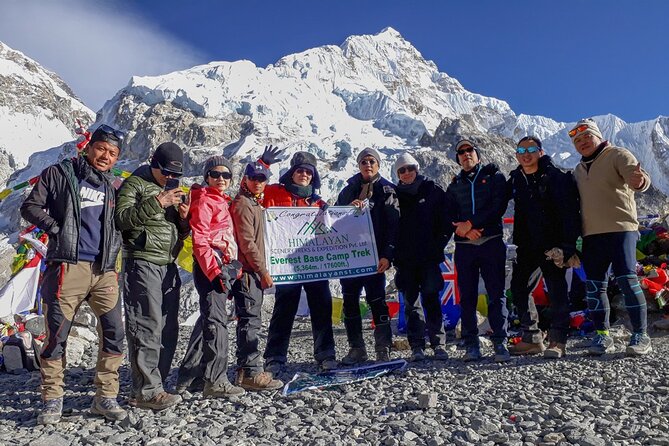
This is a long day, described as nearly 12 hours and about 17 km from Lobuche to Gorakshep, with a lodge check-in and lunch before walking to Everest Base Camp.
Here’s the key mental shift: base camp is the headline, but the day is also about timing. You hike to Gorakshep, recover briefly, then continue. When you get to Base Camp, the views can feel so close that it’s hard to process how high everything really is. You’ll likely see features like Nuptse, Khumbuste, and Pumori from the area as you walk.
Also note what this plan includes: you return from the base camp area back to Gorakshep for the night. That reduces the chance you’ll feel stranded at the end of the day.
Day 9: Kala Patthar (5,555m) and why the viewpoint day is the payoff
Day 9 is built around early breakfast, then a climb to Kalapatthar for panoramic views, including Everest. It’s noted as about a three-hour ascent to the top, then you go back down to Gorakshep for lunch, and finally continue down to Pheriche for the night.
This is the day many people remember most. The altitude is intense, but you’re aiming for a payoff viewpoint. The route choices are tight enough that you’re not wandering around unsure. The plan is clear: summit viewpoint, then controlled descent.
If you want to travel smarter here, slow your pace on the ascent. Your goal isn’t speed. Your goal is staying steady and getting to the top while still able to enjoy the view after you arrive.
Day 10 to 11: descent to Namche and back to Lukla
Day 10: Return toward Namche Bazaar
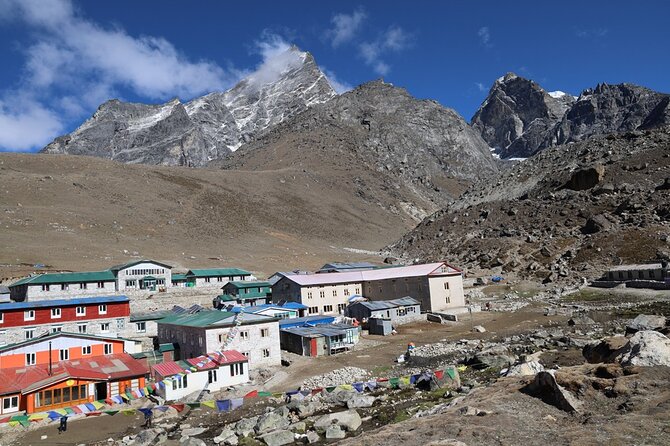
You leave the high country behind. The descent runs through Pangboche and Tengboche, then continues to Namche Bazaar. The itinerary notes about 5 hours here, arriving in the afternoon, with overnight at a guesthouse.
Descent days feel easier mentally because you’re going down, but they can be rough on your knees. Trek poles are helpful if you use them. Also, this is a good time to drink water consistently and keep meals steady so you’re not running on fumes.
Day 11: Trek back to Lukla
On the final trekking day, you return to Lukla, described around 6 hours. The afternoon is free in Lukla for reflection and relaxation. The itinerary also highlights the chance for a hot shower, plus a chance to celebrate with your trekking mates.
Even on a short timeline, this day is emotional for many people. You’ve spent days moving through a world that feels remote. Returning to Lukla makes it feel real, like you’re back in the timeline of normal life.
Day 12: flying home and the farewell dinner touch
After the trek, you catch an early morning flight to Kathmandu. On arrival, you’re transferred to your hotel. The trip includes a cultural dinner in the evening, giving the journey a clean ending.
In the feedback tied to this operator’s service, the farewell dinner in Kathmandu shows up as a meaningful detail. It’s not about the food being fancy; it’s about marking the finish line with your guide and crew.
Crew, permits, and the hidden value of tight planning
This trip includes a lot of the behind-the-scenes work that can make or break a Himalayan trek. You get:
- All necessary paperwork and trekking permits (National Park Permit, TIMS)
- A government-licensed guide who speaks English
- A medical kit carried by the trek leader
- Local staff costs covered, including insurance and basic planning support
- Porter service (2 trekkers per porter)
And from the service notes shared by clients, communication can be strong from start to finish, with Bishnu specifically named for that support. That kind of responsiveness matters before you ever reach Nepal, because it reduces uncertainty when flights, documents, and schedules can be stressful.
There’s also a practical packing angle mentioned in the service feedback: the organizer provided duffel bags that are needed for trekking. That’s a small thing, but it helps you manage gear organization in a region where day-to-day carry matters.
Food, sleep, and how teahouse days affect your energy
This trek uses teahouse lodging, with meals included during the trekking days. That means you can plan your energy without constantly negotiating food choices at every stop.
Here’s what to expect in a realistic way:
- You’ll eat in the lodge each day (breakfast, lunch, dinner included)
- You’ll spend nights in pre-arranged teahouses/guesthouses
- Recovery is part of the route, not separate from it
If you’re new to high-altitude trekking, this kind of structure helps. When you know where you’ll sleep and what you’ll eat, you can focus on pacing, hydration, and letting your body adapt.
Who this trek suits best
This itinerary is best if you:
- Want an all-inclusive structure rather than self-planning every detail
- Prefer hands-on route support in a place where the trail is real but the logistics can be tricky
- Have moderate physical fitness and want a guided schedule that supports acclimatization
- Are okay with teahouse-style lodging and the rhythms of daily walking and recovery
It might be less ideal if you’re an ultra-individualist who wants total control over permits, lodge choices, and meal planning. Also, if the idea of possible flight delays at Lukla stresses you out, you’ll want to mentally prepare for wait time as part of the deal.
Should you book this 12-day Everest Base Camp trek?
If your goal is Everest Base Camp with fewer planning headaches, this tour makes a strong case. The bundled permits, domestic flights, licensed guide, porter support, and teahouse meals are exactly the kind of “invisible help” that makes a difficult trek feel manageable.
I’d book it if you want a clean structure: clear day-to-day milestones, acclimatization built in, and a viewpoint day that’s designed around Kala Patthar. I’d think twice only if you know flight delays at Lukla will derail your mindset, or if you’re trying to minimize spending by handling everything yourself.
In this region, the mountains are the main event. A good operator helps you arrive ready, not frazzled.
FAQ
How long is the Everest Base Camp trek?
The itinerary runs about 12 days, including travel between Kathmandu, Lukla, and back to Kathmandu.
What is the meeting start time for the trip?
The meeting start time is 5:15 am.
What route does the trek follow?
The trek starts with Kathmandu to Lukla, then walks through Phakding, Namche Bazaar, Tengboche, Dingboche, Lobuche, Gorak Shep, Everest Base Camp, Kalapatthar, Pheriche, and back down through Tengboche and Pangboche to Namche Bazaar and Lukla, then returns to Kathmandu.
Are trekking permits included?
Yes. The tour includes the National Park Permit and TIMS.
Are domestic flights included?
Yes. Domestic flights between Kathmandu and Lukla are included (Kathmandu–Lukla–Kathmandu).
What kind of accommodation is included on the trek?
You’ll stay in teahouses during the trek, with pre-arranged accommodations. On the return, there is also an overnight in a guesthouse in Namche Bazaar.
Are meals included?
Yes. Teahouse accommodation includes breakfast, lunch, and dinner during the trek, plus a farewell dinner at the end.
Is a guide included?
Yes. The tour includes an experienced, English-speaking, government-licensed trekking guide.
Is porter service included?
Yes. Porter service is included with a ratio of 2 trekkers to 1 porter.
What is not included?
Not included are the Nepal visa fee, travel and rescue insurance, entrance fees for sightseeing, extra Kathmandu meals (lunch and evening meals), personal expenses, tips, and additional costs caused by flight delays or extra nights in Kathmandu.