REVIEW · KATHMANDU
Kathmandu’s 7 UNESCO Heritage Gems: Private Full-Day Tour
Book on GetYourGuide →Operated by Kashyap Raj Pandit · Bookable on GetYourGuide
Seven UNESCO sites in one long Kathmandu day. I love how Kashyap Raj Pandit turns each stop into a clear, human story, and I love the sheer efficiency of 7 UNESCO sites in about 8 hours. The trade-off is a packed day, plus you’ll still need to plan for monument entrance fees.
You also get little practical perks that matter when your feet are working overtime: a bottle of water and the included food tasting (momo and hog plum candies). Since this is a private group with an English- and Hindi-speaking guide, the pacing can flex if traffic or timing gets weird. Pickup is optional if you want a simpler start.
The final chapter at Pashupatinath Temple and the Bagmati River aarti gives the whole circuit a strong emotional finish. Just be ready for a day that mixes Hindu and Buddhist sites back to back, with plenty of walking.
In This Review
- Quick hits before you go
- Kathmandu in one day: why this UNESCO route makes sense
- Price and entrance fees: what $40 buys you (and what it doesn’t)
- Swoyambhunath Monkey Temple: stupa views and the first lesson in Kathmandu
- Kathmandu Durbar Square to Bhaktapur Durbar Square: Kumari Ghar and the palace complex scale-up
- Changunarayan Temple and Patan Durbar Square: carvings you can actually see
- Boudhanath Stupa: from busy city motion to a calmer kind of attention
- Pashupatinath Temple and the Bagmati aarti: the last stop that lands
- How the guide, food tasting, and pacing change the day
- Who this day tour is best for (and who should think twice)
- Should you book this Kathmandu UNESCO day tour?
- FAQ
- How long is the tour?
- What does the tour cost?
- Is this a private group tour?
- Where is the meeting point?
- Are entrance fees included?
- What food is included?
- Which languages does the guide speak?
- Does the tour skip the ticket line?
- Is free cancellation available?
Quick hits before you go
- 7 UNESCO World Heritage sites in one day, so this is ideal for a short Kathmandu visit
- English/Hindi live guide in a private group, with time to ask questions as you go
- Food tasting included: momo dumplings and hog plum candies, plus a bottle of water
- Skip-the-ticket-line starting point at the Swoyambhunath ticket counter
- Real contrast across neighborhoods, from Swayambhunath and Boudhanath to Durbar Squares and Bhaktapur
- Evening aarti at Pashupatinath by the Bagmati River, a powerful way to end the day
Kathmandu in one day: why this UNESCO route makes sense
This tour is built for one main goal: seeing a lot of Kathmandu’s UNESCO-listed landmarks without spending your whole trip figuring out routes, tickets, and timing. If you only have a day (or you’re trying to squeeze culture between other plans), stacking multiple major sites in one pass is a smart move.
What makes it work is the order. You start with Swayambhunath’s views and stupa area, then shift into the Durbar Square world of temples and royal courtyards, then head toward Patan and Boudhanath, and finally close with Pashupatinath and the evening aarti. That last step matters. You go from architecture and museum-like detail into something active and spiritual.
The main thing to watch is your energy level. Eight hours sounds doable on paper, but the day includes guided time, walking, and at least one transport segment. If you prefer slow wandering and long rests, you might find this itinerary a bit too tight.
You can also read our reviews of more private tours in Kathmandu
Price and entrance fees: what $40 buys you (and what it doesn’t)
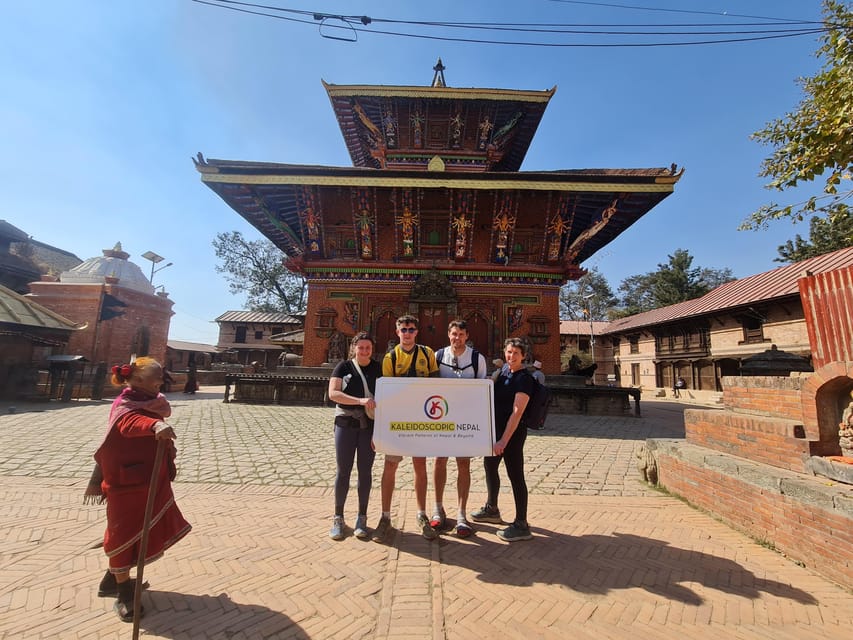
The tour price is $40 per person, and for that you’re paying for the guiding and the structure of a full-day circuit. Included basics are a bottle of water, a local food tasting (momo and hog plum candies), and a professional English-speaking guide. Transportation is included only if you choose the Transportation option.
Here’s the important part: entrance fees are not included. The tour lists these monument costs in Nrs:
- Swoyambhunath: 200 Nrs
- Kathmandu Durbar Square: 1000 Nrs
- Bhaktapur Durbar Square: 1800 Nrs
- Changunarayan Temple: 400 Nrs
- Patan Durbar Square: 1000 Nrs
- Boudhanath Stupa: 400 Nrs
- Pashupatinath Temple: 1000 Nrs
Add them up and you’re looking at about 5,800 Nrs if you pay the full set listed. Plan for that so you’re not scrambling mid-day.
Value-wise, the deal is strongest if you care about learning from a guide. The guide’s job isn’t just pointing at buildings. It’s translating what you’re looking at—like why each Durbar Square is different, or what details on Changunarayan Temple are worth your eye catching.
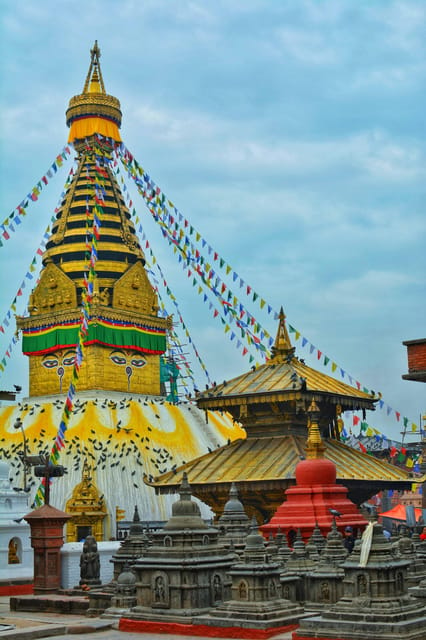
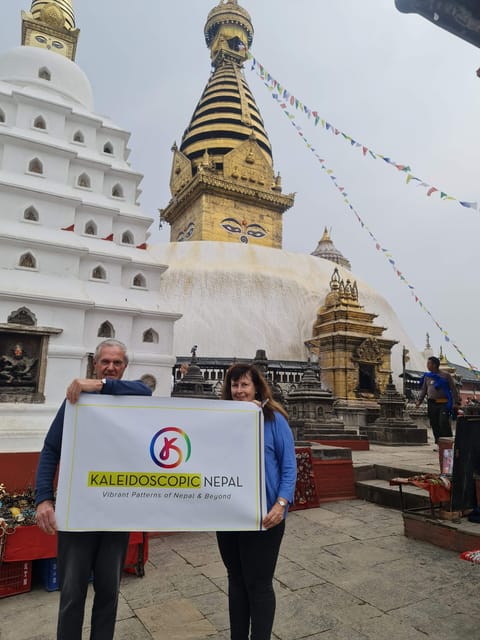
Swoyambhunath Monkey Temple: stupa views and the first lesson in Kathmandu
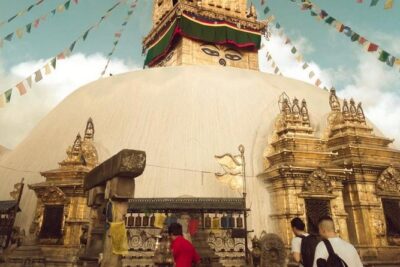
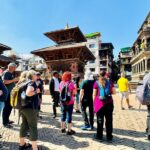
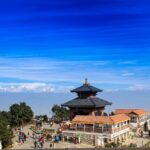
Your day starts at Swoyambhunath, also known as the Monkey Temple. The vibe here is lively right away: there’s a guided walk, scenic views on the way, and then time to explore the stupa and the surrounding monasteries.
Swoyambhunath is a great opener because it gives you perspective. From up there, Kathmandu feels layered—rooftops, courtyards, and hills all stacked together. Even if you’ve only been in the city a short time, the view helps you understand where everything sits.
The guided portion is listed as 45 minutes, which is a good length for a first stop. You get enough time to orient yourself and learn what matters, without burning the whole morning. And you’ll start with skip-the-ticket-line handling at the ticket counter, so you waste less time before you even see the stupa.
Practical tip: wear comfortable shoes. This is a day built on walking and steps.
Kathmandu Durbar Square to Bhaktapur Durbar Square: Kumari Ghar and the palace complex scale-up
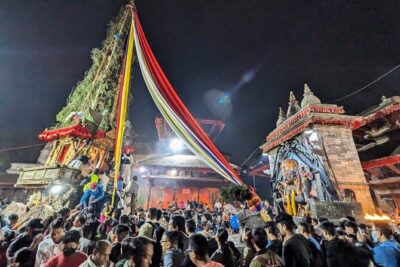
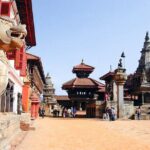
After Swoyambhunath, the route brings you back into the city’s temple-and-courtyard world with Kathmandu Durbar Square. Here you’re looking at historic temples and the Kumari Ghar, the residence of the Living Goddess. Even if you don’t plan around any specific ceremonies, the site’s layout makes it clear this isn’t just a photo stop. It’s part of Kathmandu’s ongoing cultural rhythm.
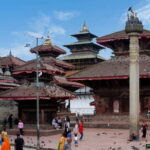
Then you head to Bhaktapur Durbar Square, and the change in scale is noticeable. Bhaktapur’s royal palace complex gives you a different feeling than the main Kathmandu square: more compact, more ornate, and often easier to read as a place that grew over time. You’ll also visit the Nyatapola Temple and the 55-Window Palace.
This is one of those segments where a guide can change your whole experience. When someone explains what you’re seeing—like how these palace and temple spaces are meant to function—the details start to click. Without that, you might just see carved walls and tall structures. With it, you start understanding the logic behind the design.
Lunch time is built in here. You’ll enjoy a leisurely lunch at a local restaurant in Bhaktapur. Since lunch isn’t listed as included, treat it as your chance to reset—water, food, and a short sit—before you continue to the next heritage stop.
What to watch: Durbar Square areas can feel crowded and busy, and Bhaktapur involves more walking. If you’re traveling with anyone who tires quickly, this is the part where you might want to slow your pace and take extra breaks.
Changunarayan Temple and Patan Durbar Square: carvings you can actually see
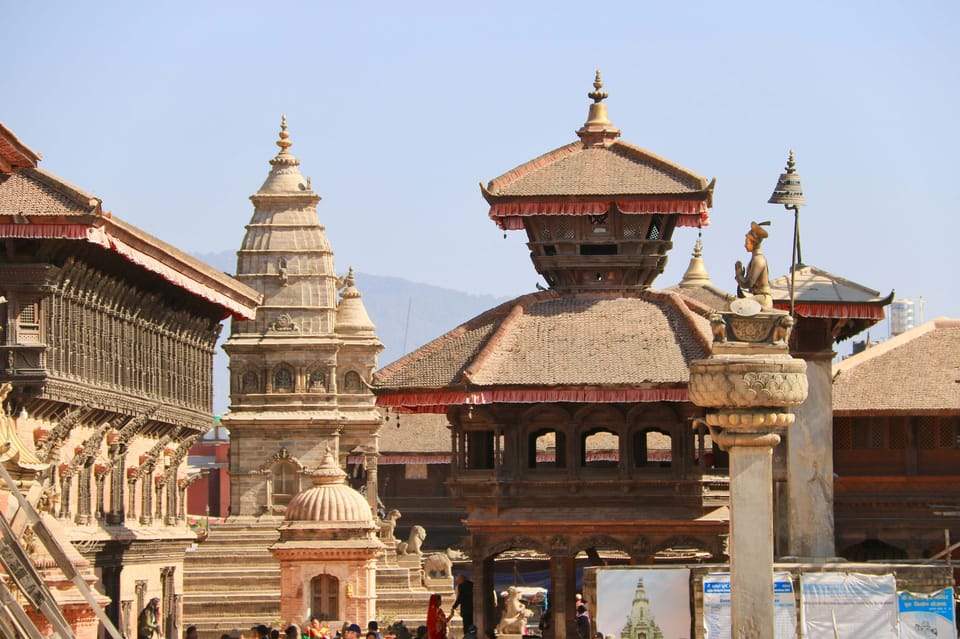
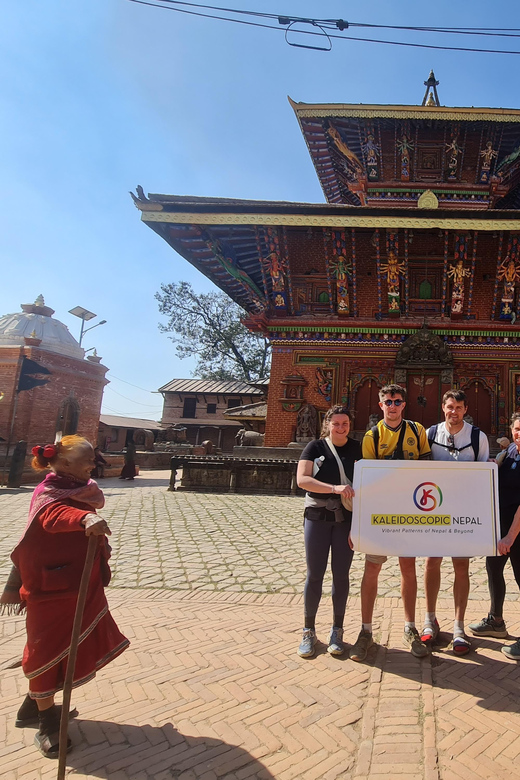
Next up is Changunarayan Temple, a UNESCO World Heritage Site known for ancient Hindu architecture and intricate carvings. This stop is especially worthwhile if you like details. The temple’s style is the kind that rewards close looking: repeated motifs, careful workmanship, and a sense that craft is the main event.
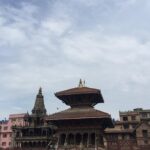
After that, you’ll go to Patan Durbar Square, where you can explore ancient palaces, temples, and the Golden Temple. Patan’s Durbar Square often feels like a different angle on Kathmandu’s royal and religious architecture—still in the same heritage family, but with its own personality.
This pair of stops is a smart sequencing move. Changunarayan is more about architectural depth and fine carvings. Patan shifts the focus toward palace-temple complexes and the visual impact of a major sacred structure, including the Golden Temple.
My advice for your visit: when you’re at the temple carvings, don’t rush to the biggest thing first. Spend time on the smaller details along the edges and pillars. That’s where the craftsmanship is most obvious.
You can also read our reviews of more historical tours in Kathmandu


Boudhanath Stupa: from busy city motion to a calmer kind of attention
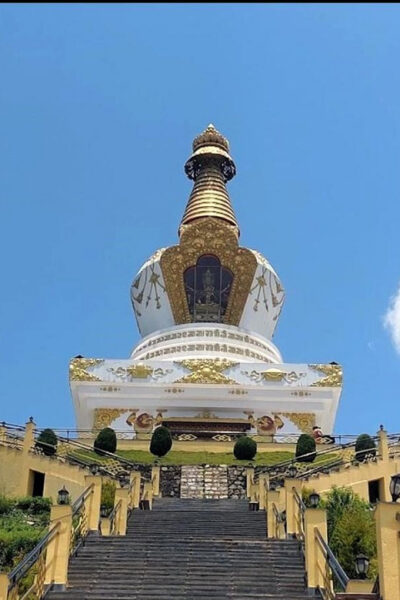
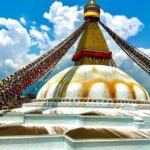
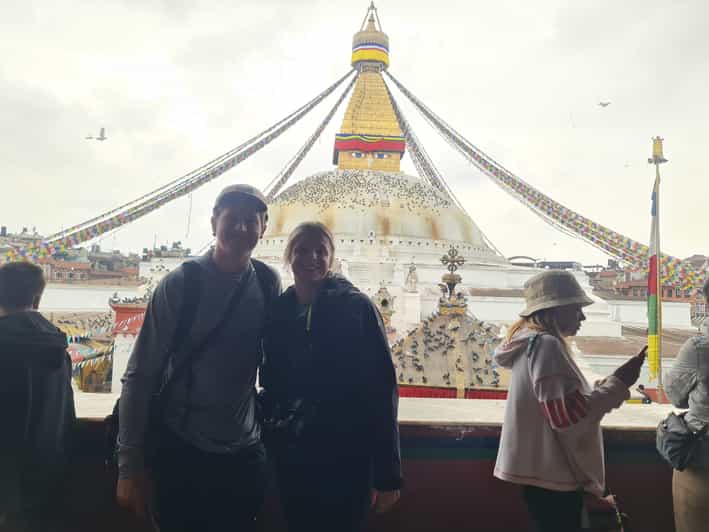
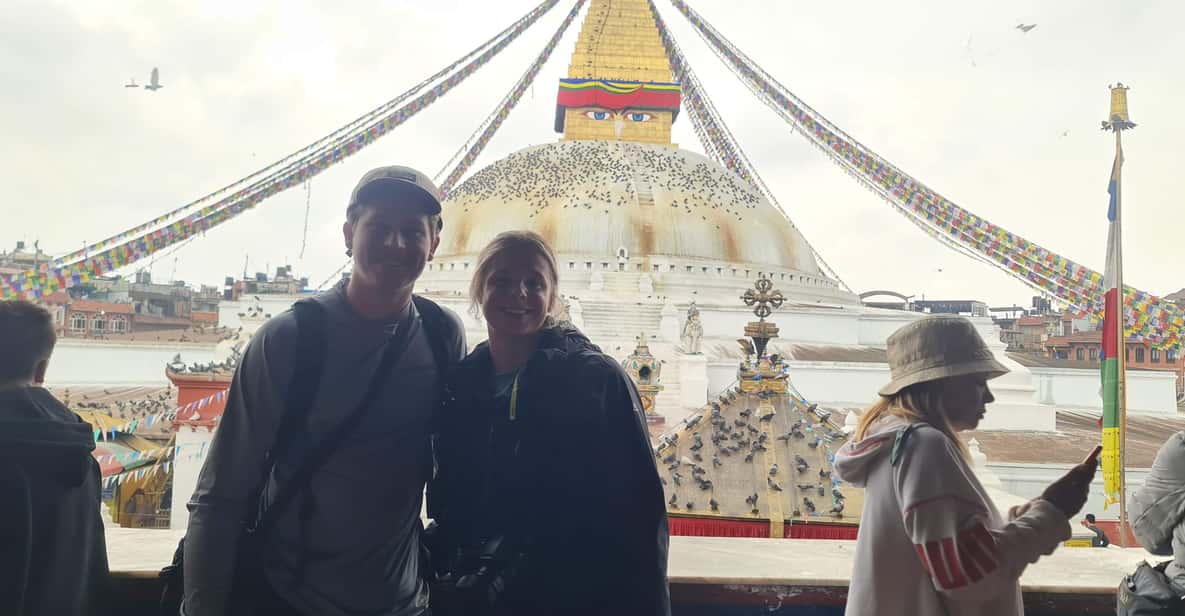
Then you move to Boudha (Boudhanath) Stupa, one of the largest stupas in Nepal. This part of the day slows slightly in feel. You’ll do a guided visit and sightseeing time, with walking and scenic views on the way.
There’s also a public transport segment listed around this stretch (45 minutes). That’s not a negative. It’s a chance to see everyday Kathmandu between the big monuments rather than only bouncing from one highlight to the next.
Boudhanath is famous for its atmosphere. The stupa sits there like it has all the time in the world, while people move in their own rhythms around it. If you’ve been feeling rushed by the earlier Durbar Square energy, this is a good moment to breathe and let the day shift gears.
Pashupatinath Temple and the Bagmati aarti: the last stop that lands
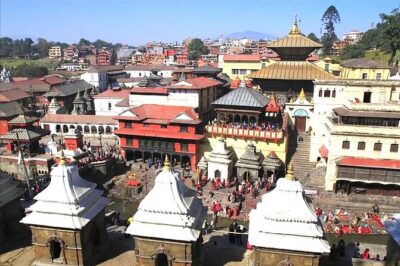
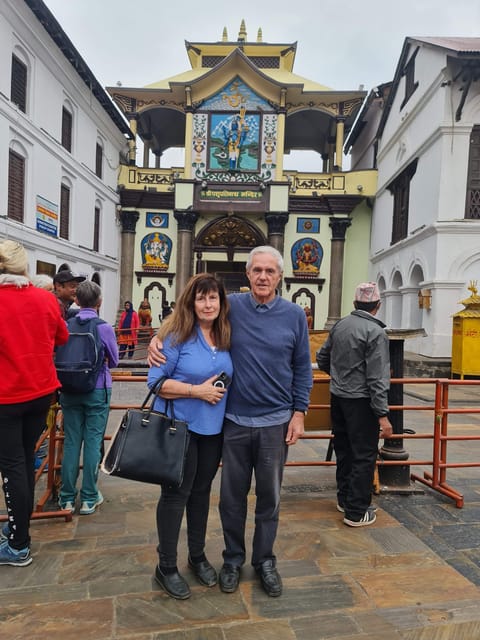
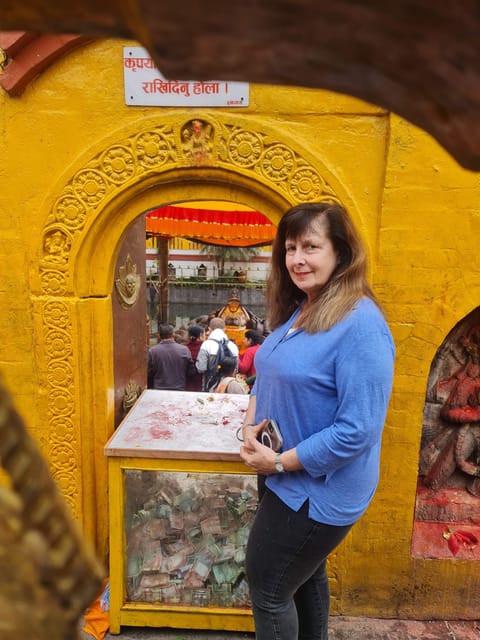
You end at Pashupatinath Temple, a sacred Hindu site on the banks of the Bagmati River. This isn’t just about seeing the temple from the outside. The itinerary includes time to conclude the day with the evening aarti, a Hindu ritual on the riverbank.
This ending is powerful because it’s active. You’re not only studying architecture anymore. You’re witnessing a living religious practice in a place where tradition and daily life overlap.
From a traveler’s point of view, it also helps your memory. The earlier stops are big and important, but they’re mostly built things. The aarti adds sound, motion, and emotion, which makes the whole heritage loop feel more connected.
At the end of the tour, you get three drop-off options: Pashupatinath Temple, Sorhakhutte, and Thamel. That’s handy if you’re staying in central Kathmandu and don’t want to negotiate last-mile transportation while your legs are yelling at you.
How the guide, food tasting, and pacing change the day
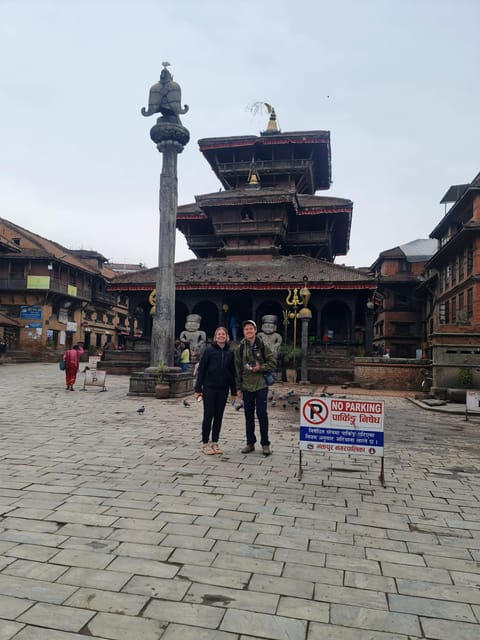
The guide you’ll meet is Kashyap Raj Pandit, and the strongest value here is the way he helps you read each place. A private group means you’re not stuck with a scripted pace that ignores your questions or interests. You can ask what something means, and you can request slight adjustments if timing or traffic demands it.
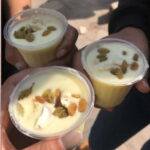
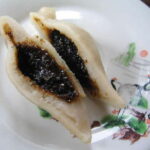
The day also includes a thoughtful break in the form of food tasting. You’ll try momo (dumplings) and local hog plum candies. It’s not a huge meal, but it’s enough to keep you from feeling like your only fuel is water and willpower. That matters on an 8-hour monument marathon.
Language-wise, you’re covered too: the guide provides live interpretation in English and Hindi. So if you’re comfortable with one language more than the other, you won’t be left behind.
One more practical note: since entrance fees aren’t included, the day runs smoother if you’re mentally prepared for paying at each monument. And because the day is private, it’s easier to move in a way that avoids extra waiting.
Who this day tour is best for (and who should think twice)
This tour fits you if you:
- want to see major UNESCO-listed Kathmandu highlights in a limited amount of time
- enjoy learning on the move, not just taking photos
- appreciate a mix of Hindu and Buddhist sacred sites in one day
- like the idea of ending with a real ritual at Pashupatinath
It may not fit you as well if you:
- hate walking for long stretches or climbing steps
- prefer unhurried visits where you can sit and watch without moving on
- want everything fully included (because entrance fees are a separate cost)
Also, if you’re the type who wants to pick only one or two sites and spend most of the day there, you might find this schedule too intense. But if your goal is breadth and understanding, this is built for that.
Should you book this Kathmandu UNESCO day tour?
I think you should book it if you want a well-guided, efficient way to cover key landmarks without getting lost in logistics. The private format, the included food tasting, and the fact that you end with Pashupatinath’s evening aarti make it more than just a checklist.
If you do book, come prepared for a long day: comfortable shoes, an eye for details (especially at Changunarayan), and a budget for entrance fees. Do that, and you’ll walk away with a clearer sense of how Kathmandu’s sacred spaces connect—across temples, palaces, and the riverbank rituals that bring it all to life.
FAQ
How long is the tour?
The tour duration is 8 hours.
What does the tour cost?
The price is $40 per person.
Is this a private group tour?
Yes. It’s listed as a private group.
Where is the meeting point?
You meet at the ticket counter at Swoyambhunath.
Are entrance fees included?
No. Entrance fees to the monuments are not included, and the listed costs are in Nrs for each site.
What food is included?
The included food tasting is momo (dumplings) and local hog plum candies, plus a bottle of water.
Which languages does the guide speak?
The live guide provides English and Hindi.
Does the tour skip the ticket line?
Yes, the tour includes skip-the-ticket-line handling.
Is free cancellation available?
Yes. You can cancel up to 24 hours in advance for a full refund.