REVIEW · KATHMANDU
200 Hours Yoga Teacher Training at Nepal Yoga Home (starts on 1st of everymonth)
Book on Viator →Operated by Nepal Yoga Home · Bookable on Viator
A 21-day teacher training can change your routine fast, and this one is based at a calm center in Kathmandu. You’ll get a structured 200-hour program (Hatha and Ashtanga traditions) with accommodation and meals included, all within the Nepal Yoga Home setting.
I like the practical value here: you’re not just doing classes, you’re learning how to support students through yoga philosophy and teaching skills. I also really appreciate the care-and-community vibe built around the training space, with teachers and staff described as warm and organized. One drawback to consider: it’s a focused retreat-style program, and private transport and sightseeing/trekking aren’t included, so you’ll want your Kathmandu plans to be simple.
In This Review
- Key points before you book
- Why a 200-hour training in Kathmandu fits real life
- Nepal Yoga Home: accommodation, food, and day-to-day comfort
- What you actually study: Hatha + Ashtanga, plus teaching methods
- A typical 21-day rhythm (and how to prep your brain)
- Meditation and yoga philosophy: the part people don’t plan for
- Accommodation + training schedule: the hidden value of staying put
- Price and value: is $2,000 fair for 21 days?
- Logistics in Kathmandu Valley: getting there and staying sane
- Who this training is best for
- Should you book this Nepal Yoga Home YTT?
- FAQ
- How long is the 200-hour yoga teacher training at Nepal Yoga Home?
- Where is the yoga teacher training located?
- What is the starting schedule?
- How much does the program cost?
- What’s included in the price?
- What is not included?
- How many people are in the group?
- Is it close to public transportation, and are service animals allowed?
- What happens if the course is affected by weather or the minimum number of travelers?
Key points before you book
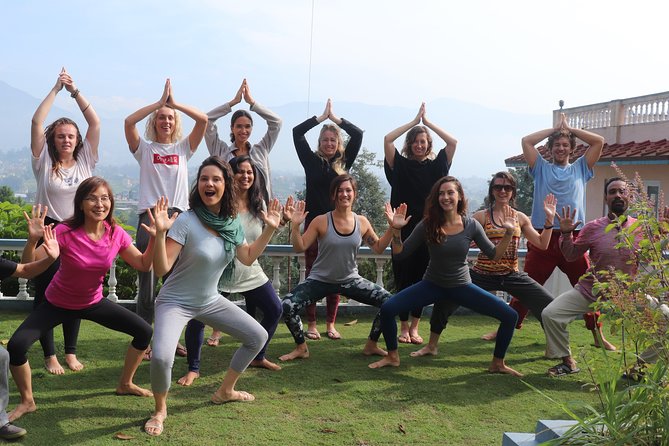
- Monthly start dates (1st of the month) give you an easy way to plan your calendar.
- Accommodation + breakfast, lunch, and dinner included, so most daily logistics disappear.
- Hatha and Ashtanga training means you’ll work on technique and grounding from two major approaches.
- Meditation is part of the training and shows up as an integrated element, not an add-on.
- Small group size (max 25) helps classes and feedback feel less crowded.
- Tuition value at $2,000 is strongest when you factor in 21 days of meals and lodging.
Why a 200-hour training in Kathmandu fits real life
Kathmandu has a way of turning volume down. Even if your mind arrives in full speed, the training rhythm at Nepal Yoga Home is designed to slow you down and build you up. And because it’s a 21-day course with a monthly start (the 1st), you can fit it into a travel plan without hunting for random dates.
The other reason this style of training works: you’re in one place. You’re not spending your time bouncing around Nepal while trying to absorb yoga anatomy, teaching methods, and the mental side of practice. Here, the course is centered at Nepal Yoga Home, which makes consistency easier.
If your goal is a serious career step or side-hustle, the “teaching skills” part matters. You’re learning how to guide students, not only how to do poses. That’s what turns a fun practice into something you can share with other people.
You can also read our reviews of more tours and experiences in Kathmandu.

Nepal Yoga Home: accommodation, food, and day-to-day comfort
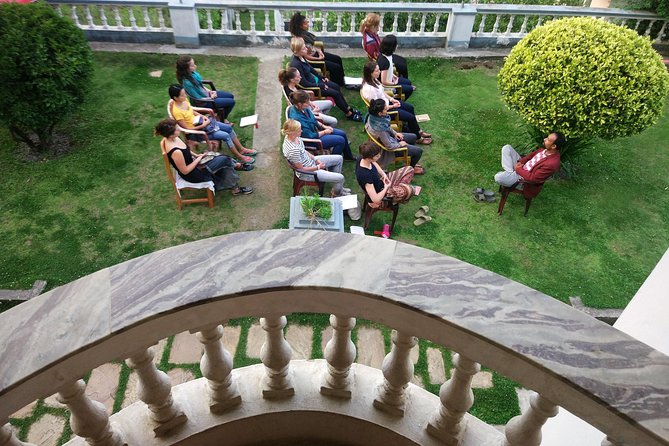
The most “vacation-like” part of this training is the basics: accommodation and meals are included. You’re not trying to piece together where to eat each day, and you’re not budgeting every snack. That matters in Kathmandu, where food choices can range from convenient to chaotic.
From the training descriptions and student feedback, the food is a strong point: meals are described as amazing and nourishing, and the program notes organic food is provided. In a yoga setting, that usually means your body is treated as part of the curriculum. You may not notice how helpful that is until you compare it to the typical travel diet of late breakfasts and random energy drinks.
Accommodation is also called out as lovely and comfortable. Again, it’s not just “nice beds.” With 200 hours of training packed into 3 weeks, you’ll want a place that lets you recover well between sessions.
Two practical things to keep in mind:
- Laundry isn’t included, so plan to do basic wash routines or accept a smaller wardrobe.
- Personal food isn’t included, so if you’re the type who likes to explore snacks around the city, set aside a daily amount.
What you actually study: Hatha + Ashtanga, plus teaching methods
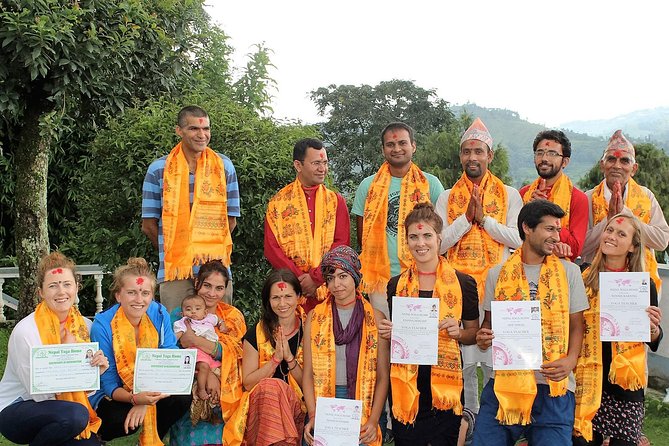
This course covers Hatha and Ashtanga yoga traditions. For many students, that combination is useful because it gives you both a foundation and a structured way to progress.
Here’s the practical meaning for you:
- Hatha typically strengthens alignment, breath awareness, and foundational movement. It’s the “make it clear” track.
- Ashtanga often builds rhythm, discipline, and consistency. It’s the “make it repeatable” track.
Then comes the part that often feels missing in beginner retreats: you’re learning philosophy and the “science behind yoga,” plus how to support students in practice. That’s the bridge between doing yoga and teaching yoga.
Even with no day-by-day class outline provided here, the course structure is built to guide you through:
- deeper study of yoga philosophy
- how the body works in practice
- how to cue and support students safely
- how to structure your own teaching approach later
And students consistently highlight the instruction quality. You should expect teachers who take training seriously, with a calm, professional atmosphere—plus enough feedback to help you correct habits rather than just “collect hours.”
A typical 21-day rhythm (and how to prep your brain)
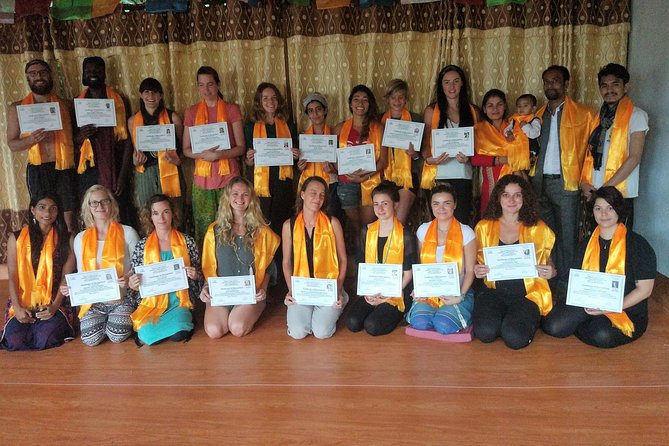
The training is 21 days, starting at 7:15 am at Nepal Yoga Home. Because the start time is early, it helps to arrive in Kathmandu already slightly rested. If you fly in the night before a 7:15 am start, you may feel like your body is catching up while your mind is trying to keep up.
While the exact timetable isn’t spelled out in the details you provided, you can reasonably expect a repeating daily rhythm built around yoga sessions at Nepal Yoga Home. Think of each day as having three goals:
- train the body (poses, sequences, alignment)
- train the mind (focus, breath, meditation)
- train the teacher inside you (cueing, understanding what students need)
A smart prep move: decide what you want your practice to look like after the course. Are you teaching weekly? Starting a side-hustle online? Using it for personal discipline? When you show up with that question, you’re more likely to pay attention to the teaching and philosophy pieces.
Also, give yourself permission to be imperfect during the course. Teaching training is where you learn how to correct, not where you instantly become the perfect instructor.
Meditation and yoga philosophy: the part people don’t plan for
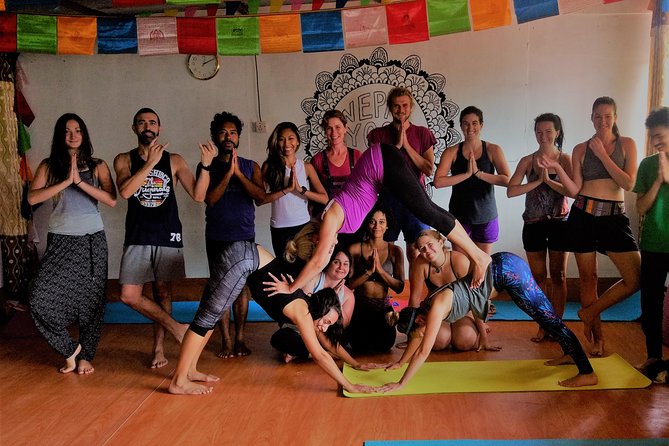
One theme that comes through strongly is that the training includes meditation in an integrated way. That means it’s not only “do yoga, leave.” You’re learning a mental practice alongside movement.
For you, that can be the real differentiator. Many yoga courses stop at posture. This kind of training pushes you to understand why practice works—how attention, breath, and calm affect body and behavior.
Philosophy and the “science behind yoga” are also mentioned. I read that as a focus on more than spirituality talk. You should expect discussion around how yoga affects the nervous system, how breath changes effort, and how to communicate clearly with students.
A simple way to prepare: keep a notebook. Even if you’re not a journaling person, write down the cues and explanations you like. When you later teach, you’ll remember the phrases that actually made things click for you.



Accommodation + training schedule: the hidden value of staying put
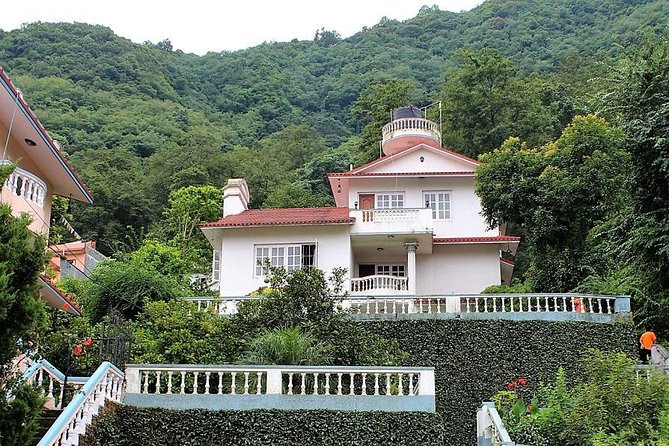
Staying at Nepal Yoga Home for the entire training isn’t just convenience. It changes how fast you learn.
When you don’t have to constantly plan transportation, find meals, and navigate unfamiliar places between sessions, you can:
- practice consistently
- rest more effectively
- show up with less stress
- absorb teaching ideas without distraction
That “less friction” is hard to quantify, but it’s noticeable. It also helps with group dynamics. With a small group (maximum 25 travelers), repeated interactions turn into familiarity quickly, which can make practice feel easier.
In a teacher training, your energy matters. You’re learning how to teach, but you’re also learning how to regulate your own emotions during correction, effort, and fatigue.
Price and value: is $2,000 fair for 21 days?
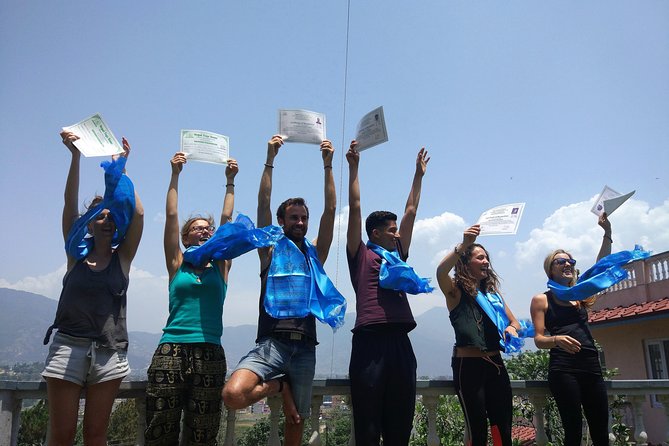
At $2,000 per person for about 21 days, this is not cheap on the surface. But the value picture changes when you match what’s included.
Included in the price:
- Accommodation
- Breakfast, lunch, and dinner
- All fees and taxes
Not included:
- private transportation
- personal food
- sightseeing/trekking
- laundry
So you’re paying for instruction and a full-board base. For many people, that’s the real deal: you’re not spending extra daily money to stay alive and fed while you train.
A good way to judge whether it’s worth it for you:
- If you’d otherwise pay for lodging + three meals daily in Kathmandu, the package price starts to look more reasonable.
- If you plan to add sightseeing tours, trekking, or hire private drivers, your total trip cost will rise, so budget separately.
If you want a clear “value” mindset: treat this as a training program first, and treat Kathmandu outings as optional extras.
Logistics in Kathmandu Valley: getting there and staying sane
The meeting point is Nepal Yoga Home, Tarkeshwor-5, Kathmandu 44600, Nepal, and the course starts at 7:15 am. That early start means you’ll want your arrival plan to reduce stress.
Good news: the program is described as near public transportation. Service animals are allowed too, and most travelers can participate. If you’re arriving with a mobility or health concern, it’s smart to ask the provider directly what accommodations they can support, because the detailed class format isn’t listed in the information you shared.
One more reality check: this experience requires good weather. If it’s canceled for weather reasons, you should expect a date change or a full refund.
Who this training is best for
This course makes the most sense if you want:
- a serious 200-hour education path
- both technique and teaching development
- a focused training base in Kathmandu rather than a touring schedule
- Hatha and Ashtanga as part of your foundation
- meditation included as part of your daily practice
It also suits solo travelers well if you want community built into the training days. Teacher training works best when you have people around you who are also showing up every day with open minds.
If you’re only looking for a casual vacation yoga class once or twice a week, this won’t match your pace. This is about learning to teach.
Should you book this Nepal Yoga Home YTT?
Book it if:
- You want accommodation + meals handled so you can focus on practice and learning.
- You like the idea of staying put for 21 days and building a consistent routine.
- You’re serious about teaching skills, not only personal flexibility.
Skip it or ask extra questions first if:
- You’re hoping to pack in lots of Kathmandu sightseeing, trekking, or private guides during the same trip.
- You need a fully customized schedule, because the training format is structured and focused.
If your dream is to come home with a credible teaching foundation, solid routines, and a mindset that supports practice long after the course ends, this one is an easy “yes” to consider.
FAQ
How long is the 200-hour yoga teacher training at Nepal Yoga Home?
It runs for 21 days (approx.).
Where is the yoga teacher training located?
The training is in Kathmandu, Nepal, with sessions done at Nepal Yoga Home.
What is the starting schedule?
Courses start on the 1st of every month, with the start time listed as 7:15 am.
How much does the program cost?
The price is $2,000.00 per person.
What’s included in the price?
Included are breakfast, lunch, dinner, all fees and taxes, and accommodation.
What is not included?
Not included are private transportation, food of your personal interest, tour/sightseeing/trekking, and laundry.
How many people are in the group?
The experience has a maximum of 25 travelers.
Is it close to public transportation, and are service animals allowed?
Yes. It’s described as near public transportation, and service animals are allowed.
What happens if the course is affected by weather or the minimum number of travelers?
The experience requires good weather, and if it’s canceled due to poor weather, you’ll be offered a different date or a full refund. It also requires a minimum number of travelers, and if that minimum isn’t met, you’ll be offered a different experience/date or a full refund.