Annapurna Base Camp hits fast. This action-packed small-group trek (max 10) keeps you moving with airport pickup and drop-off and all the bulky details handled, plus a guide like Indra who pays close attention to routes, terrain, and weather. I also really like the small-group pace through Gurung villages, with time to reset in Pokhara and Kathmandu. One possible drawback: you’ll need real hiking stamina and a good attitude toward early mornings and steep sections, because there’s no way to make this trek easy.
On the ground, the trip is built around 11 days of trekking plus included sightseeing in Kathmandu and Pokhara, with sleeping and meals taken care of. You’ll get trekking essentials like a sleeping bag and a down jacket (returned after the trek), and the route includes a stop to take a dip in a natural hot spring. You’re still responsible for your own travel insurance and some extras (like porter costs if you want help), so budget smart and you’ll have a smoother trip.
In This Review
- Key Points That Make This Trek Work
- From Tribhuvan Airport to Pokhara: Getting Your Bearings
- First Steps on the Annapurna Route: Tikhedunga via Birethanti
- Poonhill Sunrise and the Forest Days: Views With Teeth
- Chhomrong and the Sanctuary Approach: Where Things Get Serious
- Base Camp Day, Then Bamboo and Back Down: Hot Spring and Real Recovery
- Closing the Loop: Nayapul to Kathmandu by Tourist Bus
- Price and Logistics: What $785.72 Really Buys You
- Who This Trek Fits Best (And Who Might Want Another Option)
- Should You Book the Annapurna Base Camp Trek?
- FAQ
- Is airport pickup and drop-off included?
- How many days is the trek?
- What’s the group size?
- What permits are included?
- What trek gear is included?
- What’s not included, and is travel insurance required?
Key Points That Make This Trek Work
- Small group (up to 10) means less waiting, quicker decisions on the trail, and a calmer vibe at tea houses.
- Guide Indra is a standout for practical trail know-how, especially around changing weather and terrain.
- All meals and 10 nights keep daily logistics simple, so you can focus on hiking and rest.
- Permits handled (Annapurna Conservation and TIMS) remove a big administrative headache.
- Hot spring time adds an earned, relaxing break during the trek.
- Kathmandu + Pokhara included so your trip isn’t only walking—you also get proper downtime and sightseeing.
From Tribhuvan Airport to Pokhara: Getting Your Bearings
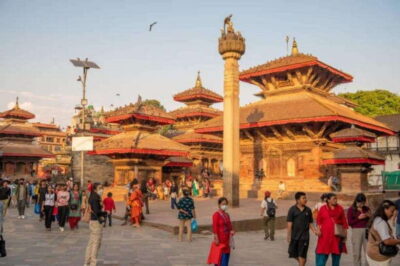
Day 1 is all about getting set up for the trekking rhythm. You start at Tribhuvan Airport in Kathmandu around 7:15 am. Then you head out by road toward the Pokhara area, with a key stop at Malekhu along the way.
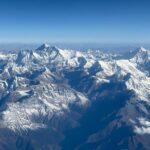
The drive itself is part of the experience. You’ll travel along the Trisuli and Marsyangdi river corridor, and that’s not just scenery trivia—it matters because rivers mean transport routes, and routes mean the trek starts feeling grounded. You’ll also get early views of big Himalayan neighbors like Ganesh Himal and Manaslu, which is a nice psychological warm-up before you’re staring at smaller details like footprints and altitude adjustments.
What I like about this start: you’re not dumped into the trek right away. The road day gives you a mental and physical buffer, plus time to get oriented in Nepal’s travel flow.
What to watch for: road days can be tiring. If you’re prone to motion sickness, plan ahead. Even though the trek later is the main event, the first day can still catch you off guard.
You can also read our reviews of more hiking tours in Kathmandu
First Steps on the Annapurna Route: Tikhedunga via Birethanti
Day 2 begins with a short drive from Pokhara toward Nayapul, then your real hiking starts out in the Tikhedunga direction via Birethanti. This first hiking day is the kind that sets expectations fast: you’re walking through the transition zone where the terrain starts to feel more “trekking” than “road travel.”
Day 3 continues the build-up. You ascend steeply for the first stretch, then shift into a gentler climb passing places like Ulleri and Banthanti. In plain terms, this is where your legs decide what kind of trip you’ll have. If you pace yourself, you’ll feel strong for the days that come after.
These early days also bring the cultural rhythm of the route. The trek passes Gurung villages, and that matters beyond being a nice phrase. In village sections, you’ll see daily life at tea-house scale—people working, cooking, and maintaining the small infrastructure that makes the trail possible. You’re not just passing landscapes; you’re moving through real living communities that have learned to host hikers year after year.
Practical tip: keep your effort steady rather than heroic. Early steep climbs reward patience more than speed.
Poonhill Sunrise and the Forest Days: Views With Teeth
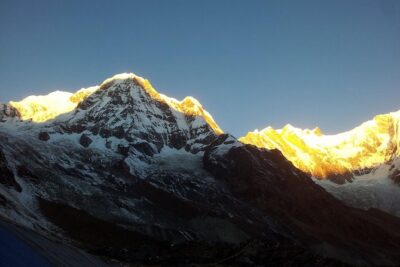
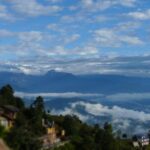
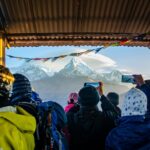
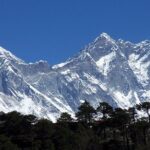
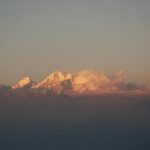
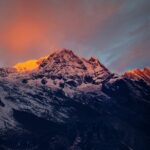
Day 4 is the big “eyes up” day: hiking to Poonhill (3232m) to catch sunrise views over the Himalayan giants, including Dhaulagiri, Tukuche Peak, Nilgiri, Varaha Shikhar, Annapurna I, and Annapurna South. Sunrise is always a timing game on treks, and Poonhill is popular for a reason—you get a wide, sweeping view payoff for the effort you’ve already put in.
Day 5 shifts you into a forest walking mood. You descend gently through dense vegetation—rhododendron and oak show up—then end up around Ghorepani. This day can feel like a reward: you’ve earned easier walking after the earlier climb/steep rhythm.
Then Day 6 pulls you back into the mix: starting from Ghorepani and heading through stone stairs, a suspension bridge crossing over Chhomrong Khola, and climbing up toward Chhomrong. This is a classic pattern on Annapurna routes: a few “hard bits” packed into long stretches. If you’re thinking ahead, you’ll treat this as practice for the final push.
What to love here: Poonhill gives you the cleanest visual payback on the early portion of the trek, and the forest days help you recover without turning the trip into a walk in the park.
What to consider: the higher viewpoints and sunrise mornings can be cold and demanding. If you’re not used to early starts, dress in layers and plan for wind.
Chhomrong and the Sanctuary Approach: Where Things Get Serious
Day 7 brings Chhomrong. The trail continues from here into the sanctuary approach, and the day includes crossings and some sections that can feel intense depending on conditions. You’ll pass through areas associated with avalanches and sensitive terrain. Translation: the route needs attention, and that’s where a good guide earns their keep.
Day 7 is also a psychological checkpoint. You’re past the stage where you’re just getting used to walking at altitude; now you’re moving into the part of the trek where the Annapurna Base Camp idea becomes real.
Day 8 is the key turning point. You start toward Bamboo, and then the day includes a visit to the base camp and surrounding views. This is the day you’ve been building toward. The hike back to Dovan continues afterward, so it’s not only a single summit moment—it’s a full trekking day with payoff and momentum.
What I’d tell you if this is your first big high-altitude trek: don’t rush the emotional moments. Base Camp and the surrounding views are unforgettable, but the better strategy is to keep your breathing calm and your pacing consistent, even when you want to stop every five minutes.
Base Camp Day, Then Bamboo and Back Down: Hot Spring and Real Recovery
Day 8’s base camp visit is the highlight, and it’s also the part that tests how you manage energy. After the views, you move on—so you’ll want to plan your resting like it’s part of the itinerary.
Day 9 returns you toward Bamboo again, walking through rhododendron, oak, and bamboo plants. Then you hit a steeper section for about an hour and a half. Days like this are where trekking skill is mostly mental: you’ve learned to accept that some climbs come after already feeling “done.”
Day 10 is the downhill transition. After breakfast you start with descent, then some flatter walking until you reach Birethati for lunch. After that, it’s about 30 minutes on to Nayapul, where the trek portion winds down and the logistics portion resumes.
Recovery truth: downhill can still be tough on knees, especially if you speed. If you tend to “relax” on descents, try to keep a controlled pace and short steps.
Also, don’t ignore the natural hot spring mentioned in the trip overview. That kind of included recovery time is a big deal on a trek like this, because it can help you feel human again before your final travel day.
Closing the Loop: Nayapul to Kathmandu by Tourist Bus
Day 11 switches gears. You take a tourist bus at 7:00 am after breakfast and drive back to Kathmandu. The ride is described as a fantastic experience with views of satellite towns and rural settlements along the way, plus river scenes.
This is a nice way to end. You’re not immediately dropped at home after walking for days. You get a final “Nepal transit” day that feels like a bridge between trekking effort and city comfort.
If you have energy for it, use your Kathmandu time to eat well, shower thoroughly, and let your body process the change. You’ll be tired in a good way, and that’s usually when sightseeing feels best.
Price and Logistics: What $785.72 Really Buys You
At about $785.72 per person, this trek is priced for the work of running the operation—transport, staff, permits, and meals—so you’re not juggling a pile of separate bookings.
Here’s what’s included that you’d otherwise pay for or coordinate yourself:
- A guide (and their salary, food, drinks, accommodation, and insurance)
- Transportation Kathmandu–Pokhara–Kathmandu by tourist bus
- Accommodation for 10 nights
- All meals and overnights (with dinner 8 times, lunch 9 times, breakfast 10 times)
- Permits: Annapurna Conservation area permits and TIMS
- Trek gear if needed: sleeping bag and down jacket (returned after the trek)
- A trekking map if necessary
What’s not included (so you don’t get surprised):
- Your international flights to Nepal and back
- Nepal entry visa fee (you can issue it on arrival with two passport-size photos)
- Tips for your guide & driver
- Your own travel insurance (not optional per the trip data)
- Personal expenses, plus alcohol and non-alcoholic drinks and dessert
- A porter if you want one: $20/day (and only if you need it)
Value check in plain English: if you’ve ever tried to piece together trekking logistics on your own, you know how quickly the time and stress add up. Paying for guides, permits, meals, and transport isn’t just comfort—it’s risk control. With a small group (max 10) and an operation that includes the paperwork, your effort stays on the trail instead of email chains.
Who This Trek Fits Best (And Who Might Want Another Option)
This trek fits best if:
- You have moderate physical fitness
- You want a small-group experience with less waiting around
- You’d rather have meals, overnights, and permits handled than manage on-the-fly planning
- You want a proper combination of trekking plus time in Kathmandu and Pokhara
It may not be ideal if:
- You want a fully self-guided experience
- You strongly dislike early starts, long travel days, or steep climbs (even with a guide and meals handled)
Also, if you’ve got a first-time trekking concern about altitude, the guide support is a real advantage. The trip’s standout guide, Indra, is described as attentive and strong on route and weather awareness—exactly the kind of calm leadership you want when conditions shift.
Should You Book the Annapurna Base Camp Trek?
Yes, if you want the real Annapurna Base Camp experience without turning it into a logistics project. The included meals, permits, and trek gear help keep the trip simple. The small group size (max 10) adds comfort and keeps decisions quick. And the best part: the guide element matters here, not as a buzzword, but as day-to-day support when weather, terrain, and pacing all need attention.
Before you book, do two quick checks:
- Make sure you’re ready for an 11-day commitment with active days and at least some steep sections.
- Plan your budget for the non-included items: visa, travel insurance, tips, and optional porter support.
If those boxes are fine, this is a strong value way to reach Annapurna Base Camp while still getting Kathmandu and Pokhara time.
FAQ
Is airport pickup and drop-off included?
Yes. The trip includes airport pickup and drop-off as part of the Kathmandu logistics.
How many days is the trek?
It’s listed as 11 days (approx.).
What’s the group size?
The tour has a maximum of 10 travelers.
What permits are included?
The trip includes Annapurna Conservation Permits and TIMS.
What trek gear is included?
You get a sleeping bag and a down jacket if necessary. These are returned after the trek, and a trekking map may be provided if needed.
What’s not included, and is travel insurance required?
Not included are international flights, Nepal entry visa fee, tips, your travel insurance (compulsory), personal expenses, and any alcoholic or non-alcoholic drinks and dessert. A porter is also not included unless you choose one at $20/day.