REVIEW · KATHMANDU
Kathmandu Heritage Walk | Heritage Walk of Kathmandu
Book on GetYourGuide →Operated by Breakfree Adventures Pvt. Ltd. · Bookable on GetYourGuide
Street-to-stupa Kathmandu, on foot. I love how this Thamel start quickly turns into real temple time, with stops that go from everyday street life to places like Shanti Bihar Stupa. It is the kind of route that helps you understand the city’s religious rhythms without needing a long day or a big bus plan.
I also like that the guide work feels practical and humane. In reviews, guides named Martin and Madan are praised for pacing you so you cover ground without feeling wrecked, including for seniors. One possible drawback: it is about 3.5 hours of walking through active religious areas, and the tour is not suitable for people over 70, wheelchair users, or pregnant travelers.
In This Review
- Key highlights worth marking on your map
- Where the walk starts in Thamel (and why that matters)
- Thamel’s street energy, plus a calmer pivot to Tahiti
- Shanti Bihar Stupa: your built-in pause
- Indrachowk’s Akash Bhairab Temple: sacred space with a living feel
- Gold Souq: shopping with context, not just errands
- Sankata Temple and Mahankal Bhairab: more sacred stops, different moods
- Bhotahiti’s local flavor: everyday Kathmandu in between landmarks
- Annapurna Temple’s architectural splendor, plus a final market finish
- How 3.5 hours feels in real life (and how to prepare)
- Private English guide value: why $40 can make sense
- Who should book this Kathmandu Heritage Walk (and who should skip)
- Should you book this Heritage Walk of Kathmandu?
- FAQ
- What is the price and duration of the Kathmandu Heritage Walk?
- Where does the tour start and end?
- Are UNESCO World Heritage sites included?
- What’s included in the price?
- What is not included?
- What language is the guide?
- Is this a private tour or a shared group?
- What should I bring for the walk?
Key highlights worth marking on your map
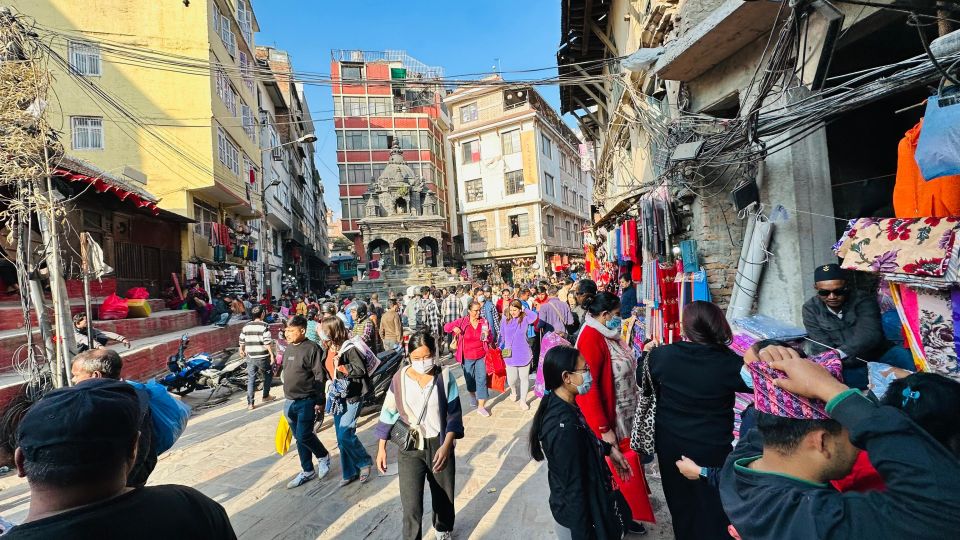
- Thamel meet-up and local-market finish so you start and end in the action
- Shanti Bihar Stupa as a quiet break from street noise
- Akash Bhairab Temple in Indrachowk for a deeper look at sacred city corners
- Gold Souq for craft-focused shopping and handmade-details spotting
- Annapurna Temple in the city center for classic Kathmandu worship energy
Where the walk starts in Thamel (and why that matters)
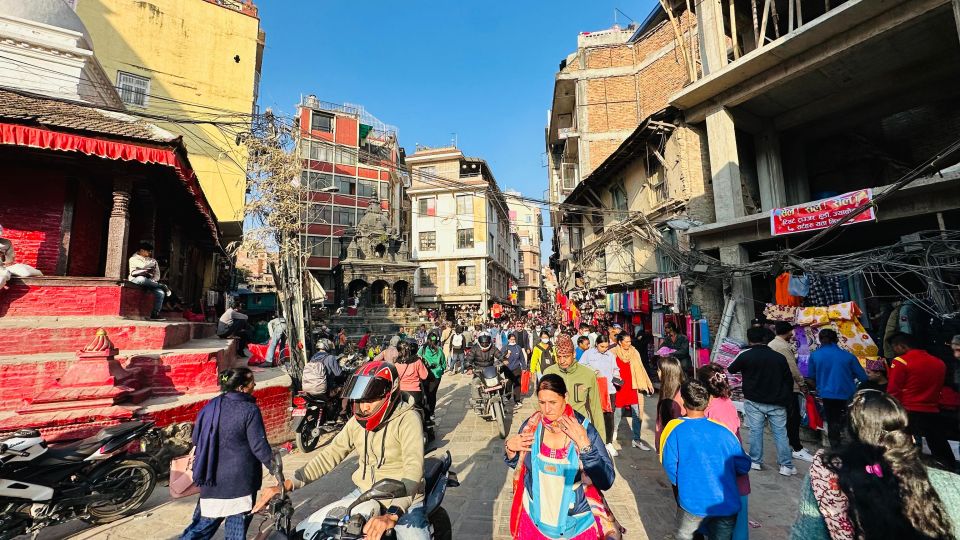
The tour begins at the Breakfree Adventures entrance in Thamel, in front of Everest Bank Limited. That is a big deal because Thamel is easy to navigate and packed with familiar landmarks. If you are staying nearby, you can usually handle this day with just your feet and good shoes.
This is a private group experience with an English live guide, so you are not stuck in a giant herd. It also means you can ask questions and adjust slightly to what you care about, within reason. Since transportation is not included, starting in Thamel also keeps the plan simple.
You can also read our reviews of more walking tours in Kathmandu


Thamel’s street energy, plus a calmer pivot to Tahiti
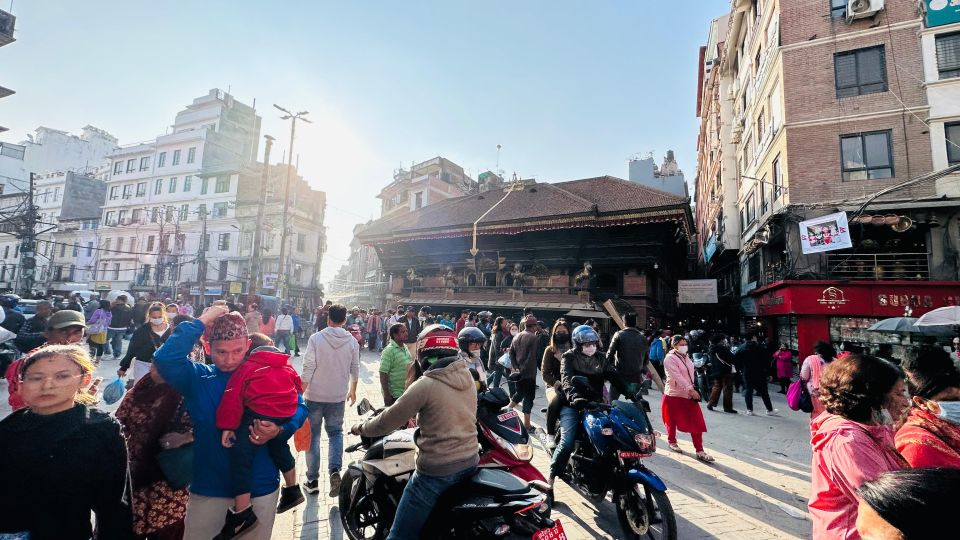
You start by walking through Thamel’s lively streets—shops, food spots, and that constant motion that makes Kathmandu feel like a city that never fully powers down. You will have time to explore rather than just pass through, which helps you get your bearings on day one or two of a trip.
Then the route shifts toward Tahiti, described as a charming enclave where traditional architecture and modern life sit side by side. This contrast is useful. You see the city’s tourist face in Thamel, then you get a slower, more local-feeling neighborhood vibe before you step into the quieter spiritual parts of the day.
If you like taking photos, bring your camera early. These first blocks are where you’ll likely spot the most street-level scenes—doorways, shop signs, everyday activity.
Shanti Bihar Stupa: your built-in pause
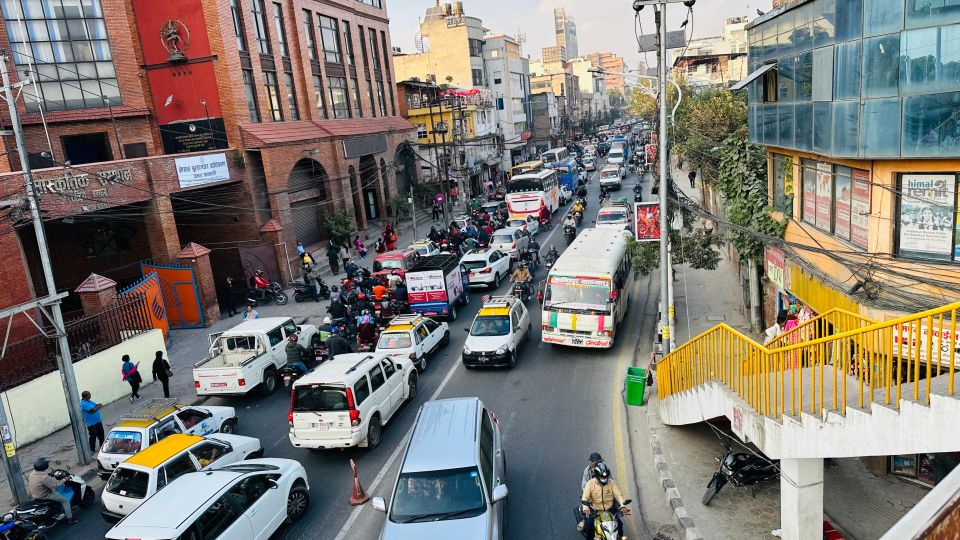
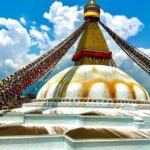
After street time, you head to Shanti Bihar Stupa. This is the stop the tour frames as a peaceful oasis amid the urban noise, and that is exactly why it works.
You are getting a mental reset. Instead of pushing straight into more temples, you get a calmer environment that lets you notice details you might miss while the city is moving fast around you. Expect a gentler pace here and more time to look around and absorb the atmosphere.
This is also a good moment to check your gear. Shade matters, and so does hydration—especially if you are traveling in warm months. The tour includes 1000ml mineral water, which helps you stay comfortable without hunting for a bottle mid-walk.
Indrachowk’s Akash Bhairab Temple: sacred space with a living feel
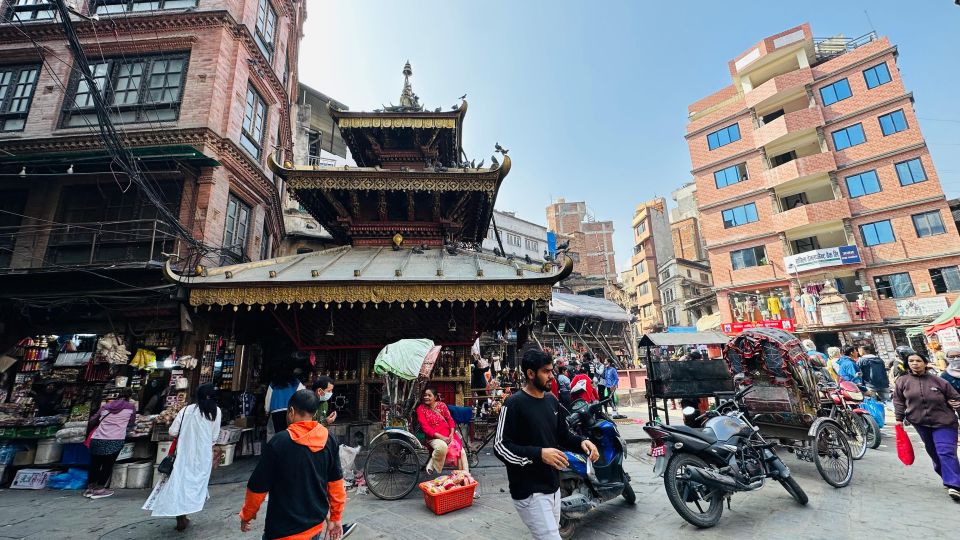
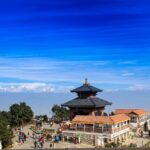
Next is Akash Bhairab Temple in Indrachowk. The focus here is the devout atmosphere surrounding a historic sacred site, and that is where an on-foot heritage walk earns its keep.
You learn more than just names. You start to understand how religious places fit into city life—how people move through, how they observe, and what the space signals to locals. If you are the type who likes religion as culture (not just as sightseeing), this stop tends to be a standout.
Practical note: religious sites can mean stairs, uneven ground, and more time standing. Comfortable clothes and shoes matter, and you’ll feel it most around temple areas.
Gold Souq: shopping with context, not just errands
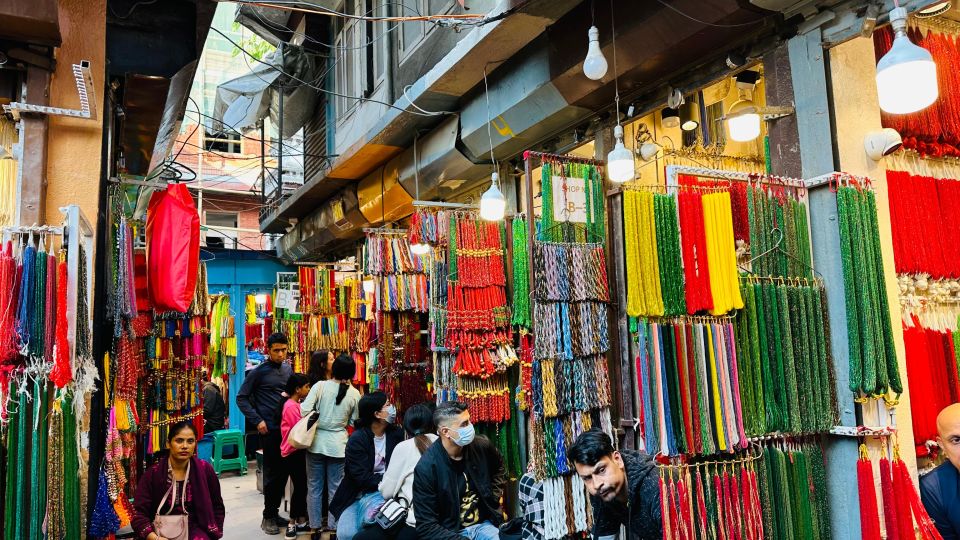
From there, you visit Gold Souq, described as a place for exquisite craftsmanship. This is not a random shopping stop. It is a chance to slow down and look at what people actually make and sell—handmade details are easier to appreciate when someone gives you cultural context.
Even if you do not plan to buy jewelry or crafts, you can still benefit. You’ll learn what to look for, what materials and workmanship mean to artisans, and how the souq fits into Kathmandu’s daily economy. It also helps you avoid the common trap of feeling rushed in a market.
If you do want to shop, decide your budget early. A tour stop can tempt you, but you are better off browsing with a plan than bargaining on the spot.
You can also read our reviews of more historical tours in Kathmandu


Sankata Temple and Mahankal Bhairab: more sacred stops, different moods
The walk continues with Sankata Temple and Mahankal Bhairab. The tour description emphasizes cultural significance, which usually means you get more than a quick glance at monuments. You get explanations tied to why these places matter in Kathmandu’s religious landscape.
This part of the route is where you’ll start noticing patterns: temples often share similarities in layout and iconography, but each site has its own energy depending on who is visiting and what rituals are happening. It is a strong section for anyone who wants religion to feel “current,” not museum-like.
Because you are moving between sites, keep your camera ready but also keep your eyes up. Some of the best moments in temple areas are small: a prayer gesture, a conversation near a doorway, a procession moment you might not catch if you are only watching your screen.
Bhotahiti’s local flavor: everyday Kathmandu in between landmarks
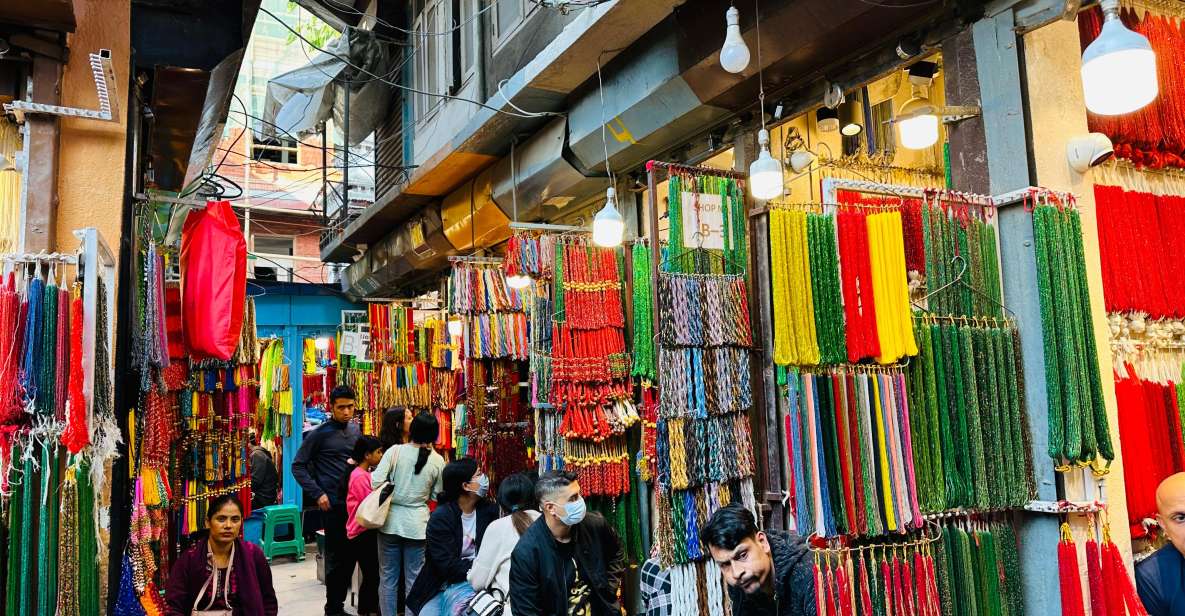
You then pass through Bhotahiti, a locale presented as brimming with local flavor. This is the kind of stop that balances the day out. After temples and markets, you get a more normal-feeling slice of Kathmandu life.
You may find this helpful if you worry that a sightseeing day could feel too “official.” Bhotahiti keeps it grounded. It is a reminder that heritage is not only stone and symbols—it is how people go about daily routines around those symbols.
This is also a good time to slow down and watch how locals move. If you are traveling solo, this can feel extra meaningful: you get a front-row seat to how the city works when tourists aren’t the main actors.
Annapurna Temple’s architectural splendor, plus a final market finish
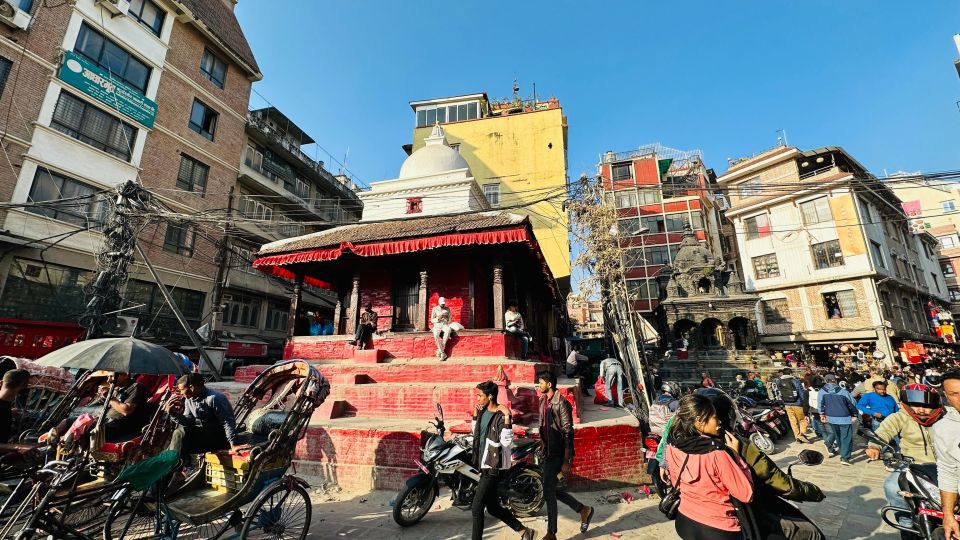
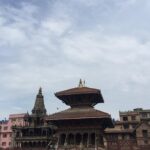
The route ends with Annapurna Temple, located in the city center, framed as an architectural marvel. This is one of those stops that can make you appreciate Kathmandu more visually. Even if you are not a hardcore architecture person, temple design tends to communicate faith through shape, detail, and placement.
From there, the tour closes with a visit to a lively local market before returning to Thamel. That final market stop is smart. You have already seen the religious context and the craft focus. Now you can shop or snack with a better sense of what you are looking at.
If you are hungry, you will likely want to plan around the fact that meals are not included. Bring your own snack mindset or keep an eye out for options near the tour’s ending area.
How 3.5 hours feels in real life (and how to prepare)
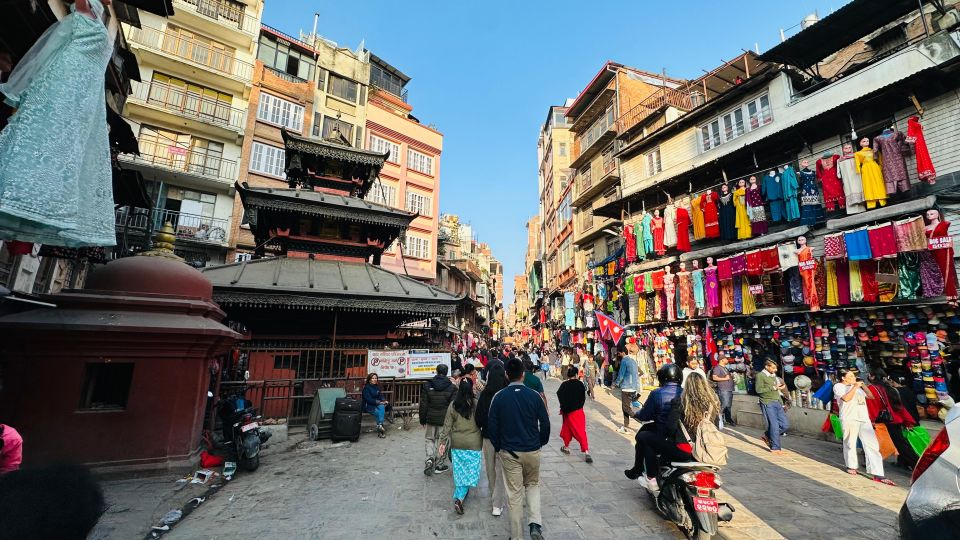
A 3.5-hour heritage walk can sound short—until you remember it includes multiple stops, time to look, and time to hear explanations. The upside is you get a full slice of Kathmandu without losing a whole day.
One review praises a guide named Martin for setting a pace that covers a lot of ground without being too strenuous for seniors. Another review calls out Madan as professional, knowledgeable in his explanations, and time efficient. Those comments match what I’d expect from a good city walking tour: steady rhythm, not constant rushing.
What to bring so you feel comfortable:
- Comfortable shoes (you’ll do a lot of walking)
- Umbrella (useful for sudden weather)
- Camera
- Comfortable clothes
- Face mask or protective covering (required to bring)
You should also bring your passport since it is listed as a required item. Even if you are not using it during the walk, it is smart to have it with you while you are out.
Private English guide value: why $40 can make sense
The price is listed at $40 per person for 3.5 hours. That can feel high or fair depending on your travel style.
Here is what makes it easier to justify: you get a government certified guide plus 1000ml mineral water and service charge included. You also get a private group, which usually means you are not paying for just a route—you are paying for focused guidance and pacing.
If you want UNESCO sites, this matters: UNESCO World Heritage sites are not included. That is not automatically bad. It often means the route stays in places that feel more local and less choreographed, and you still see major temples and markets that tell you how people live with religion day to day.
So, the value question comes down to this: do you want context and a guided walk more than you want the most famous UNESCO checkpoints? If yes, $40 for a focused half-day tends to work.
Who should book this Kathmandu Heritage Walk (and who should skip)
This tour fits best if you:
- Want an easy-to-manage time window (about 3.5 hours)
- Like a walking plan with cultural explanations
- Enjoy markets and temple stops together
- Want a private group with an English guide
It is not a match if you:
- Are pregnant
- Use a wheelchair
- Need mobility support that walking and temple-area steps would complicate
- Fall into the age limits listed (it is not suitable for people over 70, and also not for babies under 1 year or people over 95)
If you are older or traveling with limited mobility, this is one you should think twice about. The route is designed for active walking.
Should you book this Heritage Walk of Kathmandu?
Book it if you want a practical first look at Kathmandu’s religious and market life without hunting around on your own. The Thamel start makes it easy, Shanti Bihar Stupa gives you a calm reset, and the sequence of Akash Bhairab Temple, Gold Souq, Sankata Temple, Bhotahiti, and Annapurna Temple adds up to a day with variety.
Skip it if you want UNESCO World Heritage highlights, or if you know you will struggle with 3.5 hours of walking through active sacred spaces. This is a strong choice for travelers who like “real city” heritage—stone, worship, craft, and daily life all mixed into one route.
FAQ
What is the price and duration of the Kathmandu Heritage Walk?
The tour costs $40 per person and lasts about 3.5 hours.
Where does the tour start and end?
The tour starts and ends in Thamel, at the Breakfree Adventures entrance in front of Everest Bank Limited.
Are UNESCO World Heritage sites included?
No. UNESCO World Heritage sites are not included on this tour.
What’s included in the price?
Included items are a government certified guide, 1000ml mineral water, and service charge.
What is not included?
Not included are transportation if needed, meals and drinks, and personal expenses.
What language is the guide?
The live tour guide is available in English.
Is this a private tour or a shared group?
It is listed as a private group.
What should I bring for the walk?
Bring your passport, comfortable shoes, an umbrella, a camera, comfortable clothes, and a face mask or protective covering.