REVIEW · KATHMANDU
Spiritual Nepal: Expert insight into Multifaith Journey
Book on GetYourGuide →Operated by Intrepid Urban Adventures - Asia · Bookable on GetYourGuide
Sacred sights hit fast in one day. You’ll link Boudhanath Stupa and Pashupatinath with prayer-wheel rotation, then get close to sadhu life, cremation rituals, and the flame-lit Arati at the Bagmati River. What I love most is how the guide keeps you moving at a human pace through two major faiths. The only real drawback to plan for is crowd pressure and possible time squeeze from Kathmandu traffic, so staying close to your guide matters.
This tour also has a nice people factor. Multiple guides (Rozit, Bini, Subash, and Bidhya) come up in the feedback, and the consistent theme is clear, helpful explanations without making you fake spiritual. I like that you can enjoy the sights even if you’re not chasing religious enlightenment.
You’re paying for expert guidance plus the practical access that makes these busy places easier. If you want quiet contemplation only, you may find the atmosphere loud and crowded. But if you want a smart, respectful snapshot of how Buddhism and Hinduism shape daily life in Kathmandu, this works.
In This Review
- Key highlights you should know before you go
- Starting at Hotel Marshyangdi: small-group touring that actually feels manageable
- Boudhanath Stupa: UNESCO scale, prayer-wheel rhythm, and the kora walk
- Optional butter lamps and how to handle the extra costs
- Pashupatinath Temple: sadhus, cremation views, and the Arati light offering
- Cremations by the Bagmati River: powerful, solemn, and not a show
- Arati: the “divine light offering” that pulls it all together
- Walking distance, crowd navigation, and why timing can feel tight
- What you might want to ask your guide (and how good guidance changes everything)
- Multifaith in practice: why this pairing works so well
- Carbon-neutral, child-friendly, and respectful by design
- Dress code is not optional at religious sites
- Price and value: what $150 buys you in real terms
- Who should book this tour, and who might want to skip it
- Should you book Spiritual Nepal: Expert insight into Multifaith Journey?
- FAQ
- Is this tour only for people who are religious?
- What are the main places visited?
- How long is the tour?
- Where does the tour start and end?
- Are entrance fees included?
- Do we get transportation between the two sites?
- Is food included?
- Can I participate in offerings or a palm reading?
- What should I wear?
- What’s the cancellation policy?
Key highlights you should know before you go
- Two UNESCO World Heritage sites in one compact 4-hour loop: Boudhanath and Pashupatinath
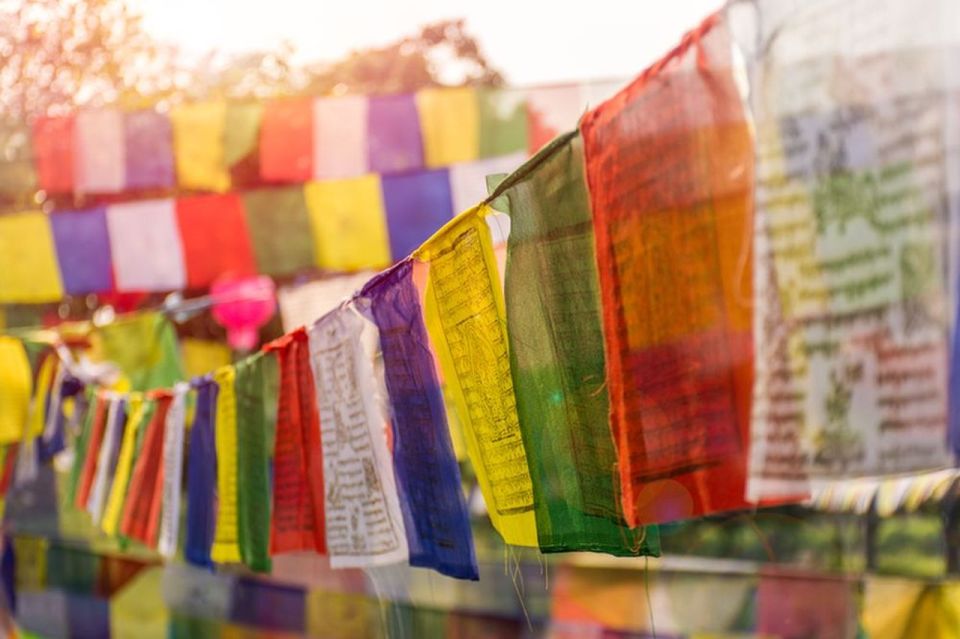
- Prayer wheels and the kora at Boudhanath, with local rhythm and context
- Sadhu life glimpses, plus a view of solemn cremation rituals by the river
- Arati light offering at Pashupatinath, watched from close to the action
- Small group focus (around 12 people), so you can actually hear your guide
- Optional extras like butter lamps and a palm reading, handled with local help
Starting at Hotel Marshyangdi: small-group touring that actually feels manageable
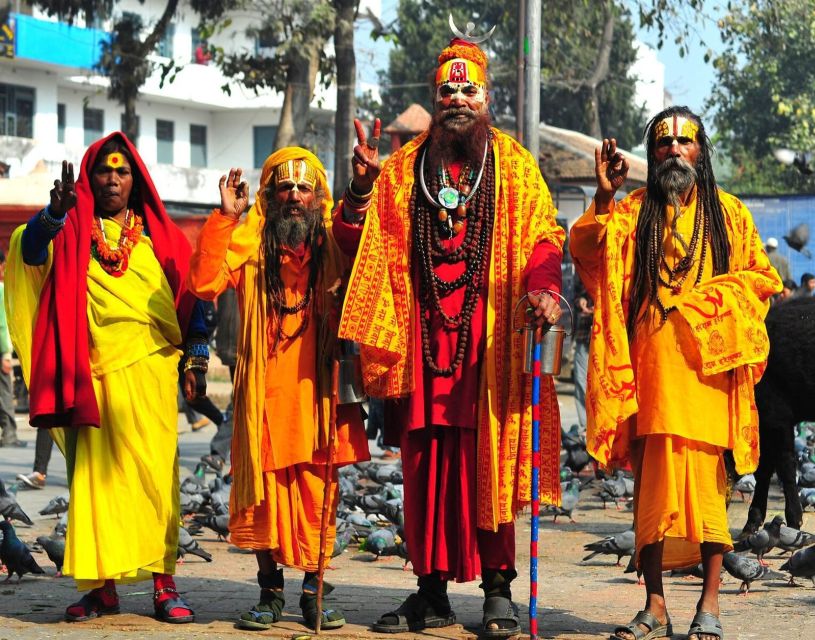
The day starts at Hotel Marshyangdi, and you’ll head out with an English-speaking Nepali guide and a small group (the experience is designed for about a dozen people). In Kathmandu, that size matters. Too-big groups turn religious sites into a moving bottleneck. This one keeps you close enough to follow instructions without playing human bumper cars.
You’ll also notice a practical flow: Boudhanath first, then Pashupatinath. That order is helpful because the stupa area is easier to orient yourself in early. Then you shift to a busier riverfront pilgrimage space where crowd management is part of the job.
You can also read our reviews of more tours and experiences in Kathmandu.

Boudhanath Stupa: UNESCO scale, prayer-wheel rhythm, and the kora walk
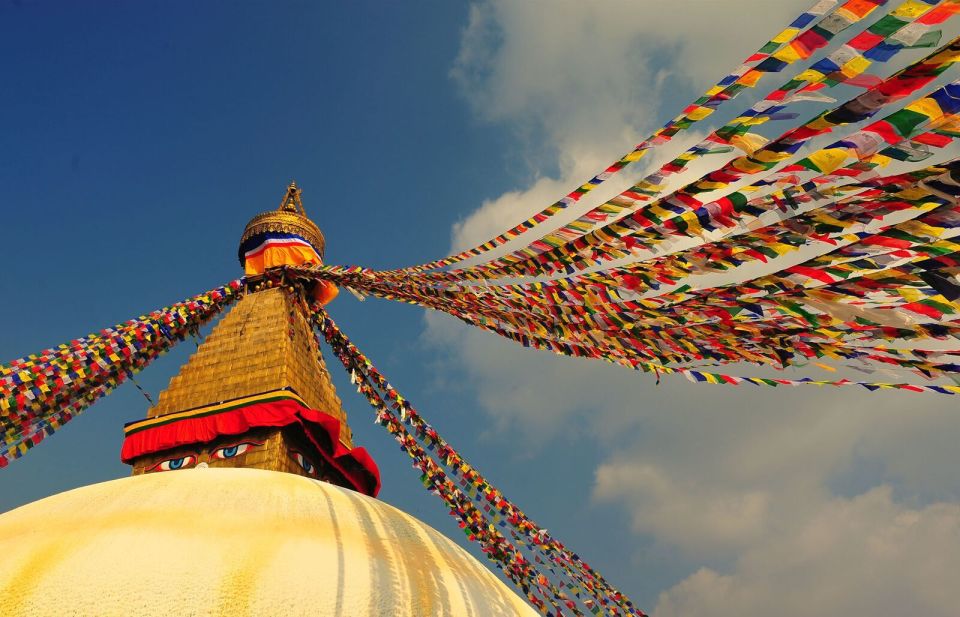
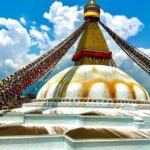
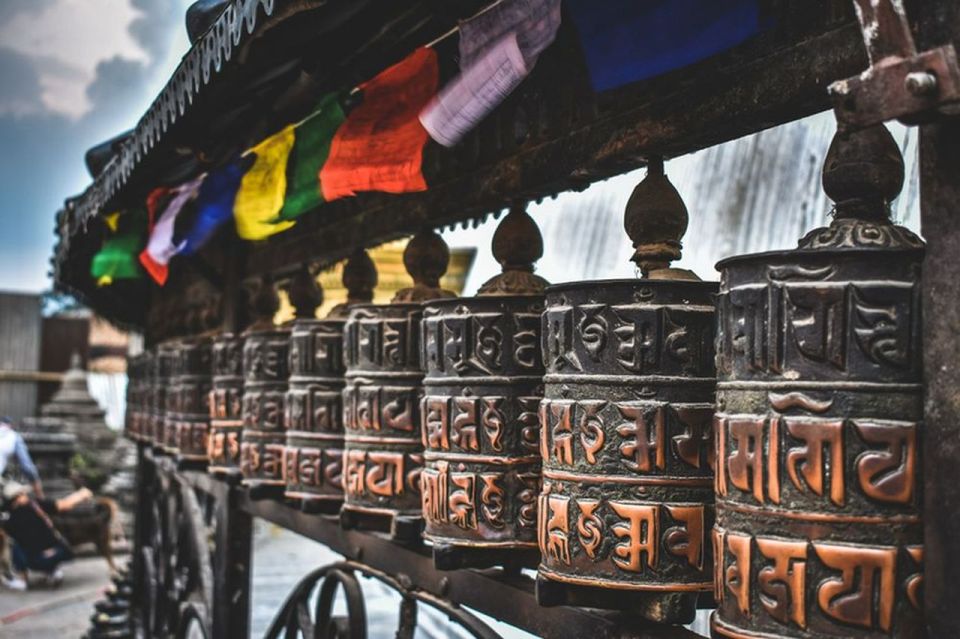
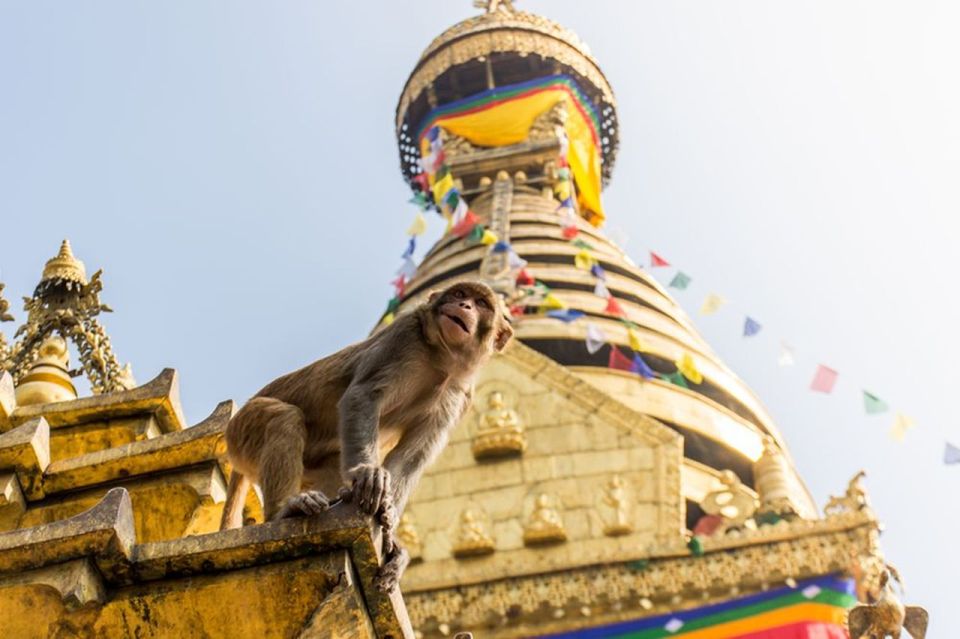
Boudhanath is the big one. It’s the largest Buddhist stupa in Nepal, and seeing it up close makes the size feel real, not just impressive. The white dome and surrounding prayer-wheel ring create a loop people understand instantly. You won’t be left staring at walls; you’ll join locals by rotating prayer wheels and taking part in the kora.
What I like about this stop is the way it turns a visual landmark into a lived ritual. When you rotate the wheels with others, you start noticing how the movement sets the pace. Your guide’s role here is mostly translation of meaning: why people do what they do, and how this practice fits into daily devotion.
You’ll spend about 2 hours at Boudha Stupa. That time is enough to do the kora without rushing and enough to step back when you want a breather or better photos. If you’re sensitive to crowds, go with a calm mindset. This is a major Kathmandu stop, so expect people moving in every direction.
Optional butter lamps and how to handle the extra costs
At Boudhanath, you may have the option to offer butter lamps. If you choose this, note that these extra offerings are not included in the tour price. The experience also includes help from the guide if you want to participate in paid interactions such as butter lamps, palm readings, or speaking with sadhus.
If you like structured guidance, this is a plus. You get the local cues (what to offer, when to step forward, and how to keep things respectful) without being dropped into a negotiation alone.
Pashupatinath Temple: sadhus, cremation views, and the Arati light offering
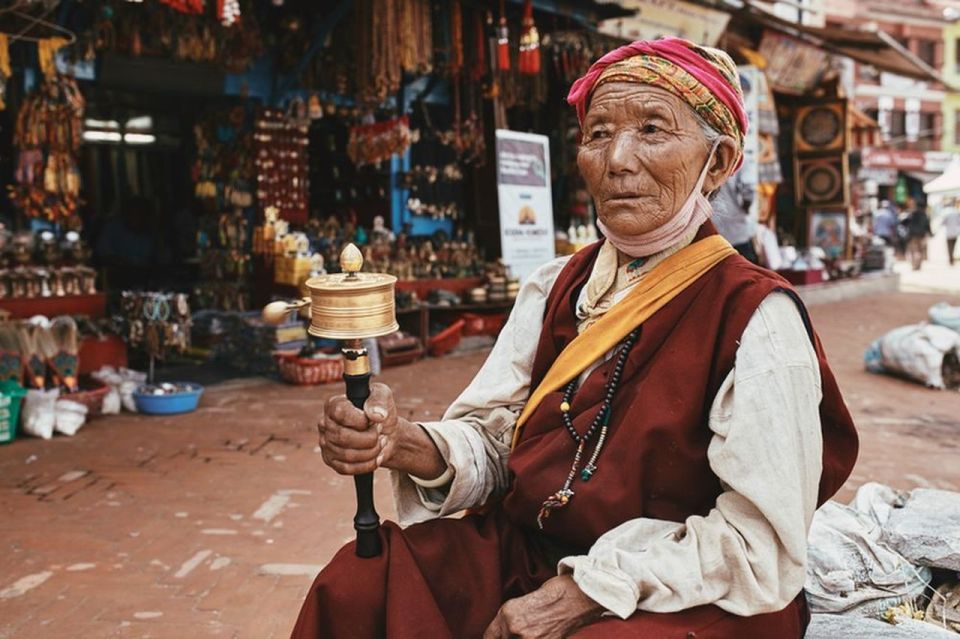
Pashupatinath is the other half of the multifaith story. This is Nepal’s largest Hindu pilgrimage site, and it’s built for spiritual action—walking, watching, praying, and waiting your turn.
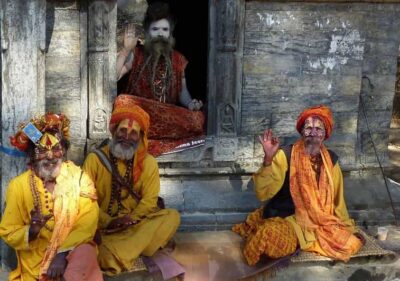
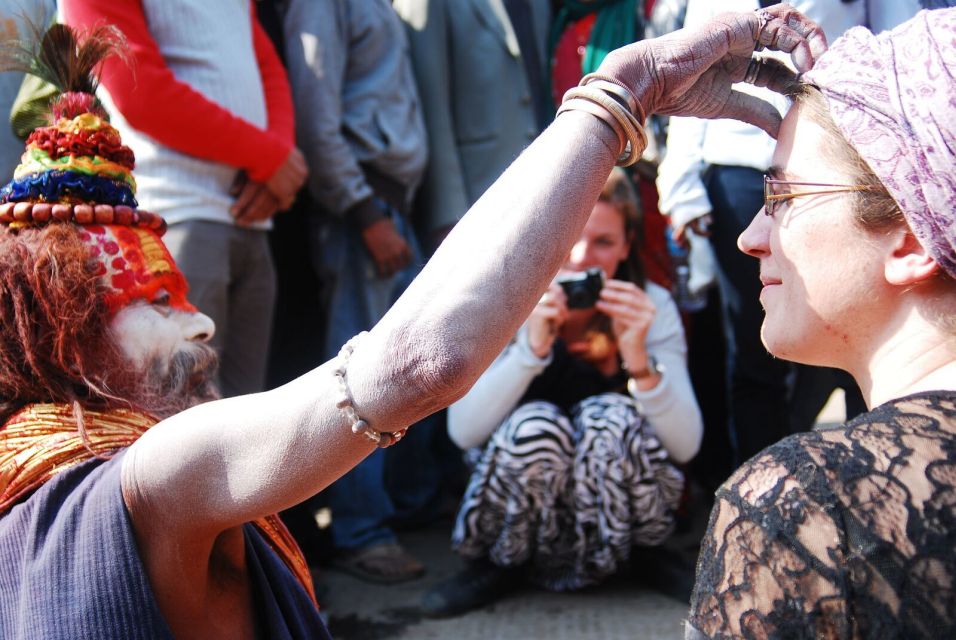
You’ll have about 2 hours at Pashupatinath Temple, and the focus shifts from Buddhism’s stupa devotion to Hindu riverfront ritual. The experience includes glimpses of sadhu life. You’ll also have the chance to offer alms if you want, which can help create a more direct human connection. If you choose not to give, you can still understand what you’re seeing through your guide’s explanations.
Cremations by the Bagmati River: powerful, solemn, and not a show
One of the most serious moments is the view of cremation ceremonies along the Bagmati River. This isn’t entertainment. It’s real ritual space, and your guide will help you stay appropriate—where to stand, when to look, and how to keep your distance.
This is the kind of sight that can stay with you. If you’re expecting something easygoing or purely scenic, this portion can feel heavy. On the other hand, if you want to understand how faith and life cycles connect, it’s deeply informative.

Arati: the “divine light offering” that pulls it all together
Then comes Arati, the divine light offering at Pashupatinath. Watching Arati is one of those experiences where religion becomes visible and timed. Lights are lifted and offered, people respond, and the whole space shifts from sightseeing to participation in a ritual rhythm.
This is where many first-timers finally understand why these temples feel alive. The guide’s job here is more than logistics. They help you read what’s happening so you don’t just watch flames—you understand the purpose behind the moment.
Walking distance, crowd navigation, and why timing can feel tight
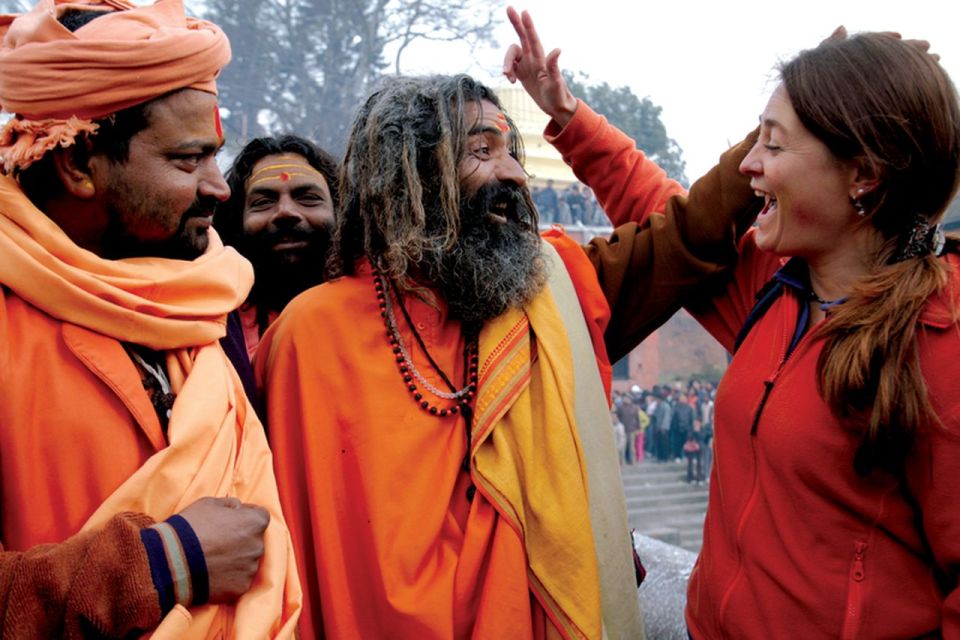
The day isn’t long—4 hours total—but it packs in two major UNESCO sites plus time for ritual viewing. The approximate walking distance is about 2 km, which sounds modest on paper. In practice, it’s the density of people that makes it feel like more.
Your guide will keep you together so you can move through crowds safely and efficiently. One practical tip: if you drift for photos, you’ll lose the thread of what you’re supposed to see next. Staying near your guide isn’t about control—it’s about flow.
Also, Kathmandu traffic can affect how smooth the transitions feel. The plan includes either a short walk (about 15 minutes) or a drive between the areas, depending on conditions. If traffic hits, you might feel the schedule tighten. The good news is that the tour is designed to fit inside a half-day, so you’re not spending your entire day hustling.
What you might want to ask your guide (and how good guidance changes everything)
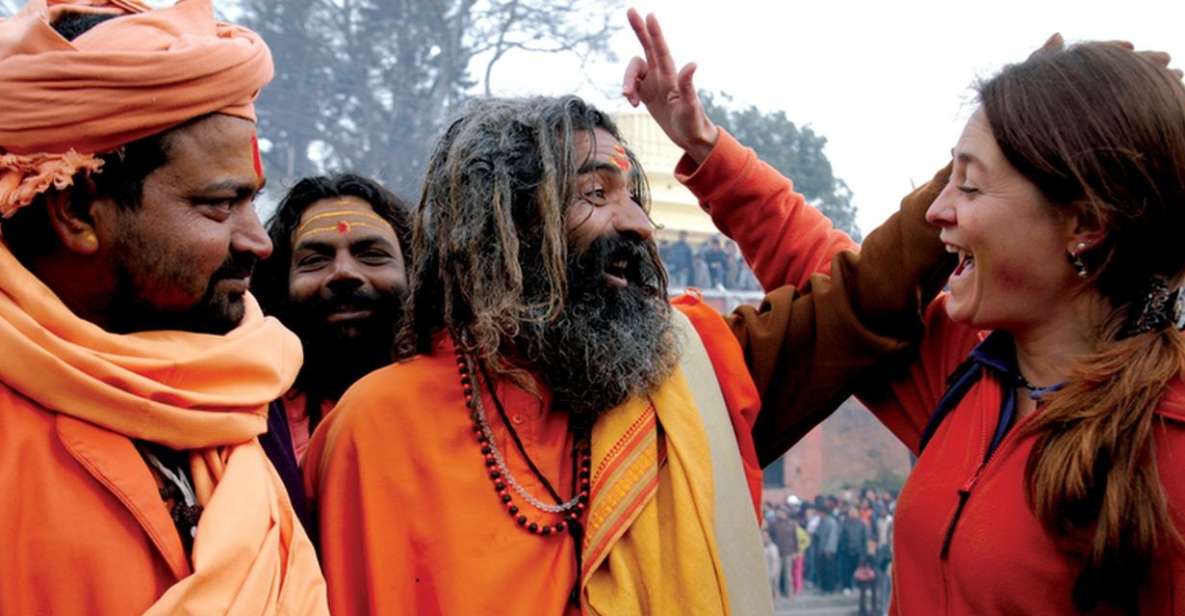
The strongest praise in the feedback is about the guides’ ability to explain things in a way that respects your pace. People highlight that guides like Rozit and Bini are helpful and can answer questions. Others mention Subash supporting them well and Bidhya bringing solid background and care.
Here’s what this means for you: you don’t have to already know the difference between Buddhist and Hindu practice. Your guide should help you understand basic context—why people behave the way they do, what rituals mean, and what you can safely do (and not do).
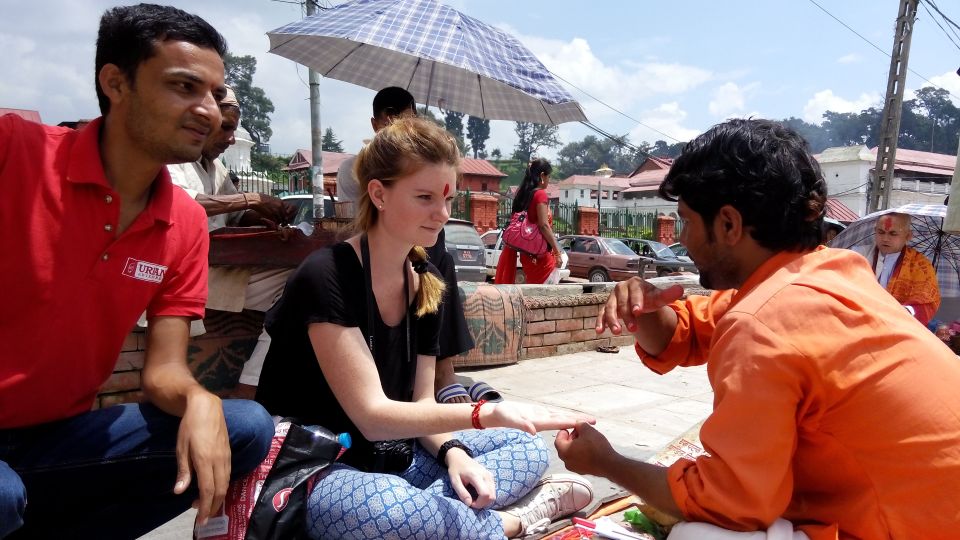
If you’re interested in meeting sadhus or participating in small offerings, ask early. The tour model includes guide support for these moments, including help with navigating the paid interactions (and negotiating when needed). That can make the difference between an awkward encounter and a respectful one.
One caution: if you hope to have deep, one-on-one conversations with everyone you see, a short tour won’t always give you that. Some moments are public and time-limited. The tradeoff is that you’ll see a lot of meaningful scenes without spending all day crisscrossing.
Multifaith in practice: why this pairing works so well
Most Kathmandu tours pick one religion and call it a day. This one places Buddhism and Hinduism side by side through real-world rituals.
At Boudhanath, you experience a devotion style that’s built around continuous movement: prayer wheels, kora walking, and collective rhythm. At Pashupatinath, you see a different devotion style that includes major life-cycle events and formal offerings like Arati.
That pairing matters because Nepal isn’t one faith bubble. It’s lived neighborliness. The same city can host different spiritual languages, and your guide helps you catch the patterns without forcing you into beliefs.
Carbon-neutral, child-friendly, and respectful by design
This tour is described as carbon neutral and run by a B Corp certified company using travel as a force for good. That’s not just marketing fluff here—it fits the idea of going with local guidance and supporting cultural continuity.
It’s also child-friendly. Children under 6 can join for free, which is unusual for tours that include sensitive, intense rituals. If you’re traveling with kids, you’ll want to use your judgment. The cremation viewing is solemn and not a kid spectacle.
Dress code is not optional at religious sites
Plan conservative clothing. The guidance is clear: cover shoulders and knees. For men, long trousers are often needed. For women, a long skirt or sarong is recommended.
This isn’t about fashion. It’s about being comfortable moving through holy spaces without getting turned away or feeling underdressed. If you forget, you may waste time trying to improvise.
Price and value: what $150 buys you in real terms
At $150 per person for a 4-hour, small-group tour, you’re paying for three categories of value:
1) Human guidance
You’re not just getting a car and a checklist. You’re getting an English-speaking Nepali guide who can explain two religions in one half-day and help you navigate crowds.
2) Access and ease at UNESCO sites
Entrance fees to Boudhanath and Pashupatinath are included. You also get transportation between the meeting point and the sights.
3) Time efficiency
With two big stops in one outing, the real cost is not money—it’s wasted hours. This tour is built to protect your schedule and reduce wandering.
What’s not included: food and drinks, alms (if you choose to offer), and the fees for options like palm readings and paid interactions with sadhus. For the palm reader, the price varies, listed at about $7.5 to $9 per person. Butter lamps and sadhu-related paid interactions also cost extra.
So if you’re the type of traveler who only wants photos and observation, you can keep extras minimal. If you like participating in rituals, you’ll likely spend a bit more—but you’ll do it with local support, which is part of the value.
Who should book this tour, and who might want to skip it
This tour is a good fit if you want:
- A short, organized way to see Boudhanath and Pashupatinath in one outing
- Clear explanations of Buddhist and Hindu practices
- A small group pace (about 12 people) that makes you feel less lost
You might consider another option if:
- You dislike crowded spaces and prefer quiet, slower travel
- You’re very sensitive to viewing funerary rituals
- You want only modern, comfortable “sightseeing,” with fewer spiritual moments
Should you book Spiritual Nepal: Expert insight into Multifaith Journey?
I’d book it if you want a smart introduction to Kathmandu’s spiritual heart without spending all day. The combination of Boudhanath’s prayer-wheel kora and Pashupatinath’s Arati and cremation viewing gives you a rare two-religion perspective in one compact plan. The small-group setup helps you actually understand what you’re seeing, not just rush past it.
If you do book, go prepared: dress modestly, stay close to your guide, and keep your expectations realistic for a 4-hour window. If you want optional experiences like a palm reading or offerings, decide beforehand so you can focus on the rituals when the moment arrives.
FAQ
Is this tour only for people who are religious?
No. The tour is designed to explain the meaning and context behind what you’re seeing, so you can enjoy it even if you’re not pursuing religion yourself.
What are the main places visited?
You’ll visit Boudhanath Stupa and Pashupatinath Temple, both UNESCO Heritage sights.
How long is the tour?
The duration is 4 hours.
Where does the tour start and end?
It starts at Hotel Marshyangdi and returns you back to Hotel Marshyangdi.
Are entrance fees included?
Yes. Entrance fees for Boudhanath and Pashupatinath are included.
Do we get transportation between the two sites?
Yes. Transportation costs are included from the meeting point to Boudhanath and from Pashupatinath to the endpoint.
Is food included?
No. Food and drinks are not included.
Can I participate in offerings or a palm reading?
You can opt to offer alms and choose extras like butter lamps at Boudhanath or a palm reading. These are not included in the base price. Palm reading costs are listed as about $7.5 to $9 per person, and offering-related costs are also additional.
What should I wear?
Dress conservatively. Plan to cover shoulders and knees. Men may need long trousers, and women should plan for a long skirt or sarong.
What’s the cancellation policy?
You can cancel up to 24 hours in advance for a full refund.