REVIEW · KATHMANDU
Kathmandu City Tour
Book on Viator →Operated by Himalayan Hero Adventures · Bookable on Viator
Kathmandu feels like an open-air history book, but with real people inside it. This Kathmandu City Tour strings together major Hindu and Buddhist landmarks, plus Patan and the valley’s UNESCO-listed Durbar Square zone, all in one day. I love that you get a proper tour guide plus an air-conditioned vehicle, so you can focus on the sights instead of logistics. I also like the mix of sacred spaces: temple energy at Pashupatinath, stupa atmosphere at Bouddhanath, and the spiritual, slightly chaotic feel of Swyambhunath.
The main thing to factor in: lunch and site permits aren’t included, so you’ll want a plan for meals and any extra charges on the ground.
In This Review
- Key highlights you should care about
- How a 7–8 Hour Kathmandu heritage loop keeps you efficient
- What the $100 tour really includes (and what it won’t cover)
- Starting at Kathmandu Valley: how the guide sets the tone
- Pashupatinath Temple: Hindu sacred space you can feel immediately
- Bouddhanath Stupa: Buddhist monument scale and everyday ritual
- Patan Durbar Square: carved stone, royal stories, and UNESCO-style gravitas
- Swyambhunath Stupa (Monkey Temple): where the spiritual and playful collide
- The guide and driver: small comforts that make a big difference
- Meals, tea, and timing: don’t let hunger steal your attention
- Who this Kathmandu City Tour fits best
- Should you book this Kathmandu City Tour?
- FAQ
- What is the start time for the Kathmandu City Tour?
- How long does the tour take?
- What sites are included in the tour?
- What is included in the price?
- What isn’t included?
- Is the tour private or shared?
- Is admission ticket included?
- Can I cancel for a refund?
Key highlights you should care about
- A tight sacred-site route across the Kathmandu Valley, not just one neighborhood.
- Guide-led navigation that helps you understand what you’re seeing and where to go next.
- Comfortable A/C transport for a 7–8 hour day in traffic-heavy Kathmandu.
- Stupa and temple balance: Hindu sites plus one of Asia’s biggest stupa experiences.
- Private for your group (so your pace is yours).
- Free admission ticket is mentioned, but remember permits on heritage sites are still not included.
How a 7–8 Hour Kathmandu heritage loop keeps you efficient
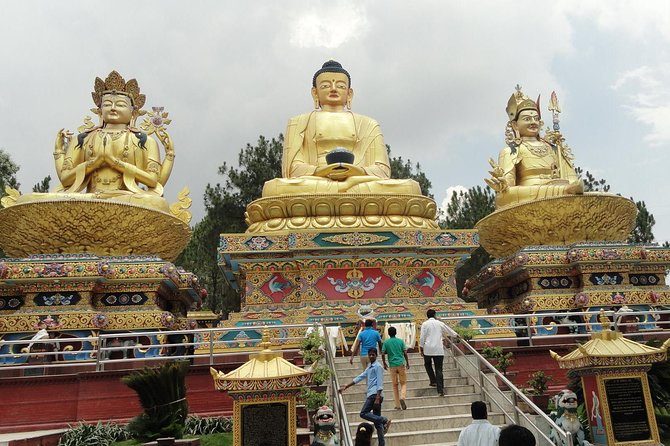
This tour is built for one goal: getting you from big landmark to big landmark without wasting your day. With a start time of 8:15am, you’re out early enough to avoid the worst crush of tour traffic, and it’s easier to keep the day feeling active instead of rushed.
You’re looking at roughly 7 to 8 hours, and that time is used to cover several key sites rather than lingering in only one. That pacing works well if you have a short stay in Kathmandu or you want a first-day orientation to the valley’s spiritual map.
It’s also set up as a private tour/activity for your group, which matters more than it sounds. In a place where lines, signage, and local customs can be a lot, being with just your party tends to make the day feel calmer. If your group has different comfort levels with walking or standing for long periods, your guide can generally adapt.
You can also read our reviews of more city tours in Kathmandu
What the $100 tour really includes (and what it won’t cover)
The price is $100 per person, and the value mostly comes from what’s bundled: pickup (where available), an air-conditioned vehicle, and a tour guide.
That bundle is important in Kathmandu. A/C transport is a quality-of-life thing, not a luxury flex. It helps you stay functional for the next stop—especially when your day includes temples and stupas where you’ll likely be out-and-in, watching your footing, and paying attention to etiquette.
Here’s what’s not included:
- Lunch
- Coffee and/or tea
- Permits on heritage sites
So think of this as paying for your movement and interpretation, then budgeting separately for food and any permits that are required at entry. If you’re trying to travel light, pack small essentials: water, a light layer, and a plan for where you’ll eat once the tour winds down.
Mobile ticket is part of the package too, which usually means less hassle at the start of the day.
Starting at Kathmandu Valley: how the guide sets the tone
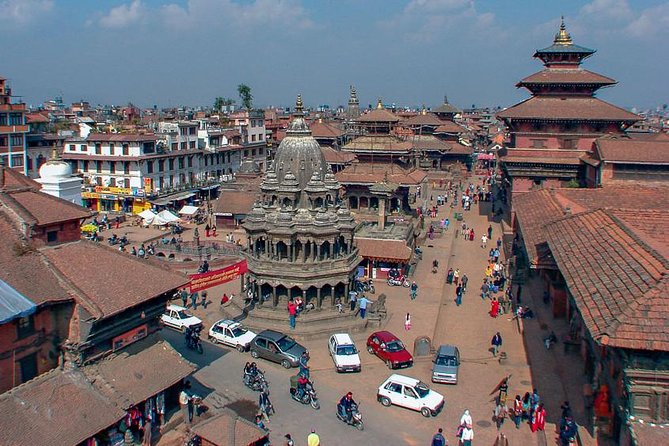
Your day kicks off by focusing on the Kathmandu Valley as a living “open museum” of medieval-style art, architecture, and worship. The valley’s temples and monuments are tied to Hindu and Buddhist traditions, and that blend is the real point of the route.
A good guide makes that difference. Instead of you just looking at buildings, you start to notice patterns: how sacred spaces are arranged, how people interact with them, and why these sites matter in daily life—not only in textbooks.
The operational style behind this tour also seems built around coordination. In past experiences, people noted everything was organized and supervised closely, with attentive driver support and clear guidance throughout the day.
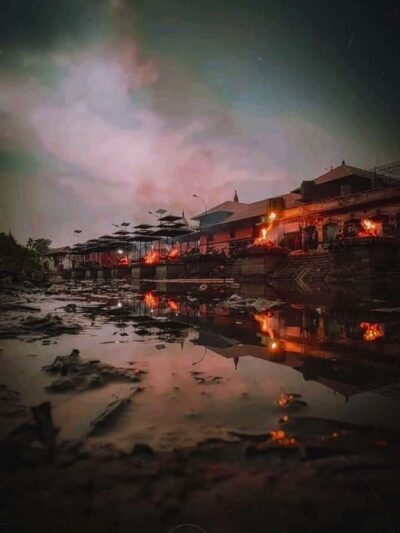
Pashupatinath Temple: Hindu sacred space you can feel immediately
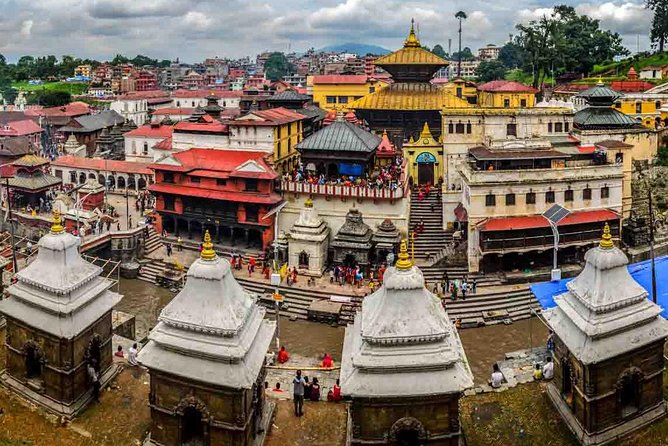
Pashupatinath Temple is one of the valley’s most important Hindu sites, and it sets a distinct tone for the rest of your day. Expect a busy, devotional atmosphere where worshippers’ routines shape what the area feels like.
What I like about starting here is the context it gives you. Once you’ve seen a major Hindu temple environment firsthand, you’ll read the rest of the day differently—especially when you move toward Buddhist stupa space.
Practical note: you’ll want to dress respectfully and follow your guide’s instructions on what areas to enter and how to behave. Temples aren’t museums. They’re active places, and people will notice if your group treats them like a photo backdrop only.
Also, this stop is a reminder that “temple time” doesn’t work the same way as “tour time.” You may end up pausing longer than you expected, especially if your guide points out specific details and meanings.
Bouddhanath Stupa: Buddhist monument scale and everyday ritual
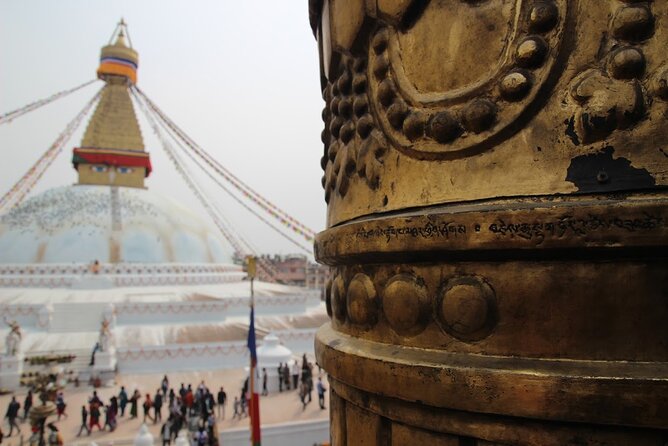
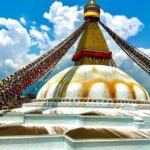
Bouddhanath Stupa is the kind of landmark that changes how big Kathmandu feels. You’re not just seeing a structure—you’re stepping into a place where Buddhist devotion has a strong visual rhythm.
This is where the tour’s balance pays off. After Pashupatinath, the shift to Buddhist stupa worship keeps the day from turning into one long temple-style repetition. You’ll likely notice differences in how people move, where they focus their attention, and what makes the atmosphere feel different even when you’re still in the same city.
If you care about culture beyond sight-seeing, this is one of the better moments to slow down. Stupas reward patience. You get more out of the visit when you stop treating each stop like a checkbox.
For photographers: go easy and respectful. If your guide tells you when it’s a good time to take pictures, it’s usually because it keeps you from being disruptive during prayer.
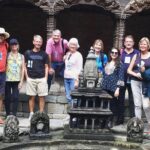
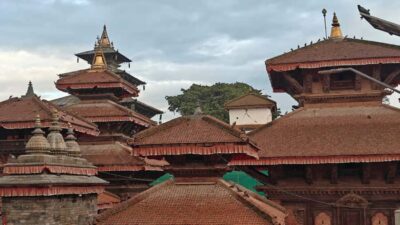
Patan Durbar Square: carved stone, royal stories, and UNESCO-style gravitas
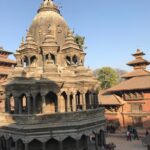
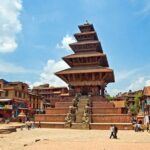
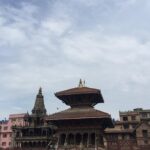
Next up is Patan Durbar Square. This is one of those places where the “art in the details” approach actually works. You’ll likely find yourself looking at carved stone, temple forms, and the density of historical features around you.
Durbar Square areas are part of Kathmandu Valley’s UNESCO-listed heritage story, and Patan brings a different flavor compared with other sections of the valley. The point isn’t just grand buildings. It’s the sense that these spaces were shaped for ceremony, governance, and community life.
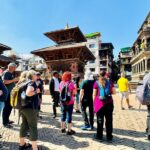
A practical advantage here: your guide can help you connect architectural details to real meaning. If you simply walk through, you may miss why certain elements are arranged the way they are. With a guide, you’re less likely to feel like you’re wandering.
One caution: Durbar Square areas can involve uneven ground and lots of steps or close-quarters walking. Wear shoes you don’t mind getting dusty. You’ll be glad you did before the day starts stacking up.
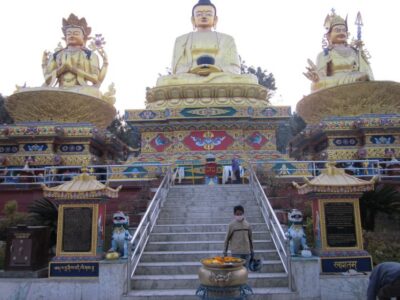
Swyambhunath Stupa (Monkey Temple): where the spiritual and playful collide
Swyambhunath Stupa is listed as the Monkey Temple, so expect a place where spirituality and literal monkeys share the stage. That nickname isn’t just marketing—it tells you the vibe.
This stop works well as a closing act because it brings energy. Even if you’re not trying to interact with monkeys, they add a layer of unpredictability that makes the site feel alive rather than staged.
Again, your guide matters. They can help you time your movement and stay aware of where you’re standing. In sacred areas like this, it’s not just about where you want to go. It’s also about how you pass through, what you watch, and how you keep yourself and others comfortable.
If your group is sensitive to surprises or doesn’t like animals, let your guide know early. The tour is flexible enough to respond, and a good guide will help you keep the day enjoyable.
The guide and driver: small comforts that make a big difference
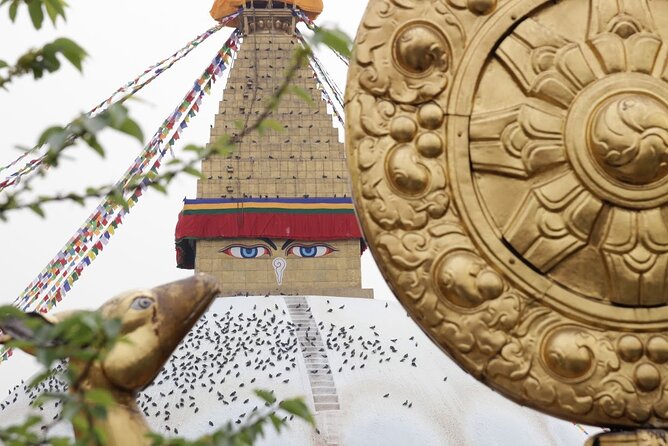
The tour includes a tour guide, and that’s not a throwaway line. A strong guide changes the quality of your visit by answering the questions you don’t even know to ask.
From earlier experiences, one thing that stood out was how guides were chatty and informative, with people describing the guide as helpful and guiding you through not only sights but also practical breaks. Some groups also got direction toward local stops such as Asan Bazaar, plus tastes of Nepalese treats like lassi.
That kind of guidance matters because it turns the day from structured sightseeing into something more like learning how locals actually live.
On the driving side, the comfort piece is real. Past feedback noted clean vehicles (including a Baleno in at least one case) and drivers who could manage small conversations and communicate clearly. In at least one experience, driver Kiran was singled out for good English and an experienced, easygoing approach.
You’ll still want to bring your own patience for traffic days. Kathmandu is Kathmandu. But a good driver and clear timing help reduce the stress that can otherwise drain a long day.
Meals, tea, and timing: don’t let hunger steal your attention
Lunch and coffee/tea aren’t included, so you need to handle food on your own. This is common on cultural tours, but it affects how you experience each stop.
Here’s the practical approach I suggest:
- Plan for lunch after your main stupa and Durbar Square moments.
- Carry a small snack if your group gets hangry (it happens).
- Ask your guide where a good break spot is, especially if you want something local rather than a random convenience stop.
If you’re hoping to try Nepalese food, don’t wait until you’re exhausted. The best meals come when you still have energy to choose.
Also remember: you’re spending most of the day outdoors and moving around sacred sites. Hydration matters. If your tour day feels long, it’s often because you don’t drink enough or you underestimate how many small pauses your guide will make.
Who this Kathmandu City Tour fits best
This is the right match if:
- You have limited time and want a strong overview of the Kathmandu Valley’s most famous religious sites.
- You like a guide-led approach where someone helps you interpret what you’re seeing.
- You prefer comfort during transit and don’t want to wrestle with changing local transport mid-day.
It may be less ideal if:
- You want a totally unstructured day where you linger for hours at one site and ignore the rest.
- Your group has strict dietary needs or you hate deciding food options on the fly.
- You’re trying to keep the day fully self-contained, because permits and meals aren’t included.
The private-group format helps lots of travelers feel more in control of pacing and comfort.
Should you book this Kathmandu City Tour?
If you want a single, efficient day that hits major Kathmandu Valley sacred sites with real guidance, I think this is a strong booking. The value is in the combination of air-conditioned transport and a tour guide, so you can spend your attention on temples and stupas instead of logistics.
Book it if your priority is first-rate orientation: Pashupatinath, Bouddhanath, Patan Durbar Square, and Swyambhunath in one smooth schedule. Just go in knowing you’ll need to budget for lunch and any permits on heritage sites, and bring your patience for Kathmandu’s daily traffic rhythm.
If that trade-off fits your style, you’ll likely end the day feeling like you understand Kathmandu’s spiritual “map,” not just its monuments.
FAQ
What is the start time for the Kathmandu City Tour?
The tour starts at 8:15am.
How long does the tour take?
The duration is about 7 to 8 hours.
What sites are included in the tour?
You’ll visit Pashupatinath Temple, Bouddhanath Stupa, Patan Durbar Square, and Swyambhunath Stupa (Monkey Temple).
What is included in the price?
The tour includes an air-conditioned vehicle and a tour guide. You’ll also have a pickup offered and a mobile ticket.
What isn’t included?
Lunch, coffee and/or tea, and permits on heritage sites are not included.
Is the tour private or shared?
It’s private for your group, meaning only your group participates.
Is admission ticket included?
Admission ticket is described as free, but permits on heritage sites are still not included.
Can I cancel for a refund?
Yes. Free cancellation is offered if you cancel up to 24 hours in advance for a full refund.