REVIEW · KATHMANDU
KATHMANDU FULL DAY SIGHTSEEING TOUR (6-hrs)
Book on Viator →Operated by Vyas Treks & Expedition · Bookable on Viator
Kathmandu compresses a lot into six hours. This private tour links four major landmarks—Pashupatinath, Swayambhunath, Patan Durbar Square, and Boudhanath—so you get a guided city overview without spending your day figuring out transit.
I love the comfort factor: you’re in a private A/C vehicle for the whole tour, which matters in Kathmandu traffic and heat. I also like the pacing—enough time to look around at the big stops, with shorter segments where you mainly want to see the key sights fast.
One consideration: entrance fees are extra, and the Swayambhunath part includes a hard stair climb—so budget for that and plan your energy level.
In This Review
- Key things to know before you go
- A/C pickup and a realistic six-hour plan
- Pashupatinath Temple: Deopatan courtyard and the two-tier pagoda
- Swayambhu (Swayambhunath): 365 steps, monkeys, and the clockwise circle
- Patan Durbar Square: start on the left, then move deeper
- Boudhanath (Buddha Stupa): a giant mandala you can actually see
- Price and what to budget beyond the $40
- The guide and driver impact (and why traffic won’t ruin your day)
- Who should book this Kathmandu half-day tour
- Should you book this 6-hour sightseeing tour?
- FAQ
- FAQ
- Are entrance fees included in the tour price?
- What time does the tour start, and how long is it?
- How long do you spend at each stop?
- Is lunch included?
- Is pickup included?
- What if the weather is poor?
Key things to know before you go
- Private group, not a bus tour: it’s you and your group, with an English-speaking guide and a driver handling logistics.
- A/C transport the entire time: you avoid the stress of day-long waiting and crowding between sights.
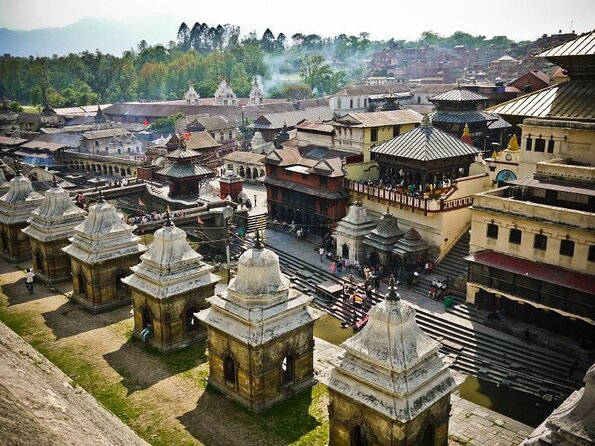
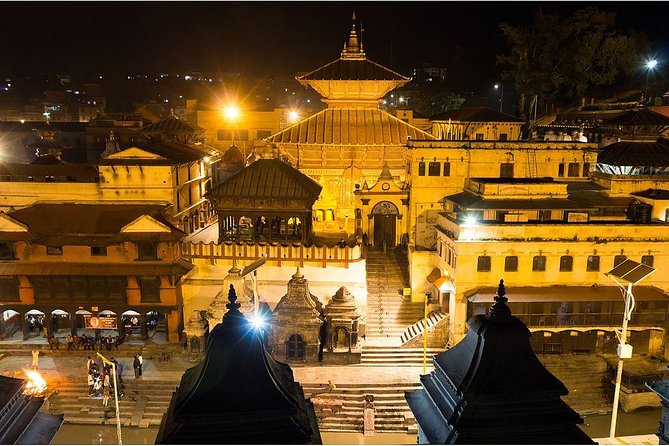
- Pashupatinath is 2 hours, in an open courtyard: built as a two-tiered pagoda on a single-tier plinth.
- Swayambhunath is the 365-steps challenge: you’ll pass small stupas and meet monkeys on the climb.
- Patan Durbar Square gets 2 full hours: your route starts on the left side, then moves deeper into the square.
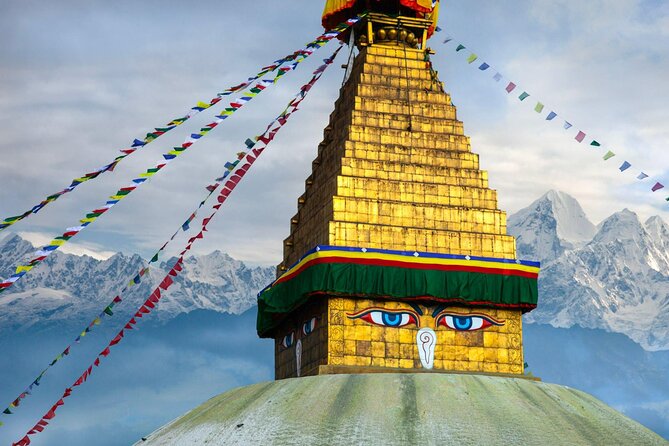
- Boudhanath is visual and symbolic: from above, it’s described as a giant mandala with four Dhyani Buddhas at the cardinal points.
A/C pickup and a realistic six-hour plan
This is a straightforward, structured day. You start at 9:30am, and you’re looking at about 6 hours total including time between sites. The biggest quality-of-life win is that you ride in a private air-conditioned vehicle the whole way, which is a big deal when roads feel chaotic and the day warms up.
The tour is also priced to feel fair for what you get: $40 per person includes a private ground setup, an experienced English-speaking guide, and all government taxes. You also get a mobile ticket, which helps reduce last-minute hassle when you’re moving between places.
That said, this is not a “walk everywhere and figure it out” kind of outing. Your day is built around four stops, and you’ll likely spend most of your energy on the sights themselves, not on navigation. If you like a guided overview that still leaves room to look closely, this format fits.
One more practical note: restroom on board isn’t included. It’s smart to plan for bathroom breaks at the stops, not in transit. Carry water and keep your cash handy for entry tickets.
You can also read our reviews of more tours and experiences in Kathmandu
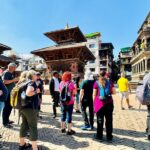
Pashupatinath Temple: Deopatan courtyard and the two-tier pagoda
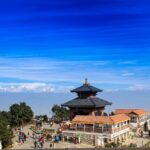
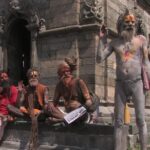
Your first major stop is Pashupatinath Temple, with about 2 hours here. The key setting detail is that it sits in Deopatan, in the middle of an open courtyard. The temple itself is described as a square, two-tiered pagoda built on a single-tier plinth—so even if you’re not chasing architecture nerd details, you can still read the shape and layers as you walk around.
Why this stop works well early in the morning: it’s a large, symbolic place, and you’ll want the time to slow down. Two hours gives you breathing room to orient yourself, look at the building form, and take in the guide’s explanation of what you’re seeing.
The drawback is logistics around entry. Admission is not included, so you’ll need to factor in entrance fees when you estimate your total day cost. It’s also not the kind of site where you can treat it like a quick photo stop—because the guide is there to connect the meaning and religious symbolism to the structures you’re looking at.
If you’re sensitive to crowds, plan to keep moving steadily through the space and follow your guide’s timing. And if you want good pictures, ask the guide when the best light or less-crowded angles tend to be.
Swayambhu (Swayambhunath): 365 steps, monkeys, and the clockwise circle
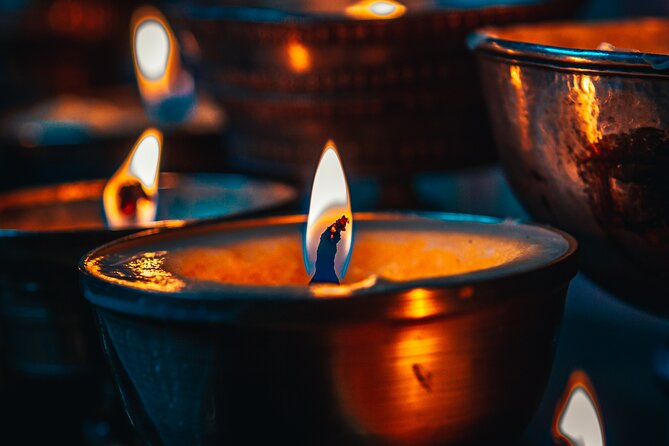
Next comes Swayambhu Mahachaitya, about 1 hour. This is the energetic stop—because you’re climbing the full 365 steps to the top. On the way up, there are small stupas, plus monkeys, plus vendors who may try their luck while you’re resting. The tour experience here isn’t just the destination; it’s the climb itself.
What I like about this setup is that it’s time-limited enough to keep the day feeling balanced, but long enough to let you actually enjoy the ascent. You’re also not just doing stairs in silence: you’ll circle the stupa at the very top clockwise. That little ritual detail makes the visit feel more intentional than a checklist.
Consider your stamina before you commit. If stairs are an issue, you’ll still likely do the visit, but your pace may slow—and your 1-hour window can feel tight. Wear supportive shoes, go slow, and take quick pauses rather than pushing hard.
Also, expect some interaction at the hilltop. Monkeys are part of the experience description, so keep items close and follow your guide’s cues on what to avoid. You’ll also see small temples once you reach the top area, which helps break up the “climb, climb, climb” feeling.
Patan Durbar Square: start on the left, then move deeper
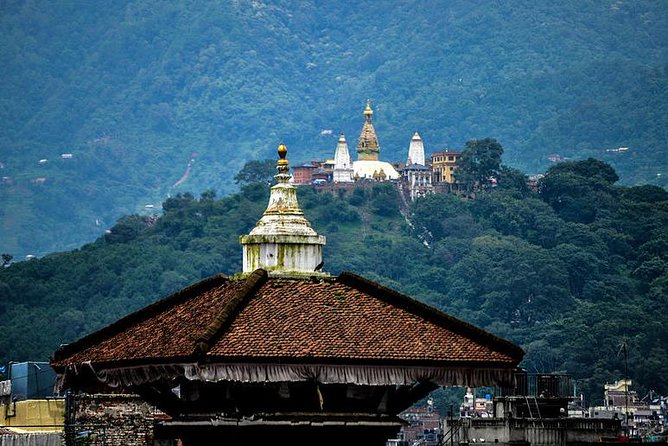
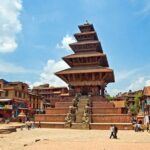
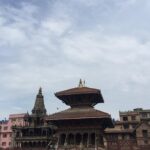
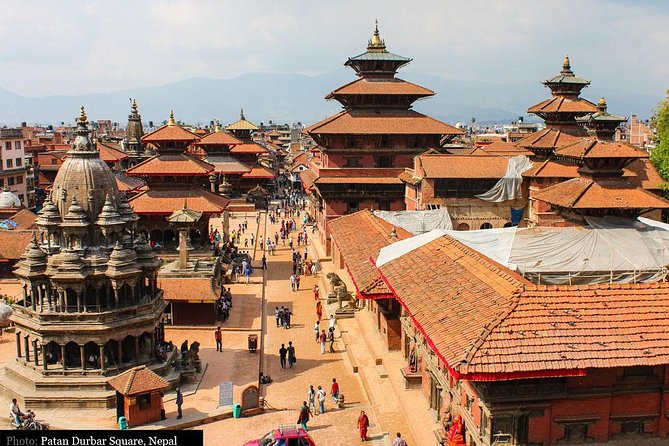
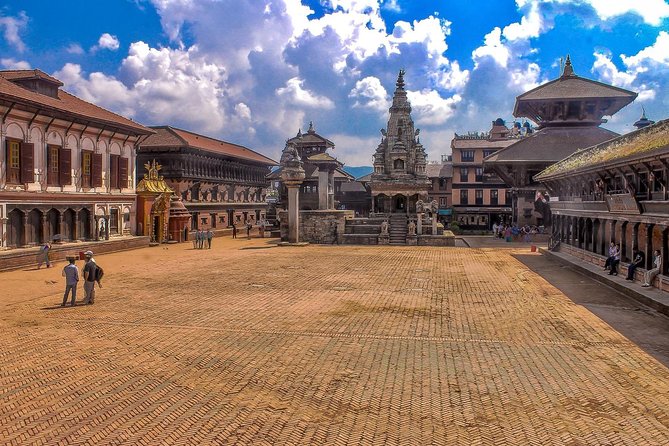
Patan Durbar Square is scheduled for about 2 hours, and your route has a built-in flow. You begin on the left side of Patan, watching temples first, then you move deeper toward the city space. That direction matters because it changes how the square opens up visually as you go.
The major point here is that the guide is there to explain significance as you see the sights in sequence, not just name them. The main attractions listed include Chyasin Dewal, which helps you focus on what you’re looking for rather than scanning everywhere at once.
Two hours gives you enough time to:
- take photos without feeling rushed,
- step back and absorb how the square is arranged, and
- get your bearings for later stops.
As with the other sites, entrance costs are not included. If you want to avoid surprises, budget for monument and permit fees before you arrive. Your guide can help you understand what you’re paying for on the spot, but it’s still easier to be prepared.
If you’re traveling with older family members or anyone who gets tired, this is another reason the A/C vehicle helps: you’ll get to recover between stops, but you still need a comfortable walking pace while you’re in Patan.
Boudhanath (Buddha Stupa): a giant mandala you can actually see
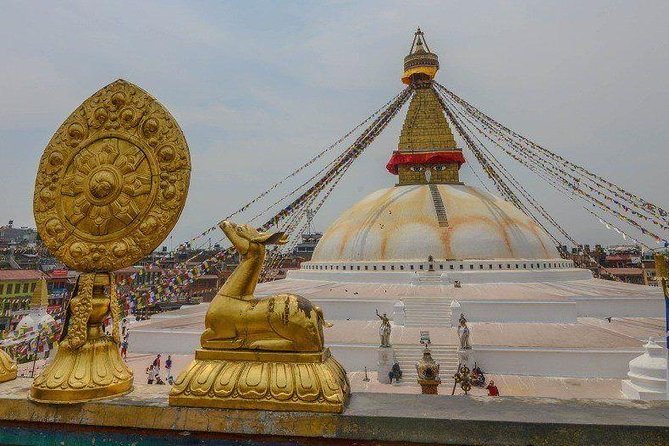
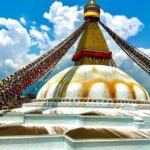
Your final major stop is Buddha Stupa, also associated with Boudhanath Stupa, with about 1 hour here. The standout detail in the tour description is how the stupa looks from above: like a giant mandala, a diagram of the Buddhist cosmos. Four Dhyani Buddhas mark the cardinal points, which is exactly the sort of symbolism a guide can translate into something you can understand while you’re standing there.
Why one hour is a sweet spot: it’s enough time to take in the stupa’s visual structure and let the guide’s symbolism explanation land. It’s not so long that you feel worn out before the day ends, especially because you’ve already done stairs earlier.
If you’re the type who likes to watch how people move around a sacred space, this is a good place to slow down. You’ll want to notice the geometry your guide points out and how the stupa dominates the surrounding area.
Again, entrance fees aren’t included, so build that into your math. Also, because you’re finishing the day, try not to over-schedule anything right after—your legs may feel it, even if you’re not pushing hard.

Price and what to budget beyond the $40
At $40 per person, this tour can be good value if you care about a guided overview plus private transport. What you’re paying for isn’t only the guide—it’s also the comfort and the fact that you don’t waste time negotiating between sites.
But the tour is also clear that entrance fees are extra. The stated example total for fees across monuments and monuments/permits is about $10 + $10 + $4 + $2. That’s roughly $26 total in added costs, depending on what’s required on the day and how the fee breakdown applies to each stop.
Food is also separate. Lunch and dinner are listed as costing about $3–$6 per meal depending on what and where you prefer to eat. Even though your day may or may not include a formal lunch break, it’s smart to keep a small food budget ready.
Two more practical costs to keep in mind:
- No restroom on board, so you’ll rely on stop facilities.
- You might want water and small snacks during the day, especially with the 365 steps.
If you want the cleanest budget, think: $40 + around $26 in entry fees + some food, then you’re in the ballpark for a smooth day.
The guide and driver impact (and why traffic won’t ruin your day)
The difference between a good city day and a painful one is often the driver. With this tour, you get private transport plus a driver who navigates Kathmandu traffic without turning your afternoon into a stress test. The best version of this tour feels calm: you’re focused on sights and explanations, not on timing gaps between intersections.
The guide is the other half. The tour description promises an English-speaking guide, and the on-the-ground value is that the day stays understandable. You’re not just looking at buildings; you’re getting the religious symbolism connected to the stops—Patans sites, Swayambhu’s top circling detail, and the Boudhanath mandala explanation.
There’s also a human factor. In at least one case, the relationship was relaxed enough that lunch happened with the guide. That doesn’t mean every day turns into a meal together, but it does suggest this kind of private setup can feel friendly rather than rigid.
One watch-out: in one low-rating situation, there was confusion tied to cancellation communication. That’s a reminder to treat your booking confirmation like luggage labels—double-check the key details before you depart. If anything feels unclear, get it straight early.
Who should book this Kathmandu half-day tour
This is a strong match if:
- you want a structured, four-stop introduction to Kathmandu Valley sites,
- you prefer private transport over public buses,
- you like a guide who explains meaning, not just facts,
- your group values comfort for a full day of short walks and entry lines.
It’s also a better fit for people who can handle stairs at least once. The 365 steps at Swayambhu are the main physical challenge. If your group has mobility issues, you’ll need to plan carefully and expect a slower pace.
If you’re traveling as a couple or small group, the private format can feel especially efficient because you’re not waiting for other passengers. And since group discounts are mentioned, it may become even more attractive if you can share the tour with friends.
Should you book this 6-hour sightseeing tour?
Yes, if you want a guided “greatest hits” day that’s still detailed enough to feel real. The biggest strengths are the private A/C transport, the guided explanations across four iconic stops, and a timing plan that won’t swallow your entire day.
Skip it or reconsider if:
- you don’t want to pay extra for entrance fees,
- you or your group struggles with stairs (Swayambhunath is the key issue),
- you need a totally flexible schedule with no set order of sites.
Also keep expectations balanced: this is a half-day sightseeing plan, not a slow travel wander through side streets. You’ll see a lot, and you’ll likely leave with photos plus a clearer sense of what each site symbolizes.
One final tip: good weather matters. If your day depends on clear conditions, be ready for the possibility of schedule changes if weather isn’t suitable.
FAQ
FAQ
Are entrance fees included in the tour price?
No. The tour states that admission fees and entrance fees are extra. The example total given for fees is about $10 + $10 + $4 + $2.
What time does the tour start, and how long is it?
The tour starts at 9:30am and runs for about 6 hours total.
How long do you spend at each stop?
Pashupatinath Temple is about 2 hours. Swayambhu Mahachaitya is about 1 hour. Patan Durbar Square is about 2 hours. Buddha/Boudhanath Stupa is about 1 hour.
Is lunch included?
No. Lunch and dinner are not included, and meals are estimated at about $3–$6 per meal depending on where you eat.
Is pickup included?
Pickup is offered. The details of the exact meeting point aren’t listed here, but pickup is part of the experience.
What if the weather is poor?
The experience requires good weather. If it’s canceled due to poor weather, you’ll be offered a different date or a full refund.