REVIEW · KATHMANDU
From Kathmandu: 3 Major Durbar Square Guided Tour
Book on GetYourGuide →Operated by Nepal Adventure Guide · Bookable on GetYourGuide
A single morning can feel like three different centuries. This guided route takes you through the Kathmandu Valley’s Durbar Squares as living monuments, with stop-by-stop context for what you’re actually seeing. I love how the tour brings you right into the royal world at Hanuman Dhoka, including the area tied to Kumari’s residence, and I love the contrast between Patan’s Krishna Mandir stone craftsmanship and Bhaktapur’s towering Nyatapola Temple. One consideration: entrance fees aren’t included, so plan for extra costs and a bit of walking on uneven historic stone.
The structure of the day is smart: you get a professional English-speaking guide, private transportation between sites, and enough time at each square to understand the layout before you move on. Pickup and drop-off in Thamel keeps the logistics easy, especially if you’d rather not coordinate taxis across old-city traffic.
This is best if you enjoy architecture, sacred spaces, and stories that connect rulers, artisans, and religion. If your priority is only quick photos, the guided pacing might feel like more talking than you expect.
In This Review
- Key things to know before you go
- How the 3 Durbar Squares Tour Works in a Smooth 5 Hours
- Kathmandu Durbar Square (Hanuman Dhoka): Kumari Residence and Royal Courtyards
- Patan Durbar Square: The Krishna Mandir Stone Temple and Fine-Art Craft
- Bhaktapur Durbar Square: Nyatapola’s Pagoda Style and the 55-Window Palace Area
- Price and Value: What $86 Buys You (and What You Still Pay Separately)
- The Guide Factor: Pranav, Aneel, and Why Stories Change the Buildings
- Timing, Comfort, and Photo Reality in the Old City
- Who This Tour Fits Best
- Should You Book the Kathmandu Valley: 3 Major Durbar Square Guided Tour?
- FAQ
- What is the duration of the tour?
- Where do you get picked up and dropped off?
- Which places are included in the tour?
- Is an English guide provided?
- Are entrance fees included?
- Is private transportation included between sites?
- Is the tour wheelchair accessible?
Key things to know before you go
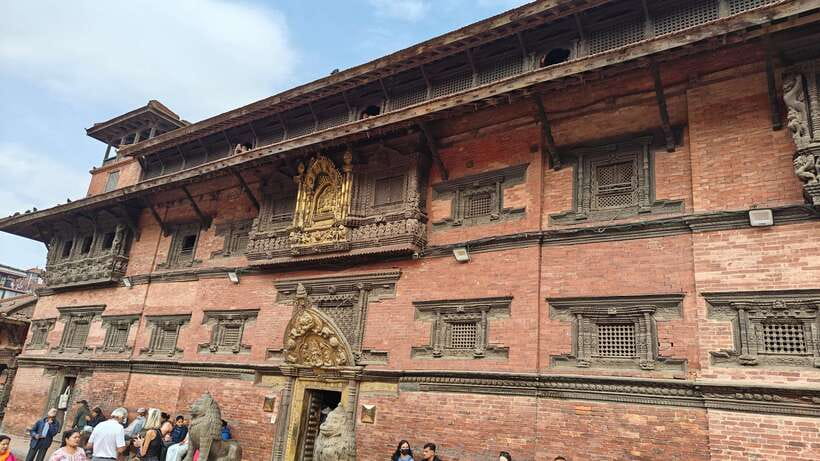
- Kumari and royal court setting at Hanuman Dhoka: you’ll learn what you’re looking at beyond the obvious temples.
- Patan’s Krishna Mandir stone temple: a focused stop for craft details and symbolism.
- Bhaktapur’s Nyatapola Temple: see Nepal’s tallest pagoda style up close.
- UNESCO sites that still feel active: festivals and daily use shape what you notice.
- Private group + English guide: smoother flow than a mixed group tour.
- Skip-the-line support: less waiting while you’re trying to see three squares.
How the 3 Durbar Squares Tour Works in a Smooth 5 Hours
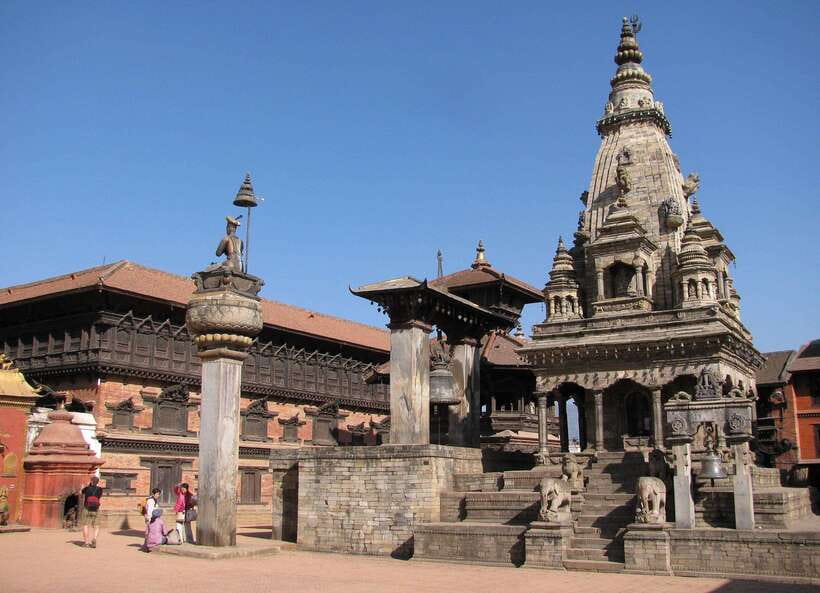
You’re crisscrossing the old heart of the Kathmandu Valley—Kathmandu, then Bhaktapur, then Patan—without spending half the day figuring out transport. The whole experience runs about 5 hours, with guided time scheduled at each Durbar Square rather than turning into a slow “drive-and-look” tour.
Here’s why that matters: the Durbar Squares are not one single sight. Each one is a cluster—palaces, courtyards, temples, gateways, and museum-like spaces. If you show up without a plan, you can miss the relationships between buildings. With a guide, you’re more likely to notice how the power and spirituality of the past show up in doors, columns, and street-level carvings.
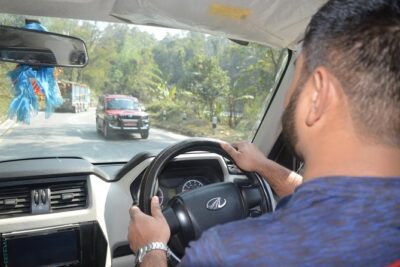
Also, the tour is a private group with a professional English-speaking guide and private transportation between sites. That usually means fewer interruptions and more time spent at the places that actually matter to you.
One practical note: you’ll want comfy shoes. These areas are built for feet that belong in the past—uneven stones, steps, and narrow lanes are part of the experience.
You can also read our reviews of more guided tours in Kathmandu
Kathmandu Durbar Square (Hanuman Dhoka): Kumari Residence and Royal Courtyards
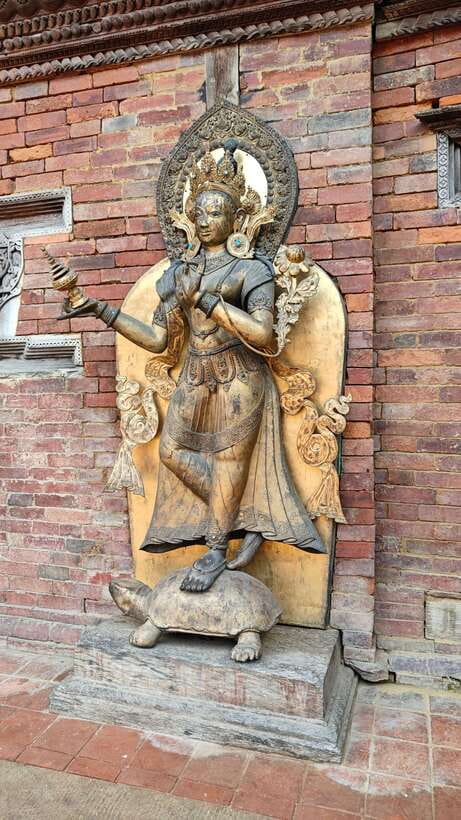
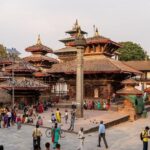
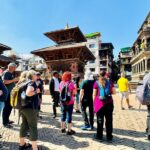
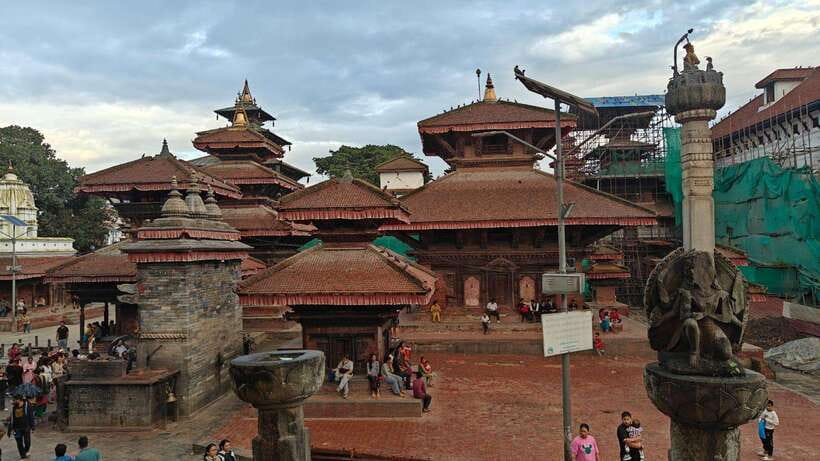
Kathmandu Durbar Square is where the day gets its first “wow.” You’re stepping into the bustling center of ancient Kathmandu, but the real value is the royal layering: palace compounds, carved wooden details, and temple structures that seem to grow out of the courtyard system.
The big focal point is Hanuman Dhoka Palace. This is a royal setting dedicated to Hanuman, the Hindu monkey god. What you’ll appreciate here is how the guide ties together the symbolism and the architecture. Instead of treating it like just a collection of temples, you learn how the compound functioned as a seat of power.
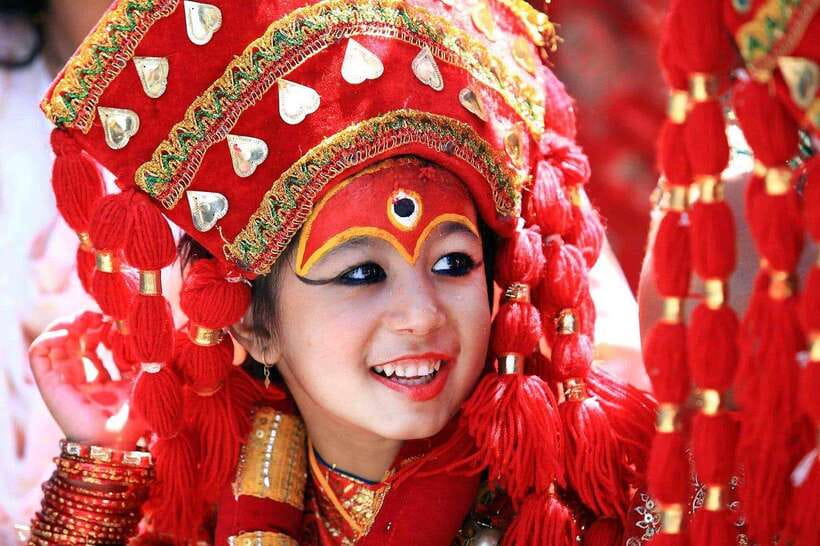
Another highlight is the connection to Kumari, the living goddess. The tour includes a look at the palace area tied to her residence. You won’t just spot the location—you’ll understand why it’s significant in Nepal’s culture, and how the site’s meaning shifts during festivals.
You’ll also hear about the Taleju Temple, an important feature inside Kathmandu Durbar Square. Even if you’re not a specialist in temple styles, the guide’s explanations make it easier to read the space: which courtyards feel ceremonial, which structures feel like “public face” versus palace interior, and why certain details repeat across the compound.
What to watch for at this stop:
- The area is busy, so it helps to listen and move steadily rather than stopping every five steps for photos.
- Carved details can be tiny. If you like close-up architecture, this is your best chance to slow down briefly with the guide.
Patan Durbar Square: The Krishna Mandir Stone Temple and Fine-Art Craft
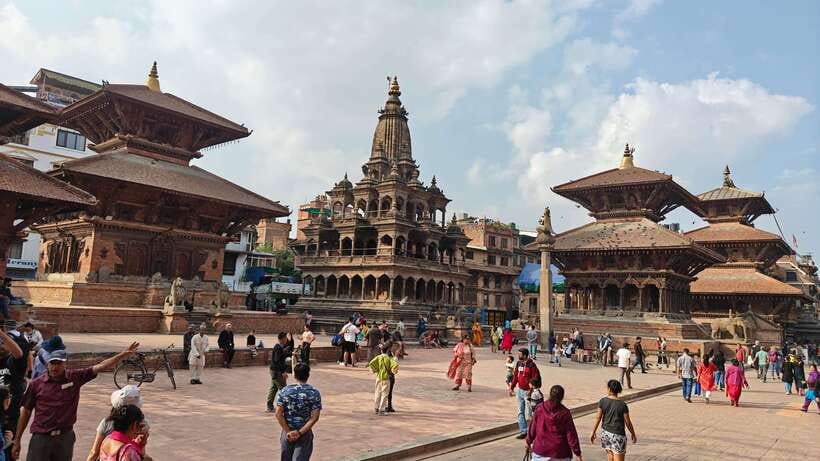
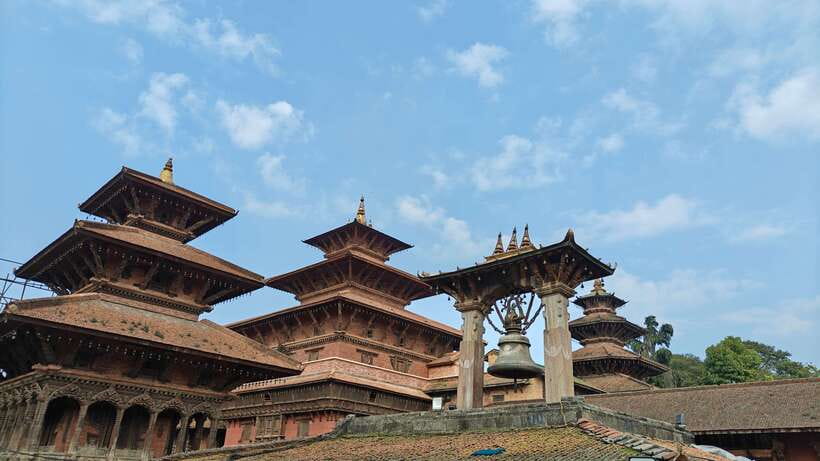
After Kathmandu, Patan feels like a different kind of artistry. It’s still in the Kathmandu Valley orbit, but the tone shifts toward fine arts and the kind of craftsmanship you can almost measure in stone.
Patan Durbar Square (also known as Lalitpur Durbar Square) centers on a former royal residence complex with temples, statues, and courtyards. The standout here is the Krishna Mandir, a stone temple dedicated to Lord Krishna. This is the stop where I’d expect you to come away thinking, Okay, this is why people study Newari architecture. The guide can point out what makes the stone work special and how the temple’s placement and design support its religious role.
If you like culture-with-context, you’ll also appreciate the Patan Museum within the palace complex. You can use the museum area as an anchor point for the rest of the square, especially if you want a clearer sense of the valley’s artistic and religious history while you’re surrounded by it.
One small trade-off: Patan’s beauty can tempt you to wander sideways for a long time. The guided pacing helps keep you from getting lost in “pretty corners” and missing key buildings. Let the guide set the route, then you can circle back for extra photos once you understand what matters most.
Bhaktapur Durbar Square: Nyatapola’s Pagoda Style and the 55-Window Palace Area
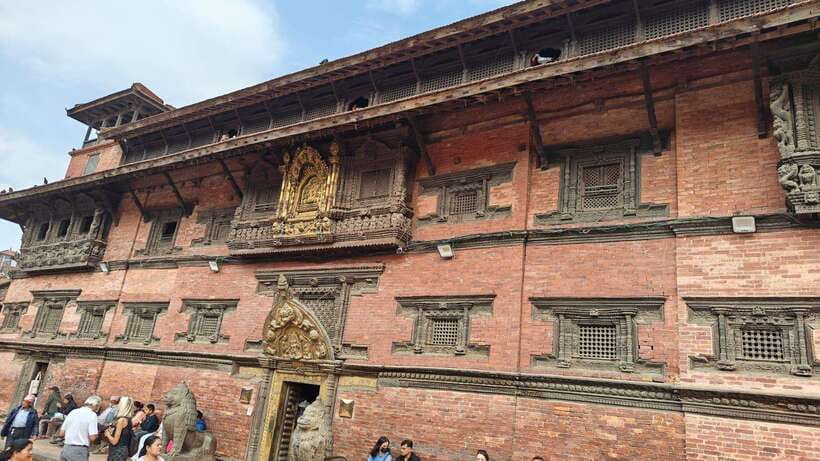
Bhaktapur is the calm brain of the day. Compared with the other two squares, it tends to feel less commercially pressured and more carefully preserved, which changes the way you experience it. You walk through a setting that feels like it was made for slow attention.
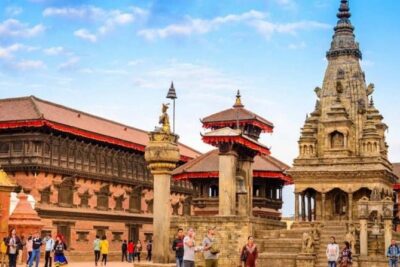
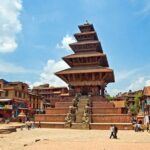
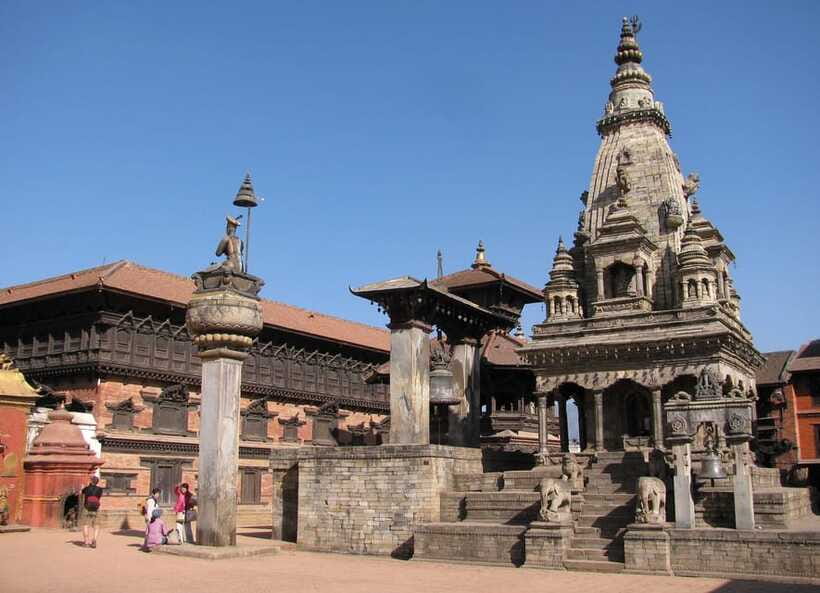
Bhaktapur Durbar Square is a strong showcase of Newari architecture, and the big reason to come here is the scale and presence of Nyatapola Temple. This is described as the tallest pagoda in Nepal. Even if you don’t know the technical details of pagoda forms, you can see why it’s famous: it’s vertical, commanding, and clearly built to signal importance.
You’ll also hear about the 55-Window Palace. It’s one of those landmark names that instantly makes you want to search for the windows with your eyes. The guide helps connect the building to the royal past, rather than leaving it as a random “big structure you saw in photos.”
Other featured stops in the square include the Vatsala Temple and the Golden Gate. These are the kinds of details that can blur together if you’re moving too fast. On a guided route, the guide’s job is to make each one a clue. Golden Gate isn’t just pretty—it’s part of how Bhaktapur’s old political and ceremonial routes worked.
If you want the classic “old city” experience—narrow lanes, historic textures, and a sense of continuity—this is the one that usually clicks best.
Price and Value: What $86 Buys You (and What You Still Pay Separately)
At $86 per person for about 5 hours, the question isn’t just whether it’s “cheap” or “expensive.” It’s what you’re paying for: a professional English-speaking guide, private transportation between sites, and hotel pickup and drop-off within Kathmandu (Thamel).
That’s meaningful. Durbar Squares aren’t isolated; you’re moving across areas where traffic, timing, and finding the right entrances can eat your day. Paying for private transport and a guided flow helps you actually see three UNESCO-listed sites without turning it into a logistics project.
The one clear separation: entrance fees aren’t included. So your real budget should be “tour price plus site entry costs.” The good news is that the experience includes skip-the-ticket-line support, which can save time when queues form.
Meals aren’t included either. If you want food after, keep in mind your day ends back in Thamel, which makes it easier to find something familiar and easy once you’re done.
My practical take on value: if you already know you want a guided explanation at each square, this is a strong deal for the time you get. If you’re the type who likes to wander freely with a map only, you might find less value in paying for structured guiding.



The Guide Factor: Pranav, Aneel, and Why Stories Change the Buildings
The biggest strength you’ll feel on this tour is the guide’s ability to translate architecture into human meaning. Two guide names stand out from recent experiences: Pranav and Aneel (listed with the name Karma).
Both were praised for being fluent, friendly, and exceptionally clear with their explanations. That matters because Durbar Square sites can be overwhelming fast. If someone just says, This is a temple, you’ll remember the shape but not the reason it exists. A strong guide ties the details together: royal compounds, religious sites, and why certain structures are placed where they are.
Aneel was specifically described as passionate, with enthusiasm that didn’t feel forced. That energy matters most at Bhaktapur and Patan, where the carvings and layouts can blur if you don’t get help slowing down and organizing what you’re seeing.
If you care about getting the story behind the stone, a good guide is what turns a “sightseeing checklist” into an actual Kathmandu Valley understanding.
Timing, Comfort, and Photo Reality in the Old City
You’re out for about 5 hours, with guided time broken up like this:
- Kathmandu Durbar Square: about 1.5 hours
- Bhaktapur Durbar Square: about 2 hours
- Patan Durbar Square: about 2 hours
That balance is helpful. Kathmandu gets enough time for the royal-courtyard essentials without dragging. Bhaktapur gets the longest stretch, which fits its feel of preservation and slow attention. Patan has two hours too, so you get time for Krishna Mandir and museum-related context rather than rushing through.
A few practical tips to make it easier:
- Wear shoes you trust on stone steps and uneven ground.
- Bring a light layer. Old-city air and shade can switch quickly.
- If you want the best photos, listen first, then shoot. It’s faster to capture what you now know is important.
Also, you’ll be picked up and dropped off in Thamel, which keeps the day from feeling like a multi-hour relocation. Private transportation between sites helps too, since you won’t be negotiating public routes.
Who This Tour Fits Best
This tour is a great match if you want:
- guided context at three UNESCO-listed Durbar Squares
- a route that handles transport and timing for you
- an English-speaking guide who can connect temples and palaces to culture
It’s also a good choice if you like contrast. Kathmandu’s royal courtyard feel is different from Patan’s craft-forward focus, and Bhaktapur’s pagoda presence and palace landmarks create a different rhythm.
It may not fit if:
- you’re expecting a slow, flexible day with tons of free wandering time
- you want only light commentary and mostly quiet photo time
- you’re traveling with mobility limits you’re not comfortable managing on uneven historic surfaces (the tour is stated as wheelchair accessible, but the squares themselves are still historic terrain)
Should You Book the Kathmandu Valley: 3 Major Durbar Square Guided Tour?
If your main goal is to understand what you’re seeing—Hanuman Dhoka’s royal-courtyard meaning, Patan’s Krishna Mandir craftsmanship, and Bhaktapur’s Nyatapola pagoda presence—this is a smart booking. The price makes sense for the combination of private transport, a professional English guide, and enough time at each UNESCO site to actually connect the dots.
Book it if you like architecture with explanations and you’d rather spend your energy paying attention than figuring out logistics. Skip it only if you’d prefer to self-guide without structured timing, or if you strongly dislike paying extra entrance fees on top of the tour price.
FAQ
What is the duration of the tour?
The tour lasts about 5 hours.
Where do you get picked up and dropped off?
Pickup and drop-off are within Kathmandu in Thamel.
Which places are included in the tour?
The tour includes guided visits to Kathmandu Durbar Square (Hanuman Dhoka), Bhaktapur Durbar Square, and Patan Durbar Square.
Is an English guide provided?
Yes. The guide is English-speaking.
Are entrance fees included?
No. Entrance fees are not included, though the tour includes skip-the-ticket-line support.
Is private transportation included between sites?
Yes. Private transportation between the Durbar Squares is included.
Is the tour wheelchair accessible?
The tour is listed as wheelchair accessible.