REVIEW · KATHMANDU
Kathmandu City Tour: TOP Highlights of the Kathmandu Valley
Book on GetYourGuide →Operated by Breakfree Adventures Pvt. Ltd. · Bookable on GetYourGuide
Kathmandu feels sacred in three stops. This Kathmandu Valley City Tour strings together the big spiritual hits—Boudhanath Stupa, Pashupatinath, and Bhaktapur Durbar Square—without turning your day into a frantic sprint. I like that it’s private, with hotel pickup and drop-off, so you spend more time looking and less time hunting.
What I also really enjoy is the pacing. Guides can keep things informative but relaxed, and one guide name you may hear is Neeraj, praised for answering questions and not rushing your feet. The one thing to plan around is that monuments entrance fees are extra, and there’s some walking plus stairs at the religious sites.
In This Review
- Key Highlights You’ll Actually Use
- A Smart 6-Hour Loop Through Kathmandu Valley’s Most Famous Sacred Places
- Boudhanath Stupa: Where the Peace Feels Physical
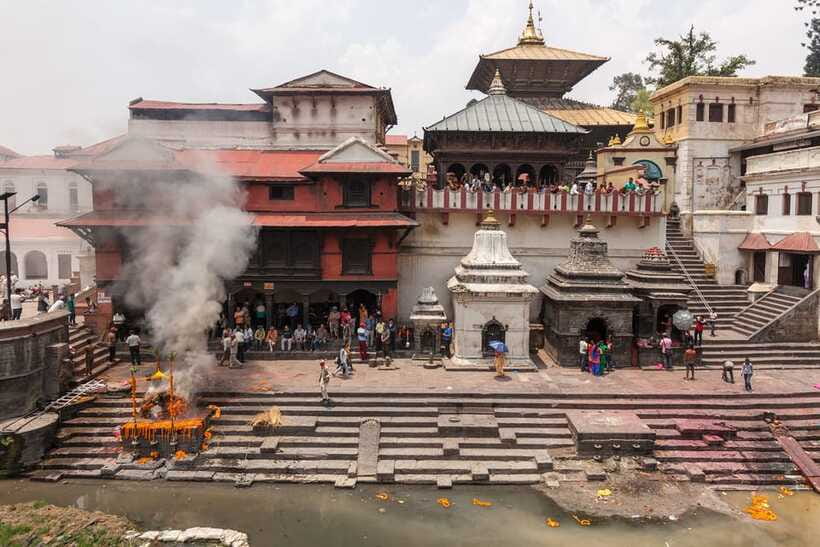
- Pashupatinath Temple on the Bagmati River: Sacred, Intense, and Real
- Bhaktapur Durbar Square: Newari Architecture and a Medieval City Mood
- What You Really Get for the Price (and What’s Extra)
- Private Transportation and Hotel Pickup: Smooth, But Know the Limits
- How to Dress and Pack for a Religious Day (Without Overthinking It)
- Pace, Personality, and Why the Guide Can Make or Break the Day
- Who This Tour Suits Best (and Who Should Skip It)
- Tips for Making the Most of Each Stop
- Should You Book the Kathmandu City Tour?
- FAQ
- How long is the Kathmandu City Tour?
- Does the tour include hotel pickup and drop-off?
- Are monument entrance fees included in the price?
- What’s included in the tour?
- What should I wear and bring?
- Is the tour suitable for everyone?
Key Highlights You’ll Actually Use
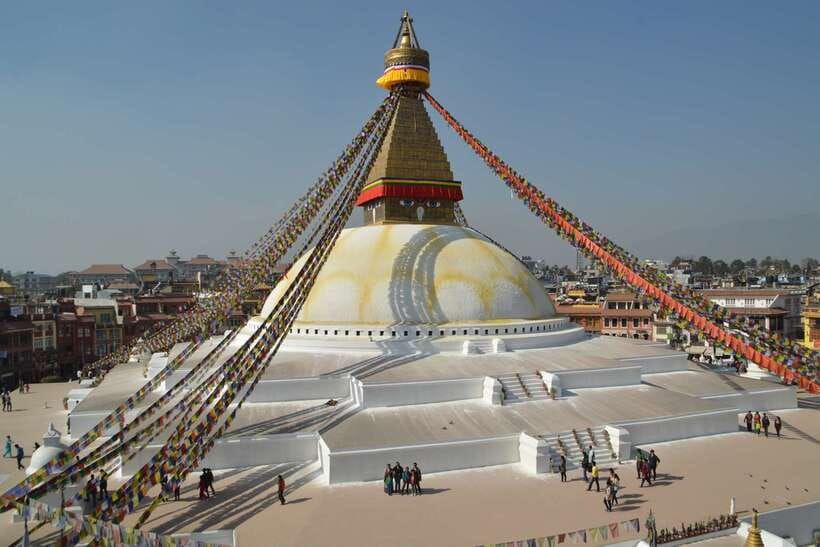
- Boudhanath Stupa: a massive Buddhist stupa where you’ll see prayer wheels and daily devotion all around you.
- Pashupatinath Temple: Nepal’s most sacred Shiva landmark on the Bagmati River, including major ritual moments by the water.
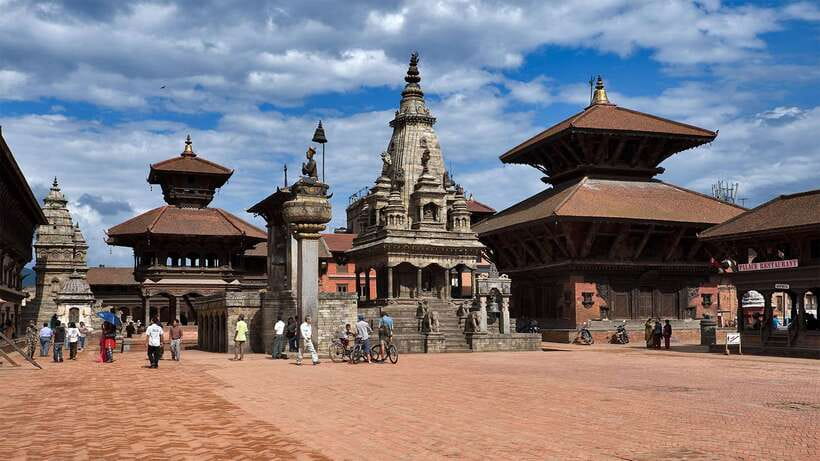
- Bhaktapur Durbar Square: a medieval feel with Newari architecture and photogenic stone lanes.
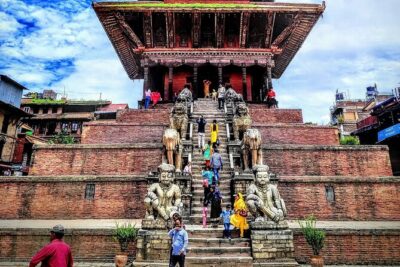
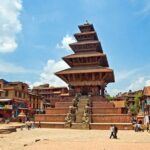
- Nyatapola Temple: Nepal’s tallest pagoda, giving you a strong sense of Newari craftsmanship.
- Religious-visit basics: modest clothing is required, and photos are often restricted inside temples.
A Smart 6-Hour Loop Through Kathmandu Valley’s Most Famous Sacred Places
This is a classic Kathmandu Valley sampler, but with one advantage: it’s built around a tight geographic plan, so you can hit three UNESCO-listed powerhouses in about half a day. The tour runs about 5–7 hours (traffic decides the exact timing), and it starts with pickup from your Kathmandu hotel.
For me, the best use of a trip like this is “context.” If you’re only in Kathmandu for a short time, this tour gives you the fast explanations that make the big sites click. You’ll see different religions in the same valley space—Buddhist practice at Boudhanath, Hindu devotion at Pashupatinath, and Newari-city architecture at Bhaktapur—so the day feels like a living history lesson you can walk through.
You can also read our reviews of more city tours in Kathmandu
Boudhanath Stupa: Where the Peace Feels Physical
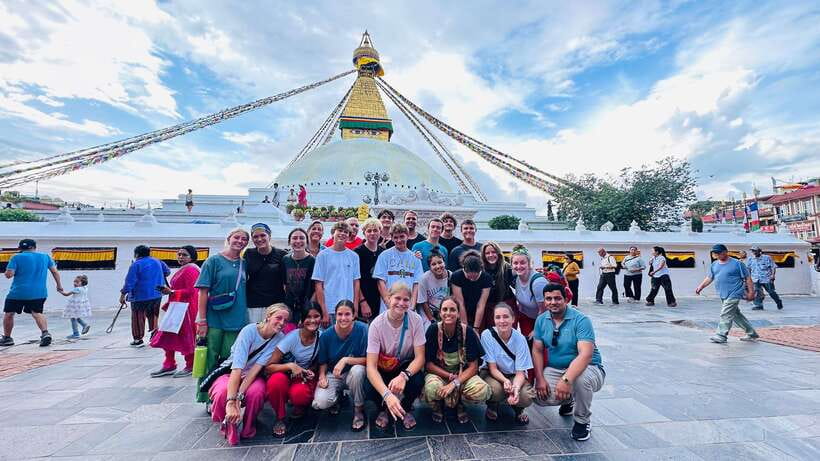
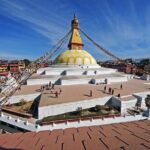
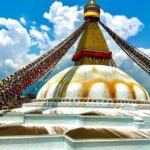
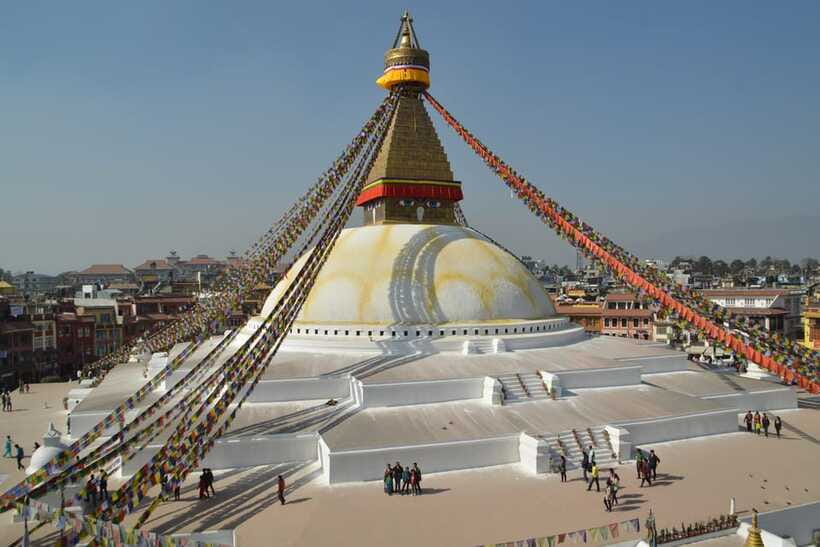
Boudhanath Stupa is one of the world’s largest Buddhist monuments, and it has that rare effect where your eyes keep finding new details. The stupa is famous for its huge white dome and a golden spire on top, but what you notice up close is the everyday rhythm around it: monasteries nearby, people going about their practice, and the constant movement at ground level.
When you walk around the stupa, you’re not just sightseeing. You’ll see prayer wheels turning as part of daily devotion, and you’ll likely catch people pausing, reflecting, and moving with intention. It’s the kind of place where you start to slow down naturally, even if you arrived with a checklist.
Practical tip: bring your camera, but remember that some areas can be quiet and respectful—stay out of the way and follow your guide’s instructions. Also, if the weather shifts, this is where an umbrella and rain gear can save the mood. The tour runs in all conditions, so expect some changes.
Pashupatinath Temple on the Bagmati River: Sacred, Intense, and Real
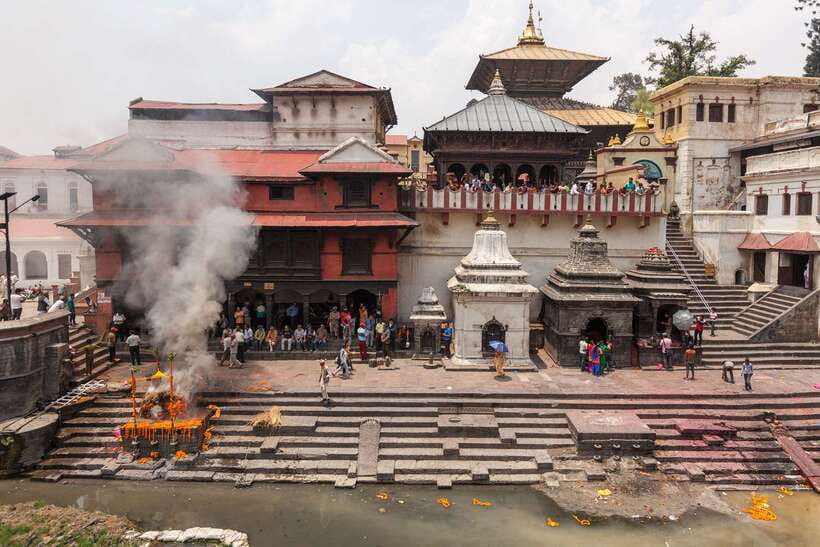
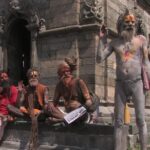
Then you move to Pashupatinath Temple, dedicated to Lord Shiva and recognized as one of the most revered Hindu temples in Nepal. The location matters: it sits on the Bagmati River, which means the temple experience includes not only architecture and ritual worship, but also what happens by the riverbanks.
This is the stop where the day becomes more emotionally charged. You may witness daily spiritual rituals and powerful cremation ceremonies along the river. Even if you’ve seen religious ceremonies elsewhere, this one feels specific to Kathmandu Valley’s traditions, with pagoda-style architecture and intricate details.
What to watch for: the temple complex has an overall sense of carved artistry, including wooden carvings and golden-roof elements. Your guide can help you interpret what you’re seeing—why certain spaces matter, what the rituals represent, and what’s appropriate behavior as a visitor.
Important consideration: the cremation ceremonies can be intense. If you prefer lighter sightseeing, plan your expectations. And if you’re sensitive to ritual practices involving death, this stop needs mental prep.
Practical tip for respect: wear modest clothing. Shoulders and knees should be covered, especially at Pashupatinath. Photography can be restricted inside temples, so ask your guide before you start snapping.
Bhaktapur Durbar Square: Newari Architecture and a Medieval City Mood
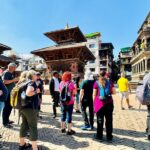
Bhaktapur Durbar Square gives you a different kind of Kathmandu Valley experience: a medieval city feel with Newari architecture and a sense of place that’s easier to savor slowly. It’s known as a “City of Devotees,” and it really does feel like a living museum—old stone, old streets, and people carrying on daily routines.
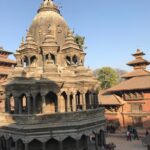
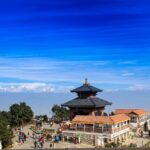
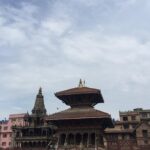
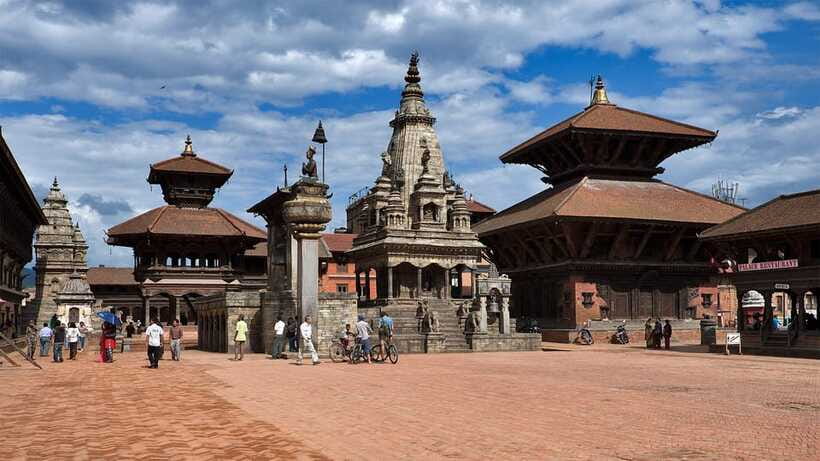
Bhaktapur’s Durbar Square is UNESCO-listed, and your route likely focuses on key monuments that make the whole area make sense. You’ll hear about and see standout structures such as the 55-Window Palace, the Vatsala Temple, and the towering Nyatapola Temple—which is famous as Nepal’s tallest pagoda.
The streets inside this area can include stairs and uneven walking surfaces, so comfortable shoes matter. You’ll likely find small markets and local artisans nearby too, which helps the city feel alive rather than staged.
One more reason I like this stop: Bhaktapur balances the intensity of Pashupatinath. After the river rituals, Bhaktapur gives you architecture, detail, and a slower visual pace. It’s a good way to end the day with something you can remember in photographs and textures.
What You Really Get for the Price (and What’s Extra)
The tour price is $39 per person for a half-day private experience. That’s not just a ticket to landmarks—it’s hotel pickup and drop-off, private transportation, and a professional English-speaking guide, plus taxes and service charges.
Two things you should factor in:
- Monument entrance fees are extra: listed as 3,400 Nepali Rupees per person.
- Meals aren’t included, so you may want to eat before you go or plan a simple stop afterward.
Value-wise, this price works best if you want a guide to explain what you’re seeing. These sites can feel overwhelming without context. A good guide turns “I saw a stupa and a temple” into “I understand what rituals mean and why certain architecture is important.”
Also, private group style helps. You’re not stuck with strangers moving at different speeds. In real terms, that often means fewer waiting moments and a more comfortable rhythm, especially if you hit stairs or want a little extra time for photos.
Private Transportation and Hotel Pickup: Smooth, But Know the Limits
This tour includes hotel pickup and drop-off, using a car, van, jeep, Hiace, or bus depending on group size. Your pickup is designed for hotels within the Ring Road in Kathmandu. If your lodging is outside that area, an additional fee may apply for pickup and drop-off.
Why this matters: Kathmandu traffic can be unpredictable. A scheduled pickup helps you avoid wasting the first hour of your trip. Still, don’t expect strict minute-by-minute timing. The tour duration can shift based on traffic, and you’ll likely spend time between sites driving through the city.
A useful detail: the tour is in English, and guides in other languages are available for an extra cost. If language is a priority, confirm that ahead of time.
How to Dress and Pack for a Religious Day (Without Overthinking It)
You’ll be visiting sacred sites, so dress code isn’t optional. Plan to wear modest clothing that covers your shoulders and knees, especially at Pashupatinath. Comfortable walking shoes are a must because there’s some walking and stairs throughout the day.
Bring:
- Umbrella
- Camera
- Rain gear
And I’d add the practical extras you’ll wish you had: sunscreen, water, and a hat. The tour runs in all weather conditions, so you don’t want to be stuck buying basics mid-route.
Photography note: photos may be restricted inside temples. Don’t fight it. Ask your guide first and follow what they say.
Pace, Personality, and Why the Guide Can Make or Break the Day
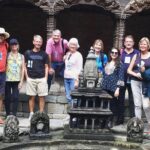
This tour’s overall tone tends to be relaxed, and the guide experience is a big part of that. One guide name that comes up in feedback is Neeraj, described as amazing—moving at the group’s pace, never rushing, and answering questions fully. Another highlight you may notice in guides’ approaches is politeness and calm professionalism, plus thoughtful driving.
So what should you expect from the interaction?
- You’ll get explanations that help you read the sites instead of just looking at them.
- You’ll have enough time to ask questions.
- You won’t feel like your day is a race.
For best results, come with two or three questions before pickup. Even simple ones help, like what you should look for at Boudhanath or what the Bagmati rituals mean in plain language.
Who This Tour Suits Best (and Who Should Skip It)
This tour is a strong match if:
- You want a high-impact overview of Kathmandu Valley’s major sacred landmarks in a single day.
- You prefer a guide who can explain religion and architecture clearly in English.
- You like cultural sites more than “fast shopping stops.”
It may not suit you if:
- You’re pregnant. The tour is listed as not suitable for pregnant women.
- You’re uncomfortable with ceremonies involving cremation. This is part of the Pashupatinath experience by the Bagmati River.
If you fall into either of those categories, it might be better to choose a different itinerary that focuses on temples or architecture without the river ceremony component.
Tips for Making the Most of Each Stop
A few small choices can make the day feel effortless:
- Start the day ready to walk. Even with a private vehicle, you’ll do real steps at each site.
- Keep your schedule flexible. Traffic affects timing, and you don’t want to rush your photos or your explanations.
- Treat sites as active religious spaces, not just museums. Respectful behavior helps you enjoy the atmosphere.
- Don’t argue about photography restrictions. Ask your guide, and you’ll avoid awkward moments.
And if you’re the type who likes to understand what you’re seeing, take advantage of your guide’s role. When the guide is patient, it feels like getting a personal Kathmandu Valley course.
Should You Book the Kathmandu City Tour?
Book it if you want an efficient, meaningful day that covers the biggest spiritual and architectural highlights of Kathmandu Valley. At $39 per person with hotel pickup and a professional English guide, it’s good value—especially if you like your sightseeing with explanations, not just transport between gates.
Skip or rethink it if entrance fees and the extra walking don’t work for you, or if Pashupatinath’s river ceremonies are likely to feel too intense. Otherwise, this is one of the more straightforward ways to connect the dots between Buddhism, Hinduism, and Newari city life in Kathmandu’s valley.
FAQ
How long is the Kathmandu City Tour?
The tour lasts about 6 hours, though the duration is listed as 5–7 hours depending on traffic and timing.
Does the tour include hotel pickup and drop-off?
Yes. Pickup and drop-off from your Kathmandu hotel are included, using a private vehicle.
Are monument entrance fees included in the price?
No. Monument entrance fees are not included, and the listed fee is 3,400 Nepali Rupees per person.
What’s included in the tour?
Included items are hotel pickup and drop-off, transportation (car/van/bus depending on group size), a professional tour guide, and taxes and service charges.
What should I wear and bring?
Wear modest clothing (cover shoulders and knees) for religious sites, and bring comfortable walking shoes. Also bring an umbrella, a camera, and rain gear. Water and sunscreen are practical additions.
Is the tour suitable for everyone?
The tour is not suitable for pregnant women. Also note that some photography may be restricted inside temples, and the Pashupatinath area involves spiritual rituals by the river.